

Weather is one of the few factors in triathlon that athletes cannot control. You can prepare your fitness, nutrition, pacing, and equipment, but race-day conditions can change within minutes.
A calm morning can quickly become:
- Windy
- Wet
- Hot
- Cold
- Humid
- Stormy
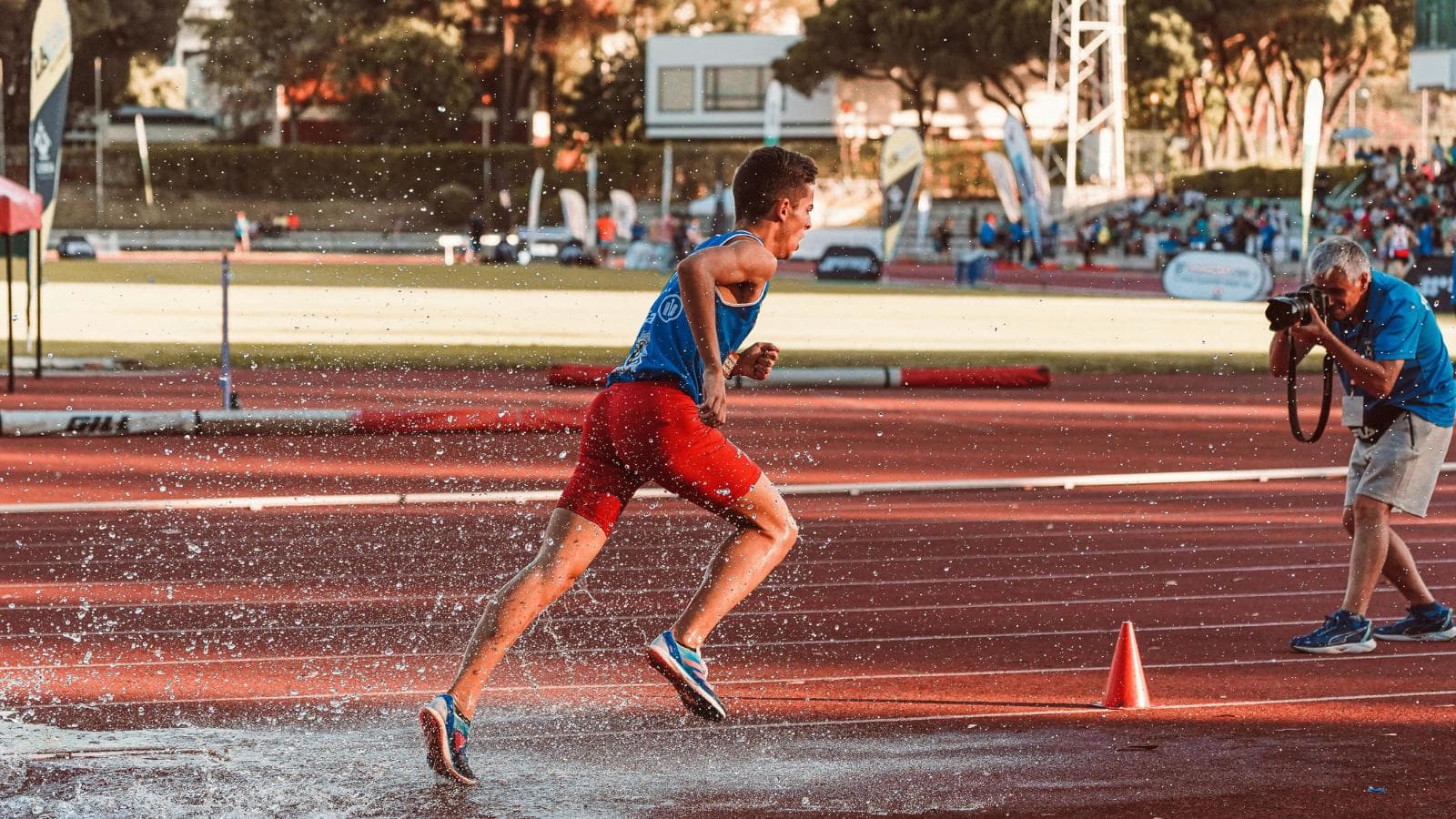
Sudden weather changes challenge not only physical performance but also decision-making under pressure. The athletes who handle these situations best are rarely the fastest athletes on paper. They are usually the athletes who adapt the quickest. The goal during changing weather conditions is not trying to stick rigidly to the original race plan. The goal is adjusting intelligently while protecting performance and safety. This becomes especially important in longer races discussed in ironman vs 70.3 vs olympic triathlon, where athletes may spend several hours exposed to changing environmental conditions.
Accept That Conditions Have Changed
One of the biggest mistakes triathletes make is mentally fighting the weather.
When conditions deteriorate, many athletes continue trying to:
- Hold original pace
- Maintain planned power
- Ignore environmental stress
This often leads to:
- Early fatigue
- Poor pacing
- Overheating
- Excess energy expenditure
The moment conditions change, successful athletes accept the new reality and adjust accordingly.
Energy spent complaining about conditions is energy that could be used racing.
Adapt Your Expectations
Weather affects everyone in the race.
If strong winds arrive during the bike leg or temperatures suddenly rise during the run, performance expectations should shift accordingly.
Smart athletes focus on:
- Relative effort
- Execution
- Positioning
- Consistency
rather than obsessing over predetermined split times.
Athletes improving through how to pace a triathlon properly often perform better in difficult conditions because they understand pacing should respond to circumstances rather than fixed numbers.
Stay Calm During Rough Swim Conditions
Open-water swims are often the first place athletes encounter sudden weather changes.
Wind may create:
- Choppy water
- Larger waves
- Poor visibility
- Increased anxiety
The key is remaining calm.
Focus on:
- Controlled breathing
- Relaxed stroke rhythm
- Smooth sighting
- Efficient movement
Athletes who panic typically waste far more energy than athletes who slow down slightly and remain composed.
Those improving through how to transition faster after an open water swim often discover that calm execution matters more than forcing speed when conditions become challenging.
Adjust Bike Handling in Wind
Strong winds can dramatically affect bike control.
Crosswinds may:
- Push wheels sideways
- Affect steering stability
- Increase rider tension
When wind increases:
- Relax your grip
- Stay aerodynamic when safe
- Anticipate gusts
- Avoid sudden movements
Many athletes become unnecessarily tense when riding in windy conditions.
Relaxation often improves control more than strength.
Modify Power Targets
Weather can make original power targets unrealistic.
For example:
- Headwinds increase effort
- Extreme heat raises physiological stress
- Rain affects road conditions
Trying to force planned numbers may:
- Increase fatigue
- Damage pacing
- Hurt the run leg
Athletes improving through how to increase cycling power for triathlon without burning out often understand that effort management matters more than chasing specific numbers in difficult conditions.
Increase Hydration in Hot Conditions
Heat is one of the most significant weather challenges in triathlon.
As temperatures rise:
- Sweat rates increase
- Fluid losses accelerate
- Core temperature rises
Athletes should:
- Drink consistently
- Use aid stations effectively
- Monitor thirst
- Increase sodium intake if necessary
Many athletes fall behind on hydration before they realise there is a problem.
Understanding how much should you drink per hour on the bike becomes particularly valuable when unexpected heat develops during a race.
Slow Down Before Overheating
When temperatures rise suddenly, many triathletes try maintaining normal pace despite increasing physiological stress.
This often causes:
- Elevated heart rate
- Reduced efficiency
- Accelerated fatigue
A small pace adjustment early in the race may prevent major performance decline later.
The strongest athletes are often those who recognise overheating before it becomes a serious issue.
Prepare for Rain on the Bike
Rain changes cycling conditions immediately.
Wet roads reduce:
- Tyre grip
- Braking performance
- Cornering confidence
When rain begins:
- Brake earlier
- Corner more cautiously
- Avoid sudden steering inputs
- Increase awareness around other riders
Athletes improving through what you should check on your bike the week before a race often feel more confident in wet conditions because they trust their equipment.
Manage Clothing Strategically
Changing weather often creates clothing challenges.
Athletes may encounter:
- Cold starts
- Warm afternoons
- Sudden rain
- Strong wind
Whenever possible:
- Use removable layers
- Plan ahead
- Anticipate weather forecasts
Small clothing decisions can have a major impact on comfort and performance.
Don’t Ignore Cold Conditions
Heat often receives more attention, but cold weather can be equally challenging.
Cold conditions may affect:
- Muscle function
- Dexterity
- Hydration
- Energy expenditure
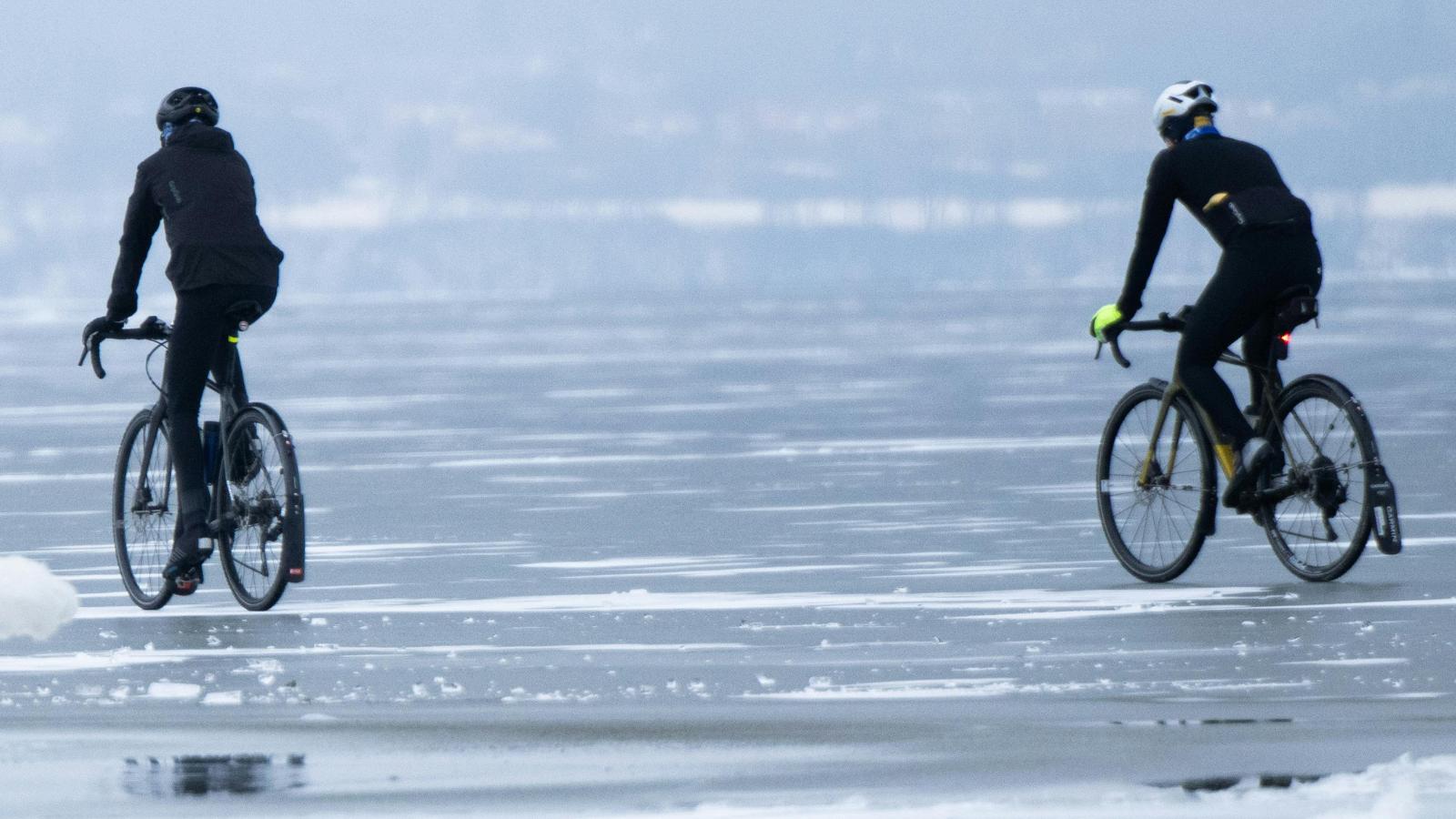
Athletes sometimes underestimate how much energy is required to stay warm during long races.
Those improving through what are the signs of hypothermia triathletes should know often recognise weather-related risks much earlier than less prepared competitors.
Nutrition Becomes More Important
Changing weather frequently alters nutritional demands.
For example:
- Heat may reduce appetite
- Cold weather may increase energy needs
- Wind can increase overall workload
Athletes should remain committed to their fueling strategy even when weather conditions become uncomfortable. This becomes particularly important during long-distance racing where energy deficits can quickly affect performance.
Athletes improving through how to fuel properly during a triathlon often adapt more effectively because their nutrition strategy remains consistent despite external challenges.
Mental Flexibility Is Essential
Weather changes test mental resilience as much as physical fitness.
Many athletes become frustrated when conditions no longer match expectations.
Successful triathletes focus on:
- Adaptation
- Problem-solving
- Decision-making
- Execution
rather than dwelling on what they cannot control.
Athletes who develop how can mental strategies improve triathlon performance often handle weather-related adversity significantly better because they remain focused on controllable actions.
Watch for Early Warning Signs
Weather-related performance problems rarely appear suddenly.
Common warning signs include:
- Rising heart rate
- Excessive sweating
- Chills
- Loss of coordination
- Increased effort at normal pace
- Difficulty concentrating
Recognising these signs early allows athletes to make adjustments before performance deteriorates significantly.
Expect Pacing Changes on the Run
Weather often affects the run more than any other discipline.
Heat, humidity, wind, and rain can all influence:
- Heart rate
- Running economy
- Hydration needs
- Energy expenditure
Athletes should be willing to:
- Adjust pace
- Walk aid stations if necessary
- Focus on effort rather than speed
Rigid pacing strategies often fail when conditions change dramatically.
Practice Adapting During Training
One of the best ways to prepare for changing weather is to experience different conditions during training.
Whenever safe, train in:
- Rain
- Wind
- Heat
- Cold
This helps athletes:
- Build confidence
- Learn equipment preferences
- Develop pacing awareness
- Improve decision-making
Athletes improving through how to become an efficient triathlete often adapt more effectively because they learn to perform well across a variety of conditions rather than only ideal ones.
Common Weather-Related Mistakes
Many triathletes lose time through avoidable decisions.
Common mistakes include:
- Refusing to adjust pace
- Ignoring hydration needs
- Panicking in rough water
- Braking too late in rain
- Underestimating heat stress
- Overdressing or underdressing
- Focusing on split times instead of effort
- Becoming mentally frustrated
Most weather-related performance problems begin with poor decision-making rather than the weather itself.
Practical Ways to Handle Sudden Weather Changes
Triathletes can manage changing conditions by:
- Accepting new circumstances quickly
- Adjusting pacing appropriately
- Hydrating proactively
- Maintaining fueling plans
- Adapting bike handling
- Monitoring body temperature
- Staying mentally flexible
- Focusing on execution rather than expectations
The athletes who perform best when weather changes are rarely those with perfect conditions. They are the athletes who adapt fastest and continue making smart decisions regardless of what the forecast delivers.