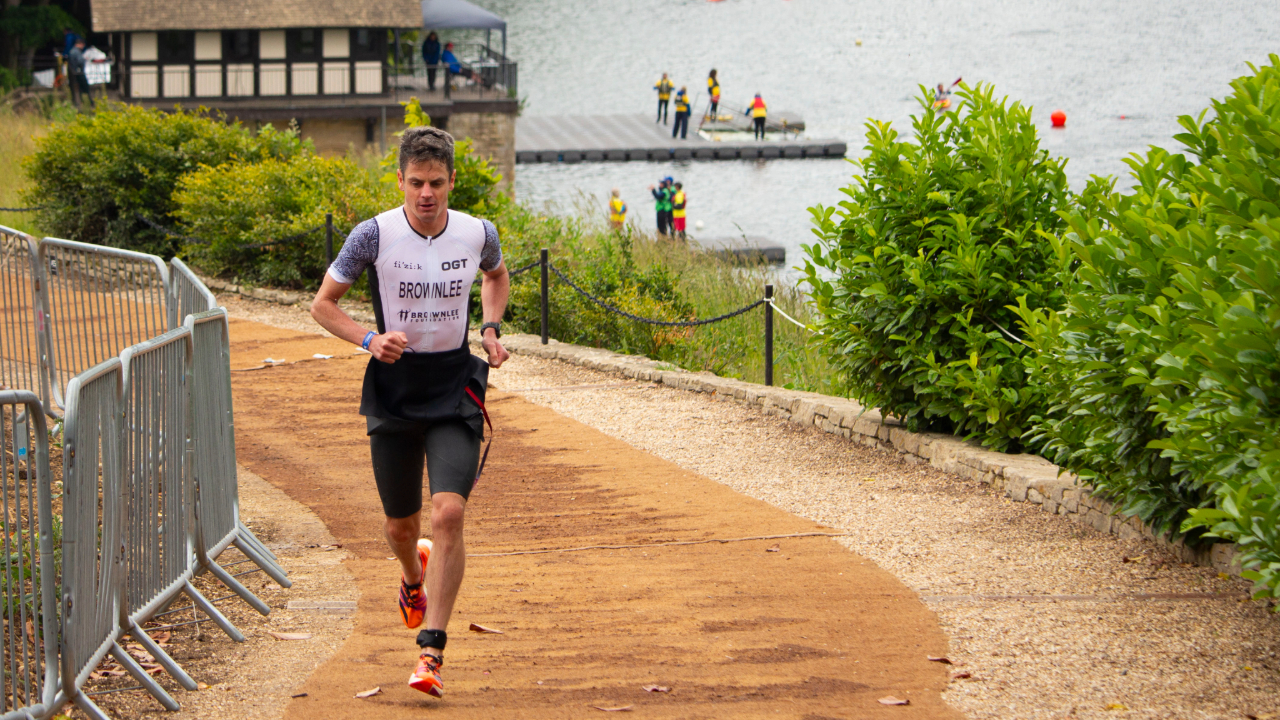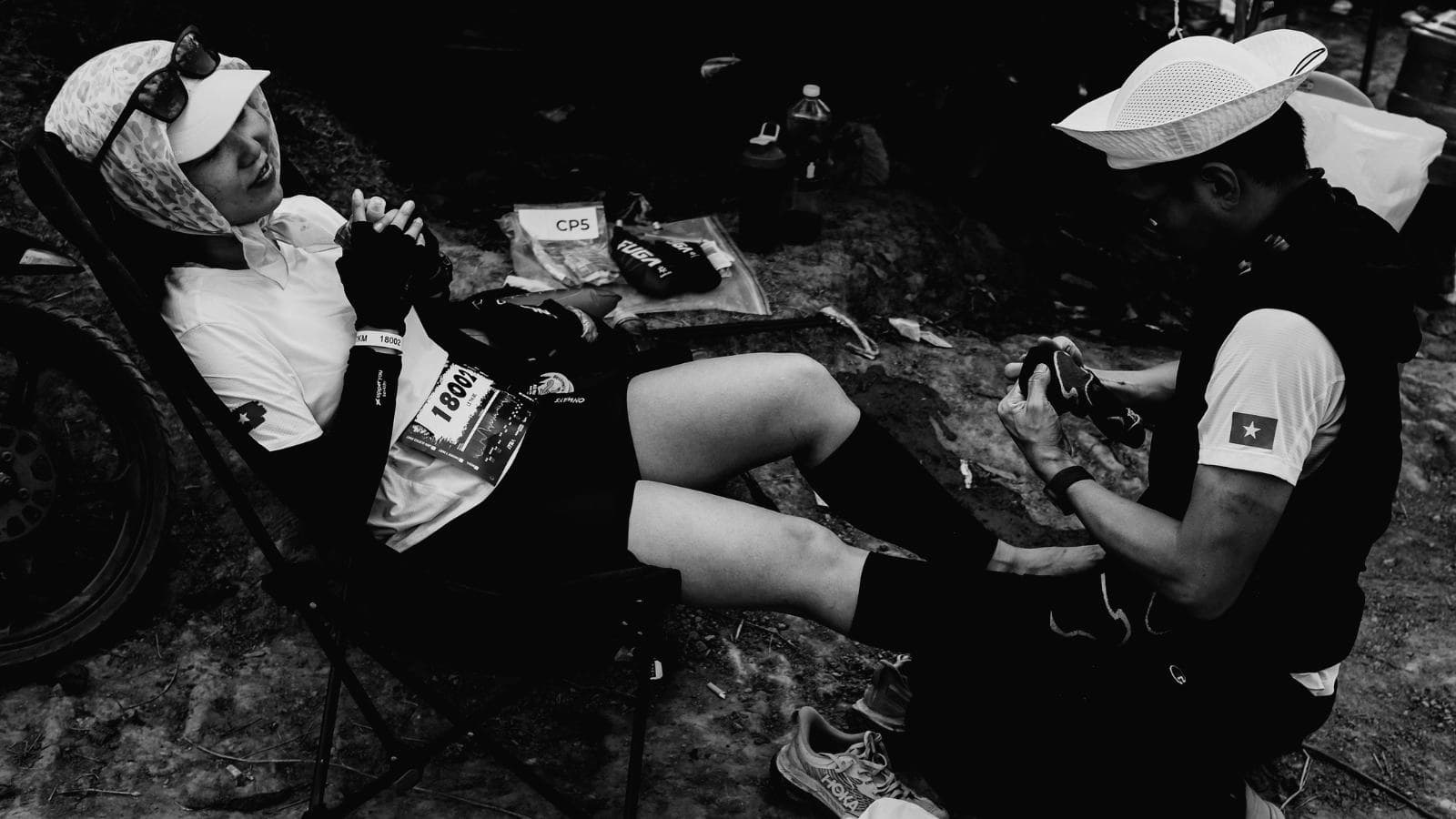


Triathlon is often viewed as a low-impact endurance sport compared to contact sports, but fractures are still a significant risk for athletes. While some fractures occur during crashes, others develop gradually through repetitive stress and accumulated training load.
Triathletes place unique demands on their bodies through:
- Swimming
- Cycling
- Running
- Strength training
- High training volumes

Over time, poor recovery, excessive training stress, nutritional deficiencies, and mechanical accidents can increase the likelihood of both acute and overuse fractures. Understanding these risk factors is essential because fractures can sideline athletes for weeks or even months, disrupting training plans and race goals. The good news is that many fracture risks can be reduced through smart training, proper recovery, and informed decision-making.
Rapid Increases in Training Volume
One of the biggest contributors to stress fractures is increasing training volume too quickly. Bones continuously adapt to training stress, but this adaptation takes time. Problems often occur when athletes suddenly increase:
- Running mileage
- Long-run duration
- Weekly training hours
- Race preparation volume
The cardiovascular system may feel ready for more work, but bone tissue often adapts more slowly. Athletes following zone 2 training for a triathlon typically experience better long-term outcomes when training progression remains gradual and structured.
Excessive Running Load
Of the three triathlon disciplines, running creates the highest impact forces. Every running step generates repetitive loading through:
- Feet
- Ankles
- Tibias
- Hips
- Pelvis
Over thousands of repetitions, these forces can accumulate. Athletes who ignore recovery or rapidly increase run training often become more susceptible to:
- Stress reactions
- Stress fractures
- Bone fatigue injuries
Those improving through what are the running drills that every triathlete should do often develop better running mechanics that help distribute impact forces more efficiently.
Poor Recovery Between Sessions
Bone adaptation occurs during recovery. Without adequate recovery, the body struggles to repair the microscopic damage created by training.
Common recovery mistakes include:
- Insufficient sleep
- Consecutive hard days
- Inadequate nutrition
- Lack of recovery weeks
Athletes improving through what strategies should triathletes follow for a better recovery often reduce injury risk because recovery becomes a deliberate part of the training process rather than an afterthought.
Low Energy Availability
Many endurance athletes unintentionally underfuel. This can occur because of:
- Weight-loss goals
- High training volume
- Poor nutrition habits
- Busy schedules
When energy intake consistently falls below training demands, bone health may suffer. Low energy availability can affect:
- Bone remodelling
- Recovery
- Hormonal balance
- Long-term durability
This is one of the most overlooked contributors to stress fractures in endurance sports.
Inadequate Calcium and Vitamin D
Strong bones require appropriate nutritional support. Two nutrients that play a major role are:
- Calcium
- Vitamin D
Deficiencies may reduce bone strength and increase susceptibility to fractures. While nutrition alone cannot prevent injuries, inadequate intake may limit the body’s ability to adapt to training stress. Athletes who focus on how to fuel properly during a triathlon often support not only performance but also long-term skeletal health.
Poor Running Mechanics
Inefficient movement patterns may increase localised stress on specific bones.
Examples include:
- Overstriding
- Excessive impact loading
- Poor posture
- Asymmetrical movement
These issues do not automatically cause fractures, but they may contribute to uneven force distribution over time. Athletes who improve through how to improve your run technique for triathlon often develop more efficient movement patterns that reduce unnecessary stress.
Ignoring Early Warning Signs
Stress fractures rarely appear suddenly. Common warning signs include:
- Localised pain
- Persistent soreness
- Pain that worsens with activity
- Tenderness in one specific area
Many triathletes continue training through these symptoms. Unfortunately, this often allows a small problem to become a much larger injury. Athletes who understand how to overcome an early-season setback in triathlon training are often better at making smart adjustments before injuries become severe.
Fatigue and Poor Bike Handling
Not all fractures are stress-related. Cycling crashes remain one of the most common causes of acute fractures in triathlon. Fatigue can reduce:
- Concentration
- Reaction time
- Bike handling ability
This increases the risk of:
- Falls
- Collisions
- Technical mistakes
Athletes improving through what you should check on your bike the week before a race often reduce crash risk because both equipment and preparation are prioritised.
Unsafe Descending Techniques
Many triathlon courses include technical descents.
Poor descending habits can increase crash risk dramatically.
Common mistakes include:
- Excessive speed
- Late braking
- Poor cornering
- Riding beyond skill level
Cyclists improving through how to mount and dismount your bike smoothly in a race often develop better bike control overall, which can contribute to safer riding in a variety of situations.
Inadequate Strength Training
Bones respond positively to strength training. Resistance exercises help stimulate:
- Bone growth
- Structural adaptation
- Muscular support
Triathletes who avoid strength work entirely may miss an opportunity to improve durability. Strong muscles also help absorb impact before excessive force reaches bone tissue.
Training Through Chronic Fatigue
Many athletes believe more training always equals better performance. However, chronic fatigue often reduces:
- Recovery quality
- Movement efficiency
- Coordination
Athletes who fail to recognise the injury risks with increase in triathlon volume may continue accumulating fatigue until injury risk increases significantly. Recovery weeks are not a sign of weakness. They are a key part of adaptation.
Sudden Changes in Terrain
Changing training surfaces can alter loading patterns dramatically.
Examples include:
- Moving from roads to trails
- Increased hill running
- Technical terrain
- Harder surfaces
These changes may expose bones to stresses they are not yet prepared to tolerate. Gradual adaptation is usually the safest approach.
Previous Injury History
A previous stress fracture often increases the likelihood of future bone-related injuries. This does not mean another fracture is inevitable. However, athletes returning from injury should pay close attention to:
- Training progression
- Recovery
- Nutrition
- Strength work
Long-term durability often depends on learning from previous setbacks.
Poor Sleep Habits
Sleep supports:
- Recovery
- Hormonal function
- Tissue repair
- Bone remodelling
Consistently poor sleep may impair the body’s ability to adapt to training stress. Athletes who understand how much sleep do triathletes need to recover often recover more effectively because they prioritise one of the most important recovery tools available.
Overconfidence During Racing
Race-day excitement sometimes leads athletes to take unnecessary risks.
Examples include:
- Aggressive descending
- Risky overtaking
- Technical mistakes
- Riding beyond comfort level
These decisions can increase crash risk substantially. Good race execution often involves restraint as much as aggression.
Common Fractures Seen in Triathlon
Triathletes may experience:
- Tibial stress fractures
- Metatarsal stress fractures
- Femoral stress fractures
- Pelvic stress fractures
- Clavicle fractures
- Wrist fractures
- Rib fractures
Some result from overuse while others occur during crashes. The prevention strategies often overlap because durability and smart decision-making benefit every discipline.
Common Mistakes That Increase Fracture Risk
Many triathletes unintentionally increase risk through:
- Rapid training progression
- Underfueling
- Ignoring pain
- Poor recovery habits
- Insufficient strength training
- Unsafe cycling behaviour
- Inadequate sleep
- Excessive fatigue
Most fractures develop through a combination of factors rather than a single mistake.
Practical Ways to Reduce Fracture Risk
Triathletes can reduce fracture risk by:
- Increasing training gradually
- Prioritising recovery
- Fueling adequately
- Strength training regularly
- Monitoring pain early
- Improving bike handling skills
- Supporting bone health through nutrition
- Sleeping consistently
The healthiest triathletes are rarely the athletes who train the hardest every day. They are usually the athletes who balance training stress with recovery, durability, and smart long-term decision-making.