



Henri Schoeman has revealed that he and his family have received death threats during a decade of online abuse linked to one of triathlon’s most famous finishes.
The South African won the 2016 World Triathlon Grand Final in Cozumel, where Alistair Brownlee famously helped his struggling younger brother Jonny towards the finish before pushing him across the line in second place.
Those images travelled far beyond triathlon and remain an enduring illustration of the brothers’ bond. But Schoeman says the footage going viral repeatedly has brought a deeply troubling consequence for him and his family.
Now, just over 10 years after the race on September 18, 2016, he has spoken publicly about that experience – and why he is finally ready to embrace one of the biggest victories of his career.
‘This consumed me for 10 years’
Posting footage of the finish alongside his account on Instagram, Schoeman wrote: “This consumed me for 10 years. Online abuse is not okay.”
He revealed that deleting messages and blocking accounts had not shielded him from the impact.
“Most times I would delete comments, messages and emails. Other times I’d just block the user, but deep down it affected me, especially when my family and I received death threats.
“Every time the video goes viral, 1000’s of comments are added and I receive emails and DM’s, comments are made on my recent posts and those of my family including posts of my kids.”
He added: “It has made me doubt myself and my abilities for long enough, it was time I spoke out and let it go!”
In his accompanying video, which is embedded below, Schoeman explained how a result which should have been a source of lasting pride had become bound up with that repeated abuse.
“Ten years ago, I won the World Triathlon Grand Final in Cozumel, one of the biggest wins of my career. But for the last 10 years, it’s been overshadowed by something I’ve never publicly spoken about.
“Every time this video goes viral, I receive messages, comments blaming me for what happened, attacking me, and sometimes even attacking my family.”
Proving he belonged at the top
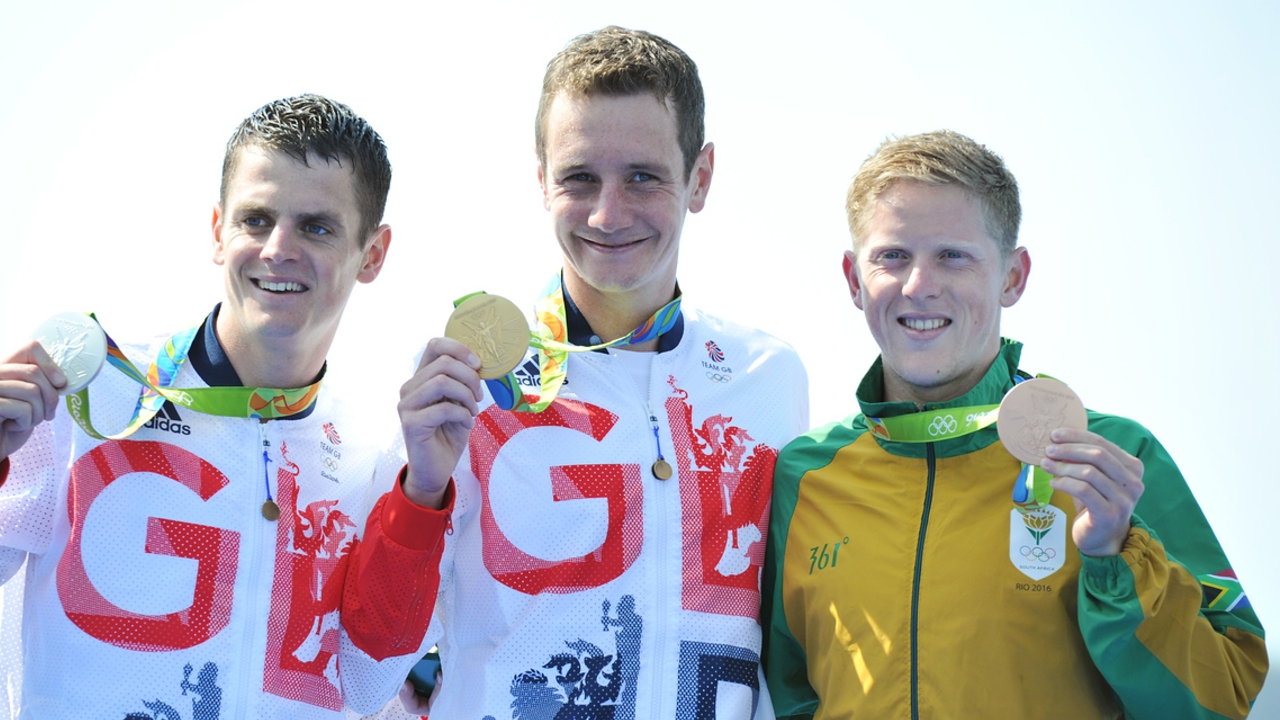
Cozumel came just a month after Schoeman had won Olympic bronze in Rio, finishing behind Alistair and Jonny Brownlee.
For him, the Grand Final was an opportunity to demonstrate that his breakthrough Olympic performance was a reflection of his ability to compete with the very best.
“I was young and I was hungry and I was determined to prove a point,” he explained.
“After winning the Olympic bronze, as a surprise to most, there were people saying I was a one-hit wonder. I wanted to prove that I belonged at the top.
“Jonny was having an incredible race. We were racing each other hard. I was pushing him just as he was pushing me. He accelerated on the run, I hung in. Even sometimes I pushed the pace on the front.”
Jonny’s difficulties in the closing stages transformed the race. As Alistair stopped to support his brother, Schoeman continued towards the victory.
Explaining his perspective, Schoeman said: “Honestly, I wasn’t even fully aware of what was going on behind me.”
His focus, he added, was on reaching the finish, with fellow South African Richard Murray chasing behind.
‘He was a brother first’
Schoeman was unequivocal in his admiration for Alistair’s decision to help Jonny.
“What Alistair did that day, I respect completely. He was a double Olympic champion, but in that moment, he was a brother first.
“I think most brothers would have done the same, but that doesn’t take away from what I achieved that day.”
Both brothers ultimately crossed the line behind Schoeman, with Jonny taking second and Alistair third.
For Schoeman, the significance of Alistair’s actions can coexist with recognition of the performance which earned him the win.
“What people don’t see is the impact the last 10 years of hate and abuse have had on me and my family,” he said.
“My mental health over that period is a whole other story in itself. I’ve carried this for a long time, and I think it’s time that I let it go.”
A timely comparison with Kona
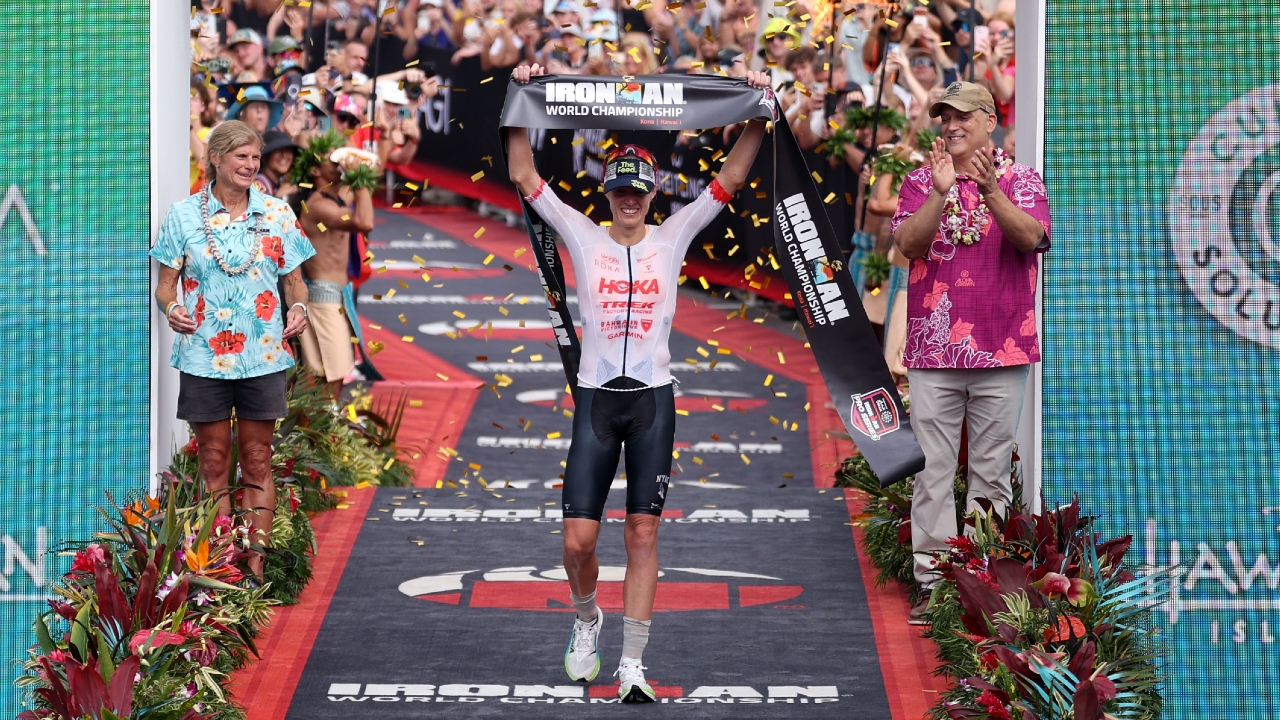
Schoeman also drew a comparison with the dramatic closing stages of this year’s IRONMAN World Championship in Kona, where Solveig Løvseth’s bid to retain her title unravelled within the final kilometre.
Referencing her collapse while leading, he highlighted how quickly an endurance race can change, even after hours of competition.
“That’s a brutal reality of endurance sport. You can race for hours, but until you cross that finish line, the race is not over.
“The finish line is where the winners are made, and in Cozumel, I crossed that finish line first.”
His decision to speak out brought an immediate wave of support. Within the first 12 hours, the Instagram post had attracted more than 20,000 likes and 1,000 comments, with many offering encouragement. Jonny Brownlee was among those who liked it.
Schoeman ended his account with a clear message about both his performance that day and how he wants to move forward.
“I can’t control the story people choose to tell about me, but I know what happened that day. I know what it took to win, and I have absolutely no regrets on how I raced.
“Cozumel was one of my biggest victories, and after 10 years, I’m finally ready to be proud of it again.”