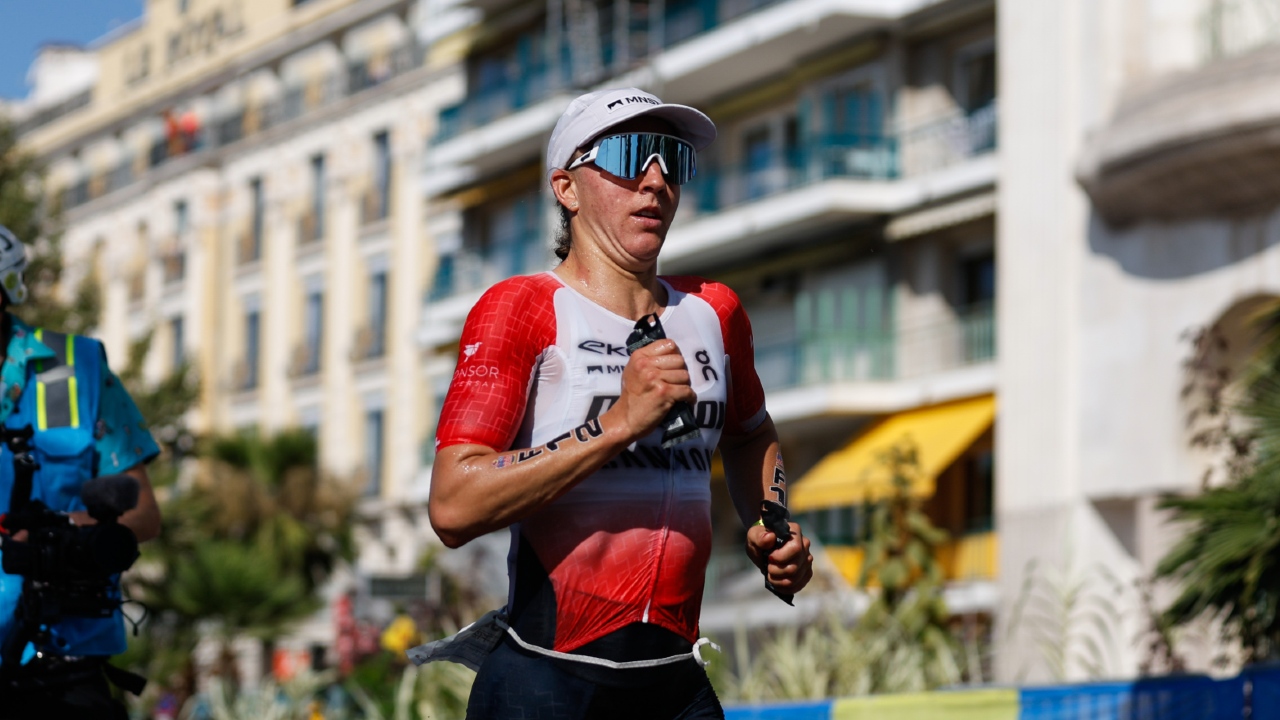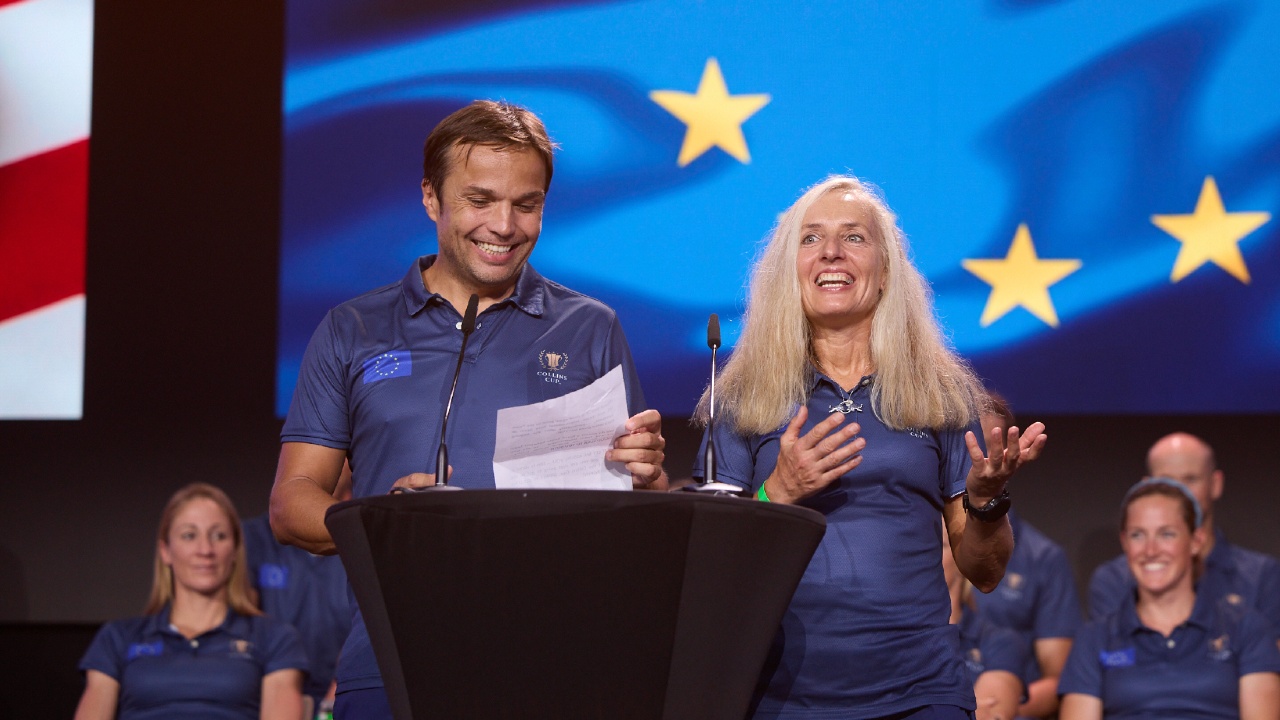




Women will account for just over a quarter of the registered age-group field at Saturday’s IRONMAN World Championship in Kona, bringing renewed attention to a qualification system which underwent significant changes during its first season.
IRONMAN’s official media kit lists 635 women among 2,427 age-group athletes – a female share of 26.2%.
The figures come as men and women return to racing on the same day in Kona for the first time since 2019, following years of separate championship races.
That return prompted a major debate over how the available places should be divided, followed by the introduction – and subsequent revision – of a performance-based qualification system.
From modelling to a mid-cycle rethink
When IRONMAN announced the new system in July 2025, CEO Scott DeRue said modelling based on previous races suggested women would account for between 30% and 40% of the World Championship field.

That was higher than their roughly 20% share of global IRONMAN starters cited at the time.
The original approach awarded automatic places to age-group winners, with remaining slots distributed through a combined performance pool. Athletes were ranked against benchmarks for their age and gender.
But the early results prompted a rethink. In November, IRONMAN revealed that women had received just 4% of performance-pool slots during the first third of the qualifying cycle.
That figure applied specifically to the performance pool, rather than all qualifying places. Women were also earning automatic age-group slots.
Following calls for change, including a petition led by six-time world champion Mark Allen, IRONMAN announced separate men’s and women’s performance pools. The number of places in each would reflect eligible age-group starter representation at each qualifying race.
Automatic places rolling into the performance pool would also remain within gender, with retrospective allocations announced for races already completed.
What does the final field tell us?
This year’s 26.2% female age-group representation sits below the range discussed when the original system was launched.
However, the system subsequently changed, and registration figures alone cannot establish how the revised approach performed.
There is a distinction between earning a qualifying opportunity, accepting a slot and ultimately registering to race in Hawai‘i. The field also includes athletes entering through routes such as the Legacy programme.
IRONMAN’s November review identified higher slot-decline rates among women and suggested that the timing of the 2025 women’s championship in Kona had affected who was available to contest early qualifying races.
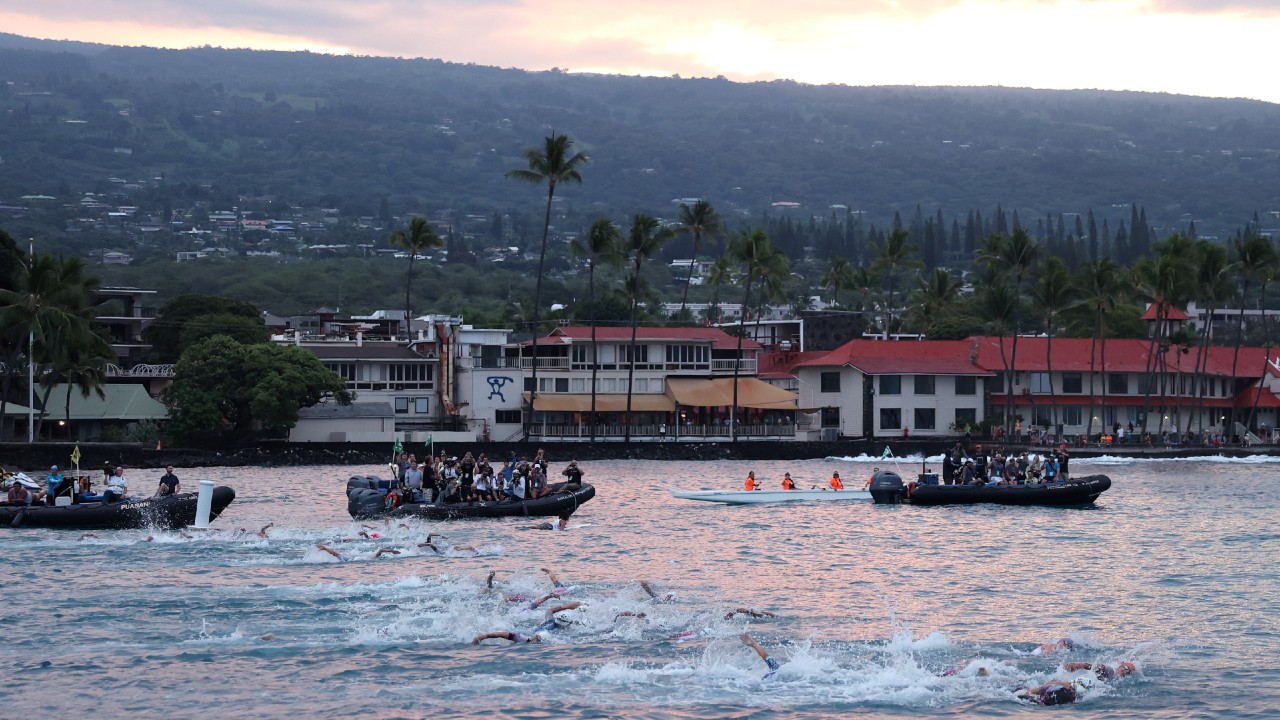
The unanswered questions now concern the full cycle: how qualifying opportunities were distributed, how acceptance rates compared and how other entry routes contributed to the final field.
Questions for IRONMAN
TRI247 has approached IRONMAN for its assessment of the outcome and requested the final qualification and acceptance figures for women and men.
We also asked what proportion of eligible qualifying-race starters were women, how the retrospective allocations played out and whether further changes are planned for Kona 2027.
Those answers would help establish what the revised system delivered – and what more could be done to grow women’s participation in the sport.
We are still awaiting a full response.