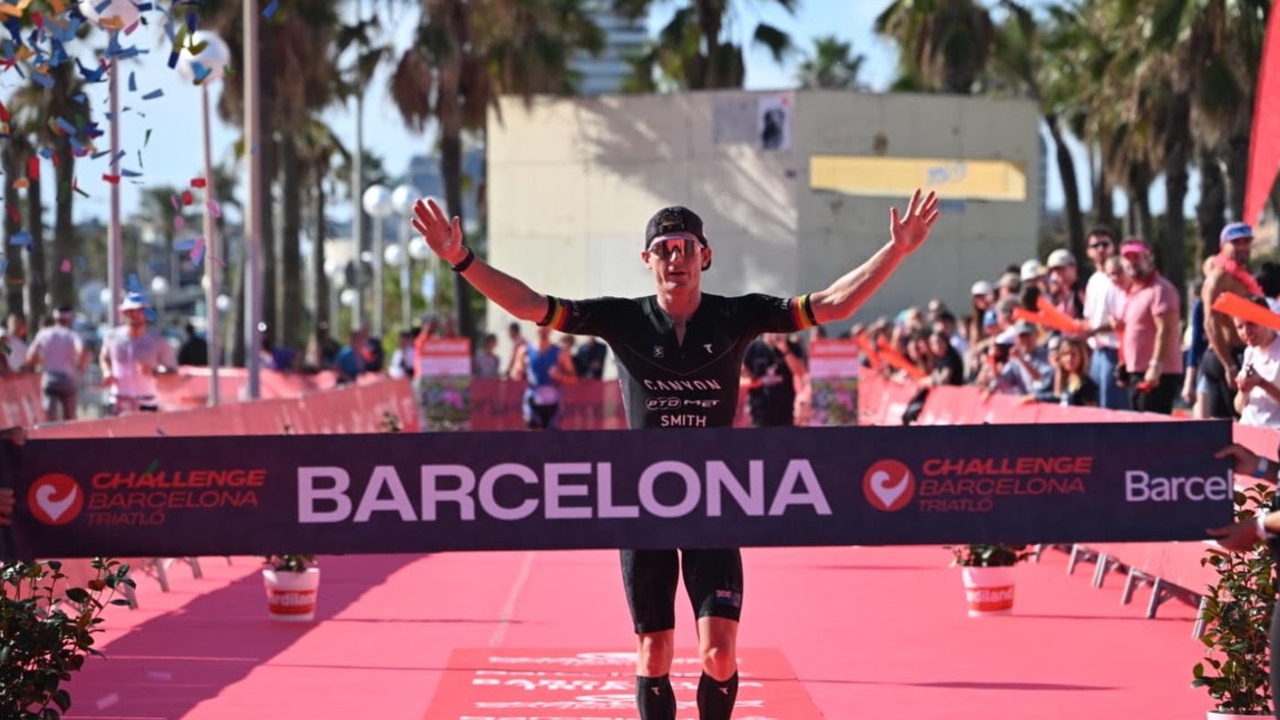



Finishing third at the IRONMAN World Championship would be an extraordinary achievement in its own right. Matthew Marquardt did it while also studying medicine.
Now the American has shared the philosophy that helped him reach the Kona podium while pursuing a demanding career beyond triathlon – and his answer to the question “How do you do it all?” starts with three clear priorities.
Close relationships, medical school and triathlon come first. Everything else fits around them.
But alongside explaining how he organises his life, Marquardt offered a reminder about the potential cost of ambition: “A world title isn’t worth a divorce or a health crisis.”
“Priority management, not time”
Writing on Instagram, Marquardt explained why his approach centres on principles that can adapt to changing circumstances.
“As a professional Ironman triathlete and medical student, I always get asked ‘How do you do it all?’
“The secret is a lot more bland than you’d think… Specific tips or routines do great as click bait, but they are static and don’t adapt to the variability of life. Principles are much more powerful because they inform decisions.”
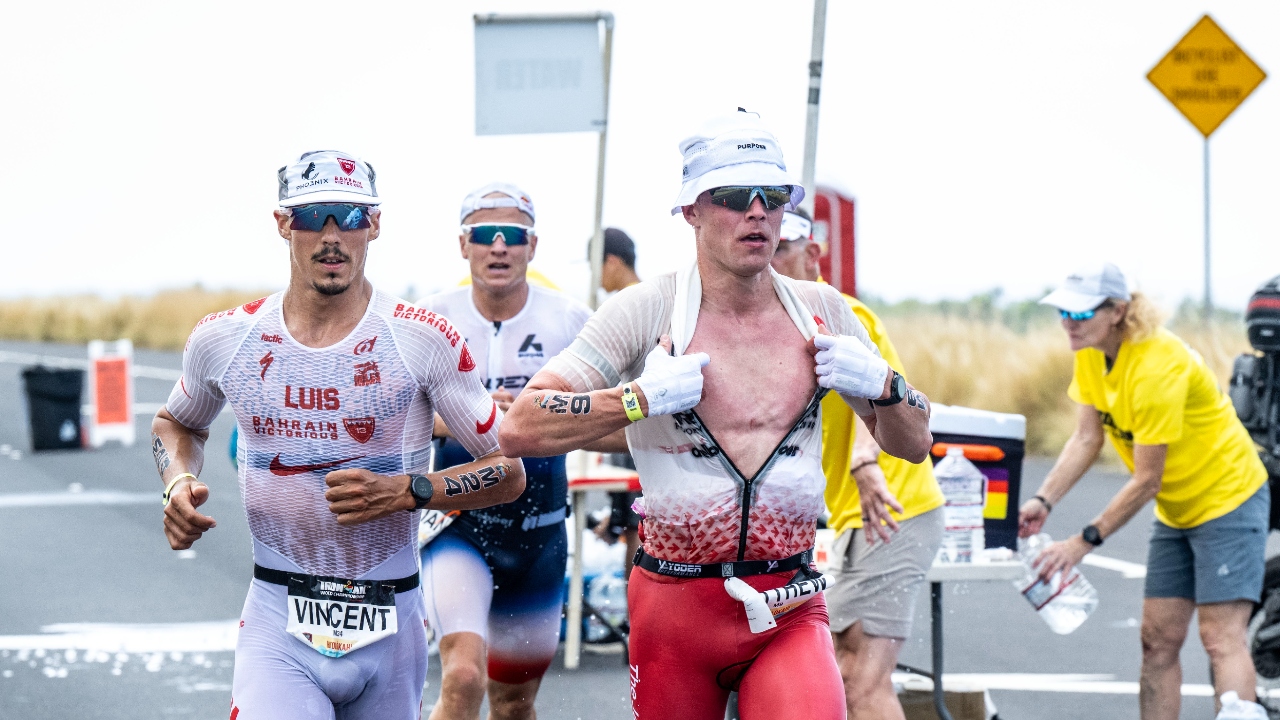
For Marquardt, one principle has guided every meaningful decision he has made in recent years.
“Time management is about priority management, not time.”
That means accepting a limit on how many things he can realistically pursue at once.
“I have found that I get 2–3 priorities that always come first. Then everything else gets slotted in afterwards,” he explained.
“If I try to balance more than 3 at once, things start to fall apart. On the flip side, if I focus only on one thing, there will be consequences to other aspects of life.”
Three priorities, changing demands
Marquardt identifies his three priorities as close relationships, medical school and triathlon, but their relative importance can shift with the demands of the day.
“I generally hold all of these equal, but the exact order changes by hour, day, and month,” he wrote in the slides accompanying his post.
In practice, that means making time for three things before anything else: the day’s workouts, his nearest academic deadline and time with his partner Sarah.
Other commitments are then fitted around those.
Marquardt also acknowledged that putting the principle into practice remains something he is working on.
“The part that took me the longest to learn… if you constantly feel like there isn’t enough time in your day, the problem usually isn’t time. It’s that your priorities and actions aren’t in sync.
“This takes practice and I’m still mastering it.”
A career beyond the finish line
The scale of Marquardt’s commitments makes that approach particularly striking.
A medical student at Ohio State University, he has ambitions to become a head and neck cancer surgeon.
His interest in medicine also has a personal foundation. A collegiate swimmer at Princeton, Marquardt experienced fatigue and declining performances before being diagnosed with sleep apnoea. He has credited that experience with helping inspire his decision to become a physician.
Cancer awareness is woven into his sporting life too, including carrying the initials of people affected by the disease on his race bike and supporting research fundraising through Pelotonia.
His third place in Kona therefore represents one part of a much broader set of ambitions.
“No finish line is worth that tradeoff”
For all the discipline involved, Marquardt’s message also places enjoyment at the centre of the process.
“Find joy in the process, not just the destination,” he wrote.
“If the only joy is the finish line, then 99.9% of life will feel like a burden and no finish line is worth that tradeoff.”
And he warned that the same focus which helps an athlete achieve a goal can carry consequences if it becomes too narrow.
“Chase a singular priority too hard and there will be consequences. A world title isn’t worth a divorce or a health crisis (mental or physical).”
Marquardt was also clear that his circumstances differ from those of athletes bringing up children.
“I don’t have children (yet) and won’t pretend what I do is the same as a parent triathlete,” he wrote.
“I have so much respect for parents who also do triathlon. While the principle behind managing priorities is the same for you, it is much different in practice due to the constant variability that kids bring.”
Having explained what works for him, the Kona podium finisher left his followers with a question of their own.
“What are your priorities? And more importantly – does your calendar reflect them?”