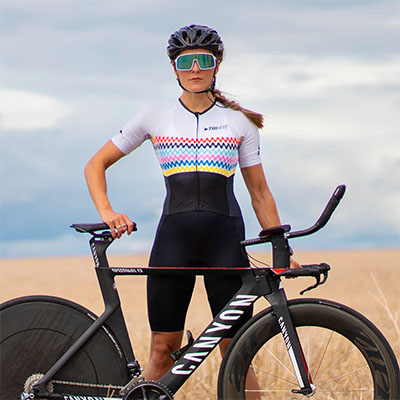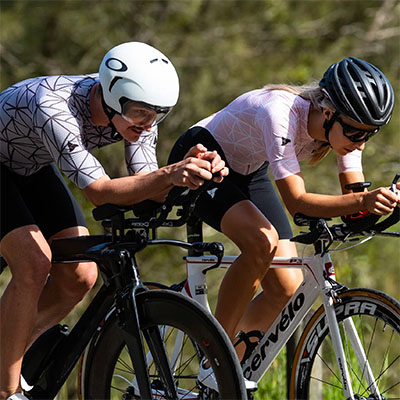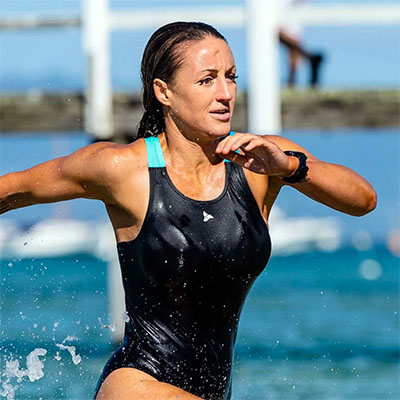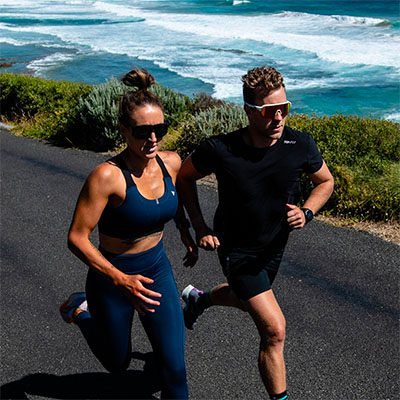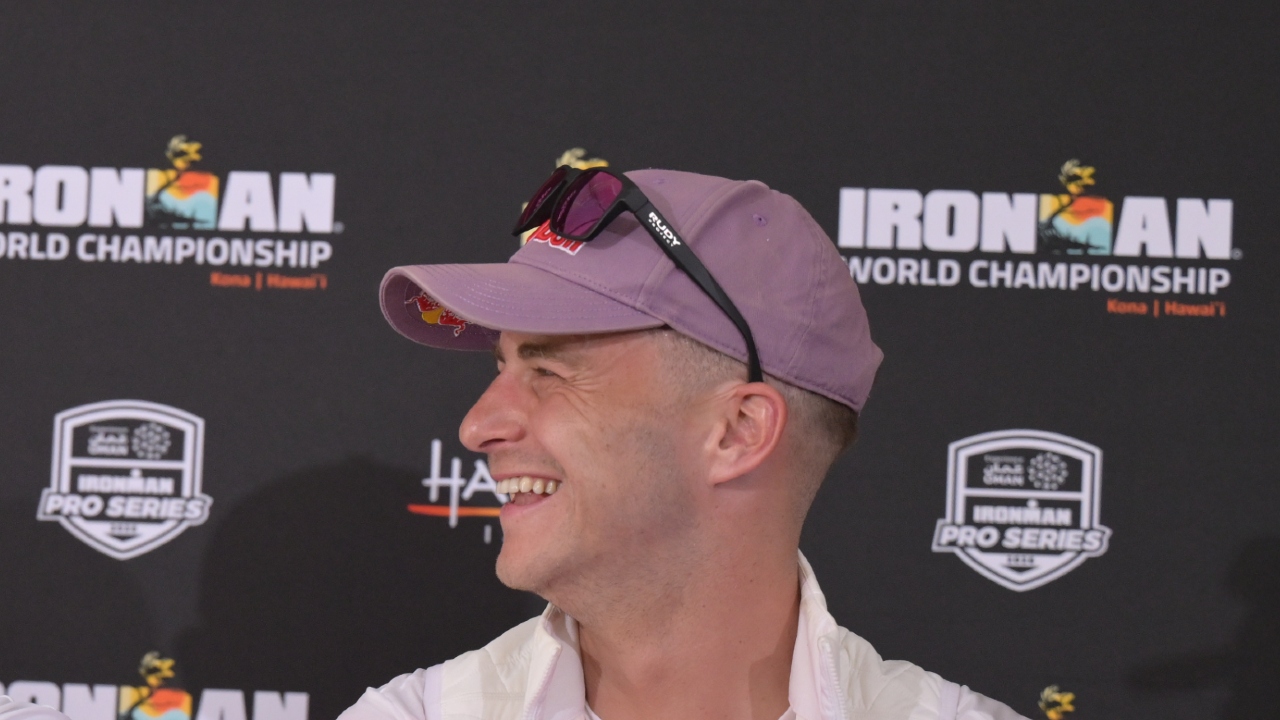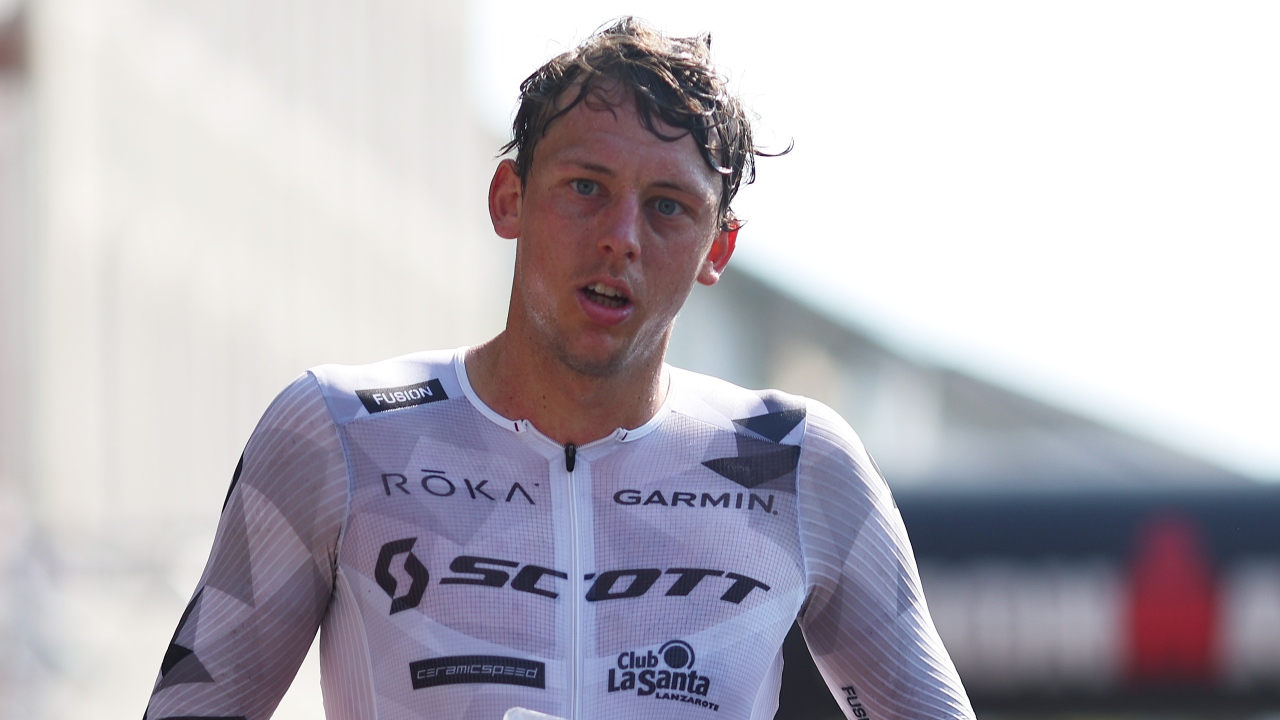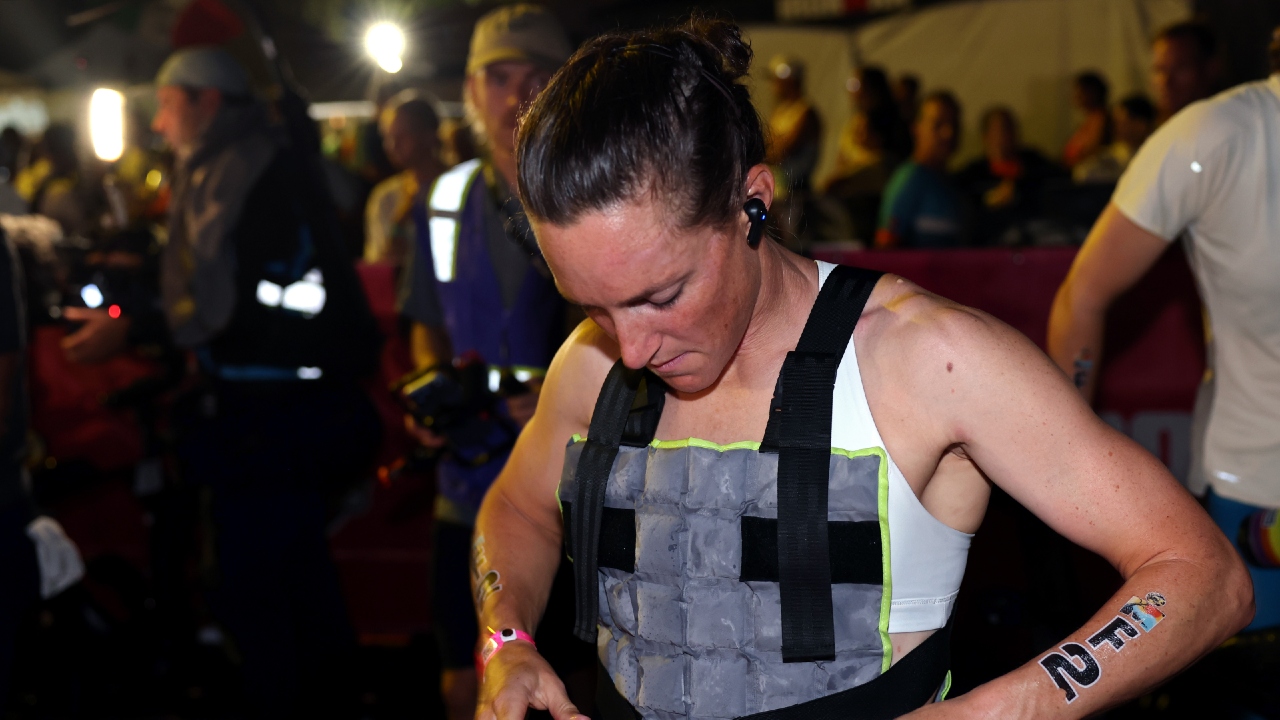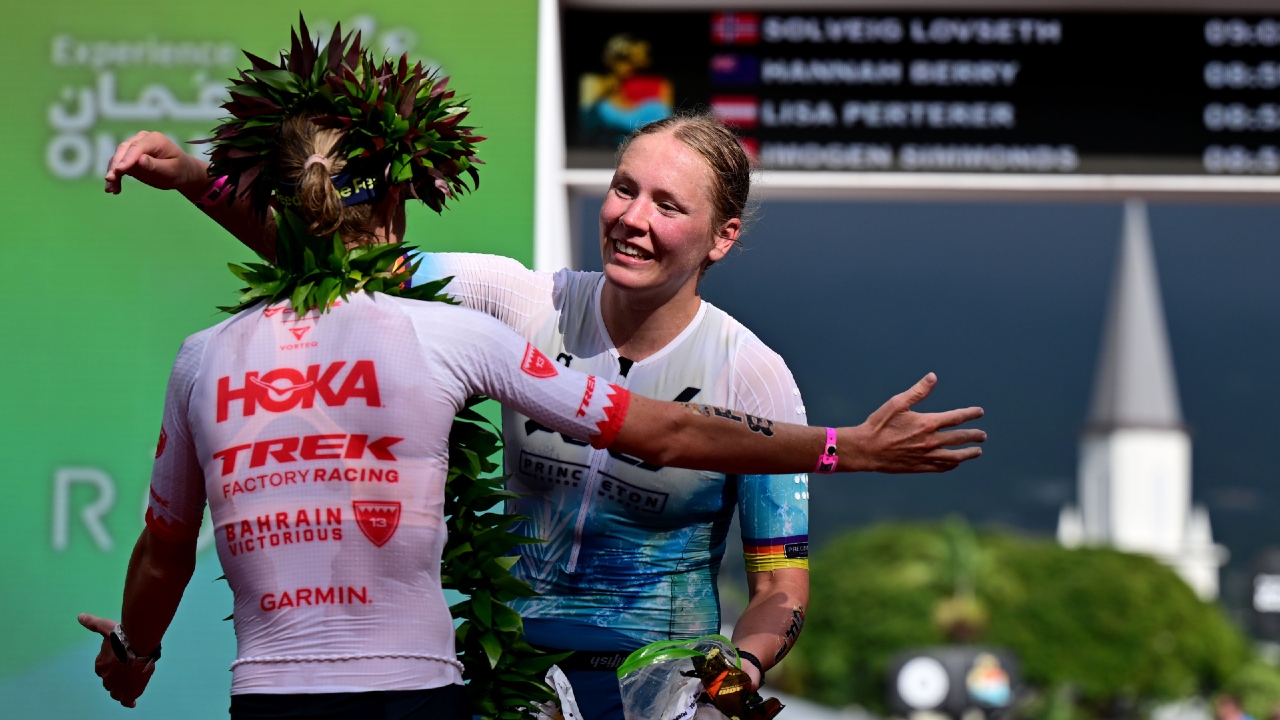




With a new look and an unprecedented prize purse, the Supertri Pro Series Final takes place in Jersey this weekend, kicking off what promises to be a thrilling end-of-season battle for honours among the biggest names in world triathlon.
With the IRONMAN 70.3 World Championships to come next week, and the likes of Kona, T100 and WTCS all showcasing the best of their best in the coming months, it is perhaps fitting that this short-course thriller should serve as a must-watch opener.
Big names, big money and big crowds are expected in Jersey on Sunday, and as we continue our build-up to the action here in TRI247, we’ve pulled together the six key things that you need to know before the action gets underway.
1: The showdown everyone has been waiting for
Alex Yee (GBR) and Hayden Wilde (NZL) have produced some of short-course triathlon’s most memorable battles over the years, but they have not raced one another since the WTCS French Riviera in August of last year… and how we have missed their epic tussles.
From Yee famously recovering a 14-second deficit on the run to beat Wilde by six seconds at the Paris Olympics to the Brit star then edging his Kiwi rival by a single second at the 2024 Supertri Grand Final, the duo have had some truly incredible battles.
Indeed, Yee has had the best of it whenever these two have met, also coming out on top when they faced one another at the 2022 Commonwealth Games in Birmingham – a race which also saw a certain Australian finish behind them in third.

And again, on Sunday, this will not simply be another two-man duel, with reigning world champion Matt Hauser having emphatically established himself among the sport’s biggest names during a recent period when Wilde focused on 70.3 and T100 glory, and Yee took on the challenge of marathon competition.
Hauser won his opening three WTCS races of 2026 but arrives in Jersey after a crash that contributed to a tenth-place finish in Weihai – his first result outside the top two all season. Yee, meanwhile, was only 14th on his WTCS return in London and is clearly lacking form.
As for Wilde, this weekend represents a remarkable run of four major September races for the New Zealander – as he also seeks 70.3, T100 and WTCS glory – and if he ever needed any extra incentive to make sure this was the one title he secured, then having his old rivals Yee and Hauser lining up alongside him will certainly be it.
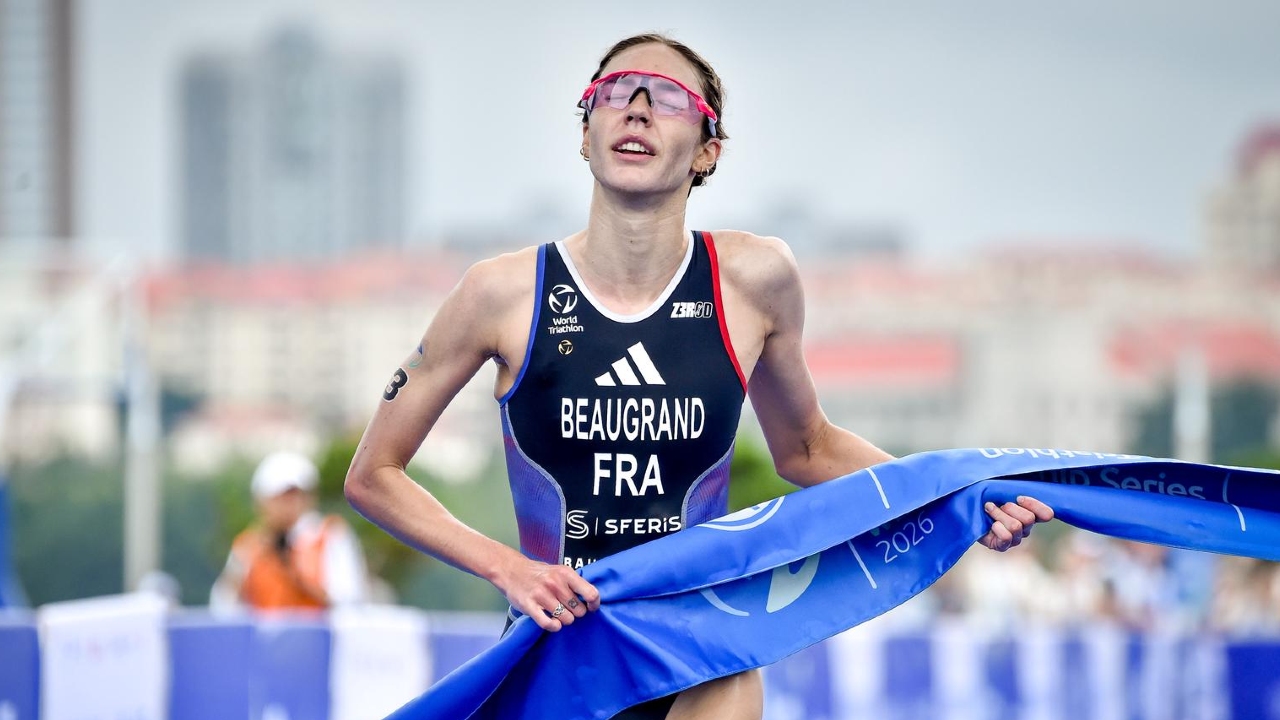
2: Can anyone stop Cassandre Beaugrand?
While the men’s race appears wide open, French superstar Cassandre Beaugrand will have arrived in the Channel Islands this week as the clear favourite in the women’s event after producing a perfect WTCS campaign to date.
The 2024 Olympic champion has won all four of her Series appearances in 2026 and now sits at the top of the standings with the maximum 4,000 points, placing her firmly in control of the championship race ahead of Karlovy Vary and the Series Final in Pontevedra.
Her devastating running speed makes her particularly dangerous over Supertri’s repeated short stages, but she cannot afford to wait until the final run to make her move. Poor positioning, a slow transition or missing the right bike break can be punished far more severely in this format than in a conventional sprint or Olympic-distance race.
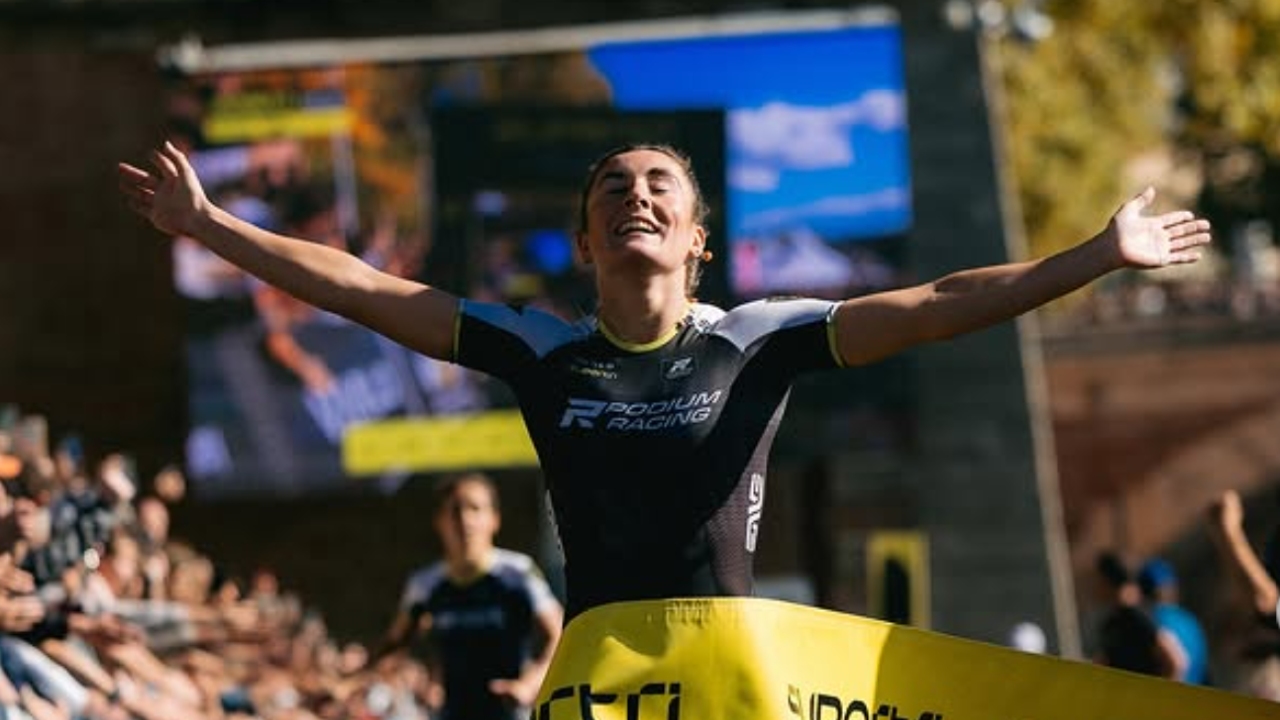
Jeanne Lehair (LUX) should provide a major threat after winning the 2025 Supertri title and taking victory in Jersey last season, while Jolien Vermeylen (BEL) demonstrated her suitability to fast, aggressive racing with an emphatic win at Blenheim Palace in June.
Fellow French racers Léonie Périault and Emma Lombardi, as well as Britain’s Georgia Taylor-Brown, add further strength to a field containing five women currently inside the WTCS top nine.
3: Georgia Taylor-Brown back in familiar territory
Georgia Taylor-Brown may not arrive with Beaugrand’s current winning momentum, but nobody has truly mastered Supertri racing as consistently as the British star, and she certainly knows how to win these short, pacy races where every second counts.
GTB is the only athlete to have won three overall Supertri titles, claiming the crown in 2021, 2022 and 2024, and has repeatedly shown the all-round ability and tactical awareness demanded by the format.

The 2020 world champion and three-time Olympic medallist also has encouraging recent form. She currently sits seventh in the WTCS standings after returning to the upper reaches of short-course racing and is fifth in the PTO world rankings following her impressive transition into T100 competition.
There is also unfinished business for Taylor-Brown in Jersey. She was in contention for victory there last year before Lehair made the decisive move in the final transition and broke clear.
A return to an event she knows so well will show whether Supertri’s most successful athlete can still impose herself on its newest generation.
4: The qualifiers taking on the superstars
The revamped 2026 competition has provided a pathway into the Final through three qualifying races in Austin, Blenheim Palace and Toronto. The first three eligible finishers of each gender at those events earned the chance to line up alongside Supertri’s central roster of Olympic and world champions in Jersey.
Oliver Conway is perhaps the most dangerous of those qualifiers. The young Briton produced the breakthrough performance of the series by winning at Blenheim Palace, holding off Canada’s Charles Paquet and Australia’s Luke Willian. With Paquet subsequently ruled out through injury, Willian – currently fourth in the WTCS standings – may also be capable of disrupting the anticipated Yee-Wilde-Hauser battle.
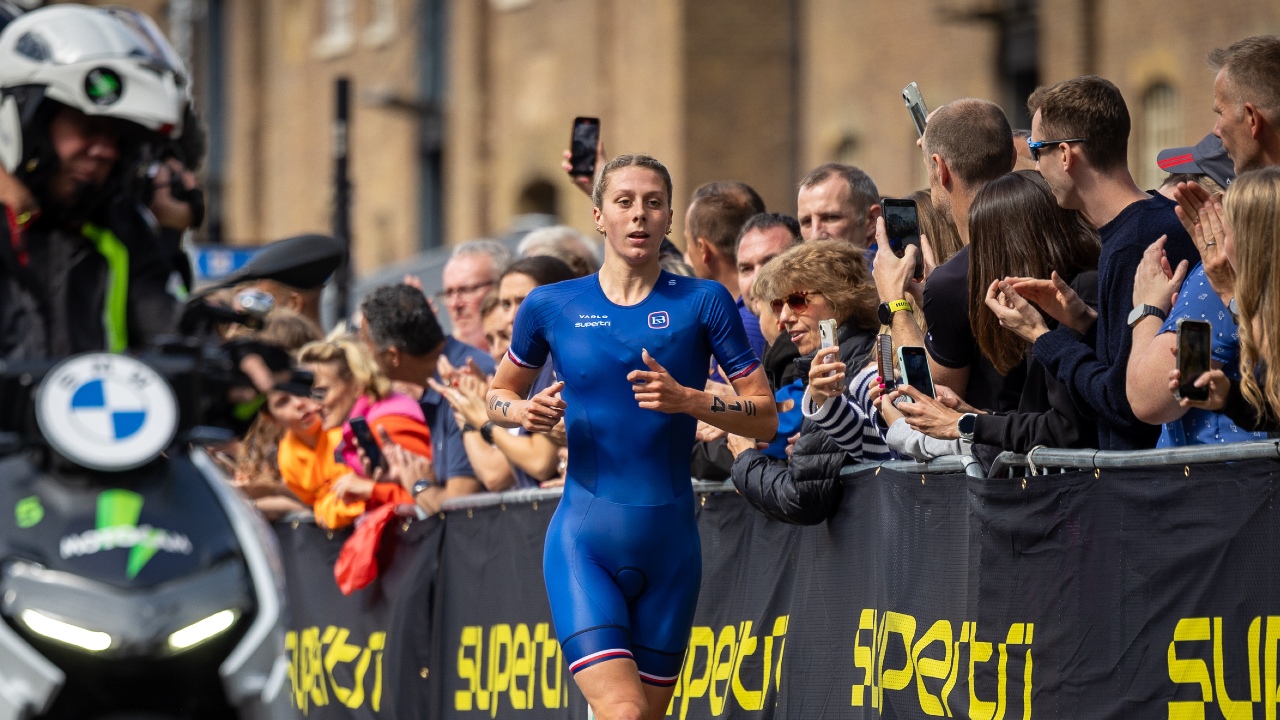
Solomon Okrafo-Smart, Olivia Mathias and Eve Whitaker provide further British interest, while the likes of Matthew McGoey, Carter Stuhlmacher and Annie Fuller will be given a rare opportunity to measure themselves against some of the biggest names in the sport.
This is also where the 90-second elimination rule becomes especially relevant: surviving long enough to reach the decisive third stage would itself represent an impressive result for some of the less-experienced qualifiers.
5: Survival could be as important as speed
The Final will comprise three uninterrupted rounds of a 300m swim, 4km bike and 1.6km run, producing a total of 900m in the water, 12km on the bike and 4.8km on foot. Those distances may sound short, but athletes must negotiate eight transitions during approximately 55 minutes of flat-out racing.
Anyone falling 90 seconds behind the leader at the end of an individual lap will be shown the yellow elimination flag and removed from the race.
That prevents dropped athletes from forming separate groups and means a mistake during the opening stages can end someone’s afternoon long before the finishing straight.
The Short Chute adds another tactical dimension. Athletes can earn a shortcut during the race, but it can only be used on the first lap of the third and final run. It may appear to offer only a small advantage, but in an event regularly decided by seconds – or fractions of a second – it could completely alter the battle for the $100,000 first prize.
6: Triathlon’s richest single day
The strength of the fields is explained, in part, by the extraordinary prize fund. A total of $800,000 will be shared equally between the men’s and women’s races, making it the richest single day in triathlon this season.
Each winner will receive $100,000, with $75,000 for second and $60,000 for third. The money extends to tenth place, which is worth $14,000, meaning there will still be a great deal at stake well after the podium positions have been decided.
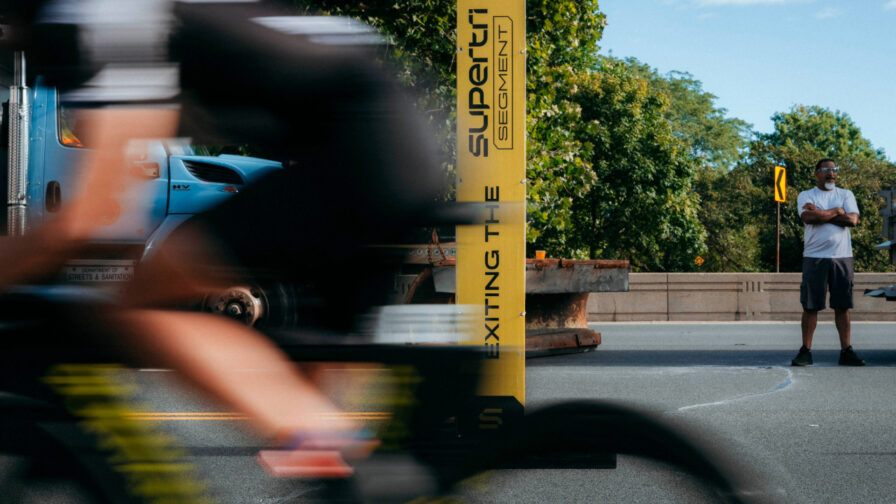
The figures are particularly striking when placed alongside the race duration. The winners will earn roughly $1,800 for every minute of competition, although the unforgiving format leaves no opportunity to conserve energy or recover from a significant mistake.
For the younger qualifiers, even reaching the top ten could produce the biggest payday of their careers.
For a full preview of the weekend’s racing, click HERE.