

Fueling for a triathlon is about maintaining energy availability across swim, bike, and run without overwhelming the gut. It combines pre-race nutrition, in-race carbohydrate intake, hydration, and electrolytes. Get it right and performance stays stable. Get it wrong and pace drops quickly, especially in longer races.
What Triathlon Fueling Actually Means?
Triathlon fueling is the process of supplying carbohydrates, fluids, and electrolytes before and during the race to sustain energy production. Carbohydrates are the primary fuel source for moderate to high-intensity efforts. Glycogen stores are limited, so they must be supplemented during racing. Hydration and electrolytes support fluid balance, temperature regulation, and muscle function.
Fueling is not optional, it is a core part of performance.
Why Fueling Matters for Performance?
- As race duration increases, glycogen stores deplete.
- Once depleted, the body is forced to slow down.
- Even in shorter races, poor fueling leads to reduced power output and increased perceived effort.
- Fueling allows you to maintain pace, delay fatigue, and execute your race strategy effectively.
- It also directly affects how well you transition from bike to run.
Pre Race Fueling Strategy
- Fueling starts before race day.
- The goal is to begin the race with full glycogen stores and stable blood glucose levels.
- The final meal should be rich in carbohydrates, moderate in protein, and low in fat and fibre to aid digestion.
- Timing matters.
- Eating too close to the race can cause discomfort, while eating too early can leave you under-fueled.
This is where understanding what to eat before a triathlon becomes essential, as pre-race nutrition directly impacts how you feel at the start line.
Carb Loading for Longer Races
For half Ironman and Ironman distances, carb loading increases glycogen stores before the race. This involves increasing carbohydrate intake in the final days leading into the event while reducing training volume. It allows you to start with maximum energy availability, delaying fatigue during the race.
For sprint and Olympic distances, carb loading is less critical but still beneficial when done correctly.
Fueling During the Swim
There is no opportunity to fuel during the swim, so pre-race nutrition is critical. Energy levels during the swim depend entirely on what you consumed before starting.
This makes pre-race carbohydrate intake a key factor in early race performance.
Fueling on the Bike
The bike leg is where most fueling happens. It is the best opportunity to consume carbohydrates and fluids because intensity is lower than the run and digestion is easier. Carbohydrate intake should begin early and continue consistently. Typical intake ranges from forty to ninety grams of carbohydrates per hour depending on race duration and tolerance. Fluids and electrolytes should also be consumed regularly to maintain hydration and sodium balance.
This phase sets up the run. Poor fueling on the bike leads to a significant drop in performance later.
Fueling on the Run
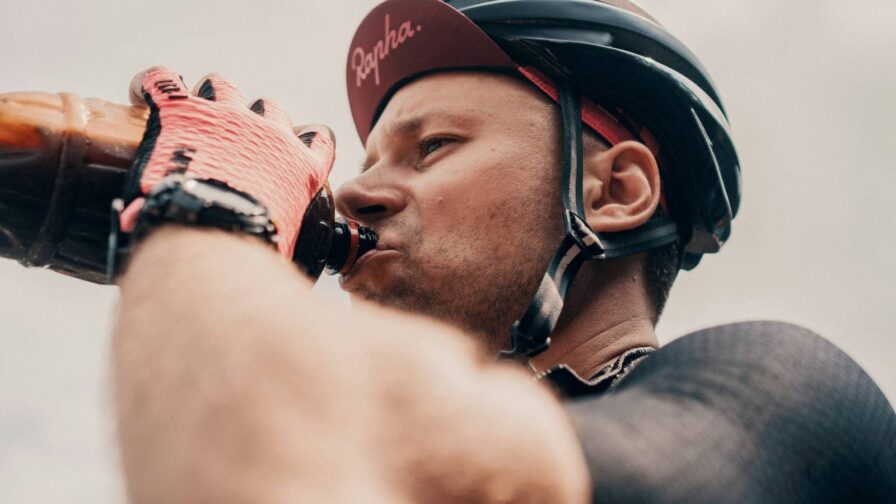
Fueling becomes more challenging on the run due to higher intensity and reduced gut tolerance. Carbohydrate intake should continue, but in smaller, more manageable amounts. Gels and sports drinks are the most practical options. Hydration remains important, but intake is typically lower than on the bike.
Maintaining energy during the run depends on how well fueling was managed earlier in the race.
Fueling by Race Distance
Fueling strategy changes depending on how long you are racing.
Sprint Distance
- Minimal in-race fueling required.
- A pre-race meal and possibly a small carbohydrate intake on the bike is sufficient.
Olympic Distance
- Moderate fueling required.
- Carbohydrates should be consumed mainly on the bike, with limited intake on the run.
Half Ironman
- Structured fueling is essential.
- Consistent carbohydrate intake and hydration are required throughout the race.
Ironman
- Fueling becomes a major performance factor.
- High carbohydrate intake, consistent hydration, and electrolyte balance must be maintained over many hours.
Hydration and Electrolytes
- Hydration supports cardiovascular function and temperature regulation.
- Electrolytes, especially sodium, help maintain fluid balance and prevent performance decline.
- Fluid intake should match sweat rate as closely as possible without overconsumption.
- Electrolyte intake should be consistent, not reactive.
For a deeper understanding of hydration strategies, applying principles from hydration strategy for triathlon helps align fluid intake with race conditions.
Types of Fuel Sources
Triathletes use a combination of fuel sources depending on preference and race setup.
- Gels for quick carbohydrate intake
- Sports drinks for combined hydration and fueling
- Chews for controlled dosing
- Bars for longer, lower-intensity bike segments
Simplicity is key. The best fuel is the one you can tolerate consistently.
Timing and Consistency
- Fueling should begin early in the race and continue at regular intervals.
- Small, frequent intake is more effective than large, infrequent consumption.
- Setting reminders or using structured timing helps maintain consistency.
- Waiting until fatigue appears is too late.
Common Mistakes
- Underfueling early leads to energy deficits that cannot be recovered later.
- Overfueling causes gastrointestinal discomfort and reduces performance.
- Relying only on water reduces energy availability.
- Trying new products on race day increases risk of failure.
- Ignoring hydration leads to fatigue and reduced output.
Practical Checklist
- Start the race well fueled
- Begin carbohydrate intake early on the bike
- Maintain consistent intake throughout
- Match fluid intake to conditions
- Include electrolytes for balance
- Use tested products only
What You Should Do?
- Practice your fueling strategy in training.
- Long sessions and race simulations are the best way to test what works.
- Track carbohydrate intake, hydration, and how your body responds.
- Adjust based on performance and comfort.
- Keep your approach simple and repeatable.
- The more consistent your strategy, the more reliable your performance.
- Fueling is not something to figure out on race day.
- It should be trained, tested, and refined in advance.