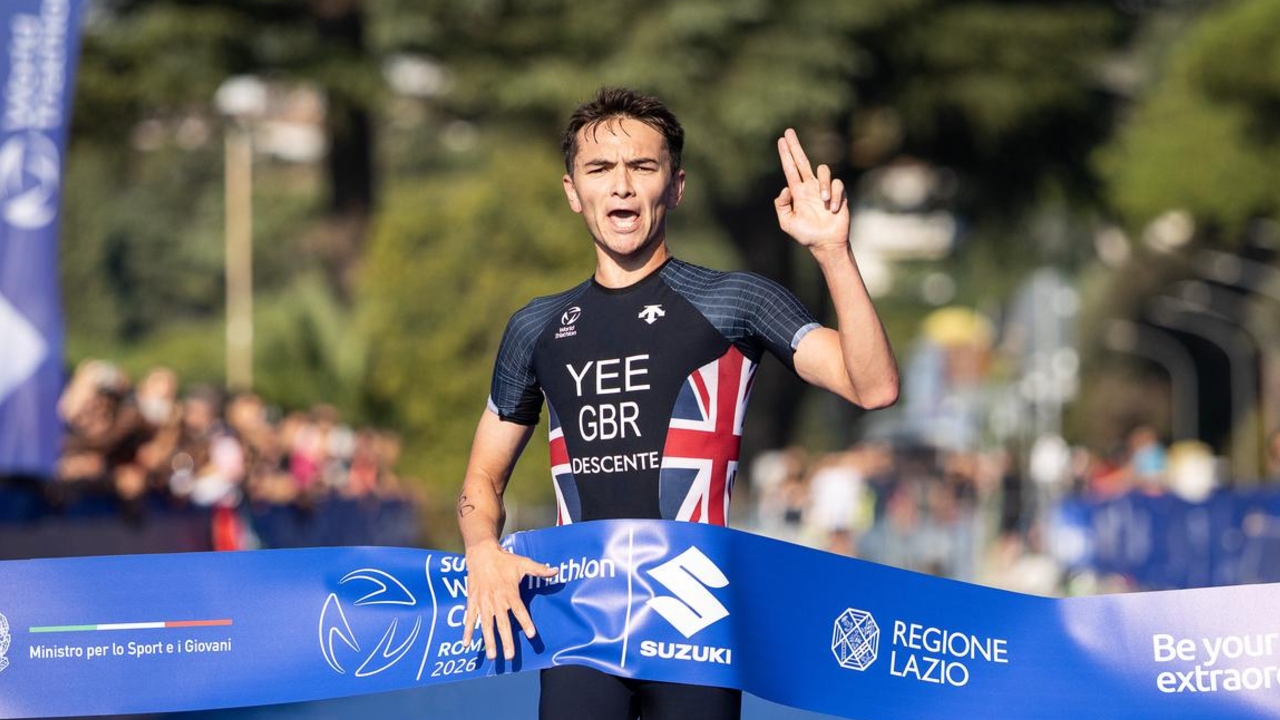





This is a preview of the event: click here to read about contrasting victories for Alex Yee and Diana Isakova in the individual races – and here to re-live a dominant Mixed Relay success for Great Britain.
Alex Yee had been set to take on newly crowned world champion Vasco Vilaça as remarkably strong fields head to the Rome World Cup this weekend, just a week after the WTCS Grand Final in Pontevedra.
But the latter has now become a late withdrawal, meaning Yee is the clear favourite for the men’s race.
And the quality extends well beyond that headline showdown, with Taylor Spivey, Tilda Månsson and Kate Waugh among the contenders in a women’s race packed with talent.
Pontevedra settled the 2026 world titles, but there is still one WTCS event to come this year – the rescheduled Abu Dhabi race in November. Before that, Rome offers another chance for established stars and emerging talents to go head-to-head, this time over the sprint distance.
Here’s everything you need to know about the racing in the Italian capital.
Start times and how to watch live
The individual races take place on Saturday 3 October 2026, with the women starting at 09:00 local time (08:00 UK, 03:00 Eastern and 00:00 Western) and the men at 11:00 local time (10:00 UK, 05:00 Eastern, 02:00 Western).
There is also Mixed Relay action on Sunday 4 October, starting at 08:30 local time (07:30 UK).
We’ve embedded the YouTube links below so you don’t need to leave this page.
The races will be shown live on World Triathlon’s streaming service TriathlonLive.io. Although the platform is a subscription service, World Cup races are free to watch.
Men’s field: Yee back for more
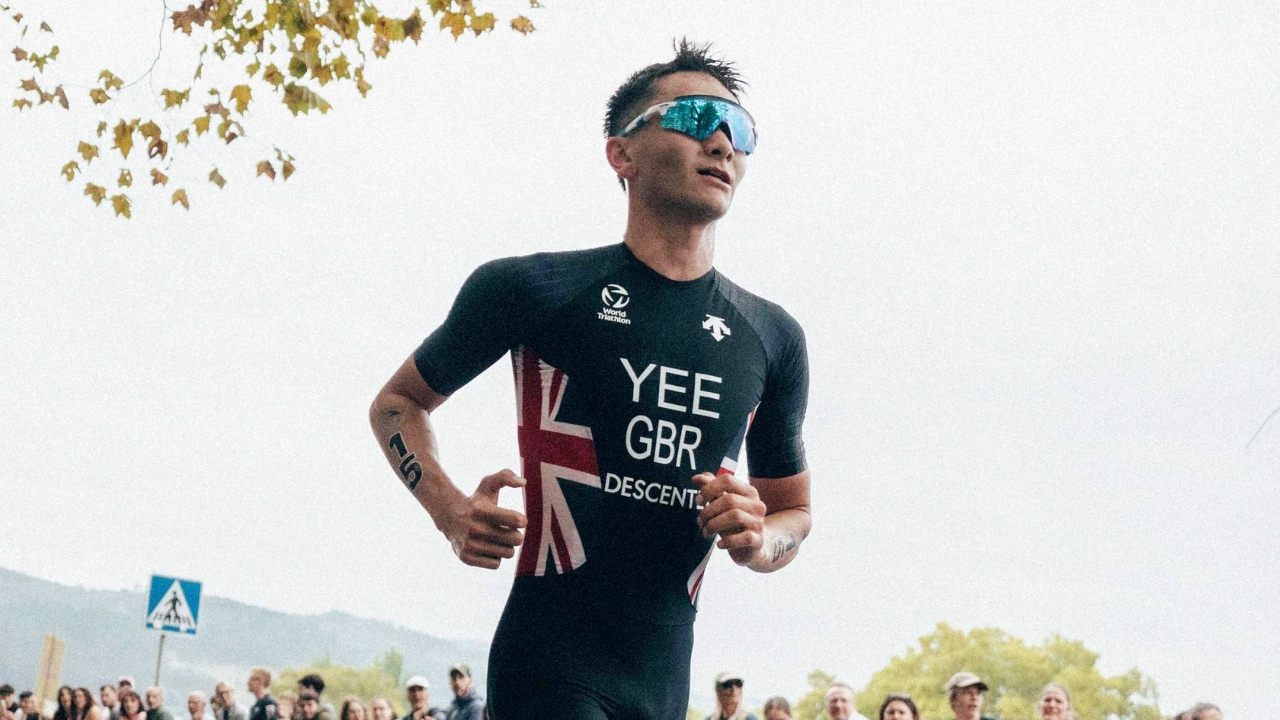
Alex Yee has roared back to form in the last couple of races.
He made up more than two minutes on the run to take second at WTCS Karlovy Vary and then almost repeated the trick as he finished third behind Matt Hauser and Vasco Vilaça in the Grand Final in Pontevedra.
Vilaça now misses out another clash but his compatriot João Nuno Batista lines up after an impressive season which included fourth at WTCS Weihai. The former junior world champion is chasing a second World Cup medal and could make his presence felt against the headline names.
Brazil’s Manoel Messias provides another major threat following the withdrawal of Miguel Hidalgo. A multiple WTCS medallist, Messias won back-to-back World Cups last autumn and has the pedigree to challenge again.
Among the emerging contenders, Britain’s Michael Gar and Hungary’s Zalán Hóbor will look to build on their respective silver and bronze medals at the World U23 Championships in Pontevedra while France’s Tristan Douche, last year’s junior world champion, makes his World Cup debut.
Last year’s Rome winner Arnaud Mengal of Belgium returns, while Connor Bentley and Solomon Okrafo-Smart add to a strong British challenge.
Women’s field: Spivey, Månsson and Szalai lead the contenders
Picking a favourite for the women’s race is trickier, with proven WTCS performers, previous Rome winners and some of the sport’s most exciting young talents all lining up.
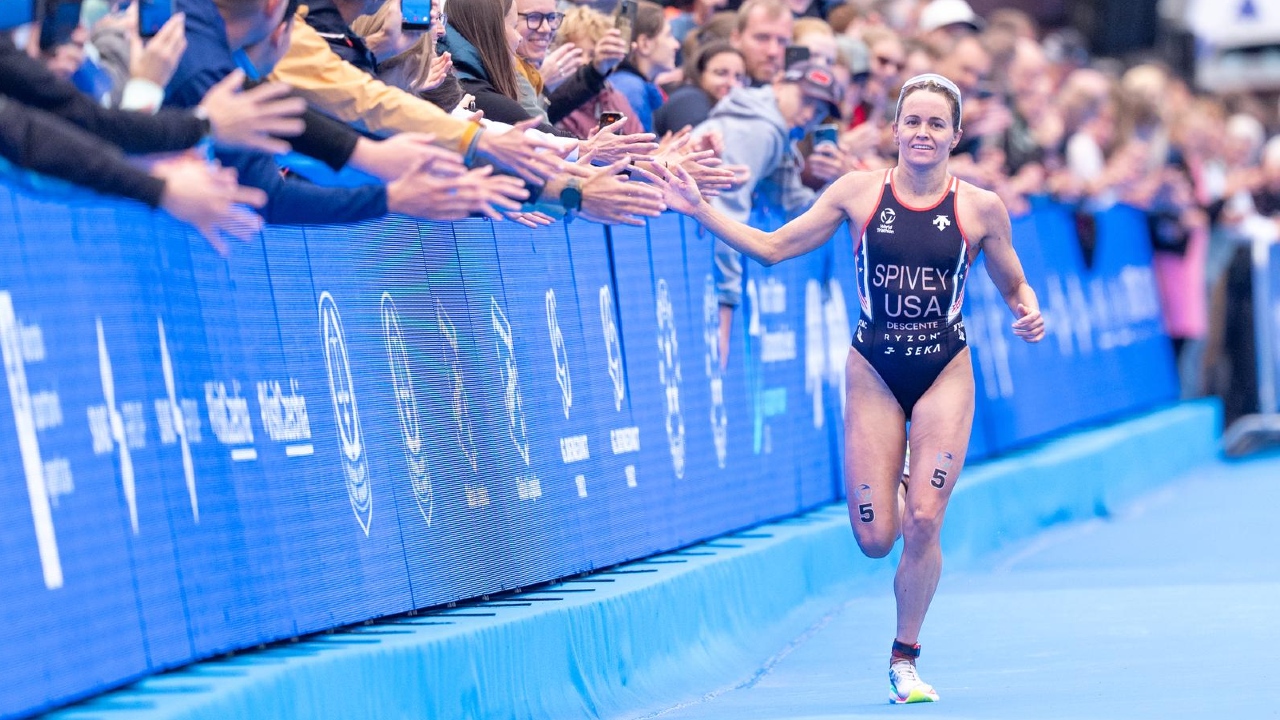
Top seed Taylor Spivey makes her first World Cup appearance since 2018 – the American was second at WTCS Karlovy Vary and will be looking to turn that form into another podium.
Sweden’s Tilda Månsson, meanwhile, has already demonstrated her winning credentials at the highest level with victory at WTCS Yokohama and will be keen to bounce back after a disappointing Pontevedra race cost her a place on the overall Series podium.
There should also have been Fanni Szalai, but she now sits this one out after her dominant junior world title triumph.
The last couple of Rome winners are also on the start list – Austria’s Carina Reicht, who won last year, and Germany’s Nina Eim who took the honours in both 2023 and 2024.
British interest is led by Kate Waugh, fresh from her WTCS podium in Pontevedra, alongside Tilly Anema and Olivia Mathias while Germany’s Laura Lindemann, fifth in Pontevedra, is another leading contender in a stacked field.
Rome World Cup course: Short, sharp and technical
Both individual races feature a 750m swim, 20km bike and 5km run, with repeated climbs and tight turns adding to the challenge.
The swim consists of one anticlockwise lap in Laghetto dell’EUR. Athletes then face a roughly 250m run to transition, including a short climb at a gradient of around 6%.
The bike comprises five 4km laps, each featuring a 400m climb at 5%. Numerous changes of direction and two 180-degree turns per lap make positioning and bike handling particularly important.
The run is two laps of 2.5km. Although generally flat, it includes the same short 6% climb used at the swim exit towards the end of each lap, along with two 180-degree turns per lap.