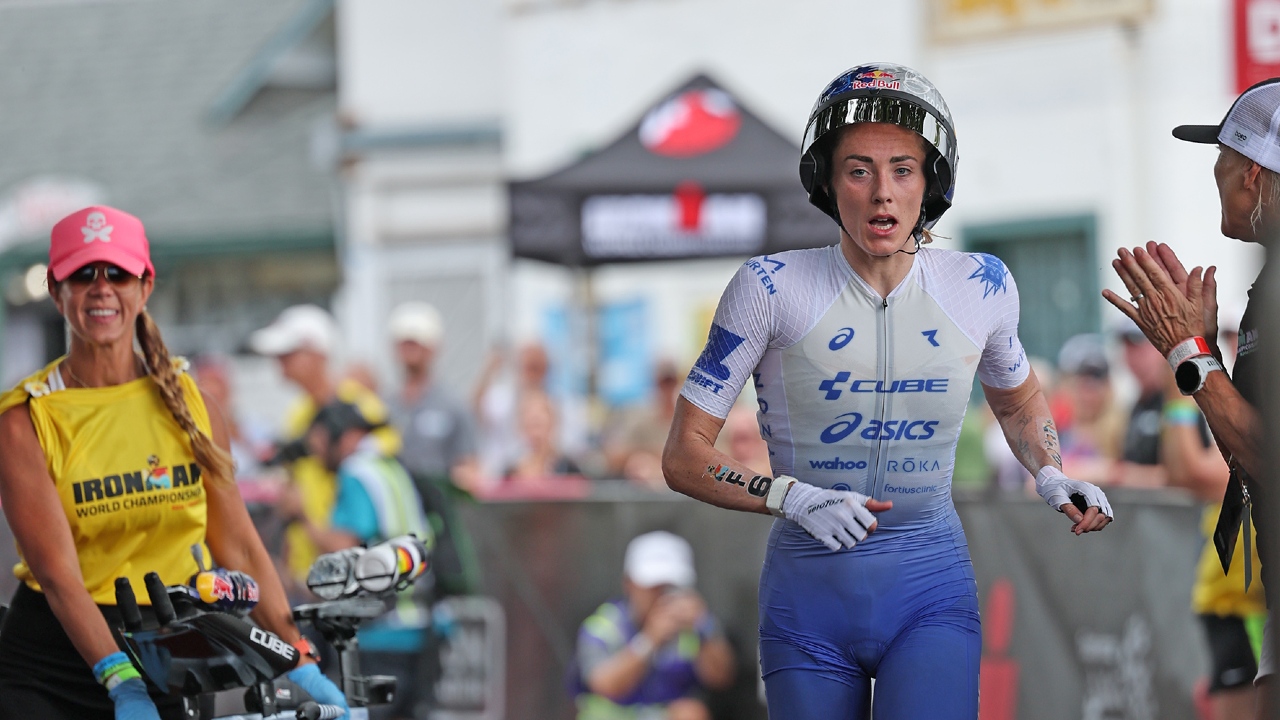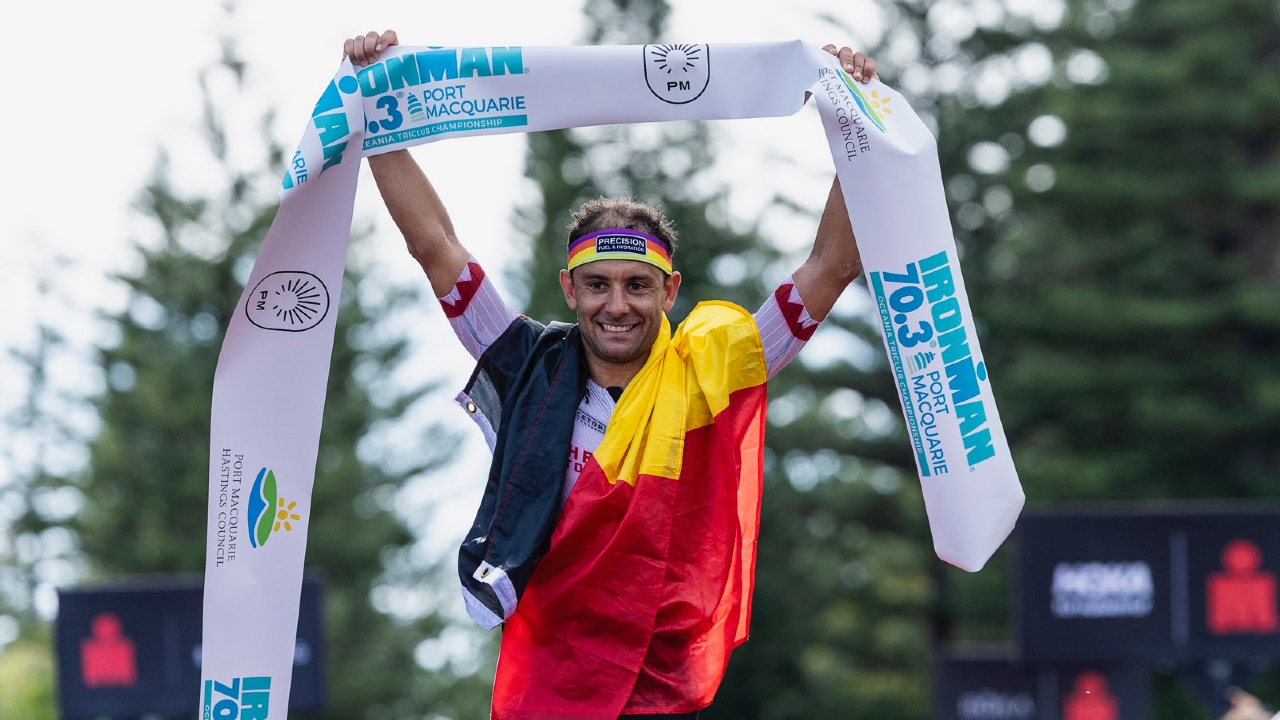




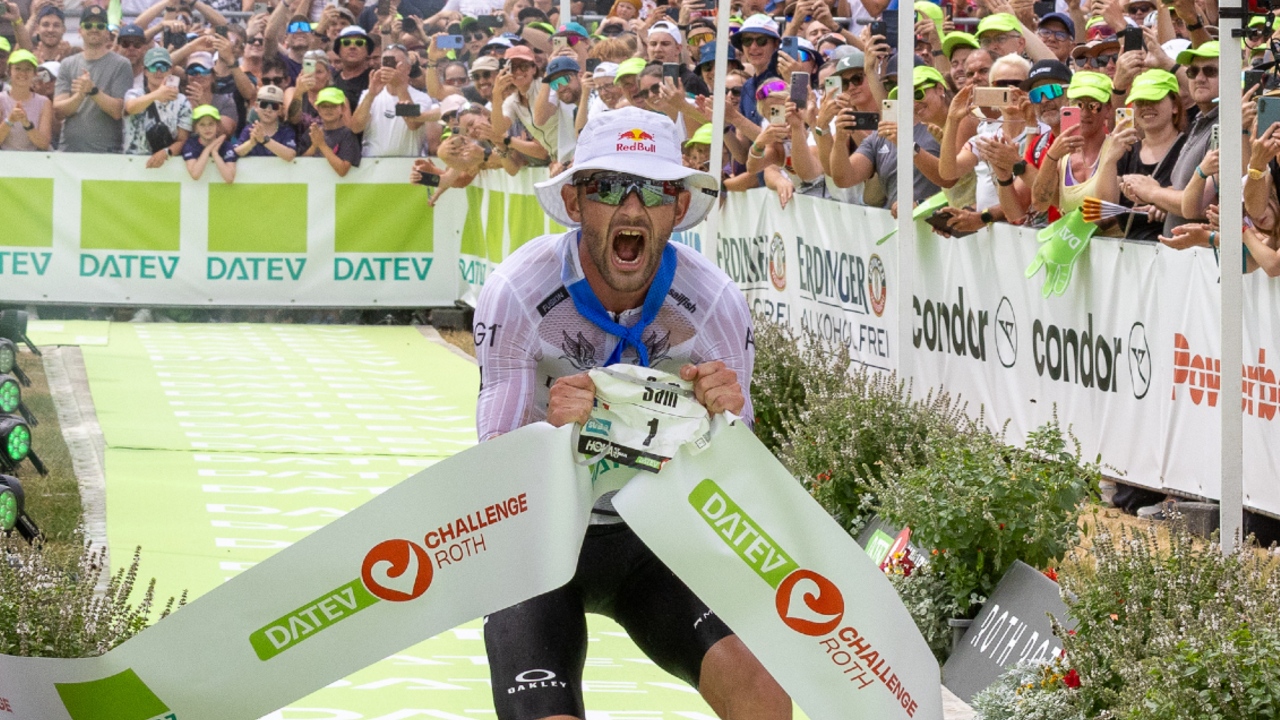
Sam Laidlow issued a plea to his fellow professionals this week, urging all those ‘that believe in a clean sport’ to join his crusade against anonymous TUEs.
Writing on his Instagram Story, the former IRONMAN World Champion expressed ‘sadness, anger, and confusion’ after reviewing the latest number of TUEs approved by the International Testing Agency.
He has now set up a petition for professional triathletes only ‘to push organisations to make TUEs public in order to compete professionally’ as he looks to change the long-standing regulations over anonymity.
Essential for athletes with ADHD or asthma
TUEs – Therapeutic Use Exemptions – are approved if an athlete has a genuine medical condition for which they require the use of a substance or substances that would otherwise be banned under World Anti-Doping Agency rules.
Set up with the belief that athletes should never be forced to choose between their health and their career, it means those with asthma, diabetes, ADHD, or even such conditions as severe allergies or bowel disease can safely use banned medication without fear of breaking regulations.
There are strict criteria for the awarding of a TUE, which can only be approved if all of the boxes are ticked. They include the following:
- The need for a diagnosed medical condition.
- There is no reasonable alternative.
- There is no significant performance enhancement.
- They are not required as a consequence of a prior doping issue.
Since 2019, the ITA has received 3,528 TUE applications from across a wide range of sports, including aquatics, tug of war, cycling, equestrian, athletics, boxing, weightlifting and biathlon. Of those applications, 2,361 have been approved, 903 were withdrawn or no longer required, and 75 were denied.
Medical records remain anonymous
Triathlon specifically has seen 78 applications between 2019 and 2025, with 54 approved, 17 not needed/withdrawn, six still pending, and one denied. The trend is increasing, with one application made in 2023, 34 in 2024, and 43 last year.
World Triathlon handed its management of the process over to the ITA in 2024, and while many agree that TUEs are a fair and safe way to regulate the need for medical support to those athletes who need it, there remains something of a trust gap.
Because these are medical records, they remain anonymous, and it is this secrecy which upsets those who believe the system could be ‘played’ by less scrupulous athletes looking for an illegal advantage.
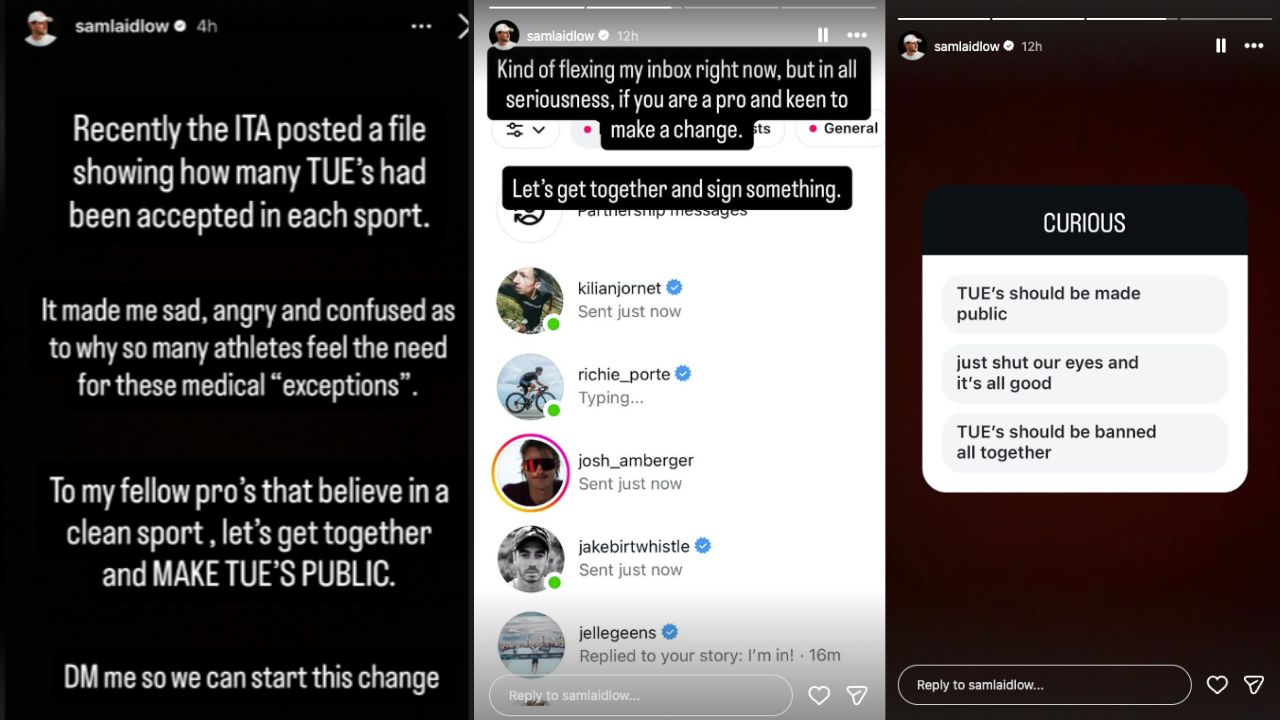
Laidlow’s Instagram Story post on Monday morning read: “Recently, the ITA posted a file showing how many TUEs had been accepted in each sport. It made me sad, angry and confused as to why so many athletes feel the need for these medical ‘exceptions’.
“To my fellow pros that believe in a clean sport, let’s get together and MAKE TUE’s PUBLIC. DM me so we can start this charge.”
Support comes from his colleagues
He followed it shortly after with another image of his inbox, complete with messages from pro athletes such as Kilian Jornet, Richie Porte, Josh Amberger, Jake Birtwhistle and Jelle Geens.
He wrote: “Kind of flexing my inbox right now, but in all seriousness, if you are a pro and keen to make a change… let’s get together and sign something.”
Health protection is essential in life; competitive integrity is everything in sport… the fine line in between can so often be the cause of discussion, frustration and doubt.
WADA regulations state that any TUE application ‘shall be dealt with in accordance with the principles of strict medical confidentiality’, meaning that any consulted independent experts and relevant staff of the Anti-Doping Organisation ‘shall conduct all of their activities relating to the process in strict confidence and shall sign appropriate confidentiality agreements’.
‘Robust medical assessment’
The ITA says: “Only a small proportion of athletes (around 1-3%) require a TUE, and no evidence shows that having one provides a performance advantage. Nonetheless, the system is sometimes the subject of public debate and media scrutiny, occasionally portrayed as a potential loophole. In reality, TUEs are based on clear regulatory principles, robust medical assessment, and rigorous implementation.”
Equestrian athletes have made the most TUE applications to the ITA, with 379 between 2019 and 2025, while cycling comes second with 332. Of cycling’s applications, 272 were approved, 33 withdraw/not needed, 13 are pending, and five were denied. The applications were mainly for stimulants such as methylphenidate to treat ADHD and glucocorticoids used to treat asthma.
Of the 78 applications made from triathletes to the ITA between 2019 and 2025, 24 were for stimulants and 18 for glucocorticoids.