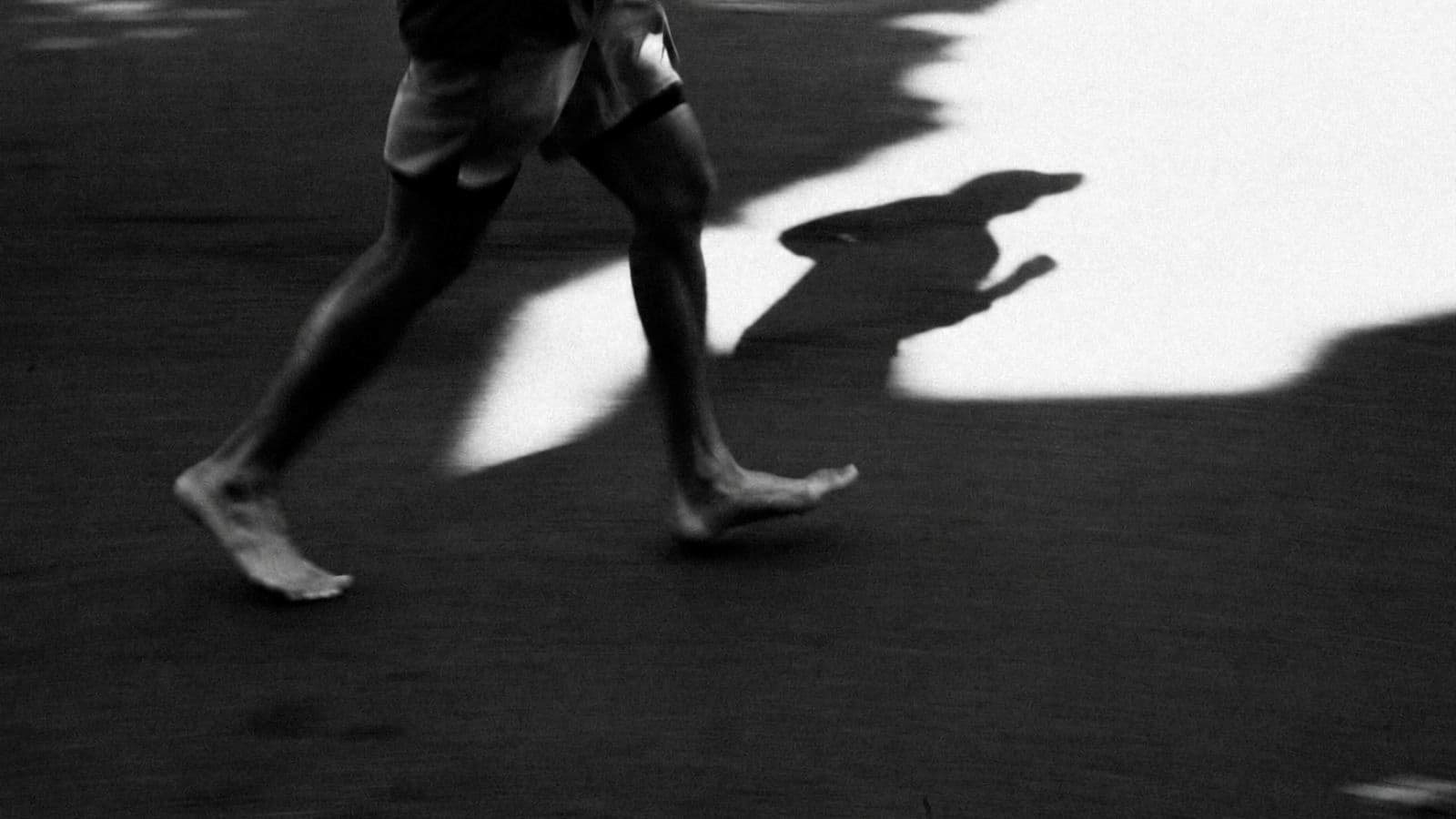


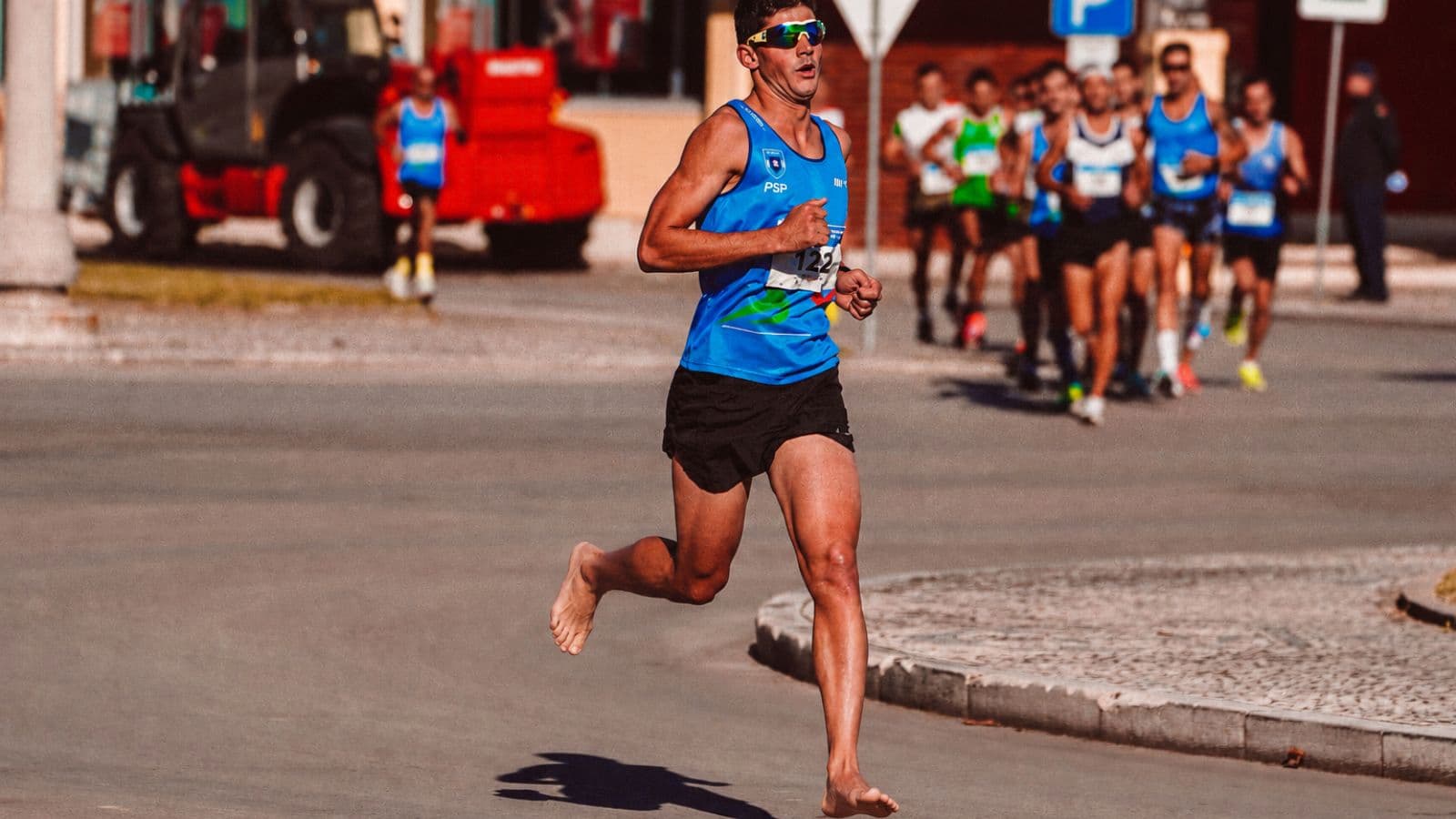
Barefoot running has become an increasingly popular topic among runners and triathletes looking to improve their technique and strengthen their feet. While some athletes run completely barefoot, others use minimalist shoes that provide minimal cushioning while allowing the foot to move more naturally. Supporters believe barefoot running encourages better running mechanics, stronger foot muscles and improved body awareness. For triathletes, barefoot running isn’t essential for success, but understanding its principles may help improve running form and foot strength when introduced carefully. The key is making gradual changes while continuing to prioritize consistent training and injury prevention.
What Is Barefoot Running?
Barefoot running simply means running without traditional cushioned running shoes.
Some runners choose to:
- Run completely barefoot.
- Wear minimalist shoes.
- Alternate between traditional and minimalist footwear.
The goal isn’t necessarily to eliminate shoes but to allow the feet to move more naturally with less external support.
Why Do Some Runners Choose Barefoot Running?
Many athletes are attracted to barefoot running because it may encourage:
- Better body awareness.
- Stronger foot muscles.
- Improved balance.
- More natural running mechanics.
- Greater foot mobility.
For some runners, it also provides a different sensory experience that helps them focus on technique.
Potential Benefits
When introduced gradually, barefoot running may help improve:
- Foot strength.
- Ankle stability.
- Running coordination.
- Ground contact awareness.
- Balance.
These improvements can support overall running efficiency when combined with sensible training.
Barefoot Running Doesn’t Automatically Improve Technique
Simply removing your shoes won’t instantly make you a more efficient runner.
Good running form still depends on:
- Posture.
- Cadence.
- Relaxation.
- Strength.
- Consistent practice.
For a broader look at efficient mechanics, how to become an efficient triathlon runner explains the habits that contribute most to economical running.
Transition Slowly
The muscles, tendons and bones in your feet need time to adapt.
Begin with:
- Five to ten minutes.
- Soft surfaces.
- Walking before running.
- Plenty of recovery.
Gradually increase exposure over several weeks or months rather than days.
Strengthen Your Feet First
Before increasing barefoot mileage, improve foot strength through exercises such as:
- Toe raises.
- Single-leg balance.
- Short-foot exercises.
- Calf raises.
- Towel scrunches.
Developing stronger feet prepares your body for the additional demands of barefoot running.
Expect Your Calves to Work Harder
Barefoot running often places greater demands on:
- Calf muscles.
- Achilles tendon.
- Foot muscles.
Mild soreness is common during the early stages, but persistent pain should not be ignored.
Don’t Increase Mileage Too Quickly
One of the biggest mistakes is replacing all normal running with barefoot sessions immediately.
Instead:
- Keep most runs in your usual shoes.
- Introduce one short barefoot session each week.
- Increase time gradually.
- Monitor recovery carefully.
If you’re already increasing overall mileage, how to increase triathlon running volume without getting injured explains why gradual progression is essential.
Focus on Running Relaxed
Many runners overthink barefoot running.
Rather than forcing dramatic changes:
- Stay relaxed.
- Keep your posture tall.
- Allow your stride to remain natural.
- Avoid excessive tension.
If you’re refining your mechanics, how to improve your running form without overthinking it explains why simple cues usually work better than consciously controlling every movement.
Barefoot Running Isn’t for Everyone
Some triathletes enjoy barefoot running, while others perform perfectly well in traditional running shoes.
Factors to consider include:
- Injury history.
- Foot structure.
- Running experience.
- Training goals.
- Surface availability.
There’s no evidence that every runner must transition to barefoot running to become faster or more efficient.
Use Barefoot Running as a Training Tool
Many coaches recommend barefoot running in small amounts rather than making it your primary running style.
Examples include:
- Warm-up drills.
- Strides on grass.
- Short technique sessions.
- Foot-strength exercises.
This approach allows you to gain some potential benefits without dramatically increasing injury risk.
Maintain Good Running Posture
Whether you’re barefoot or wearing running shoes, efficient posture remains essential.
Focus on:
- Looking ahead.
- Relaxed shoulders.
- Tall posture.
- Natural arm swing.
- Smooth breathing.
Good posture supports efficient movement regardless of your footwear. For detailed guidance, how does posture affect triathlon running performance explains how body alignment influences running economy.
Be Patient with the Adaptation Process
Transitioning to barefoot running isn’t something that happens overnight.
Your:
- Muscles.
- Tendons.
- Bones.
- Connective tissues.
all need time to adapt to the increased workload. While your cardiovascular fitness may allow you to run farther, your feet and lower legs often require much longer to develop the necessary strength.
Progress is usually measured over months rather than weeks.
Pay Attention to Warning Signs
Some muscle soreness is expected when introducing barefoot running, but pain should never be ignored.
Reduce or stop barefoot sessions if you notice:
- Sharp foot pain.
- Persistent Achilles soreness.
- Swelling.
- Pain that worsens during a run.
- Discomfort that lasts for several days.
Taking a short step back is far better than being forced to stop running altogether due to injury.
Balance Barefoot Running with Your Triathlon Training
Triathletes have three disciplines to train, so barefoot running should complement—not replace—your overall programme.
If your training already includes:
- Long runs.
- Speed sessions.
- Brick workouts.
- High cycling volume.
keep barefoot running short and easy to avoid unnecessary fatigue. Maintaining a balanced training schedule is essential for long-term progress. How to prevent running injuries with strength and mobility training explains how to distribute training across all three disciplines while allowing adequate recovery.
Recovery Remains Essential
Barefoot running places unfamiliar stress on your lower legs, especially during the early stages.
Support recovery by:
- Sleeping well.
- Staying hydrated.
- Eating enough protein.
- Stretching gently.
- Allowing recovery days when needed.
Giving your body time to adapt reduces the likelihood of overuse injuries and helps maintain consistent training. If soreness lingers after harder sessions, how to recover faster after a triathlon shares recovery strategies that also apply during periods of increased running load.
Remember That Shoes Aren’t the Enemy
Modern running shoes aren’t inherently bad. Many elite triathletes achieve excellent results while wearing traditional cushioned footwear throughout their careers. The goal of barefoot running should be to improve movement quality and foot strength, not to prove that one style is superior. Choose the approach that supports your training, keeps you healthy and allows you to run consistently.
Common Mistakes
- Transitioning to barefoot running too quickly.
- Replacing all runs with barefoot sessions.
- Ignoring calf or Achilles pain.
- Increasing barefoot mileage too rapidly.
- Running on unsafe or uneven surfaces.
- Assuming barefoot running automatically improves technique.
- Skipping foot-strengthening exercises.
- Comparing your progress with experienced barefoot runners.
Practical Tips
- Start with five to ten minutes on soft grass.
- Increase barefoot exposure gradually over several months.
- Perform regular foot and calf strengthening exercises.
- Keep most of your weekly mileage in your normal running shoes.
- Focus on relaxed, natural running form.
- Stop if pain develops beyond normal muscle soreness.
- Include recovery days between barefoot sessions.
- Treat barefoot running as a supplement to your triathlon training.
Actionable Takeaways
Barefoot running can be a useful training tool for improving foot strength, balance and body awareness when introduced carefully. However, its potential benefits come from a gradual transition, sensible progression and consistent practice rather than simply removing your shoes.
For most triathletes, barefoot running works best as a small part of an overall training programme. By progressing slowly, strengthening your feet and listening to your body, you can explore barefoot running safely while continuing to build the endurance and resilience needed for successful triathlon performance.