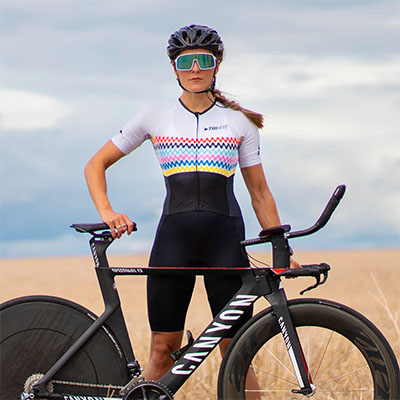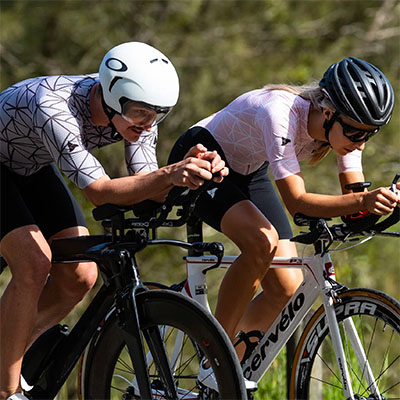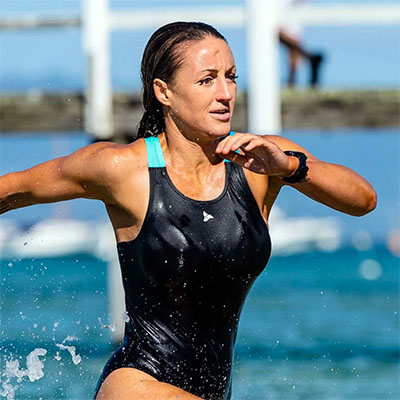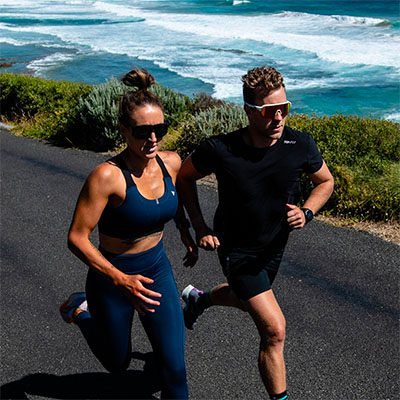


Starting your first triathlon can feel overwhelming not just in training but also in figuring out what to eat. Nutrition is more than just food; it’s fuel for performance and recovery. What you eat before, during, and after your workouts can make a huge difference in how fast you improve, how well you perform on race day, and how quickly your muscles recover.
For beginners, understanding the basics of triathlon nutrition will help prevent fatigue, cramps, and lingering soreness, while keeping you consistent in your training.
Pre-Race & Training Fuel
Before your swims, bike rides, or runs, focus on carbohydrate-rich meals that top up your glycogen stores. Great options include:
- Oatmeal with fruit
- Rice or pasta dishes
- Whole-grain bread with peanut butter or honey
- Bananas for a quick carb boost
Pairing carbs with a little protein helps stabilize blood sugar and supports muscle function. Try to eat your last full meal 2–4 hours before training or racing, and don’t forget to hydrate consistently in the hours leading up to your session.

Fueling During Training and Races
During long training sessions or your triathlon, it’s important to maintain energy and hydration. Simple, easily digestible carbs and electrolytes help prevent fatigue:
- Energy gels or chews
- Bananas or dried fruit
- Sports drinks with electrolytes
A good guideline is 30–60 grams of carbs per hour of intense activity. Electrolytes replace sodium and potassium lost through sweat, keeping your muscles firing and your body performing efficiently.
Post-Training Recovery: Eat to Repair
Recovery isn’t just about rest – what you eat after a workout directly impacts how quickly your body repairs itself and reduces soreness. After hard sessions, aim for:
- Fluids: Rehydrate and replace electrolytes lost through sweat.
- Protein: Helps repair micro-tears in muscles.
- Carbohydrates: Replenish glycogen so your body has energy for healing.
The TRI247 guide on How to relieve sore muscles and recover faster between training sessions explains that recovery meals and snacks are key for minimizing delayed onset muscle soreness (DOMS) and ensuring your next session is effective.
Extra Recovery Tips for Beginners
Nutrition is just one piece of the recovery puzzle. The other strategies to help reduce soreness and improve muscle repair:
- Active recovery: Light cycling, walking, or swimming boosts circulation.
- Compression gear: Can support muscle recovery after intense sessions.
- Contrast therapy: Alternating hot and cold helps blood flow and eases stiffness.
- Quality sleep: Essential for hormone release that supports muscle repair.
Combining good nutrition with these recovery strategies ensures you’re training smarter and more consistently.
Key Takeaways
Nutrition should be part of every phase of your triathlon journey:
- Before training/racing: Eat carbs and hydrate to top up energy stores.
- During sessions: Fuel with easy-to-digest carbs and electrolytes.
- After training: Eat protein + carbs to repair muscles and replenish energy.
- Recovery care: Use active recovery, quality sleep, and smart rest to reduce soreness.
By paying attention to what you eat and when, you’ll not only feel stronger during training but also recover faster, making your first triathlon experience safer, more enjoyable, and more successful.