

Triathlon is one of the fastest-growing endurance sports in the world, combining swimming, cycling, and running into one continuous race. For beginners, the idea of completing three disciplines in a single event can seem overwhelming. However, with the right training strategy, even someone with no previous triathlon experience can successfully prepare for their first race.
Across global triathlon events organized by the World Triathlon and large-scale races like those hosted by IRONMAN, thousands of first-time athletes participate every year. Most beginners start with a Sprint Triathlon, which typically includes a 750m swim, 20km bike ride, and 5km run. Proper training, structured workouts, and gradual progression are essential for safely preparing your body for the demands of the race.
This beginner guide explains what triathlon training involves, where beginners should start, and why structured preparation matters for improving performance and avoiding injury.
What Happens During a Triathlon Race
A triathlon consists of three consecutive disciplines completed in a single race:
- Swim
- Bike
- Run
Athletes move between these stages through transition areas known as T1 (swim to bike) and T2 (bike to run). Unlike separate races, triathlon tests endurance, pacing, and efficient transitions between different types of movement.
The order of events is always the same:
- Swim first: usually in open water such as a lake, river, or ocean.
- Bike second: athletes ride a predetermined cycling course.
- Run last: a road or trail run to the finish line.
For beginners, the main challenge is not just completing each discipline but managing fatigue across all three stages.
Why Proper Triathlon Training Matters
Training for a triathlon is different from training for a single sport. Your body must adapt to three different movement patterns and energy demands.
A structured training plan helps beginners:
- Build endurance gradually
- Reduce risk of overuse injuries
- Improve technique in swimming, cycling, and running
- Practice transitions between disciplines
Without proper preparation, beginners often struggle with fatigue during the final run segment, which is commonly the most physically demanding part of the race.
Building a Beginner Triathlon Training Plan
A beginner triathlon training program usually lasts 10–12 weeks and includes workouts for all three disciplines each week.
A balanced weekly plan may look like this:
Swimming – 2 sessions per week
Focus on technique, breathing, and endurance.
Cycling – 2 to 3 sessions per week
Build leg strength and aerobic capacity.
Running – 2 sessions per week
Improve endurance and running efficiency.
Rest or recovery – 1 to 2 days per week
Allow the body to adapt and recover.
Consistency is more important than intensity, especially during the early stages of training.
Swim Training for Beginners
Swimming is often the most challenging discipline for new triathletes, particularly if they are not comfortable in open water.
Key swim training tips include:
Focus on technique first
Proper body position and breathing significantly improve efficiency.
Practice bilateral breathing
Breathing on both sides helps maintain balance in the water.
Start with short distances
Gradually increase swim distance over several weeks.
Practice open-water swimming
If possible, train in lakes or oceans to simulate race conditions.
Many beginners also benefit from swim drills or coaching sessions to improve their stroke mechanics.
Cycling Training Strategies
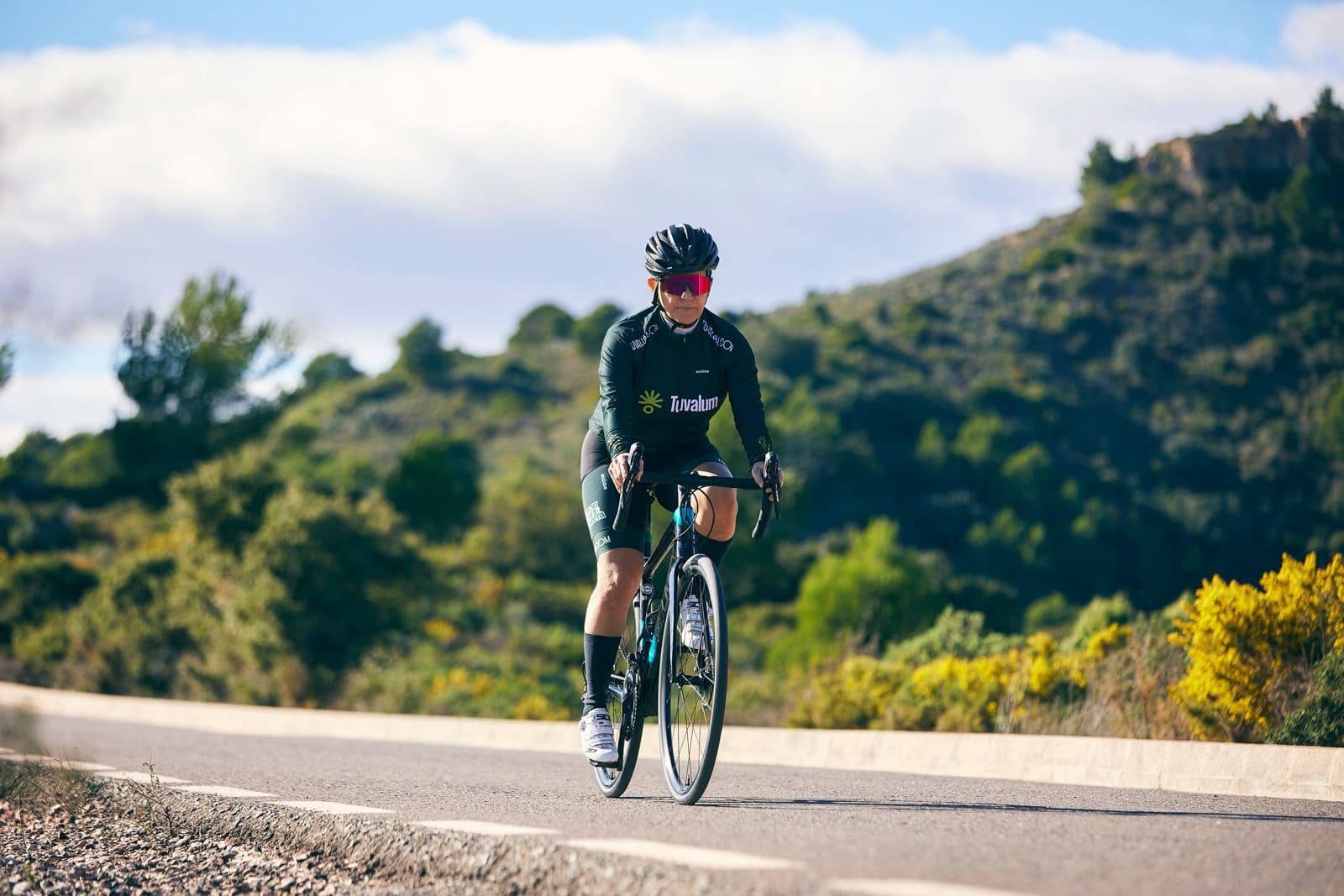
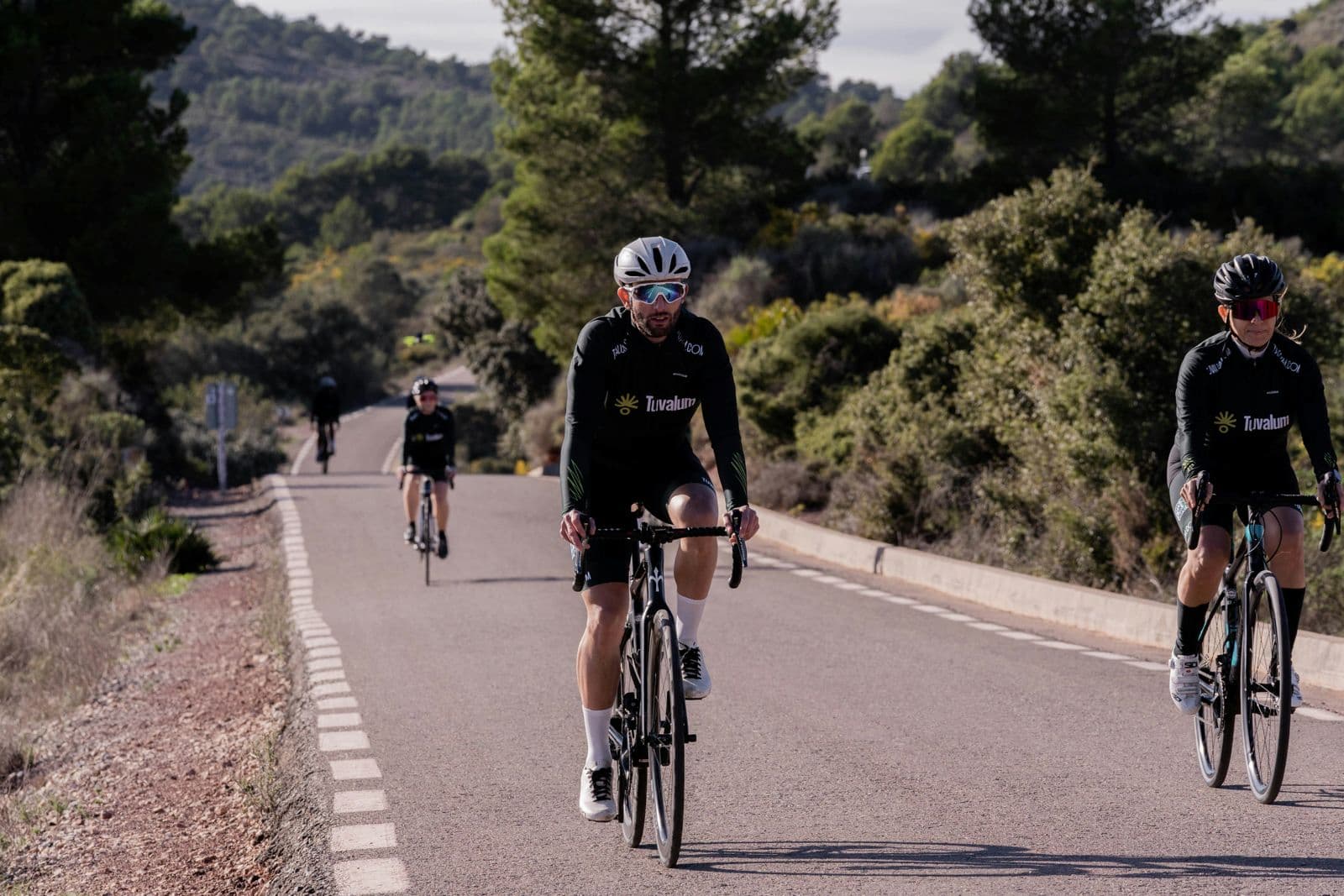
Cycling is the longest portion of most triathlon races, making it essential to develop endurance and pacing skills.
Important cycling training strategies include:
Build endurance rides
Start with 30–40 minute rides and gradually increase duration.
Include interval training
Short bursts of higher intensity improve cardiovascular fitness.
Practice race-pace efforts
This helps your body adapt to sustained cycling speeds.
Learn bike handling skills
Cornering, braking, and gear shifting are essential during races.
Cycling training also prepares the legs for the transition into running.
Running Training and Brick Workouts
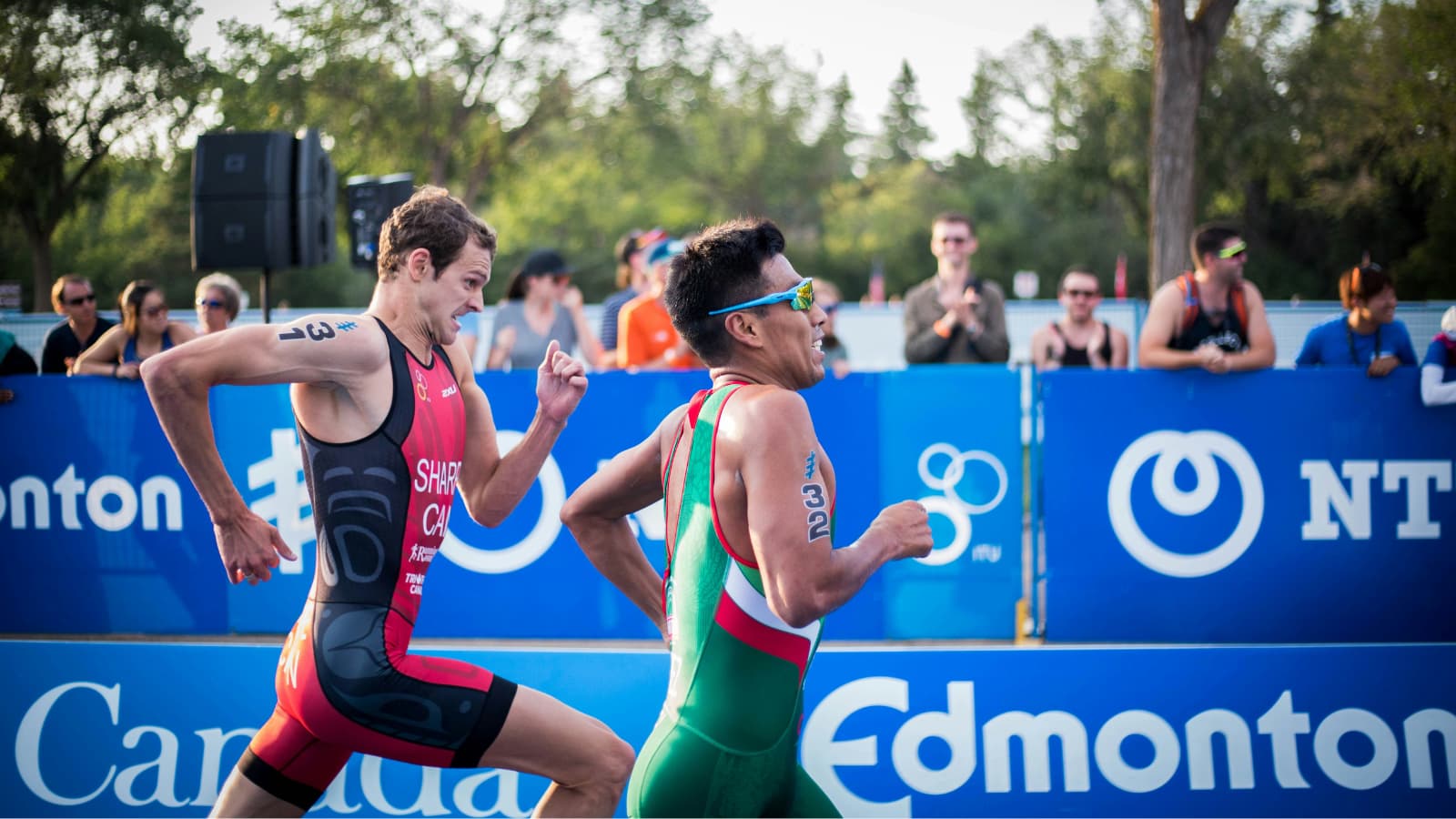
Running comes last in a triathlon, meaning athletes must run after swimming and cycling fatigue.
Beginner running tips include:
- Maintain a steady pace
- Avoid starting too fast
- Focus on efficient stride mechanics
Gradual mileage progression helps reduce the risk of running injuries.
Transition Training and Race Preparation
Transitions are an important but often overlooked part of triathlon training, yet they can significantly affect overall race time. During a triathlon, athletes must quickly move from the swim to the bike (T1) and from the bike to the run (T2). Practicing these transitions helps athletes stay calm, organized, and efficient on race day. Preparing equipment in advance is essential placing shoes, helmet, and race gear in a logical order allows for a smoother change between disciplines.
Nutrition and Recovery for Triathlon Training
Nutrition and recovery play a crucial role in supporting the physical demands of triathlon training. Since athletes are training across three different disciplines, the body requires adequate fuel to maintain energy levels and support muscle recovery. Staying properly hydrated during workouts is essential, especially during longer cycling and running sessions. A balanced diet that includes carbohydrates for energy, protein for muscle repair, and healthy fats for overall health helps maintain endurance and performance.
Common Beginner Training Mistakes
Many first-time triathletes make similar training mistakes. Avoiding these can significantly improve performance and reduce injury risk.
Common mistakes include:
- Training too hard too early
- Ignoring technique
- Skipping rest days
- Neglecting brick workouts
Preparing for Your First Triathlon Race
In the final weeks before the race, training volume should gradually decrease in a process called tapering. This allows the body to recover while maintaining fitness.
Race preparation tips include:
- Test all equipment before race day
- Practice open-water swimming
- Plan your nutrition strategy
- Arrive early on race day to set up the transition area
The goal for beginners is not necessarily speed but successfully completing the race while enjoying the experience.


![Jonas Schomburg wins in Kalmar 2026. [Photo credit: IRONMAN]](https://www.tri247.com/wp-content/uploads/2026/08/1H5A7725_Gfhj69jc_20260815012118.jpg)