
You can prevent chafing on the bike by choosing a properly fitted suit, reducing friction around saddle contact areas, managing moisture, and using suitable anti-chafe products. A comfortable gear should stay securely in place without creating excessive pressure, rubbing, or fabric movement while cycling. Chafing is a common problem for triathletes because cycling involves thousands of repeated pedal strokes. The combination of movement, sweat, pressure, and prolonged saddle contact can irritate sensitive skin, especially during Olympic distance, half Ironman, and Ironman events. Unlike traditional cycling shorts, trisuits usually contain a thinner chamois designed to remain comfortable during swimming, cycling, and running.
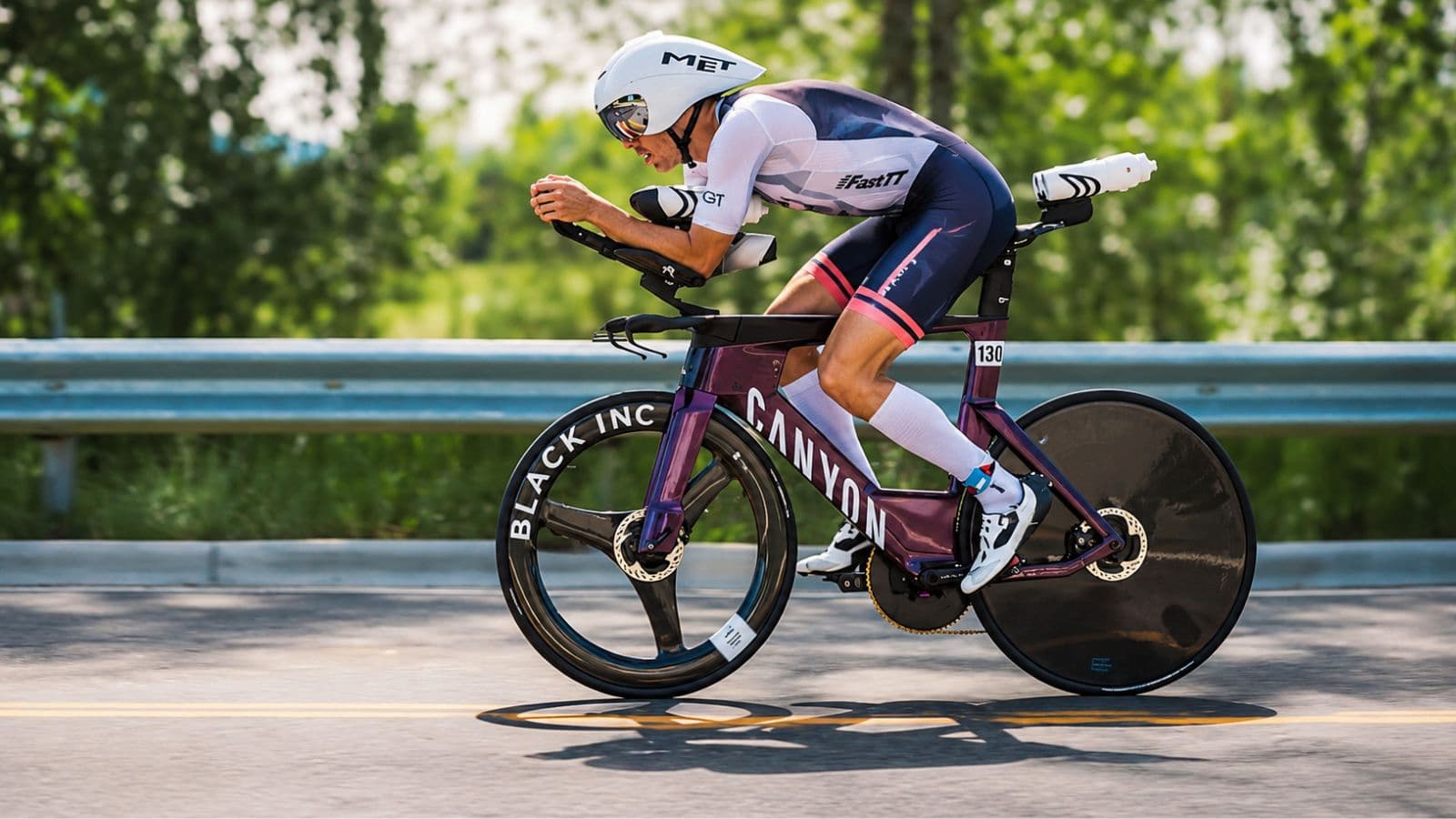
Preventing chafing requires more than applying lubricant before a race. The most effective approach combines appropriate clothing, saddle comfort, hygiene, and consistent testing during training so that potential problems are identified before race day.
In Short
- Choose a snug but comfortable trisuit.
- Avoid loose fabric and irritating seams.
- Check chamois placement and condition.
- Use suitable anti-chafe products.
- Maintain a comfortable bike position.
- Keep clothing clean and dry when possible.
- Test your trisuit during long rides.
- Address skin irritation before it becomes severe.
Understanding Trisuit Chafing
Chafing occurs when repeated friction damages the outer layers of the skin.
During cycling, the affected areas commonly include:
- Inner thighs.
- Groin.
- Saddle contact points.
- Skin folds.
- Areas around clothing seams.
- The edges of the chamois.
Sweat, moisture, pressure, and prolonged movement can increase irritation. Understanding what causes saddle sores during a triathlon can help athletes recognize how friction and pressure contribute to different forms of cycling discomfort. Chafing generally involves surface irritation, while saddle sores may include inflamed follicles, deeper lesions, or localized swelling.
Choosing the Correct Trisuit Fit
An incorrectly fitted trisuit is a major contributor to chafing. A loose suit may move excessively against the skin, while an overly tight suit can create pressure and uncomfortable seams.
A suitable trisuit should:
- Fit securely without restricting movement.
- Remain stable during pedaling.
- Have smooth, comfortable seams.
- Avoid excessive fabric bunching.
- Allow comfortable breathing.
- Stay in position when riding aerobars.
Understanding triathlon gear mistakes that every beginner triathlete should avoid can help athletes identify clothing problems before competition.
Always test the fit while sitting on the bike rather than judging comfort only while standing.
Checking the Chamois
The chamois is the padded section of the trisuit designed to improve comfort around saddle contact areas. Unlike thicker cycling shorts, triathlon chamois pads are usually thinner to reduce water retention and improve comfort during running.
Problems may develop when the chamois:
- Moves during pedaling.
- Creates folds.
- Has rough stitching.
- Sits incorrectly against the saddle.
- Becomes worn or damaged.
A well positioned chamois should remain stable throughout the pedal stroke.
Avoid wearing underwear beneath a trisuit because additional seams and fabric can increase friction.
Using Anti-Chafe Products
Anti-chafe balms and creams can reduce friction between skin, clothing, and saddle contact areas.
Common options include:
- Sports anti-chafe sticks.
- Cycling chamois creams.
- Petroleum based barriers.
- Sweat resistant skin lubricants.
Apply a suitable product to areas that regularly experience rubbing, following the manufacturer’s directions. For example, the inner thighs and chamois contact areas may benefit from targeted application. Test products during training before using them in a race. Check compatibility with your trisuit fabric and avoid applying products to infected or significantly damaged skin without medical guidance.
Improving Bike Fit and Saddle Position
Poor bike positioning can contribute to repeated rubbing and unnecessary pressure. A saddle that is too high may cause excessive side to side hip movement, while an unsuitable saddle shape can create uncomfortable contact points. Understanding how do you adjust your bike for a better fit in a triathlon can help athletes identify positioning issues that contribute to cycling discomfort.
Important factors include:
- Saddle height.
- Saddle angle.
- Saddle width and shape.
- Reach to the handlebars.
- Stability in the aero position.
Small adjustments may improve comfort, but major fit changes should be tested well before race day.
Managing Moisture and Sweat
Moisture can increase skin friction and make chafing more likely. Triathletes may begin the bike leg with a wet trisuit after swimming, making moisture management particularly important.
Useful strategies include:
- Choosing quick drying fabrics.
- Avoiding excessive fabric movement.
- Wearing a clean trisuit.
- Rinsing away salt and sweat after training.
- Allowing irritated skin to recover between sessions.
Understanding how to avoid rehydration mistakes after a triathlon can help athletes manage overall recovery, although drinking more water alone will not prevent clothing friction.
Preventing Chafing During Long Rides
Long distance triathlons increase the time spent in contact with the saddle. Even minor rubbing during the first hour can become painful after several hours. Understanding how to stop hand numbness and saddle discomfort on long rides can help athletes recognize the importance of comfort across multiple contact points.
During longer rides:
- Change position occasionally when safe.
- Avoid excessive pressure on one area.
- Monitor early signs of irritation.
- Maintain comfortable pedaling mechanics.
- Stop if rubbing becomes painful.
Training rides should include time in the position you expect to use during competition.
Avoiding Chafing in the Aero Position
The aerodynamic position changes how body weight is distributed across the saddle. Some athletes experience increased pressure around the front of the saddle or groin. Understanding how to stop neck and back pain in the aero position can help triathletes appreciate how riding posture affects overall comfort. A suitable triathlon saddle and professional bike fit may reduce excessive pressure. Avoid forcing an aggressive position that causes persistent rubbing, numbness, or pain.
Testing Your Trisuit Before Race Day
A new trisuit should never be worn for the first time during an important race. Test it during several training sessions, including longer rides and brick workouts. Understanding what is a brick workout in triathlon can help athletes prepare for the transition from cycling to running while wearing the same clothing.
Check whether:
- The chamois stays in place.
- Seams create irritation.
- The suit moves during pedaling.
- Anti-chafe products remain effective.
- The fabric feels comfortable when wet.
Correct problems during training rather than hoping they disappear during competition.
Treating Early Skin Irritation
Mild chafing usually improves when friction is removed and the skin is kept clean.
After training:
- Wash the affected area gently.
- Pat the skin dry.
- Avoid additional rubbing.
- Wear loose, clean clothing.
- Allow time for healing.
Understanding when should you stop during a triathlon can help athletes make safer decisions when discomfort becomes severe.
Seek medical assessment for spreading redness, increasing warmth, pus, fever, or persistent pain.
Common Mistakes
- Wearing an untested trisuit on race day.
- Choosing an incorrect suit size.
- Wearing underwear beneath the chamois.
- Ignoring rough seams.
- Using unfamiliar anti-chafe products.
- Riding with an uncomfortable saddle.
- Ignoring early skin irritation.
- Reusing unwashed cycling clothing.
Practical Tips
- Test trisuits during long rides.
- Choose smooth, stable fabrics.
- Apply anti-chafe products where needed.
- Check chamois positioning.
- Maintain appropriate saddle height.
- Keep clothing clean.
- Address irritation early.
- Prioritize comfort over appearance.
Actionable Takeaways
- Proper trisuit fit reduces friction.
- A stable chamois improves comfort.
- Anti-chafe products can provide protection.
- Bike fit affects saddle pressure.
- Test everything before race day.