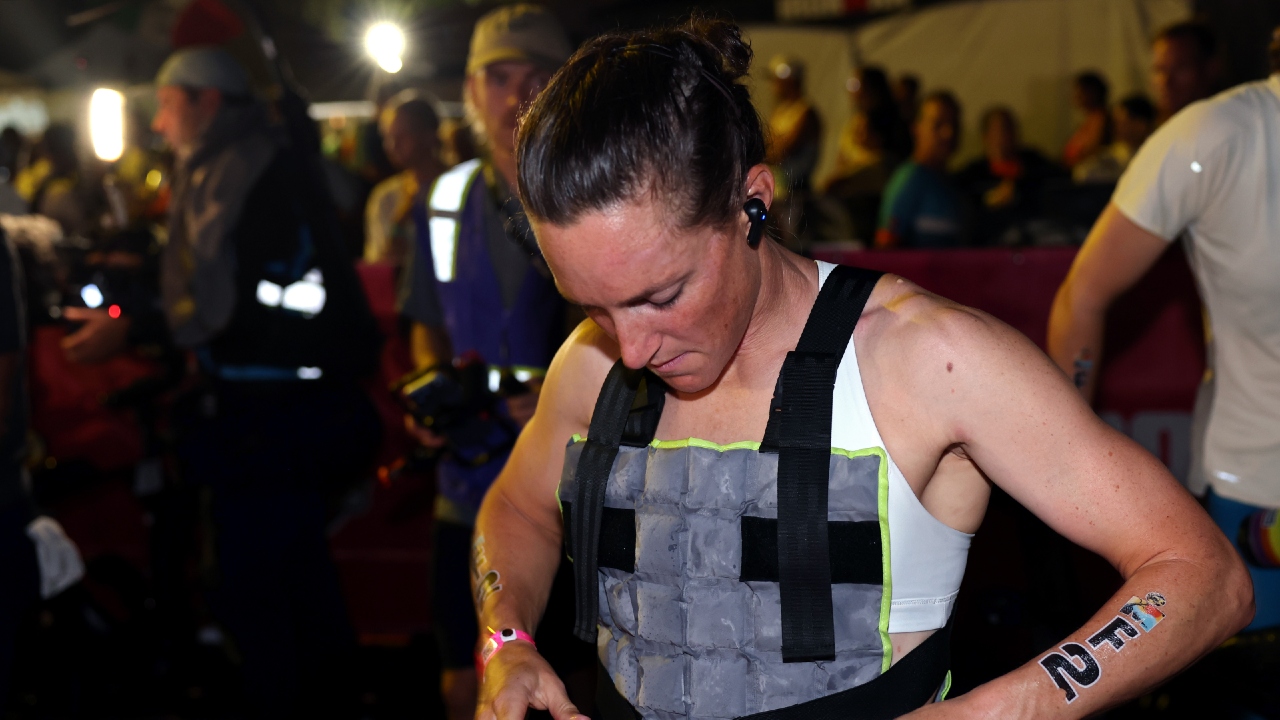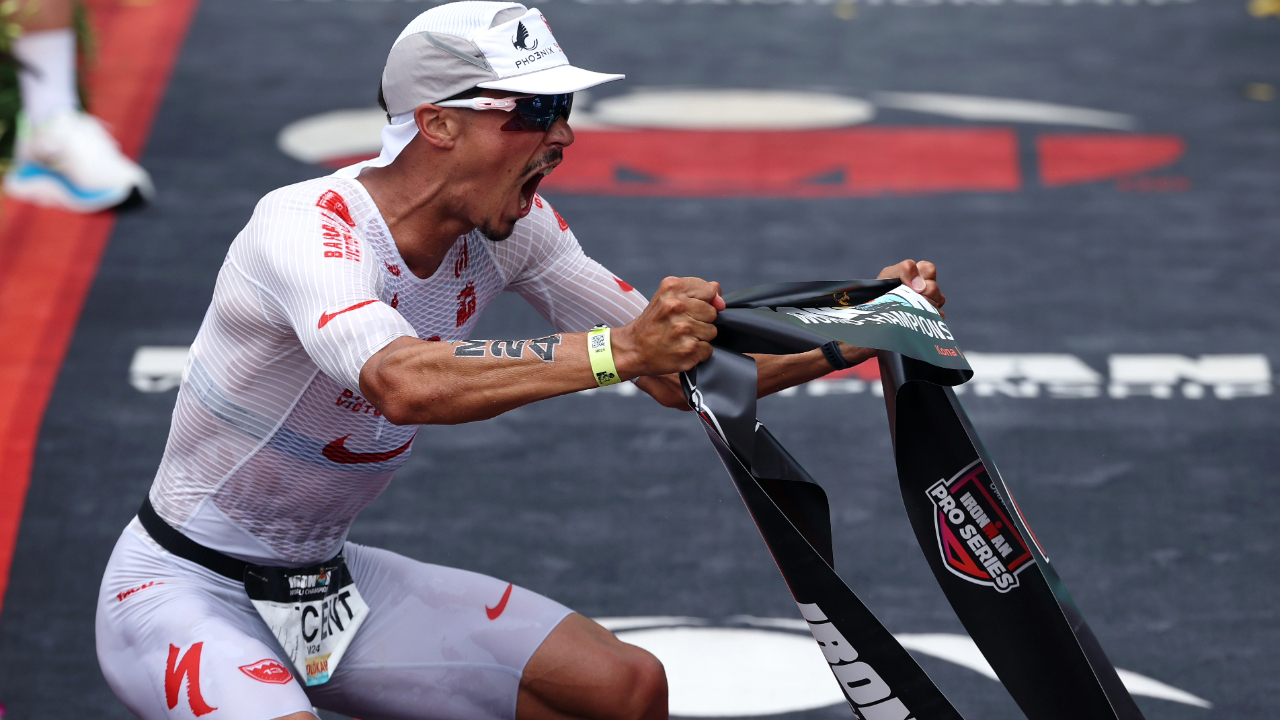


Running endurance is one of the biggest challenges for new and experienced triathletes alike. Whether you’re preparing for your first sprint triathlon or aiming to complete an Ironman, building the ability to run longer without excessive fatigue takes time, consistency and smart training. The good news is that you can improve your endurance faster by focusing on the right habits rather than simply running more miles. A balanced approach that combines gradual mileage increases, structured workouts, recovery and proper nutrition will help you make steady progress while reducing your risk of injury.

In Short
- Increase your weekly mileage gradually.
- Complete one long run each week.
- Build an aerobic base before focusing on speed.
- Include interval and tempo sessions.
- Pace yourself correctly during easy runs.
Why Running Endurance Matters?
Running is the final discipline of a triathlon, which means you’re already carrying fatigue from the swim and bike. Better endurance allows you to maintain your pace, recover more quickly between training sessions and finish races feeling stronger instead of simply surviving the final kilometres.
Improving endurance isn’t only about covering longer distances. It’s also about making your body more efficient at using oxygen, conserving energy and delaying fatigue over time.
Build Your Aerobic Base First
Aerobic fitness forms the foundation of running endurance. Easy, conversational-paced runs teach your body to use oxygen more efficiently and improve your ability to sustain exercise for longer periods. Many beginners make the mistake of running every session too hard. Keeping most of your weekly mileage at an easy pace allows you to train more consistently while reducing the risk of injury. Learning how to build an aerobic base for triathlon is one of the most effective ways to improve endurance over the long term.
Increase Your Weekly Mileage Gradually
Running more can improve endurance, but increasing mileage too quickly often leads to injuries and overtraining. A gradual progression allows your muscles, tendons and joints to adapt safely. Aim to increase your total weekly distance by no more than around 10% when your body feels ready. If you experience persistent soreness or fatigue, maintain your current mileage for another week before increasing it again.
Include One Long Run Every Week
The weekly long run is one of the most effective workouts for improving endurance. Running for a longer period challenges your cardiovascular system and helps your body become more efficient at storing and using energy. Your long run doesn’t need to be fast. Maintaining a comfortable pace allows you to complete the session without excessive fatigue while building the stamina needed for longer races. Athletes training for longer events should also understand how to avoid blowing up in a triathlon to avoid overtraining while preparing effectively.
Add Tempo Runs
- Tempo runs improve your ability to maintain a faster pace for longer.
- These sessions involve running at a comfortably hard effort that you can sustain without sprinting.
For beginners, a tempo workout might include a 10-minute warm-up followed by 15 to 20 minutes at a steady, challenging pace before cooling down.
Use Interval Training
Intervals improve cardiovascular fitness by alternating periods of faster running with recovery. They help increase your aerobic capacity while making race pace feel more manageable. A simple interval session could include six repetitions of two minutes at a hard effort followed by two minutes of easy jogging.
If you’re new to structured training, interval training for triathletes explained can help you understand how to use these sessions effectively.
Don’t Ignore Easy Runs
Easy runs may feel slow, but they play an important role in endurance development. They improve aerobic fitness while allowing your body to recover between harder workouts. Many successful endurance athletes spend around 80% of their running at an easy effort, reserving harder sessions for intervals, tempo runs and races.
Improve Your Running Form
- Good running technique can make every stride more efficient
- Small improvements in posture
- Improving cadence and arm movements help reduce wasted energy
- Improving endurance over longer distances
- Focus on running tall, keeping your shoulders relaxed and maintaining a quick
- Don’t take long, heavy strides
If you’re unsure where to begin, what makes triathlon runners fast provides practical techniques that can improve efficiency without making your running feel unnatural.
Strength Train Regularly
Strength training supports better endurance by improving muscular endurance, stability and running economy. Stronger muscles require less energy to produce the same level of effort. Exercises such as squats, lunges, step-ups, calf raises and core work help reduce injury risk while improving running performance. Two short strength sessions each week are usually enough for most triathletes.
Fuel Your Training Properly
Your body needs carbohydrates to support longer runs and recover afterwards. Under-fuelling can limit training quality and make it harder to build endurance over time. Hydration also plays an important role, especially during longer sessions or warm weather. Learning how to fuel for a triathlon helps ensure your training supports your performance goals rather than limiting them.
Prioritise Recovery
- Fitness improves during recovery, not during the workout itself.
- Sleep, nutrition and easy recovery days allow your muscles and cardiovascular system to adapt to training.
- Ignoring recovery often results in declining performance, persistent fatigue and a greater chance of injury.
Athletes who regularly include recovery in their training plans are more likely to improve consistently than those who simply train harder every day.
Stay Consistent
Improving endurance doesn’t happen overnight. Consistent training over weeks and months produces far better results than occasional high-volume weeks followed by long breaks. Even if you miss a few sessions, return gradually rather than trying to make up for lost training. Building endurance is about developing sustainable habits that you can maintain throughout the season.
Common Mistakes
- Increasing weekly mileage too quickly.
- Running every session at a hard pace.
- Skipping long runs.
- Ignoring recovery days.
- Neglecting strength training.
- Under-fuelling before or after runs.
- Wearing unsuitable running shoes.
- Comparing your progress to other runners.
Practical Tips
- Increase mileage gradually each week.
- Complete one long run every week.
- Keep easy runs genuinely easy.
- Include one speed session weekly.
- Strength train twice a week.
- Eat and hydrate before longer runs.
- Prioritise 7–9 hours of sleep.
- Track your progress in a training log.
Actionable Takeaways
Improving running endurance fast doesn’t mean pushing harder every day. It means training consistently, increasing your mileage gradually and balancing long runs, easy runs and quality workouts. Build a strong aerobic foundation, recover well and fuel your body properly. Over time, these habits will help you run farther, recover faster and finish triathlons with greater confidence.