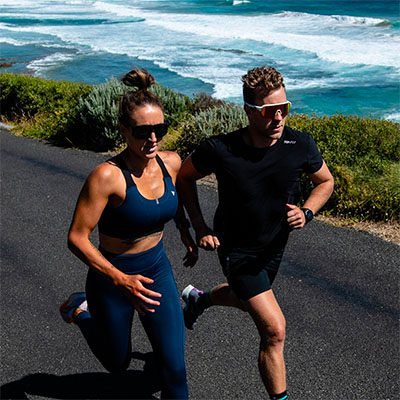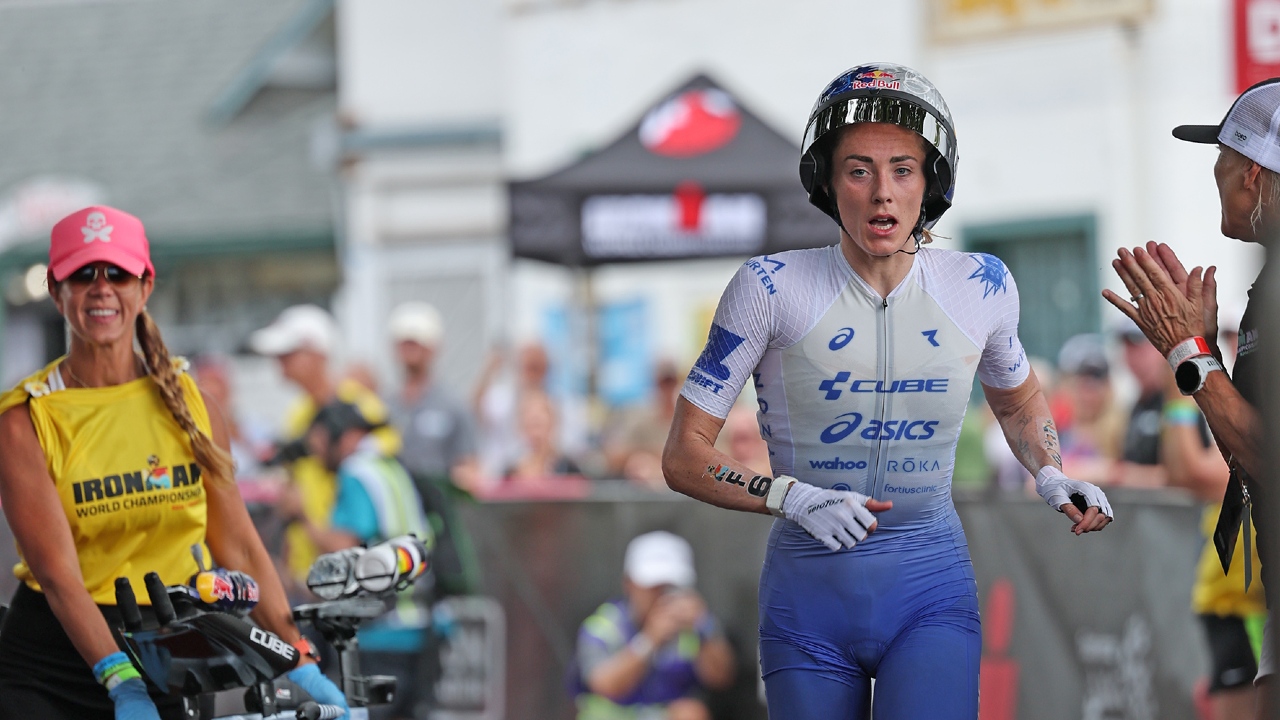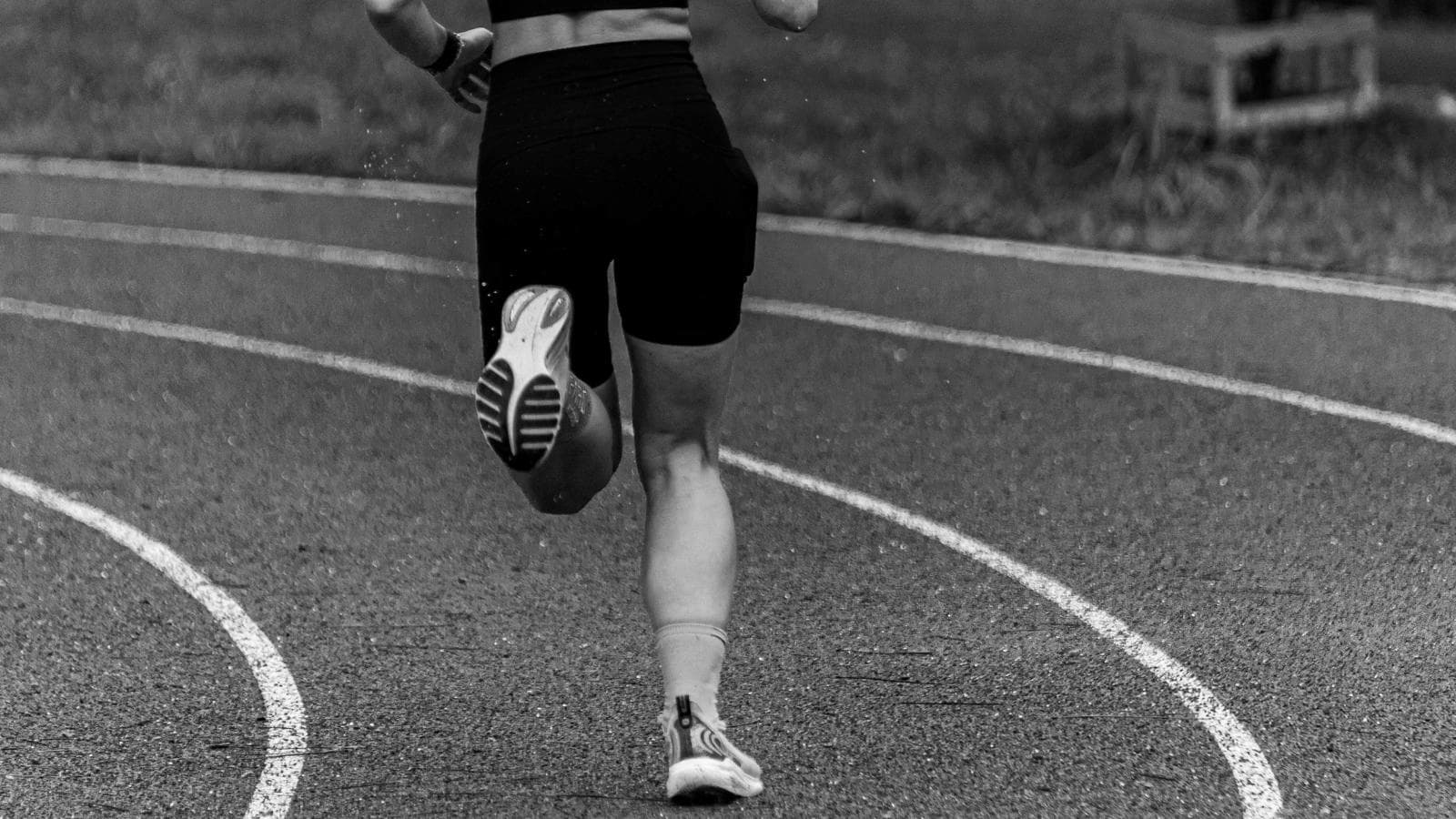


Triathlon running is different from standalone running because the body begins the run already fatigued from swimming and cycling. Good run technique helps triathletes maintain efficiency, reduce energy waste, preserve posture, and run stronger under fatigue.
Improving run technique is not about copying elite-looking form or forcing unnatural movement patterns. The goal is making running more efficient, controlled, and sustainable during race conditions.
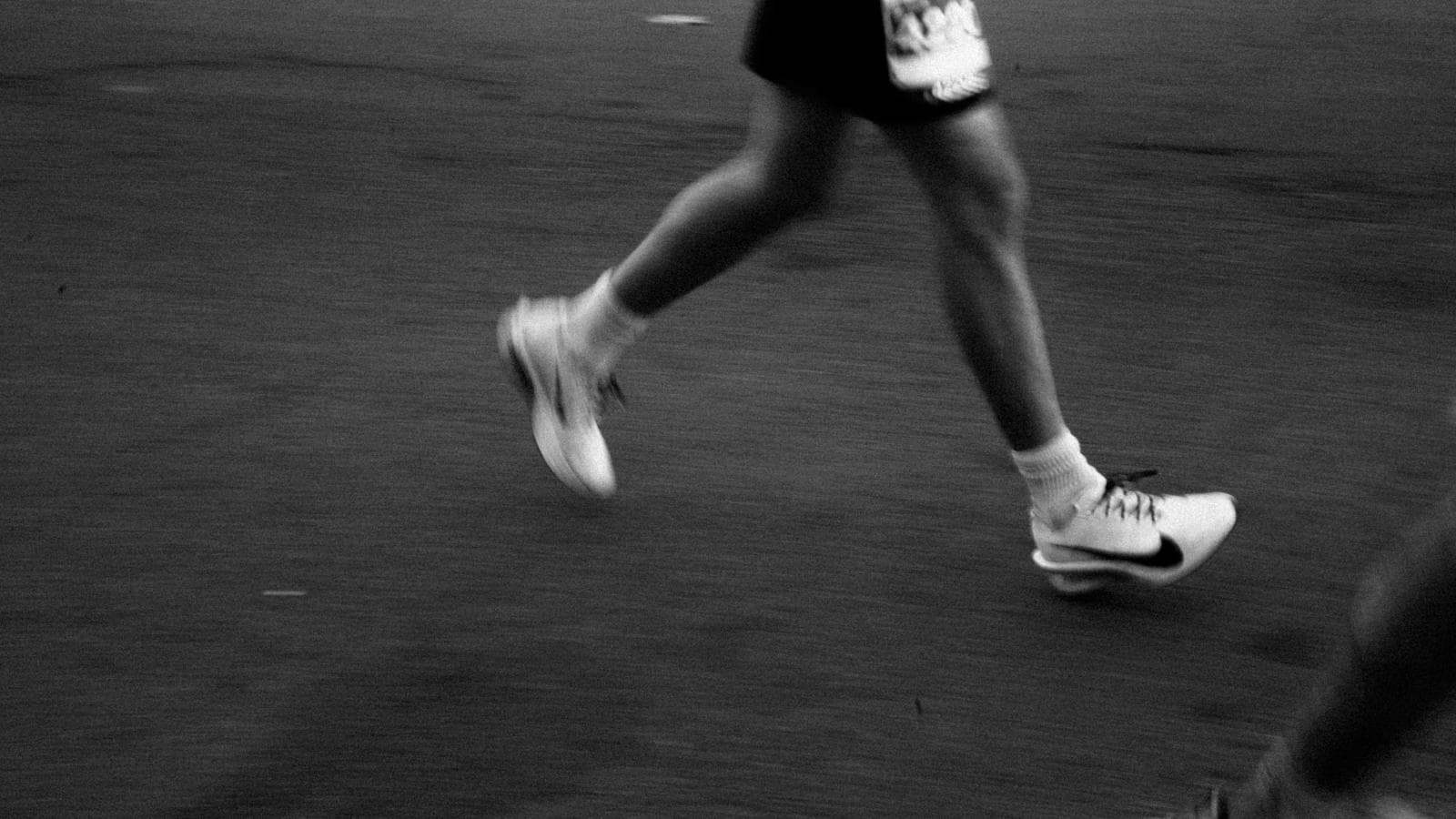
Efficient technique also reduces unnecessary muscular stress, which helps triathletes maintain consistency during heavy training periods.
This becomes especially important when preparing for different race formats explained in how to choose your first triathlon distance where running demands change significantly depending on race duration.
Good Triathlon Running Starts with Posture
Posture strongly affects running efficiency.
Fatigued triathletes often:
- Collapse through the shoulders
- Lean excessively from the waist
- Lose hip stability
- Shorten stride inefficiently
Efficient posture should feel:
- Relaxed
- Stable
- Slightly forward from the ankles
- Tall through the hips
The goal is reducing unnecessary tension while maintaining controlled movement.
Good posture improves:
- Breathing
- Cadence
- Force transfer
- Energy efficiency
Poor posture usually becomes more noticeable later in races as fatigue increases.
Cadence Helps Reduce Energy Waste
Cadence refers to running step frequency.
Many triathletes overstride when fatigued, which increases:
- Braking forces
- Impact stress
- Energy cost
- Lower-leg fatigue
A slightly quicker, controlled cadence often helps runners:
- Stay lighter on the ground
- Maintain rhythm
- Reduce overstriding
- Improve efficiency
Cadence should remain natural rather than artificially forced. Small adjustments are usually more effective than dramatic changes.
Athletes improving pacing and rhythm through zone 2 running explained often develop more efficient movement naturally over time.
Relaxed Upper Body Movement Matters
Tension wastes energy.
Triathletes frequently tighten:
- Shoulders
- Hands
- Jaw
- Arms
especially during fatigue.
Efficient arm movement should feel:
- Relaxed
- Controlled
- Compact
- Rhythmic
The arms help maintain balance and cadence rhythm during running. Excessive upper-body tension increases fatigue and often disrupts breathing efficiency.
Running Off the Bike Requires Specific Adaptation
Triathlon running begins after cycling fatigue has already altered movement patterns.
After the bike:
- Hip flexors tighten
- Cadence changes
- Glutes fatigue
- Posture becomes harder to maintain
- Legs feel heavy initially
This is why triathletes need to practise running under fatigue through race-specific training.
Brick workouts help athletes improve:
- Neuromuscular adaptation
- Running rhythm
- Transition pacing
- Post-bike mechanics
Triathletes learning race-specific efficiency often benefit from sessions explained in how to structure brick workouts for triathlon.
Foot Strike Should Stay Natural
Many runners obsess unnecessarily about foot strike.
Most triathletes run best when foot contact remains:
- Quiet
- Controlled
- Balanced under the body
Forcing aggressive forefoot or heel striking often creates unnecessary tension and inefficiency.
Instead, focus on:
- Stable posture
- Smooth cadence
- Controlled landing
Efficient running usually develops naturally when the rest of mechanics improve.
Core Stability Supports Better Running Form
A stable core helps triathletes maintain posture under fatigue.
Poor core control often causes:
- Excess rotation
- Lower back collapse
- Reduced stride efficiency
- Arm movement instability
Core strength improves:
- Force transfer
- Stability
- Running control
- Breathing mechanics
Useful exercises include:
- Planks
- Dead bugs
- Pallof presses
- Side planks
Core training should focus on control and endurance rather than maximal strength alone.
Glute Strength Improves Running Efficiency
The glutes play a major role in:
- Hip stability
- Stride power
- Posture control
- Running economy
Weak glutes often contribute to:
- Overstriding
- Knee stress
- Reduced power
- Poor fatigue resistance
Triathletes benefit from strength exercises such as:
- Split squats
- Step-ups
- Glute bridges
- Single-leg deadlifts
Stronger hips help runners maintain form more effectively later in races. This becomes increasingly important during long-course racing discussed in ironman vs 70.3 vs olympic triathlon.
Breathing Rhythm Helps Control Pace
Efficient breathing supports:
- Relaxation
- Pacing control
- Oxygen delivery
- Rhythm consistency
Triathletes who panic-breathe often:
- Tighten their shoulders
- Increase tension
- Burn energy unnecessarily
Controlled breathing patterns help runners stay relaxed during harder efforts. Many athletes improve pacing simply by focusing on smoother breathing rhythm during fatigue.
Mobility Helps Maintain Running Mechanics
Limited mobility affects stride quality.
Common restriction areas include:
- Hips
- Ankles
- Calves
- Thoracic spine
Restricted movement often causes compensatory mechanics that waste energy and increase injury risk.
Useful mobility work includes:
- Hip mobility drills
- Dynamic warm-ups
- Calf mobility
- Thoracic rotation work
Short consistent mobility sessions usually improve running quality more effectively than occasional long stretching routines.
Running Economy Is More Important Than Raw Speed
Triathlon running rewards efficiency more than pure speed. Running economy refers to how efficiently athletes use energy at a given pace.
Better economy allows triathletes to:
- Maintain pace longer
- Preserve energy
- Recover better
- Reduce muscular breakdown
Technique improvements help reduce wasted movement and improve overall efficiency. Athletes building endurance through aerobic endurance workouts for triathletes often improve economy naturally alongside aerobic fitness.
Strength Training Supports Better Technique
Strength training improves movement quality by increasing:
- Stability
- Muscular control
- Fatigue resistance
- Force absorption
- Postural endurance
Triathletes with stronger stabilising muscles usually maintain:
- Better cadence
- More stable hips
- Smoother posture
- Stronger finishes
under fatigue conditions.
Fatigue Changes Running Mechanics
Even good runners lose efficiency when fatigue accumulates.
Common fatigue-related technique changes include:
- Heavy heel striking
- Reduced cadence
- Collapsed posture
- Excess arm tension
- Reduced hip extension
This is why technique work should also happen during:
- Longer runs
- Brick sessions
- Controlled fatigue conditions
Learning to maintain efficiency while tired is one of the most valuable triathlon-specific running skills.
Drills Help Reinforce Efficient Movement
Running drills improve:
- Coordination
- Posture awareness
- Cadence rhythm
- Neuromuscular efficiency
Useful drills include:
- High knees
- A-skips
- Butt kicks
- Strides
- Cadence drills
Drills work best when performed consistently rather than excessively. The goal is reinforcing smooth movement patterns rather than creating fatigue.
Athletes often improve mechanics further through running drills every triathlete should do.
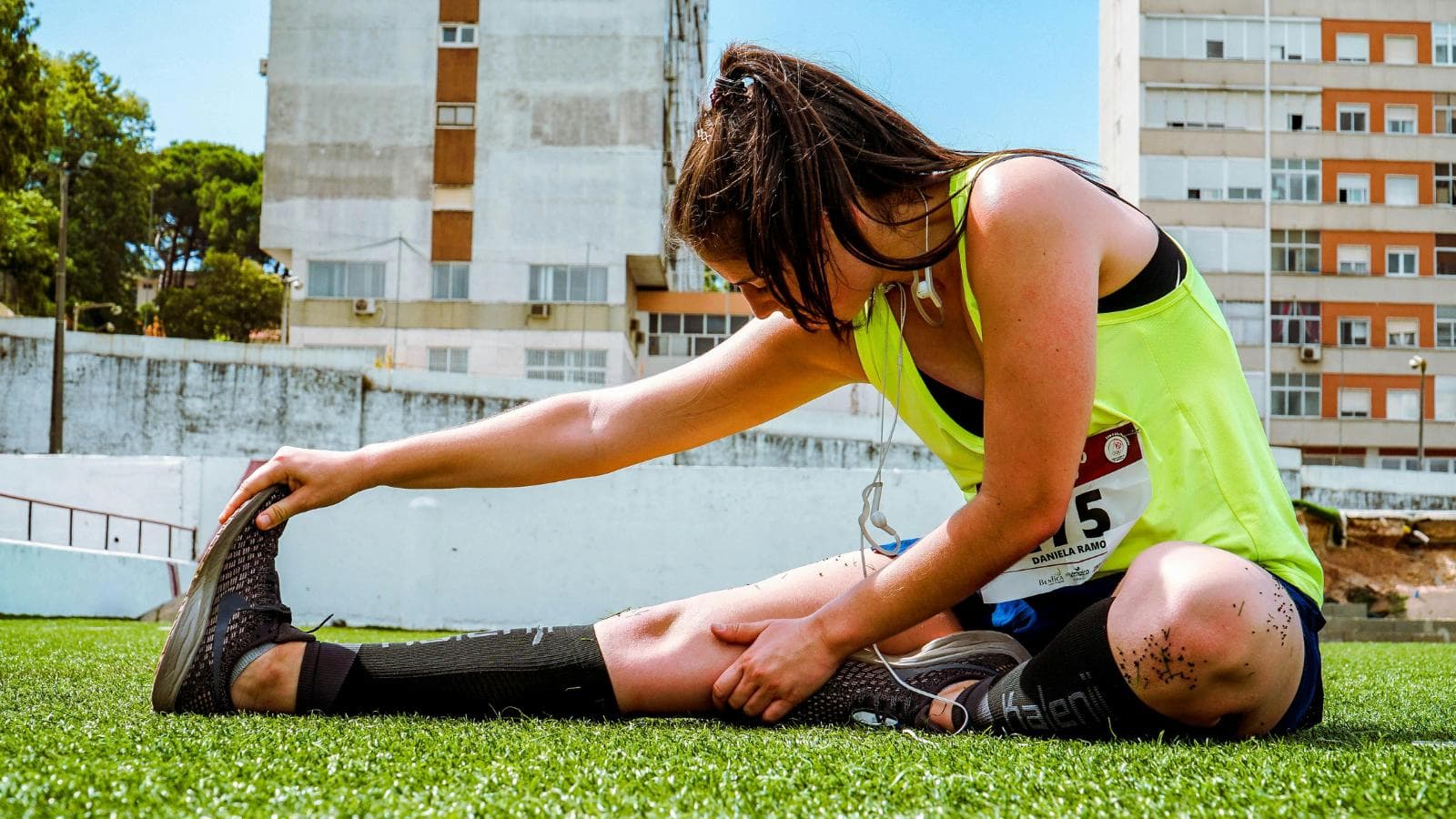
Recovery Supports Better Technique
Poor recovery affects movement quality significantly.
Fatigued athletes often compensate mechanically because:
- Muscles remain tight
- Coordination declines
- Posture weakens
- Stability decreases
Recovery priorities include:
- Sleep
- Hydration
- Nutrition
- Mobility work
- Easy aerobic sessions
Better recovery usually improves running form automatically because the body moves more efficiently when rested.
Common Technique Mistakes Triathletes Make
Many triathletes reduce running efficiency through avoidable habits.
Common mistakes include:
- Overstriding
- Running too tense
- Ignoring posture
- Neglecting strength training
- Skipping mobility work
- Starting the run too aggressively
- Forcing unnatural form changes
Most technique improvements should feel subtle and sustainable rather than dramatic.
Practical Ways to Improve Triathlon Run Technique
Triathletes can improve running mechanics by:
- Maintaining relaxed posture
- Improving cadence control
- Strength training consistently
- Practising brick sessions
- Using running drills regularly
- Improving mobility
- Focusing on efficient breathing
- Running aerobically most of the time
Efficient technique develops gradually through repetition and consistency rather than forcing major immediate changes.