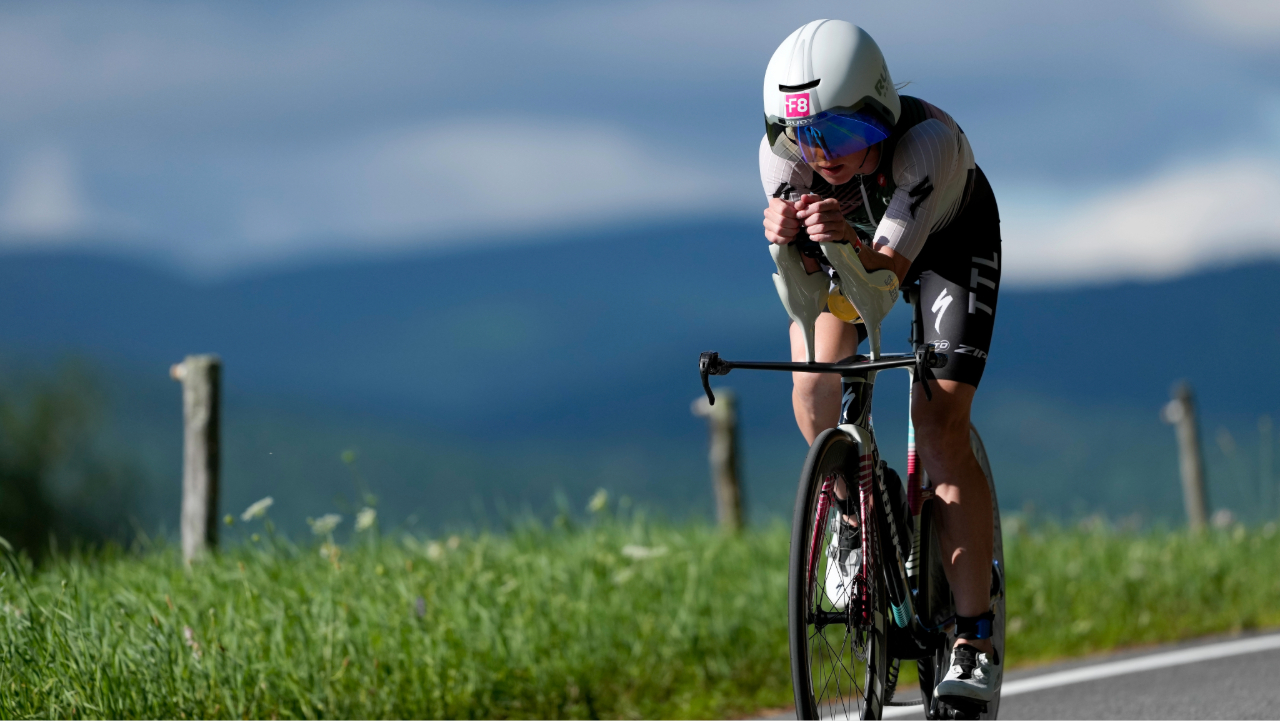


Many triathletes focus on increasing power and endurance, but cycling technique is just as important for improving speed and efficiency. A rider with excellent technique wastes less energy, handles the bike more confidently and maintains better control across different terrain. Cycling drills are structured exercises that isolate specific skills such as pedaling smoothness, cadence, cornering and balance. Regularly practicing these drills helps develop efficient movement patterns that eventually become automatic during training and racing.You don’t need to spend every ride doing drills. Just a few focused sessions each week can improve your bike handling, increase pedalling efficiency and help you ride faster with less effort.
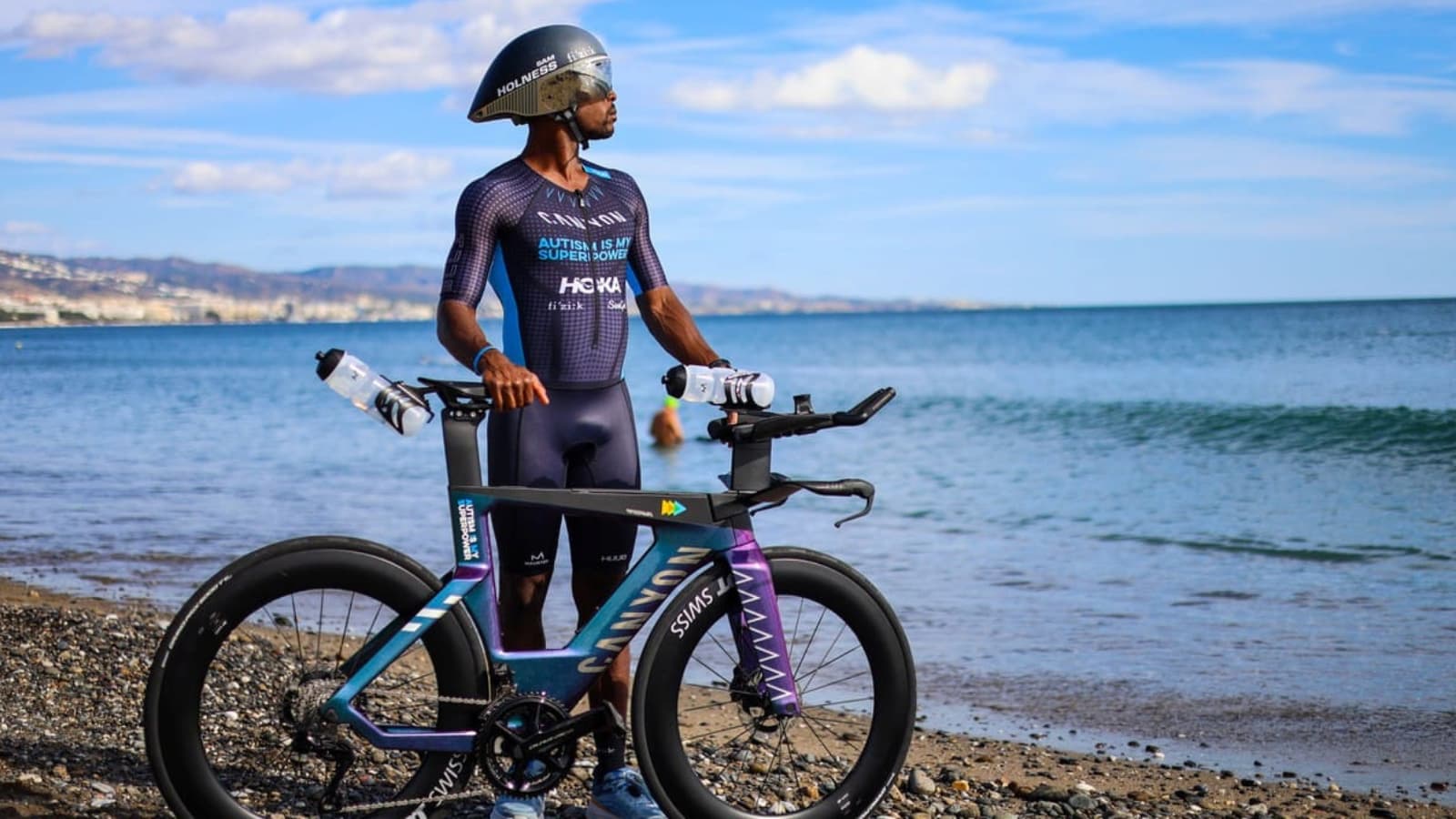
Why Cycling Technique Matters?
Good technique allows you to produce more speed for the same amount of effort.
Efficient cyclists typically:
- Pedal smoothly.
- Maintain consistent cadence.
- Corner confidently.
- Brake effectively.
- Stay relaxed on the bike.
These skills become increasingly valuable during long-distance triathlons where conserving energy is essential.
Start with Smooth Pedalling
One of the most effective drills focuses on making your pedal stroke as smooth as possible.
Rather than stamping on the pedals, aim to apply even pressure throughout each revolution.
Benefits include:
- Improved efficiency.
- Reduced energy loss.
- Better cadence control.
- Less unnecessary upper-body movement.
Learning how to develop a smoother pedal stroke in triathlon cycling provides a deeper understanding of efficient pedaling mechanics.
Practise High-Cadence Drills
High-cadence drills improve leg speed and neuromuscular coordination.
Try riding for:
- 30–60 seconds.
- At a cadence of 100–110 RPM.
- With light resistance.
- While maintaining smooth control.
Repeat several times with easy spinning between efforts.
The goal isn’t maximum speed but relaxed, controlled pedalling.
Single-Leg Pedalling Drills
If you use an indoor trainer, single-leg drills can highlight weaknesses in your pedal stroke. Pedal with one leg while the other rests safely off the pedal.
This helps identify:
- Dead spots.
- Uneven force application.
- Coordination issues.
Keep these efforts short to maintain good technique.
Ride with One Hand
Practising one-handed riding improves balance and bike control.
In a safe, traffic-free area:
- Remove one hand briefly.
- Maintain a straight line.
- Switch hands regularly.
This drill develops confidence for:
- Drinking.
- Eating.
- Adjusting clothing.
- Accessing nutrition during races.
Improve Cornering Technique
Many triathletes lose valuable time by braking excessively before corners.
Practise:
- Looking through the corner.
- Braking before turning.
- Leaning the bike smoothly.
- Accelerating gradually on the exit.
Confidence grows through repetition rather than speed.
Develop Better Braking Skills
Efficient braking improves both safety and speed.
Practise:
- Progressive braking.
- Using both brakes together.
- Stopping smoothly.
- Controlling weight transfer.
Good braking technique increases confidence on descents and technical courses.
Ride Slowly to Improve Balance
Slow-speed riding develops excellent bike control.
Choose a quiet area and practise:
- Riding slowly without stopping.
- Holding a straight line.
- Gentle steering corrections.
- Relaxed body position.
Improved balance transfers directly to better bike handling at higher speeds.
Learn to Hold a Straight Line
Holding a predictable line is essential during training rides and races.
Practise riding:
- Along painted road lines (where safe).
- Between cones.
- On quiet roads.
- Without unnecessary steering movements.
A stable riding position also improves aerodynamics and reduces wasted energy.
Practise Cadence Changes
Being comfortable across different cadences prepares you for varying terrain.
Alternate between:
- Low cadence with moderate resistance.
- Comfortable race cadence.
- High cadence spinning.
This develops versatility without changing your overall effort dramatically. Understanding what is the ideal cadence for long distance cycling helps you identify the cadence that best suits endurance racing.
Relax Your Upper Body
Many cyclists waste energy through unnecessary tension.
During rides, periodically check that your:
- Shoulders remain relaxed.
- Elbows stay slightly bent.
- Grip isn’t too tight.
- Jaw remains relaxed.
A relaxed upper body allows smoother bike movement and better handling.
Practise Gear Changes
Smooth shifting prevents unnecessary disruptions to your rhythm.
Work on:
- Anticipating hills.
- Changing gears before gradients.
- Avoiding cross-chaining.
- Maintaining steady cadence during shifts.
Efficient gear changes improve momentum and reduce stress on your drivetrain. Before longer rides, what you should check on your bike before every ride explains how proper bike maintenance supports smooth shifting and reliable performance.
Include Drills in Your Warm-Up
You don’t need an entire training session dedicated to technique. Many cycling drills fit naturally into a 10–15 minute warm-up before your main workout.
For example:
- Five minutes of easy spinning.
- Two high-cadence efforts.
- One single-leg drill per leg (indoors only).
- A few smooth gear changes.
- One minute focusing on relaxed upper-body posture.
Repeating these drills consistently reinforces good habits without significantly increasing training time.
Build Skills on Safe Roads
Technique drills require concentration, so choose an environment that allows you to focus safely.
Ideal locations include:
- Quiet roads.
- Empty car parks.
- Closed cycling circuits.
- Indoor smart trainers.
- Traffic-free cycle paths where permitted.
Avoid practicing technical drills in heavy traffic or poor weather conditions and cycle safely in rain.
Combine Technique with Endurance Training
Cycling drills shouldn’t replace your endurance rides, they should enhance them.
For example, you can:
- Perform cadence drills during the first 20 minutes of a long ride.
- Practise cornering on familiar descents.
- Focus on smooth pedalling during steady Zone 2 efforts.
- Include balance drills during recovery rides.
This approach helps your improved technique become natural during real-world riding. Building endurance alongside better technique produces greater long-term gains. How can interval training improve cycling speed explains how structured endurance training complements technical development.
Analyse Your Technique
Recording yourself riding or asking an experienced coach to observe your position can reveal habits you may not notice.
Pay attention to:
- Pedalling smoothness.
- Hip stability.
- Upper-body movement.
- Knee tracking.
- Cadence consistency.
Small adjustments identified early can improve efficiency across thousands of pedal revolutions.
Stay Consistent
Technique improves through repetition rather than occasional practice. Completing a few cycling drills every week is far more effective than spending one day each month focusing solely on skills. Over time, these improvements become automatic, allowing you to ride more efficiently without consciously thinking about your technique. Consistent practice also supports long-term performance improvements. How can heart rate zones improve triathlon cycling speed and fitness explains how combining good technique with structured training maximizes fitness gains.
Don’t Sacrifice Technique for Speed
When practising drills, prioritise quality over intensity.
If your technique starts to deteriorate:
- Reduce your speed.
- Lower the resistance.
- Shorten the drill.
- Take additional recovery.
Perfect practice develops better habits than simply riding harder.
Common Mistakes
- Performing drills in unsafe environments.
- Riding too fast during technique practice.
- Ignoring cadence while focusing only on power.
- Holding excessive tension in the upper body.
- Practising drills inconsistently.
- Skipping bike handling exercises.
- Neglecting recovery between technical efforts.
- Trying too many new drills at once.
Practical Tips
- Include one or two drills in every cycling warm-up.
- Practise on quiet roads or indoor trainers.
- Focus on smooth, controlled movements.
- Keep high-cadence drills short and relaxed.
- Review your riding technique regularly.
- Combine drills with endurance sessions.
- Stay patient, technique develops gradually.
- Repeat the same drills consistently for several weeks.
Actionable Takeaways
Cycling drills are one of the simplest ways to improve your triathlon bike technique without dramatically increasing your training volume. By regularly practising smooth pedalling, cadence control, balance, cornering and gear changes, you’ll become a more efficient and confident cyclist.
The greatest improvements come through consistent repetition. Adding just a few minutes of focused technique work to each ride can help you conserve energy, improve bike handling and ride faster over every triathlon distance.