

A successful ride begins long before you clip into your pedals. Spending just a few minutes inspecting your bike before every training session can prevent mechanical problems, improve safety and reduce the risk of being stranded with avoidable issues. Many cycling problems develop gradually. Tyres lose pressure, bolts loosen, brake pads wear and chains collect dirt over time. Catching these issues early not only protects your bike but also ensures every ride is more comfortable and efficient. Whether you’re preparing for a short recovery spin or a long triathlon training ride, making pre-ride checks part of your routine will save time, money and frustration.
Start with Your Tyres
Your tyres are the only contact between your bike and the road.
Before every ride, inspect them for:
- Cuts.
- Embedded glass.
- Bulges.
- Excessive wear.
- Objects lodged in the tread.
Small pieces of debris can quickly become punctures if left unnoticed.
Check Tyre Pressure
Correct tyre pressure improves:
- Comfort.
- Grip.
- Rolling resistance.
- Puncture protection.
- Handling.
Pressure requirements vary depending on:
- Rider weight.
- Tyre width.
- Road conditions.
- Weather.
Avoid simply inflating tyres to the maximum pressure printed on the sidewall.
Test Your Brakes
Before rolling away, squeeze both brake levers firmly.
Check that:
- Brakes engage smoothly.
- Pads contact the rim or rotor correctly.
- Levers don’t pull all the way to the handlebars.
- There are no unusual noises.
Reliable braking is essential for both training and racing.
Inspect the Chain
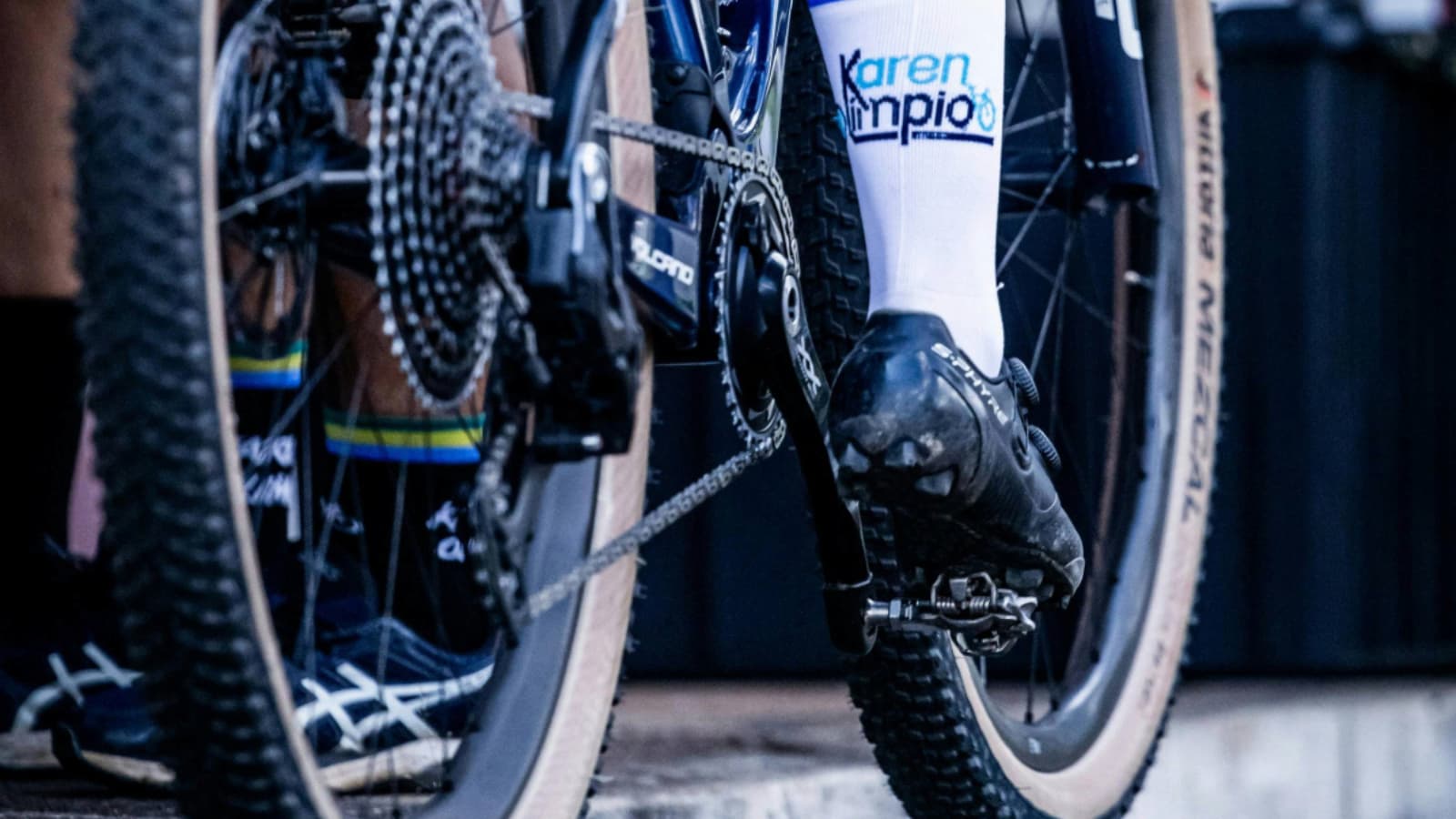
A clean, lubricated chain improves both efficiency and drivetrain lifespan.
Look for:
- Rust.
- Excess dirt.
- Dry links.
- Excess lubricant attracting grime.
If needed:
- Wipe the chain clean.
- Apply fresh lubricant.
- Remove excess oil before riding.
A well-maintained drivetrain also improves pedalling efficiency. how to become a more efficient cyclist explains how mechanical and riding efficiency work together.
Shift Through the Gears
Cycle through several gears while stationary or during the first few metres of your ride.
Smooth shifting indicates:
- Proper cable tension.
- Correct derailleur adjustment.
- Healthy drivetrain components.
Skipping gears or delayed shifts should be addressed before longer rides.
Check Wheel Security
Ensure both wheels are securely attached.
If your bike uses:
- Quick-release skewers, verify they are fully closed.
- Thru-axles, ensure they are tightened correctly.
Loose wheels present a serious safety hazard.
Inspect the Handlebars and Stem
Hold the front wheel between your legs and gently try turning the handlebars.
There should be:
- No movement.
- No looseness.
- No unusual noises.
Also check that your stem bolts appear secure.
Check Saddle Position
Confirm your saddle hasn’t slipped.
Verify:
- Height.
- Angle.
- Fore-aft position.
Even small changes can affect comfort and pedalling efficiency. If you experience discomfort during long rides, what mobility work helps cyclists with upper back stiffness in a triathlon explains how bike setup influences comfort.
Test Your Pedals and Cleats
Before clipping in:
- Check pedals rotate smoothly.
- Inspect cleats for wear.
- Ensure bolts remain tight.
Worn cleats can make clipping in and out less reliable. It is important for triathletes to understand how to develop a smoother pedal stroke in cycling for a smoother performance.
Check Your Hydration and Nutrition
Your bike may be ready, but are you?
Before longer rides, ensure you have:
- Water bottles.
- Electrolytes.
- Energy gels or bars.
- Repair kit.
- Phone.
If you’re training in hot weather, how much should you drink per hour on bike explains how to plan your hydration strategy.
Inspect Your Bike Computer and Lights
If you’re riding early, late or in poor visibility:
- Charge your lights.
- Check battery levels.
- Confirm your bike computer is working.
- Verify sensors are connected.
Reliable electronics make navigation and training easier.
Perform a Quick Safety Ride
Before accelerating into your session, spend the first minute paying attention to how the bike feels.
Notice:
- Brake response.
- Steering.
- Gear changes.
- Unusual vibrations.
- Unexpected noises.
Small problems discovered early are often easy to fix before they become major mechanical issues.
Don’t Ignore Small Noises
Clicks, creaks and rubbing sounds rarely disappear on their own.
Instead of continuing your ride:
- Identify the source.
- Inspect the affected component.
- Fix minor issues before they worsen.
Early maintenance is almost always less expensive than major repairs.
Prepare for Longer Training Rides
Long endurance sessions place greater demands on your equipment.
Carry:
- Spare inner tube.
- Tyre levers.
- Mini pump or CO₂ inflator.
- Multi-tool.
- Chain quick link if appropriate.
Preparing for mechanical issues can prevent a minor puncture from ending your ride. For endurance preparation, how to fuel for a 2 hour cycling ride in a triathlon explains how to combine bike preparation with effective nutrition.
Common Mistakes
- Forgetting to check tyre pressure.
- Riding with a dry chain.
- Ignoring unusual noises.
- Skipping brake checks.
- Failing to inspect tyres for damage.
- Riding with loose quick releases or thru-axles.
- Forgetting lights on early morning rides.
- Leaving home without basic repair equipment.
Practical Tips
- Perform the same inspection before every ride.
- Keep a floor pump with a pressure gauge.
- Clean and lubricate the chain regularly.
- Replace worn tyres before they fail.
- Carry basic repair tools.
- Charge electronics the night before.
- Check hydration supplies before leaving.
- Address unusual noises immediately.
Actionable Takeaways
A thorough pre-ride inspection takes only a few minutes but can prevent mechanical failures, improve safety and make every training session more enjoyable. Regularly checking tyres, brakes, drivetrain, wheels and contact points helps ensure your bike performs reliably whenever you ride.
Making these inspections a habit also extends the lifespan of expensive components and reduces the likelihood of unexpected repairs. Consistent maintenance allows you to focus on training rather than dealing with avoidable mechanical problems.