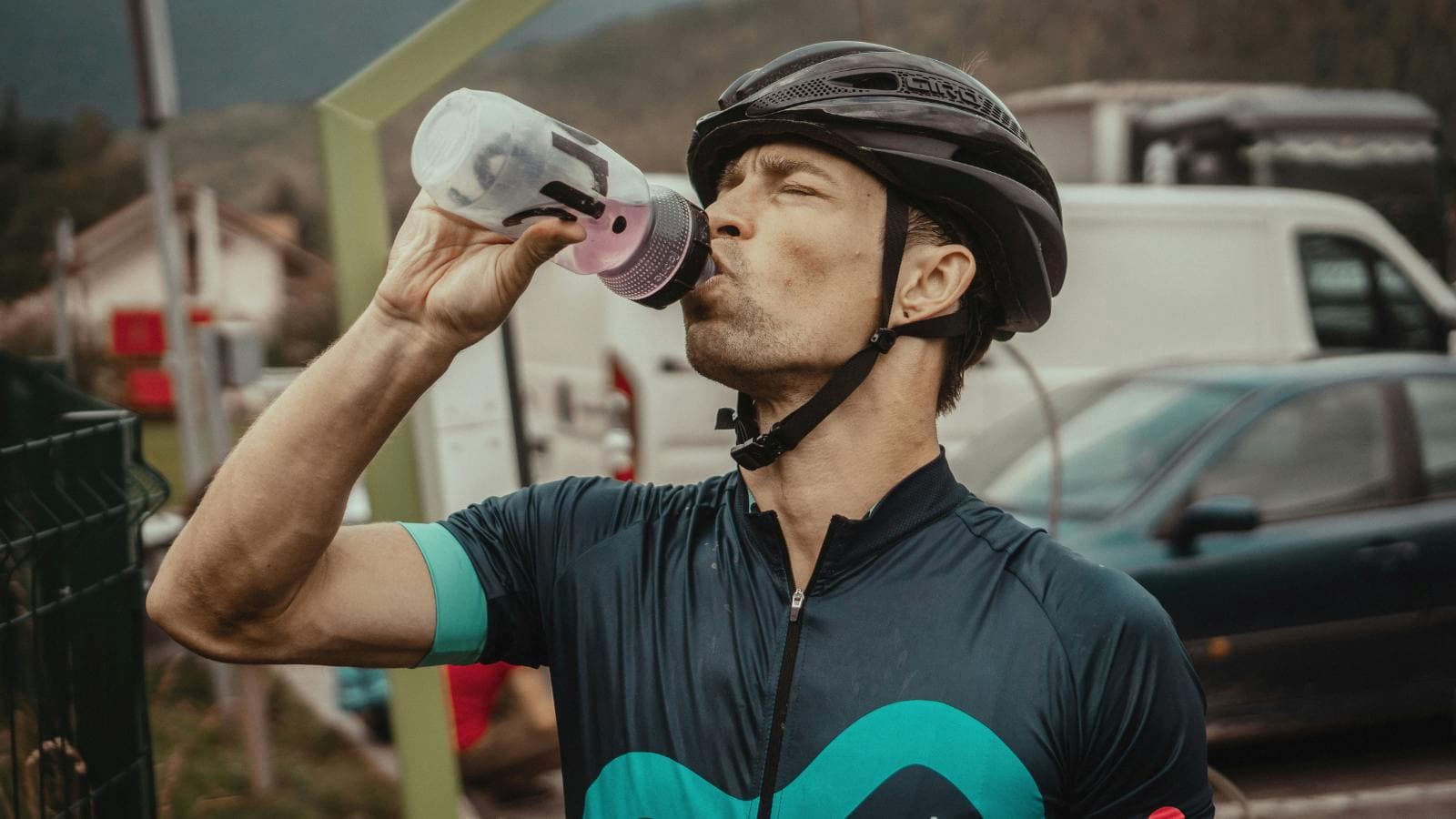


Hydration on the bike directly affects endurance performance, power output, recovery, and race execution. Drinking too little increases fatigue, overheating, cramping risk, and cardiovascular strain. Drinking too much can cause stomach discomfort, bloating, and even dangerous electrolyte imbalance during longer events.
There is no single hydration number that works for every triathlete. Fluid needs depend on:
- Temperature
- Sweat rate
- Intensity
- Body size
- Humidity
- Ride duration
- Sodium loss
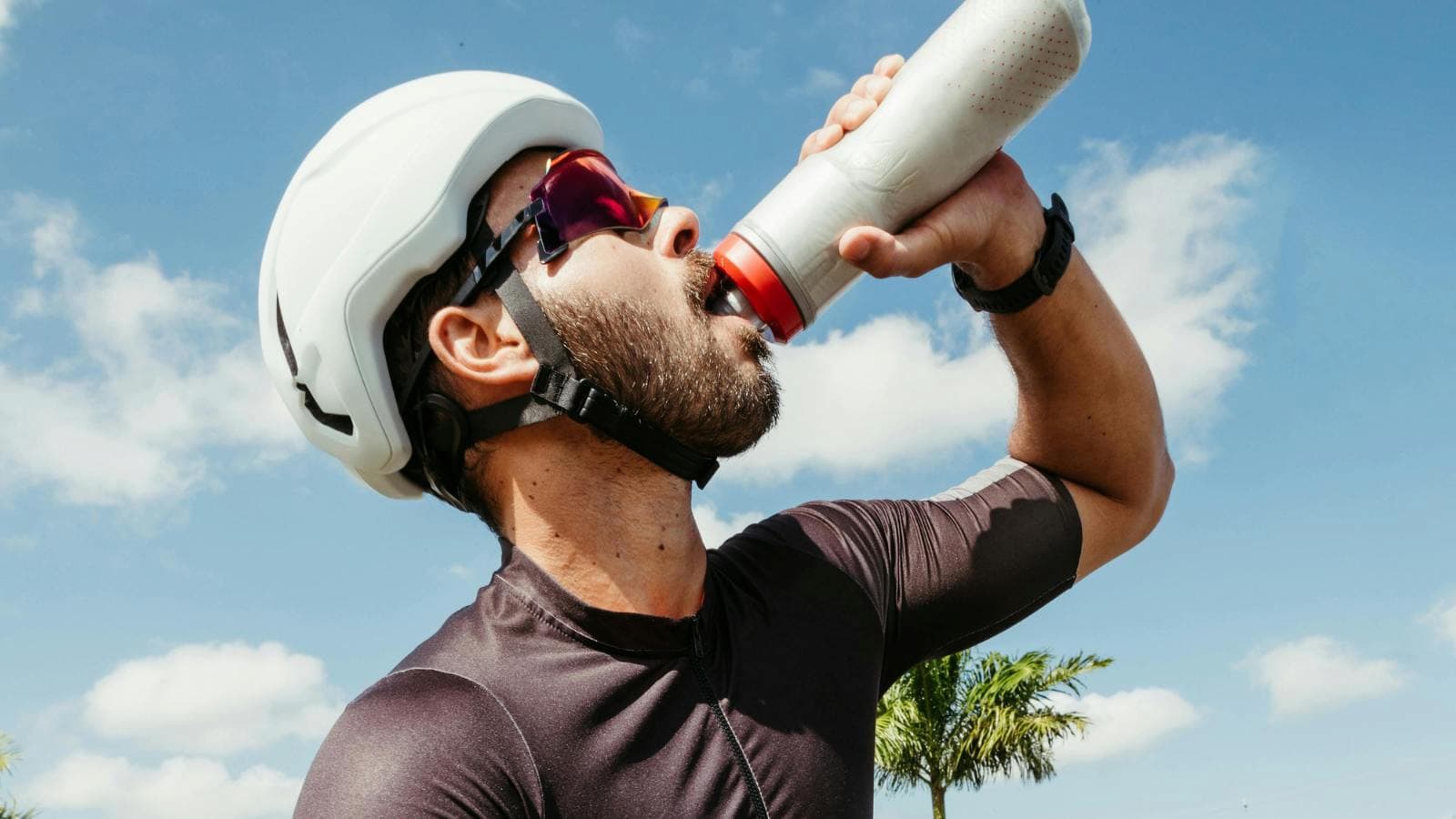
The goal is maintaining hydration without overdrinking. Most triathletes perform best when hydration is planned rather than left entirely to thirst.
This becomes increasingly important during longer races discussed in fueling for an ironman without GI issues where hydration mistakes compound over several hours.
Why Hydration Matters on the Bike?
Cycling creates continuous fluid loss through sweat, especially during:
- Hot weather
- Indoor riding
- Long climbs
- High-intensity sessions
As dehydration increases, the body experiences:
- Reduced blood volume
- Higher heart rate
- Reduced cooling efficiency
- Increased fatigue
- Lower power output
Even relatively small fluid losses can affect endurance performance significantly during long rides and triathlon racing.
Most Athletes Need More Than Water Alone
Sweat contains both fluid and electrolytes.
Sodium losses become important during longer rides because sodium helps regulate:
- Fluid balance
- Muscle function
- Nerve signalling
- Hydration efficiency
Drinking only plain water during long sessions sometimes dilutes sodium levels excessively, especially in heavy sweaters.
Many triathletes benefit from using:
- Electrolyte drinks
- Sodium tablets
- Carbohydrate-electrolyte mixes
Hydration strategies become especially important during preparation like eating after a hard workout where long bike sessions create large cumulative sweat losses.
Sweat Rate Is Different for Every Athlete
Some triathletes lose significantly more fluid than others.
Sweat rate depends on:
- Genetics
- Heat adaptation
- Body size
- Intensity
- Clothing
- Weather conditions
A useful way to estimate sweat rate is weighing before and after rides while tracking fluid intake. This helps athletes understand how much fluid they typically lose per hour under different conditions.
Hydration should always be individualised rather than copied from another athlete’s strategy.
Temperature Changes Hydration Needs
Hot and humid conditions increase sweat loss dramatically.
In hotter races, athletes often need:
- More fluid
- More sodium
- More cooling strategies
Meanwhile, cooler conditions may reduce thirst even though fluid loss still occurs. Many athletes accidentally under-drink in cool weather because dehydration feels less noticeable.
Hydration awareness matters year-round, not only during summer racing. Therefore, it is important to understand hydration strategy by distance and by weather.
The Bike Leg Is the Best Time to Hydrate
Triathlon cycling offers the easiest opportunity to drink consistently because:
- Movement is more stable
- Bottles are accessible
- Intensity is usually steadier
- Digestion is easier than during running
Athletes who neglect hydration on the bike often struggle significantly later during the run.
Strong bike hydration supports:
- Better pacing
- Lower cardiovascular strain
- Improved running legs
- Better energy management
This is one reason why pacing and fueling concepts in optimizing bike split for race day are closely connected.
Overdrinking Can Also Cause Problems
Many triathletes focus only on avoiding dehydration while ignoring the risks of excessive drinking.
Overdrinking may cause:
- Stomach sloshing
- Bloating
- Nausea
- Diluted sodium levels
- Reduced comfort
The goal is not replacing every drop of sweat perfectly during exercise.
Most athletes perform well with manageable levels of fluid loss while maintaining electrolyte balance and comfort.
Drinking Small Amounts Frequently Works Best
Large infrequent drinking often causes stomach discomfort.
Most triathletes tolerate hydration better through:
- Smaller regular sips
- Consistent intake throughout the ride
- Structured hydration timing
This helps:
- Improve absorption
- Reduce stomach stress
- Maintain steadier hydration
- Support fueling simultaneously
Hydration plans should feel sustainable rather than forced.
Hydration and Carbohydrate Intake Work Together
Most endurance hydration products also provide carbohydrates.
This helps support:
- Energy availability
- Glycogen preservation
- Sustained power output
- Mental focus
Longer rides and races usually require both:
- Fluid replacement
- Carbohydrate intake
Athletes who separate hydration and fueling completely often make race execution unnecessarily complicated.
Indoor Riding Increases Fluid Loss
Indoor cycling sessions usually create higher sweat rates because airflow is limited.
Many triathletes underestimate hydration needs during:
- Trainer rides
- Indoor endurance sessions
- Virtual racing
Fans become extremely important indoors because they improve cooling efficiency and reduce excessive sweat loss.
Hydration requirements indoors often exceed outdoor needs even at similar intensity.
Signs You Are Not Drinking Enough
Common dehydration signs during rides include:
- Dry mouth
- Elevated heart rate
- Reduced power
- Headaches
- Dizziness
- Muscle cramping
- Excess fatigue
Urine colour after rides may also indicate hydration status, although race-day hydration should not rely only on this measure.
Performance decline usually appears before severe dehydration symptoms develop.
Sodium Needs Vary Between Athletes
Some athletes lose far more sodium in sweat than others.
Signs of higher sodium loss may include:
- Salt marks on clothing
- Frequent cramping
- White sweat residue
- Strong sweat saltiness
Longer events often require:
- Sodium intake
- Electrolyte replacement
- Balanced hydration strategy
This becomes especially important during endurance-focused sessions such as fueling for an ironman triathlon where athletes spend long periods exercising aerobically.
Practise Hydration During Training
Race hydration should never be improvised.
Triathletes should practise:
- Fluid timing
- Bottle setup
- Electrolyte intake
- Carbohydrate concentration
- Race nutrition combinations
Training helps identify:
- Stomach tolerance
- Sweat rate
- Preferred drink concentration
- Practical bottle access
Hydration strategies work best when tested repeatedly under realistic conditions.
Bike Setup Affects Hydration Consistency
Hydration systems should feel easy to access while riding.
Useful setups include:
- Aerobar bottles
- Frame bottles
- Rear hydration systems
- Straw systems
Complicated bottle access often reduces actual fluid intake because athletes avoid drinking consistently during hard riding.
Recovery Hydration Matters Too
Post-ride hydration is important for:
- Glycogen restoration
- Muscle recovery
- Circulation
- Recovery quality
Athletes who finish rides dehydrated often experience:
- Poor recovery
- Lingering fatigue
- Reduced training quality later
Recovery habits discussed in what to eat after a triathlon strongly influence long-term training consistency.
Common Cycling Hydration Mistakes
Many triathletes reduce performance through avoidable hydration habits.
Common mistakes include:
- Waiting until thirsty to drink
- Ignoring sodium intake
- Drinking excessively
- Using untested products on race day
- Neglecting hydration in cool weather
- Underdrinking indoors
- Forgetting post-ride hydration
Hydration should remain simple, repeatable, and individualised.
Practical Hydration Tips for Triathletes
Triathletes can improve hydration strategy by:
- Drinking consistently during rides
- Monitoring sweat rate
- Replacing electrolytes appropriately
- Practising race-day nutrition
- Adjusting intake for heat
- Using accessible bottle systems
- Combining hydration with fueling
- Monitoring recovery afterward
The best hydration plan is the one athletes can execute consistently under race conditions.