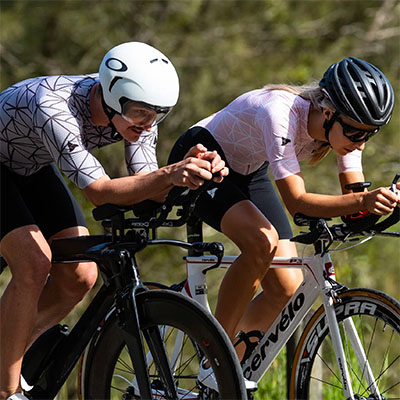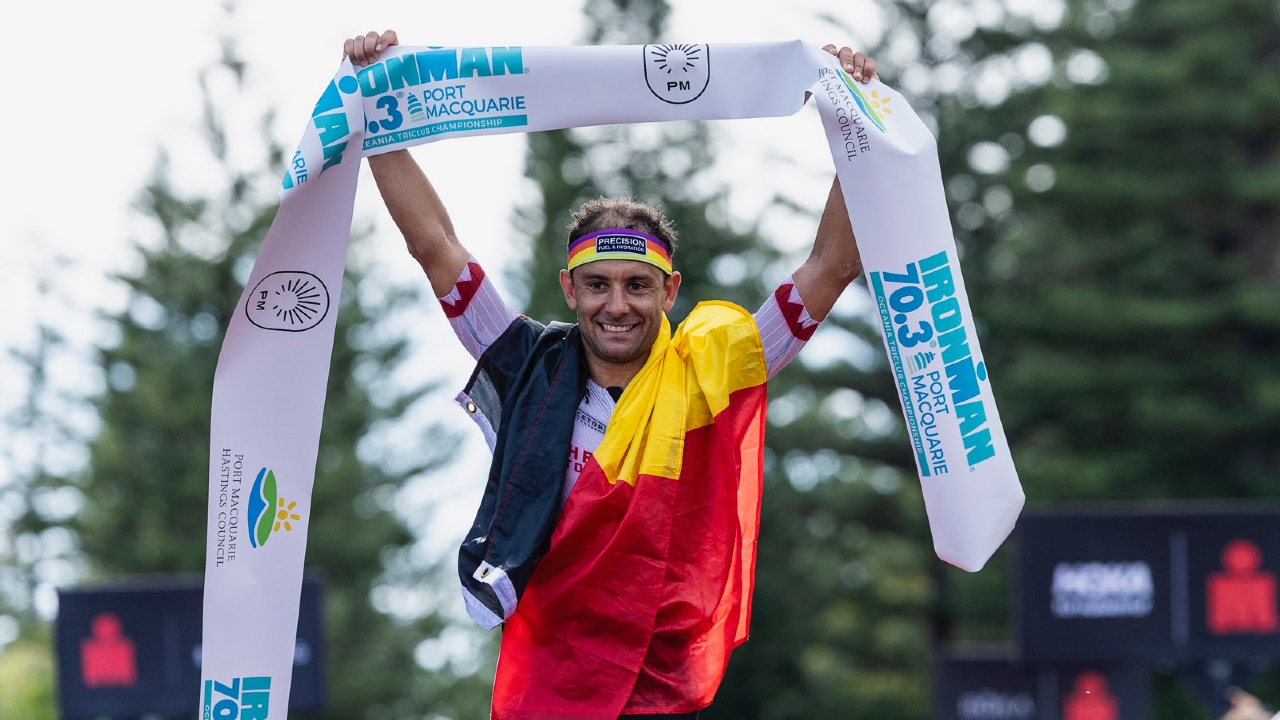


Post-race nutrition determines how quickly you recover, adapt, and return to training. After a triathlon, glycogen stores are depleted, muscle tissue is damaged, and fluid/electrolyte balance is disrupted. What you eat immediately after the race directly affects muscle repair, immune function, and next-day performance.

What Happens to the Body After a Triathlon?
A triathlon creates high metabolic stress. Glycogen levels drop significantly, especially in Olympic distance and above. Muscle fibers experience micro-damage from sustained load, particularly during the run. Fluid loss through sweat leads to dehydration and electrolyte imbalance. Cortisol levels rise, increasing protein breakdown. Recovery nutrition aims to reverse all of this quickly.
Magnesium supplementation is increasingly popular among endurance athletes for supporting recovery, reducing muscle soreness, and improving sleep quality. While oral supplements are common, topical magnesium can help target specific areas for quicker relief.
The Three Priorities of Recovery Nutrition
Recovery depends on three inputs: carbohydrates, protein, and fluids. Carbohydrates restore glycogen stores. Protein supports muscle repair and reduces breakdown. Fluids and electrolytes rehydrate the body and restore normal physiological function. These should be consumed as soon as possible, ideally within 30 to 60 minutes post-race.
Carbohydrates: Refill Glycogen Stores
Carbohydrates are the priority immediately after finishing. Aim for 1.0 to 1.2g of carbohydrate per kilogram of body weight within the first hour. This accelerates glycogen re-synthesis, especially important if you’re training again within 24 to 48 hours.
Fast-digesting sources work best:
- White rice, pasta, potatoes
- Fruit (bananas, berries)
- Sports drinks or recovery shakes
Protein: Repair Muscle Damage
Protein intake post-race reduces muscle breakdown and supports repair. Aim for 20 to 40g of high-quality protein within the first hour. This provides essential amino acids needed for recovery and adaptation.
Best sources:
- Whey protein shakes (fast absorption)
- Eggs, chicken, fish
- Greek yogurt or dairy
Combining protein with carbohydrates improves recovery efficiency. - A ratio of roughly 3:1 (carbs to protein) is effective for most athletes.
Fluids and Electrolytes: Rehydration Strategy
Rehydration should begin immediately after finishing. Weighing yourself pre- and post-race can help estimate fluid loss, but a general guideline is to consume 1.25 to 1.5L of fluid for every kilogram of body weight lost. Include sodium (500 to 1000mg/L) to improve fluid retention and restore electrolyte balance. Water alone is not enough after longer races.
Recovery by Distance
Recovery needs scale with race duration and intensity.
Sprint Distance
Recovery is relatively quick, but nutrition still matters. Glycogen depletion is moderate, and muscle damage is limited compared to longer races.
- Carbs: ~1g/kg
- Protein: 20 to 25g
- Fluids: Replace basic losses
A normal balanced meal within 1 to 2 hours is usually sufficient.
Olympic Distance
More structured recovery is required. Glycogen depletion and muscle stress are higher.
- Carbs: 1.0 to 1.2g/kg
- Protein: 25 to 30g
- Fluids: 1 to 1.5L over first few hours
Include a recovery snack immediately, followed by a full meal within 2 hours.
Half Ironman (70.3)
Significant glycogen depletion and muscle damage require aggressive refueling.
- Carbs: 1.0 to 1.2g/kg initially, continued intake over 4 to 6 hours
- Protein: 30 to 40g
- Fluids: Replace full sweat losses with electrolytes
Recovery should include multiple feeding windows, not just one meal.
Ironman
Recovery is prolonged and requires a sustained approach. Appetite may be suppressed, so liquid nutrition is often easier initially.
- Carbs: 1 to 1.2g/kg per hour for first 3 to 4 hours
- Protein: 30 to 40g initially, repeated intake
- Fluids: Aggressive rehydration with sodium
Small, frequent intake is more effective than large meals early on.
Best Post-Race Foods
Simple, digestible meals are most effective immediately after finishing.
Examples:
- Recovery shake (carbs + protein)
- Rice + lean protein (chicken/fish)
- Eggs + toast + fruit
- Yogurt + granola + berries
- Smoothies (banana, whey protein, milk)
- Avoid high-fat and high-fiber foods immediately post-race, as digestion is slower.
Timing: The Recovery Window
The first 60 minutes post-race is the most effective window for glycogen replenishment. Muscle cells are more sensitive to insulin, increasing carbohydrate uptake. Delaying intake slows recovery. However, recovery continues beyond this window. Continue eating balanced meals every 2 to 3 hours for the next 24 hours.
Common Mistakes
- Skipping immediate nutrition delays glycogen recovery.
- Consuming only protein without carbohydrates limits glycogen resynthesis.
- Drinking only water without electrolytes slows rehydration.
- Overeating high-fat foods post-race can cause GI discomfort.
- Ignoring recovery nutrition reduces adaptation and increases fatigue in following sessions.
Practical Checklist
- Eat within 30 to 60 minutes post-race
- Target 1.0 to 1.2g/kg carbohydrates
- Include 20 to 40g protein
- Rehydrate with electrolytes, not just water
- Continue eating every 2 to 3 hours
- Adjust intake based on race distance
What You Should Do?
Plan your recovery nutrition before race day. Have food ready immediately after finishing to don’t rely on race venue options. Use simple, tested foods your body tolerates. Track how you feel in the 24 to 48 hours post-race. If recovery is slow, increase carbohydrate intake or improve hydration strategy.