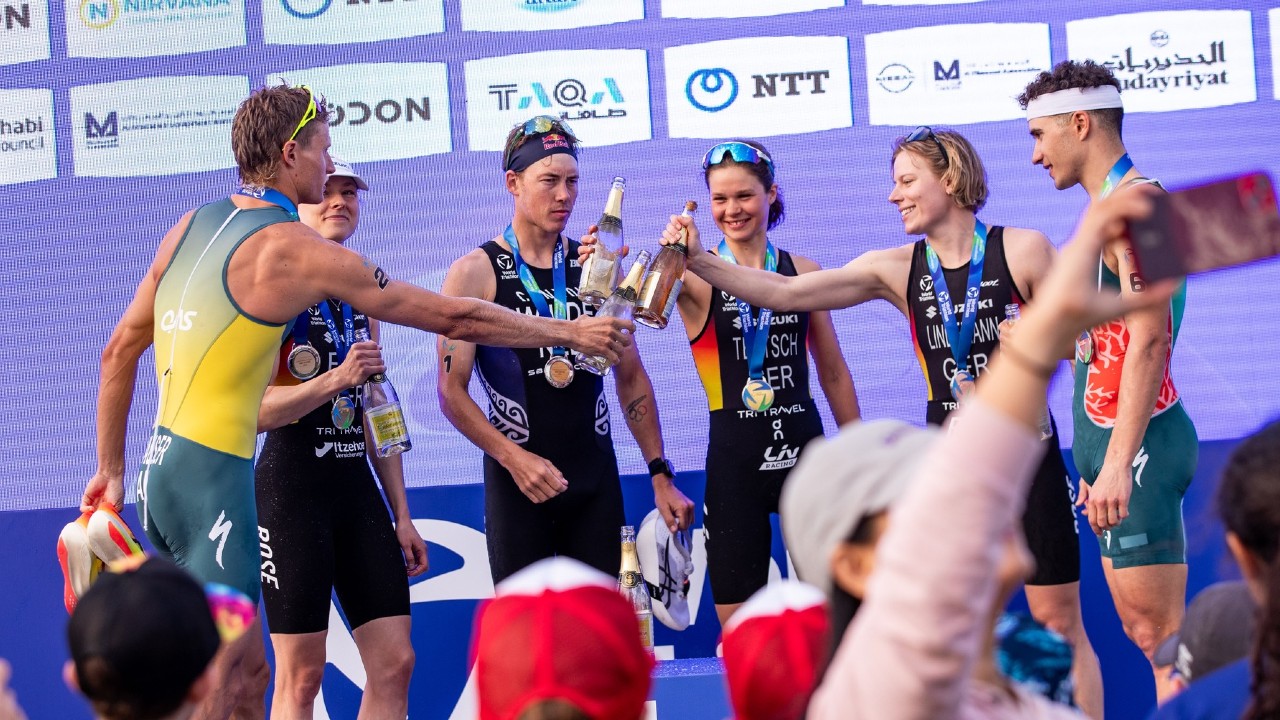


Post-training nutrition is the process of refuelling, repairing, and adapting after a demanding session. For triathletes, this means restoring glycogen, supporting muscle repair, and preparing the body for the next workout. What you eat after a hard session directly affects recovery speed, training consistency, and long-term performance progression.

Why Post-Training Nutrition Matters?
Hard sessions, long rides, brick workouts, interval runs, or threshold swims, deplete glycogen stores and create muscle damage. Without targeted nutrition, recovery slows and performance drops in subsequent sessions. Effective recovery nutrition supports glycogen replenishment, muscle repair, hydration balance, and immune function. These principles sit at the core of endurance fuelling, which is why understanding triathlon nutrition fundamentals helps put recovery into context within your overall training approach. Consistent fuelling across sessions is what allows adaptation to happen over time.
The Recovery Window Explained
- The first 30 to 60 minutes after training is when the body is most efficient at absorbing carbohydrates and protein.
- This period is often referred to as the recovery window, but it is only the starting point.
- Athletes who train more than once per day need to be especially precise with timing, because recovery between sessions becomes limited.
- Structuring intake around sessions, as outlined in how to fuel for a triathlon, ensures glycogen restoration begins immediately and continues effectively.
- Total intake over the next few hours determines how well you recover, not just what you consume right after finishing.
Carbohydrates: Rebuilding Energy Stores
- Carbohydrates are the primary focus after hard training because glycogen stores are heavily depleted in endurance sessions.
- Aim for 1.0 to 1.2g of carbohydrate per kg of body weight within the first hour.
- For a 70kg athlete, that equates to roughly 70 to 85g of carbohydrates.
- This intake becomes even more important when training includes long-duration work or race-specific sessions, where fuelling demands are already high.
- Aligning post-session intake with strategies used in what to eat before a triathlon helps create a consistent fuelling cycle that supports both performance and recovery.
- Prioritising easily digestible carbohydrate sources ensures faster replenishment when time between sessions is limited.
Protein: Supporting Muscle Repair
- Protein plays a key role in repairing muscle damage and supporting adaptation after training stress.
- Triathletes should aim for 20 to 40g of high-quality protein shortly after finishing a session.
- This supports muscle protein synthesis and helps rebuild fibres damaged during hard efforts.
- Recovery nutrition works best when protein intake is aligned with the overall structure of your training week.
- Integrating this alongside guidance from a triathlon training plan ensures nutrition supports both intensity and volume demands.
- Consistency in protein intake across sessions is more effective than focusing on isolated workouts.
Hydration and Electrolytes
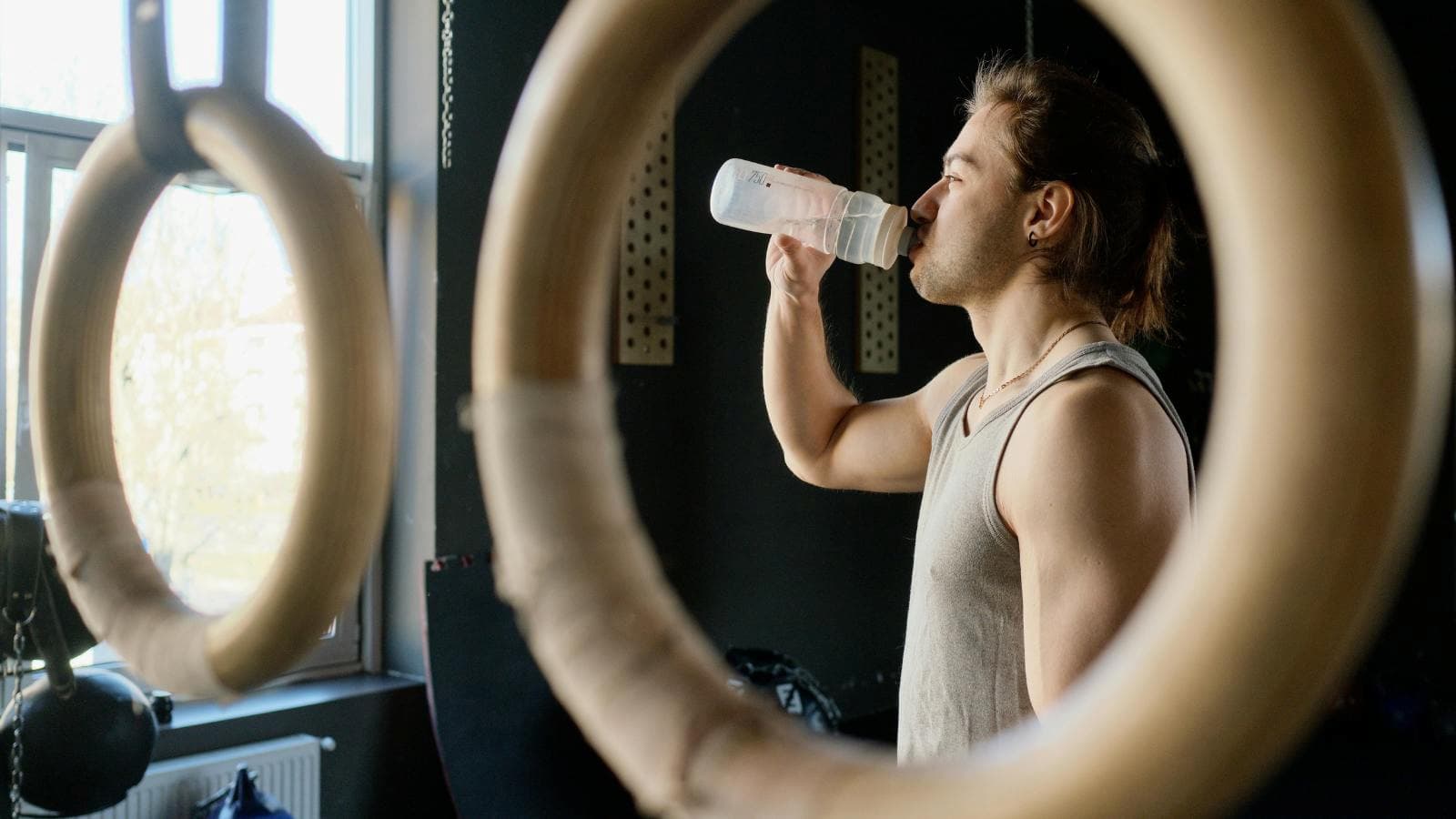
Fluid loss during training can exceed one litre per hour, especially in hot or humid conditions. Rehydration is not just about replacing water, it also requires restoring electrolytes. Athletes should aim to replace 125 to 150% of fluid lost and include sodium to improve fluid retention. This is particularly important after long rides, bricks, or race simulations. Hydration strategies should not be treated separately from fuelling, as both directly impact recovery quality. Applying structured approaches such as those outlined in how much water you should drink while training helps ensure fluid balance is restored efficiently. Poor hydration delays recovery and increases fatigue in subsequent sessions.
Timing: Immediate vs Delayed Nutrition
- Not all athletes feel hungry immediately after hard sessions, particularly after high-intensity work.
- However, delaying intake slows glycogen replenishment and muscle repair.
- When appetite is low, liquid nutrition becomes a practical solution.
- Smoothies or recovery shakes allow athletes to start the recovery process without relying on solid food.
- This approach is especially useful in high-volume phases where energy demands are elevated.
- Ensuring adequate intake across the day, prevents cumulative fatigue from building over multiple sessions.
- Consistency remains the key driver of recovery success.
Example Post-Training Meals
- Recovery meals should combine carbohydrates, protein, and fluids in a balanced way.
- Examples include chicken with rice, oats with protein and fruit, smoothies with yogurt and carbohydrates, or eggs on whole grain toast.
- These options provide both fast and sustained energy release.
- Meal structure should reflect the demands of your training, especially when sessions vary in intensity.
- Using guidance from how to fuel for a triathlon can help refine meal composition so that recovery supports upcoming sessions effectively.
- Choosing simple, repeatable meals makes consistency easier to maintain.
Adjusting Intake Based on Session Type
- Recovery nutrition should always match the type of session completed.
- Long endurance sessions require higher carbohydrate intake to restore glycogen.
- High-intensity sessions require a balance of carbohydrates and protein. Strength sessions place greater emphasis on protein intake.
- This variation reflects the overall structure of your training, where different sessions create different physiological demands.
- Aligning recovery with the structure outlined in a how to fuel for ironman triathlon ensures nutrition supports each session type appropriately. Precision in fuelling improves both recovery speed and performance outcomes.
Common Mistakes Triathletes Make
- Many triathletes under-fuel after sessions, focusing more on pre-training nutrition than recovery.
- This leads to fatigue accumulating across the week.
- Skipping protein is another common issue, reducing the body’s ability to repair and adapt to training stress.
- Delaying food intake also slows recovery and reduces glycogen replenishment efficiency.
- Hydration is often overlooked, despite its direct impact on performance and recovery.
- Applying structured hydration strategies, such as those in carb loading for triathlon, helps prevent these issues from affecting subsequent sessions. Addressing these mistakes early improves consistency across training blocks.
Practical Recovery Strategy
A simple recovery structure works for most triathletes:
- Consume carbohydrates and protein within 30 to 60 minutes
- Rehydrate with fluids and electrolytes
- Eat a balanced meal within 2 to 3 hours
- Adjust intake based on session demands
Recovery should be treated as part of training, not separate from it. When aligned with broader fuelling strategies such as what to eat during a triathlon, it creates a complete system that supports performance and adaptation. Repeating this consistently leads to measurable improvements over time.
Key Takeaways
- Carbohydrates are essential for glycogen replenishment
- Protein supports muscle repair and adaptation
- Recovery should start within 60 minutes
- Hydration must include electrolytes
- Nutrition should match session demands