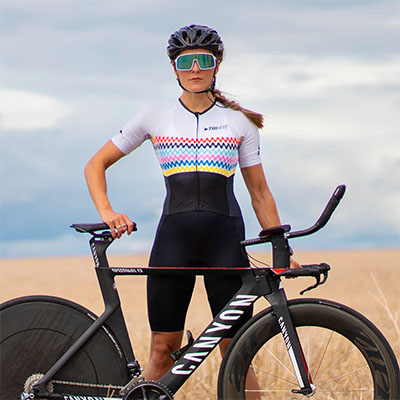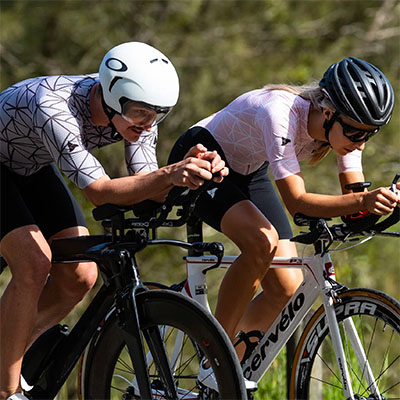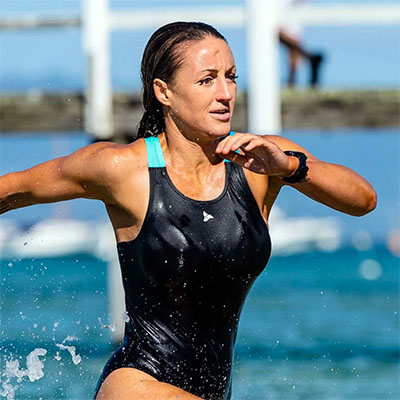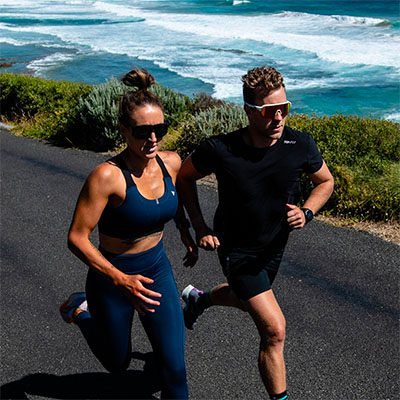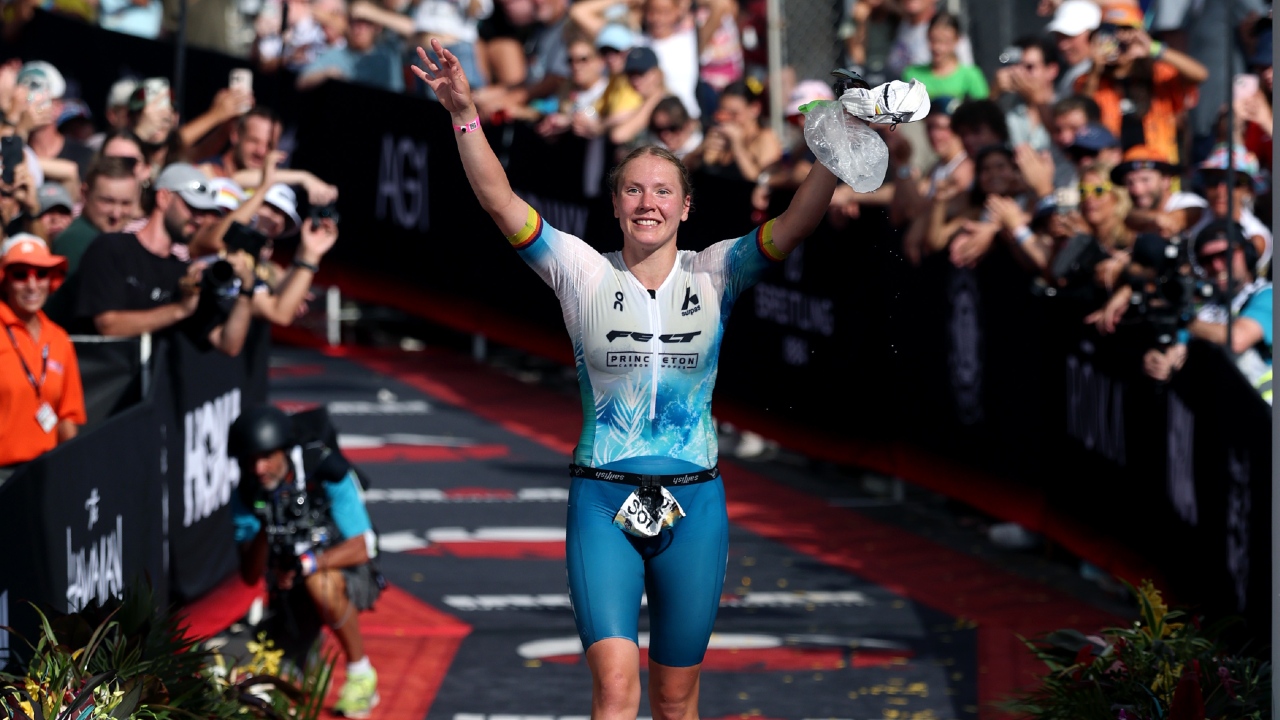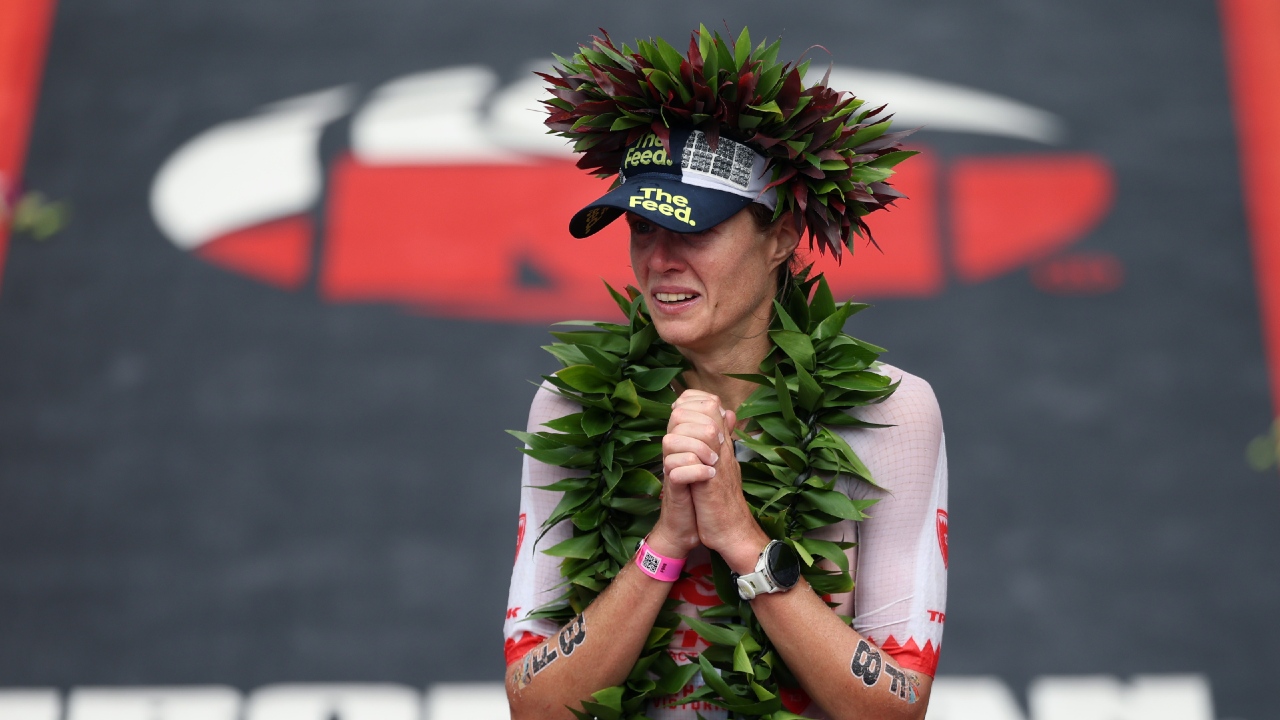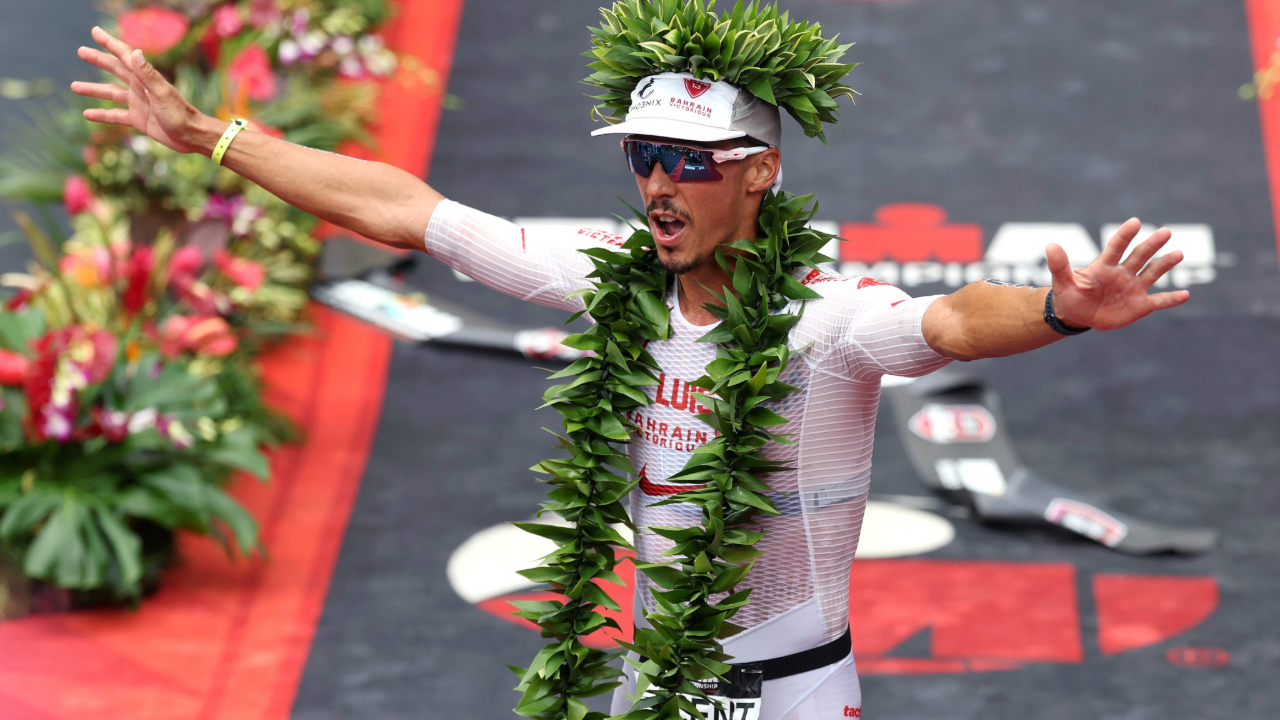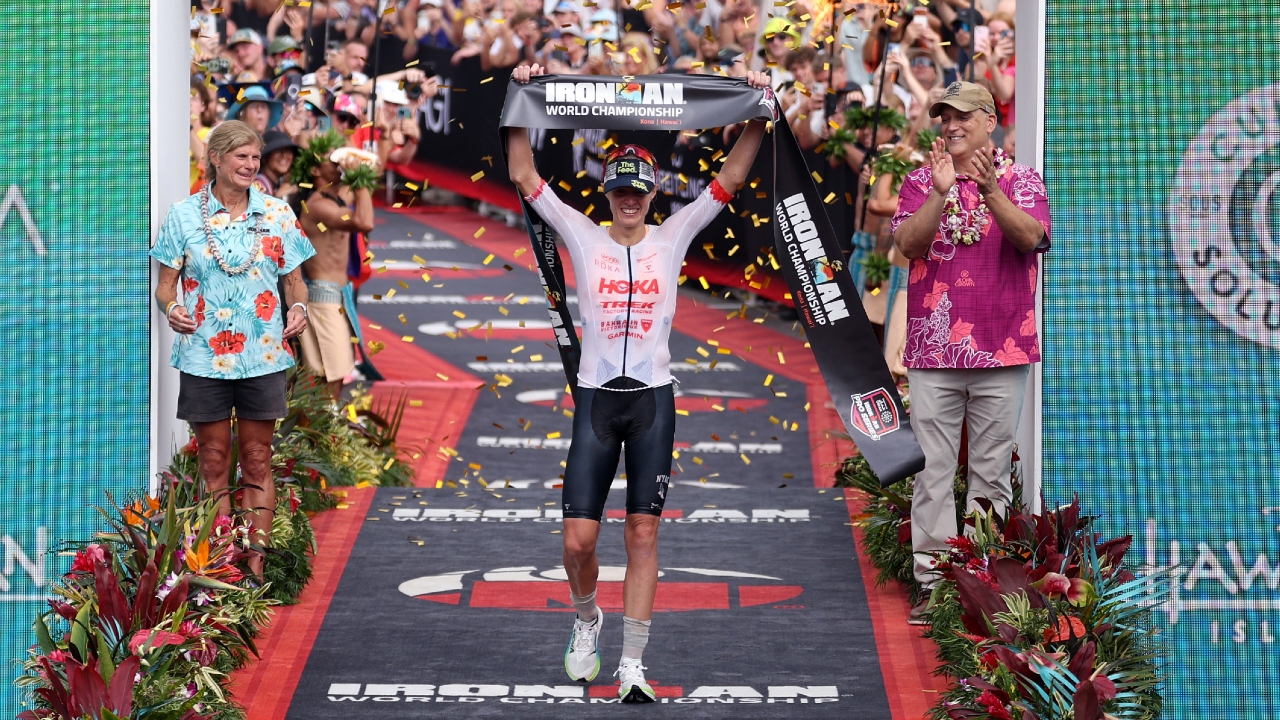


Successfully completing a triathlon requires more than training, it demands smart fueling throughout the race. Eating and drinking during your triathlon helps maintain energy, delay fatigue, and keep your body functioning optimally during swimming, cycling, and running. Without a proper fueling strategy, even well-trained athletes risk hitting the dreaded “wall.” Understanding what, when, and how much to consume can make the difference between finishing strong or struggling to the end.

Why In-Race Nutrition Matters
During long endurance events, your glycogen stores, the body’s primary energy source, can be depleted quickly. Once these stores run low, your muscles and brain fatigue, slowing performance and increasing the risk of mistakes or injury. By consuming the right combination of carbohydrates, electrolytes, and fluids during the race, you can maintain steady energy levels, prevent dehydration, and reduce muscle cramps.
Read our guide on How to relieve Sore Muscles to understand better about the importance of recovery nutrition and post-race muscle care, so you can bounce back faster for your next training session or race.
Carbohydrates: Your Primary Fuel
Carbs are the most important nutrient for fueling endurance performance. During a triathlon, aim to consume 30 to 60 grams of carbohydrates per hour, depending on your race distance and intensity. Popular options include:
- Energy gels or chews
- Sports drinks
- Small pieces of banana or dried fruit
For longer events like half Ironman or Ironman distances, some athletes also use energy bars or low-fiber snacks to provide a mix of fast and slow release carbs.
Electrolytes and Hydration
Fluids and electrolytes are just as crucial as calories during the race. Sweat not only removes water from your body but also essential minerals like sodium, potassium, and magnesium. Without replacing these, you risk dehydration, cramping, and poor performance. Tips for proper hydration include:
- Drink small amounts consistently at aid stations
- Use electrolyte tablets or sports drinks for long races
- Avoid plain water overload, which can dilute sodium levels
Protein During Long Races
While carbs are the primary fuel, small amounts of protein during longer races can help reduce muscle breakdown and support recovery. Options include:
- Protein-infused energy gels or chews
- Small pieces of nut butter with toast (for longer cycling segments)
Protein is usually less critical for sprint or Olympic distance races but becomes more important during endurance events lasting 4 to 8 hours.
Practical Fueling Tips
- Plan Ahead: Know where aid stations are and what foods/drinks will be available. Carry your own preferred nutrition if needed.
- Practice During Training: Don’t try new gels, bars, or drinks on race day. Test them during long rides or brick sessions to ensure your stomach tolerates them.
- Timing Is Key: Consume carbs and fluids at regular intervals rather than waiting until you feel exhausted. A good rule is every 20 to 30 minutes during cycling and every 30 to 45 minutes during running.
- Adjust for Race Conditions: Heat, humidity, and intensity can increase fluid and electrolyte needs. Monitor sweat loss and adapt your intake accordingly.
Recovery Nutrition Post-Race
Fueling doesn’t end at the finish line. Post-race nutrition helps restore glycogen, repair muscles, and rehydrate the body. Aim to consume a combination of carbohydrates and protein within 30 to 60 minutes after finishing. Examples include:
- Chocolate milk or a recovery shake
- A banana with peanut butter
- Low-fat yogurt with berries
Final Tips
Every triathlete’s digestive system reacts differently, so practice your in-race fueling strategy during training. Start with small, easily digestible portions, and adjust timing based on how your body feels. Remember, consistency is more important than large quantities – frequent small sips and bites are better than waiting until fatigue sets in. Combine this fueling plan with your hydration strategy to stay energized and focused, giving you the best chance to perform at your peak across all three disciplines.