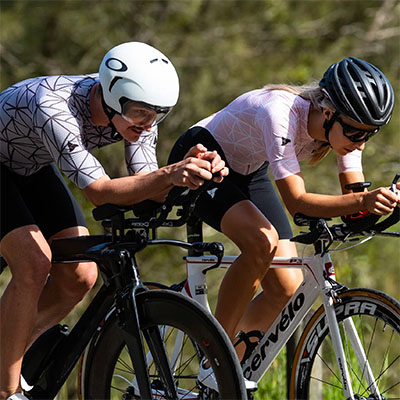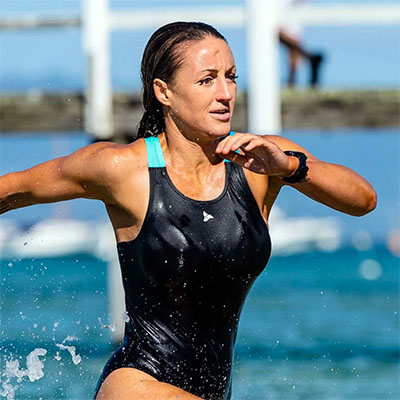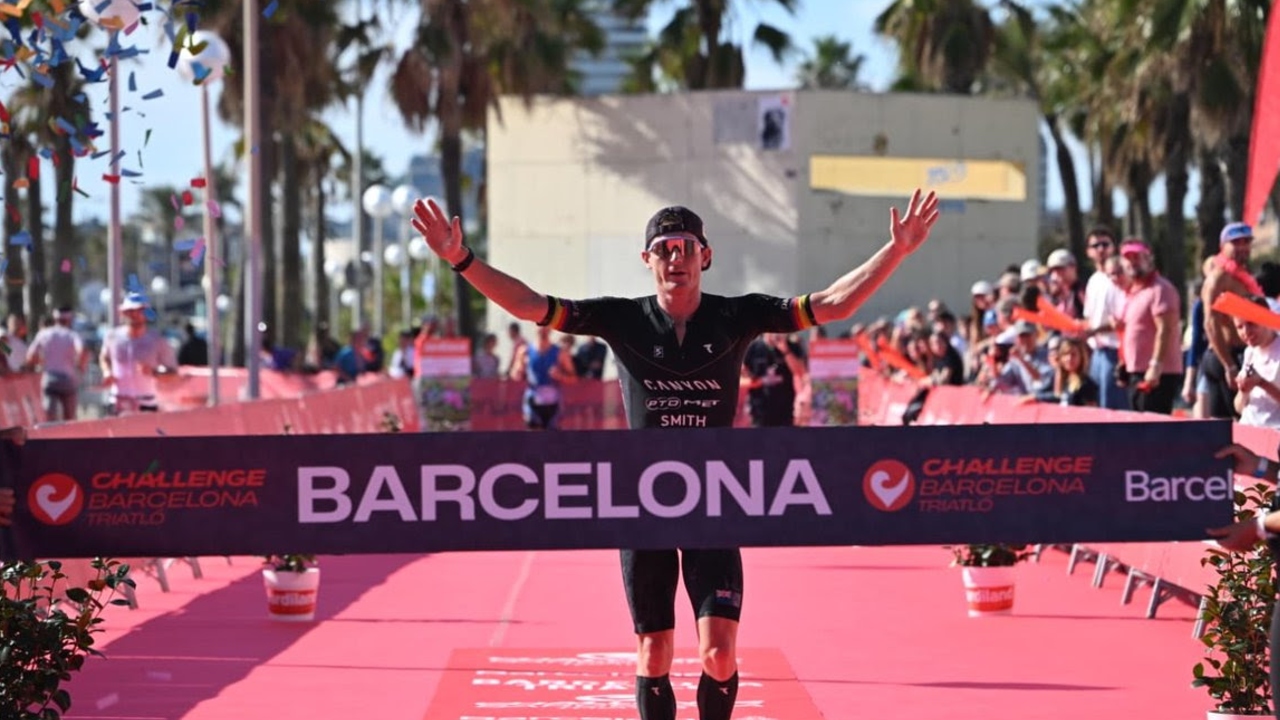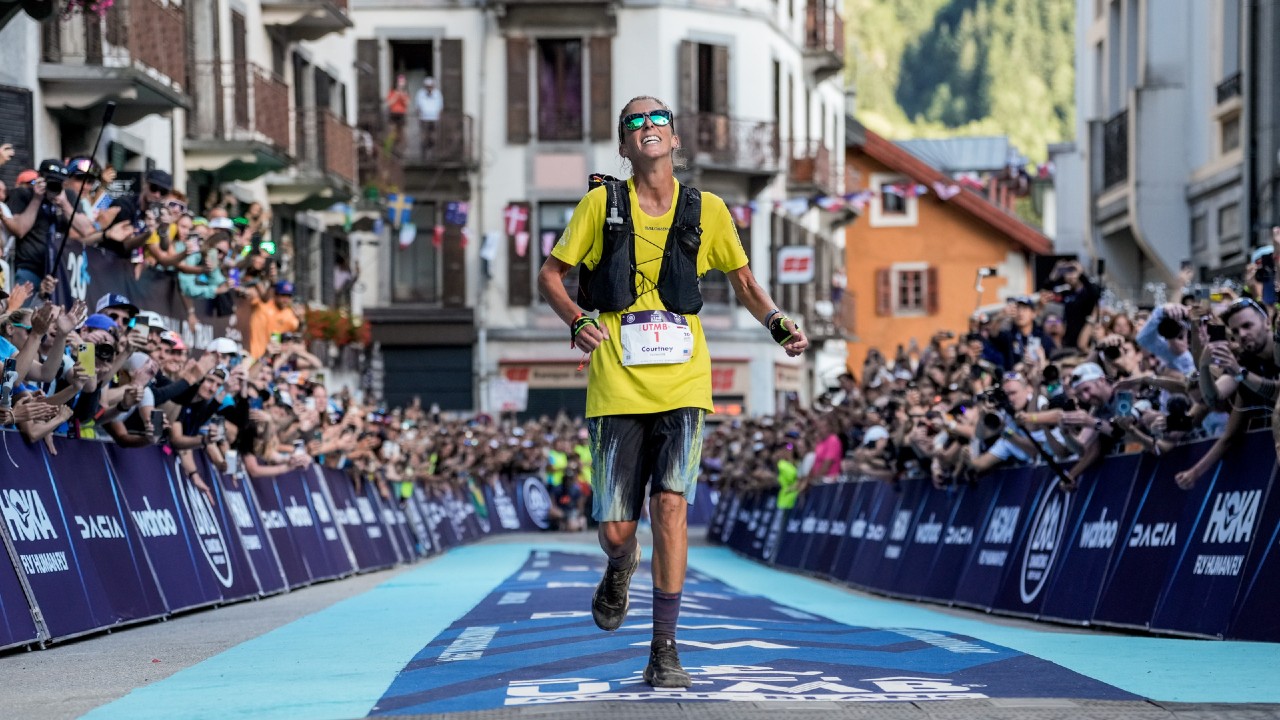


Hydration in triathlon is about maintaining fluid balance to support performance across swim, bike, and run. It is not just about drinking more water, it is about replacing what you lose through sweat while avoiding both dehydration and overhydration. A structured hydration strategy ensures stable energy levels, controlled heart rate, and consistent performance from start to finish.
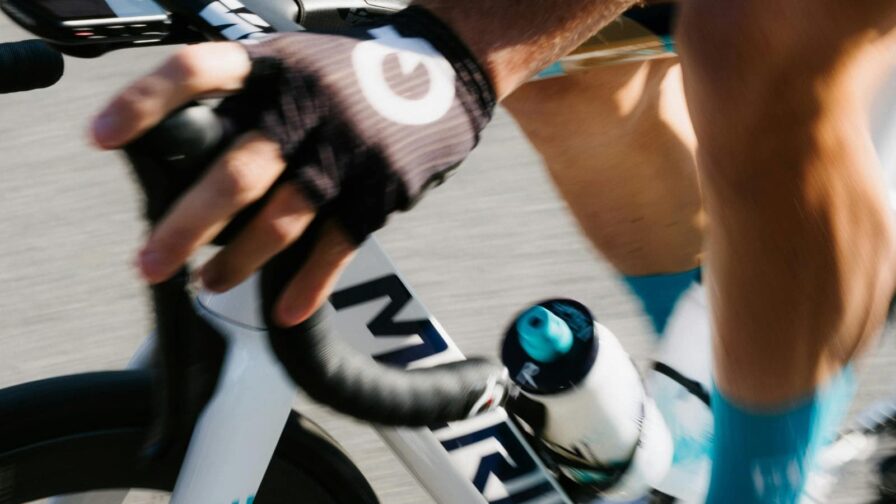
What Hydration Actually Means in Triathlon?
Hydration is the process of maintaining optimal fluid levels in the body to support circulation, temperature regulation, and muscle function. During triathlon, fluid loss occurs continuously through sweat, especially on the bike and run. If this loss is not managed, performance declines due to reduced blood volume and increased strain on the body.
Hydration must be planned, not reactive.
Why Hydration Matters for Performance?
- Even small levels of dehydration can reduce endurance performance.
- Fluid loss increases heart rate, reduces cooling efficiency, and accelerates fatigue.
- Overhydration, on the other hand, can dilute sodium levels and lead to imbalance.
- The goal is to maintain equilibrium, replacing enough fluid to support performance without excess.
Sweat Rate and Individual Needs
- Every triathlete has a different sweat rate.
- Factors such as body size, intensity, and environmental conditions influence how much fluid you lose.
- Understanding your sweat rate helps determine how much you need to drink during training and racing.
- There is no universal hydration plan, individualization is key.
Hydration Strategy by Race Distance
Hydration needs change significantly depending on race duration.
Sprint Distance
- Short races require minimal hydration during the event.
- Pre-race hydration is usually sufficient, with small fluid intake on the bike if needed.
Olympic Distance
- Moderate hydration is required, primarily during the bike leg.
- Fluid intake should be steady but not excessive.
Half Ironman
- Hydration becomes critical.
- Consistent intake throughout the bike and run is necessary to maintain performance.
Ironman
- Hydration strategy becomes a major performance factor.
- Fluid and electrolyte intake must be maintained over several hours to prevent fatigue and imbalance.
This is where structured planning becomes essential, especially when aligned with how to train for ironman triathlon, where long-duration performance depends on consistent fueling and hydration.
Hydration Strategy by Weather Conditions
Weather has a direct impact on hydration needs.
Hot Conditions
- Higher temperatures increase sweat rate and fluid loss.
- More frequent intake is required to maintain balance.
- Electrolytes become more important to replace sodium loss.
Cold Conditions
- Sweat loss still occurs, but thirst signals may be reduced.
- Hydration is often neglected in cold weather, leading to gradual dehydration.
- Maintaining consistent intake is still important.
Humid Conditions
- Humidity reduces the body’s ability to cool itself through sweat.
- This increases fluid loss and stress on the body.
- Hydration must be carefully managed to avoid overheating.
- Adapting hydration strategies based on conditions is essential for maintaining performance.
Electrolytes and Fluid Balance
- Hydration is not just about water.
- Electrolytes, especially sodium, help retain fluid and maintain balance.
- Without electrolytes, fluid absorption is less effective.
This connection becomes critical when applying electrolytes for triathletes, where sodium intake supports hydration efficiency.
When and How to Drink?
- Hydration should begin early in the race and continue at regular intervals.
- Small, consistent intake is more effective than large, infrequent drinking.
- Waiting until you feel thirsty often means you are already dehydrated.
- Structured timing improves consistency and performance.
Hydration on the Bike vs Run
- The bike leg is the best opportunity to hydrate effectively.
- You have easier access to fluids and a more stable effort level.
- On the run, hydration becomes more challenging due to higher intensity and movement.
- This makes early hydration on the bike even more important for overall performance.
Signs of Dehydration and Overhydration
- Dehydration can lead to fatigue, dizziness, and reduced performance.
- Overhydration can dilute sodium levels and affect muscle function.
- Recognising these signs early helps you adjust intake before performance is affected.
- Balance is the goal, not extremes.
Common Mistakes
- Drinking only when thirsty leads to inconsistent hydration.
- Ignoring electrolytes reduces fluid absorption.
- Overdrinking water without sodium causes imbalance.
- Not adjusting intake for weather limits performance.
- Trying new hydration strategies on race day increases risk.
Practical Checklist
- Determine your sweat rate in training
- Start hydrating early in the race
- Maintain consistent fluid intake
- Include electrolytes for balance
- Adjust hydration based on weather conditions
What You Should Do?
- Start by testing your hydration strategy during training sessions.
- Track how much you drink and how your body responds in different conditions.
- Keep your approach simple and repeatable.
- Adjust based on race distance and weather rather than following a fixed plan.
- Hydration is not about drinking more, it is about drinking correctly to support performance.