

Electrolytes are minerals that help regulate fluid balance, muscle contractions, and nerve function. For triathletes, they are critical for maintaining performance during training and racing, especially in longer events where sweat loss is significant. Getting electrolytes right is not about taking more, it is about taking the right amount at the right time.
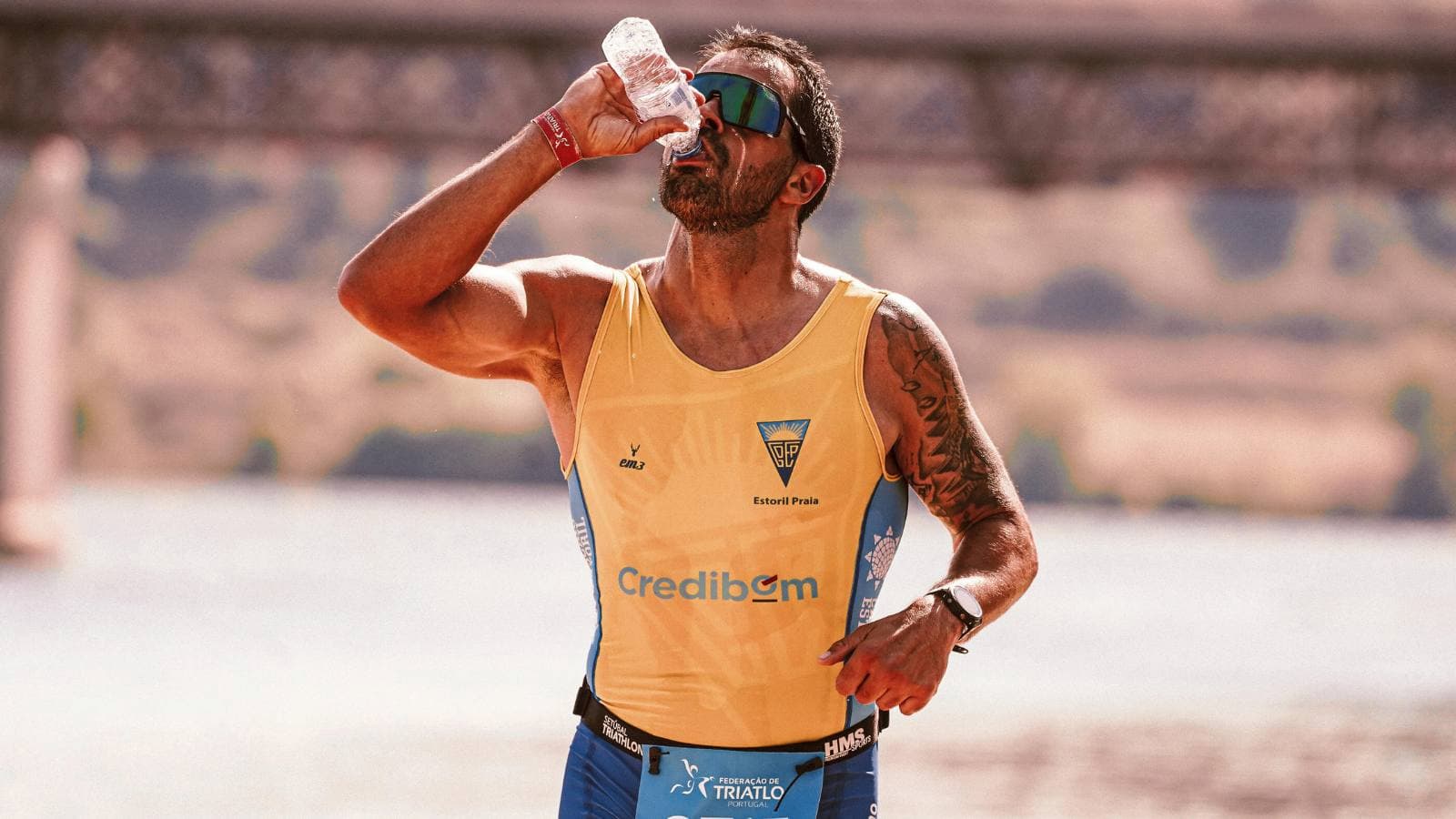
What Electrolytes Actually Do?
Electrolytes include sodium, potassium, magnesium, and calcium. These minerals control how fluids move in and out of cells and support muscle and nerve function. Sodium is the most important electrolyte for endurance athletes because it is lost in the highest amounts through sweat.
Without proper electrolyte balance, hydration becomes ineffective and performance declines.
Why Electrolytes Matter in Triathlon?
- Triathlon involves sustained effort across multiple disciplines, often in warm conditions.
- This leads to continuous fluid and electrolyte loss.
- If these losses are not replaced, dehydration, cramping, and reduced performance can occur.
- Electrolytes help maintain blood volume, regulate temperature, and support muscle function throughout the race.
- This becomes increasingly important as race duration increases.
Sodium: The Key Electrolyte
- Sodium is the primary electrolyte lost in sweat and the most important to replace.
- It helps retain fluid, maintain blood pressure, and prevent muscle dysfunction.
- Low sodium levels can lead to fatigue, dizziness, and reduced performance.
- For most triathletes, sodium intake during long sessions is essential to maintain balance.
Potassium, Magnesium, and Calcium
- While sodium is the priority, other electrolytes also play supporting roles.
- Potassium helps regulate muscle contractions and fluid balance.
- Magnesium supports muscle relaxation and energy production.
- Calcium contributes to muscle contraction and nerve signaling.
- These are usually consumed in smaller amounts compared to sodium but still contribute to overall balance.
Electrolytes and Hydration
- Hydration is not just about water intake. Without electrolytes, fluid absorption is less effective.
- Drinking only water during long efforts can dilute sodium levels and reduce performance.
- Electrolytes improve fluid retention and help maintain balance during prolonged exercise.
This is why hydration strategies must include both fluids and electrolytes, especially when applying principles from hydration strategy for triathlon to match intake with conditions and duration.
How Much Electrolytes Do You Need?
- Electrolyte needs vary depending on sweat rate, temperature, and race duration.
- Most triathletes require consistent sodium intake during longer sessions to replace losses.
- Sweat testing or tracking how you feel during training can help determine your individual needs.
- There is no single number that works for everyone.
Electrolytes by Race Distance
- Electrolyte requirements increase with race duration.
- In shorter races, losses are lower and may not require structured replacement.
- In longer races like half Ironman and Ironman, consistent electrolyte intake becomes essential.
- Maintaining balance over several hours is critical for performance and safety.
Signs of Electrolyte Imbalance
- Electrolyte imbalance can present in several ways.
- Muscle cramping, fatigue, dizziness, and reduced performance are common signs.
- Severe imbalance can lead to more serious issues affecting performance and health.
- Recognising early signs allows you to adjust intake before problems escalate.
Electrolytes and Cramping
- Cramping is often associated with electrolyte imbalance, particularly sodium loss.
- While not the only cause, insufficient electrolyte intake increases the risk.
- Maintaining consistent intake during training and racing helps reduce this risk.
- It is also important to combine electrolyte intake with proper pacing and hydration.
Timing and Consistency
- Electrolyte intake should be consistent rather than reactive.
- Waiting until symptoms appear is too late.
- Small, regular intake throughout the race maintains balance more effectively than large, infrequent doses.
- This approach supports stable performance across all disciplines.
Integrating Electrolytes With Fueling
Electrolytes work alongside carbohydrates and fluids to support performance. They should be part of a complete fueling strategy rather than treated separately. Many sports drinks combine carbohydrates and electrolytes, simplifying intake.
Understanding how these elements work together becomes clearer when aligned with how to fuel for a triathlon, where energy and hydration must be balanced throughout the race.
Common Mistakes
- Relying only on water reduces electrolyte balance and performance.
- Overconsuming electrolytes without considering fluid intake leads to imbalance.
- Ignoring individual sweat rate results in ineffective strategies.
- Using untested products on race day increases risk of issues.
- Not adjusting intake based on conditions limits performance.
Practical Checklist
- Include sodium as the primary electrolyte
- Combine electrolytes with fluid intake
- Start intake early and maintain consistency
- Adjust based on sweat rate and conditions
- Test strategy during training
What You Should Do?
- Start by understanding your sweat rate and how your body responds during long sessions.
- Introduce electrolytes into your training and monitor performance and comfort.
- Keep your approach simple and consistent rather than overly complex.
- Adjust intake based on race conditions and duration.
- Electrolytes are not about extremes, they are about maintaining balance so your body can perform efficiently over time.