

The bike split is the most influential part of a triathlon. It determines how much energy you have left for the run and how effectively you execute your race strategy. Optimizing your bike split is about controlled effort, efficient riding, and precise fueling, not just riding harder.
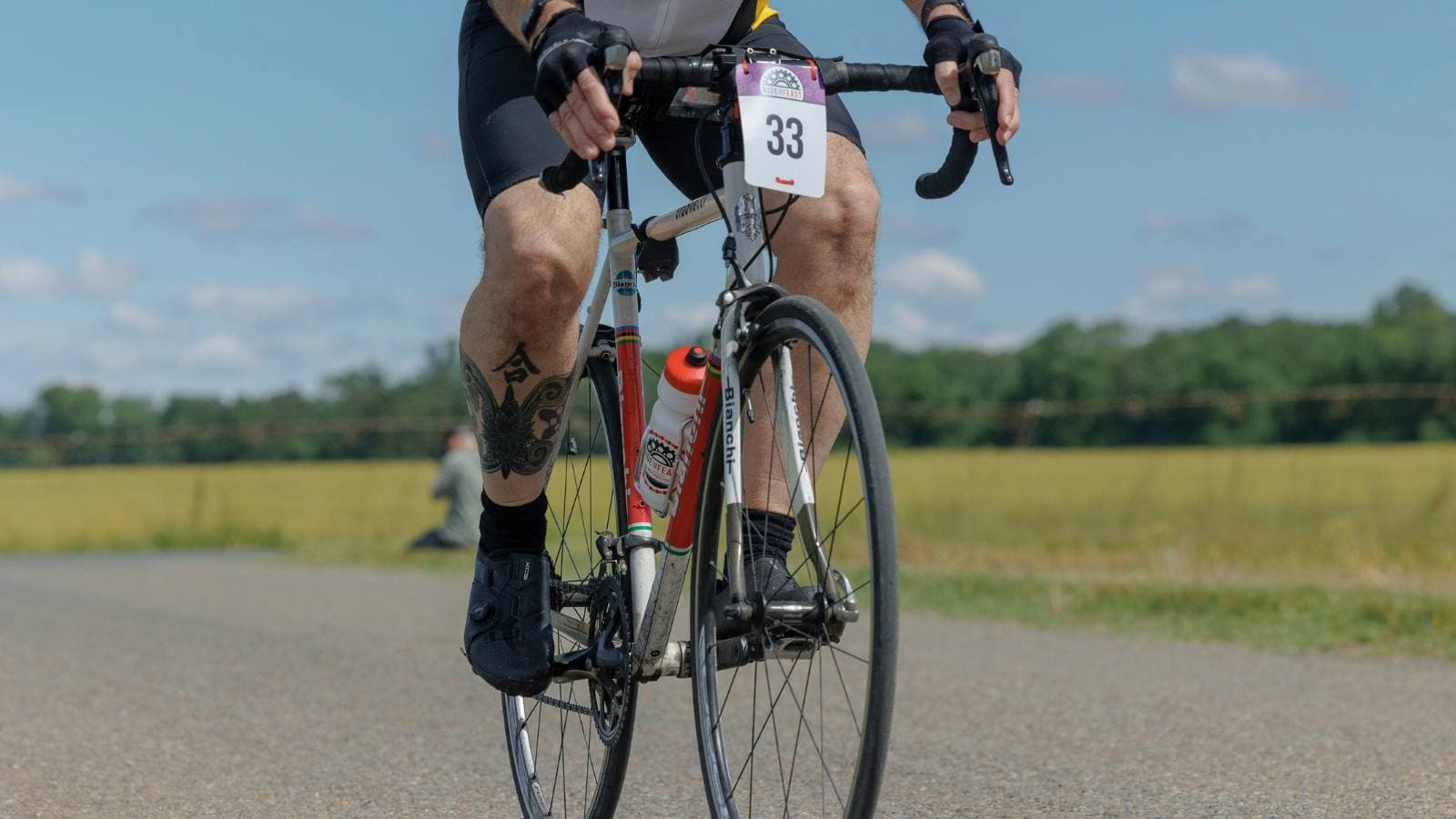
What Bike Split Optimization Actually Means?
Optimizing your bike split means riding at the highest sustainable intensity while preserving enough energy for the run. It requires balancing power output, aerodynamics, cadence, and nutrition. Every decision made on the bike directly affects overall race performance.
The goal is consistency, not peaks and drops in effort.
Why the Bike Split Is Critical?
- The bike leg is the longest portion of most triathlons, making it the biggest opportunity to gain or lose time.
- Riding too hard early leads to fatigue that carries into the run.
- Riding too conservatively limits overall performance.
- Finding the right balance is key to finishing strong.
Pacing Your Effort Correctly
- Pacing is the most important factor in bike split optimization.
- Effort should feel controlled from the start, even when adrenaline is high.
- Maintaining steady output prevents spikes in fatigue and supports consistent performance.
Understanding how effort relates to capacity becomes clearer when aligned with what is FTP in triathlon, where sustainable power defines pacing limits.
Using Power or Effort Zones
- Power meters or perceived effort can guide pacing.
- Riding within a defined range ensures you do not exceed sustainable limits.
- Staying consistent across the entire ride is more effective than chasing speed early.
- Controlled effort leads to better overall race execution.
Aerodynamics and Position
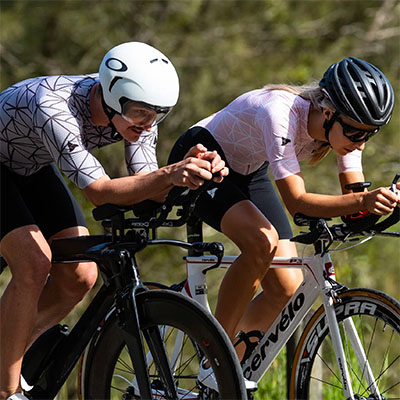
- Aerodynamics significantly impacts speed without increasing effort.
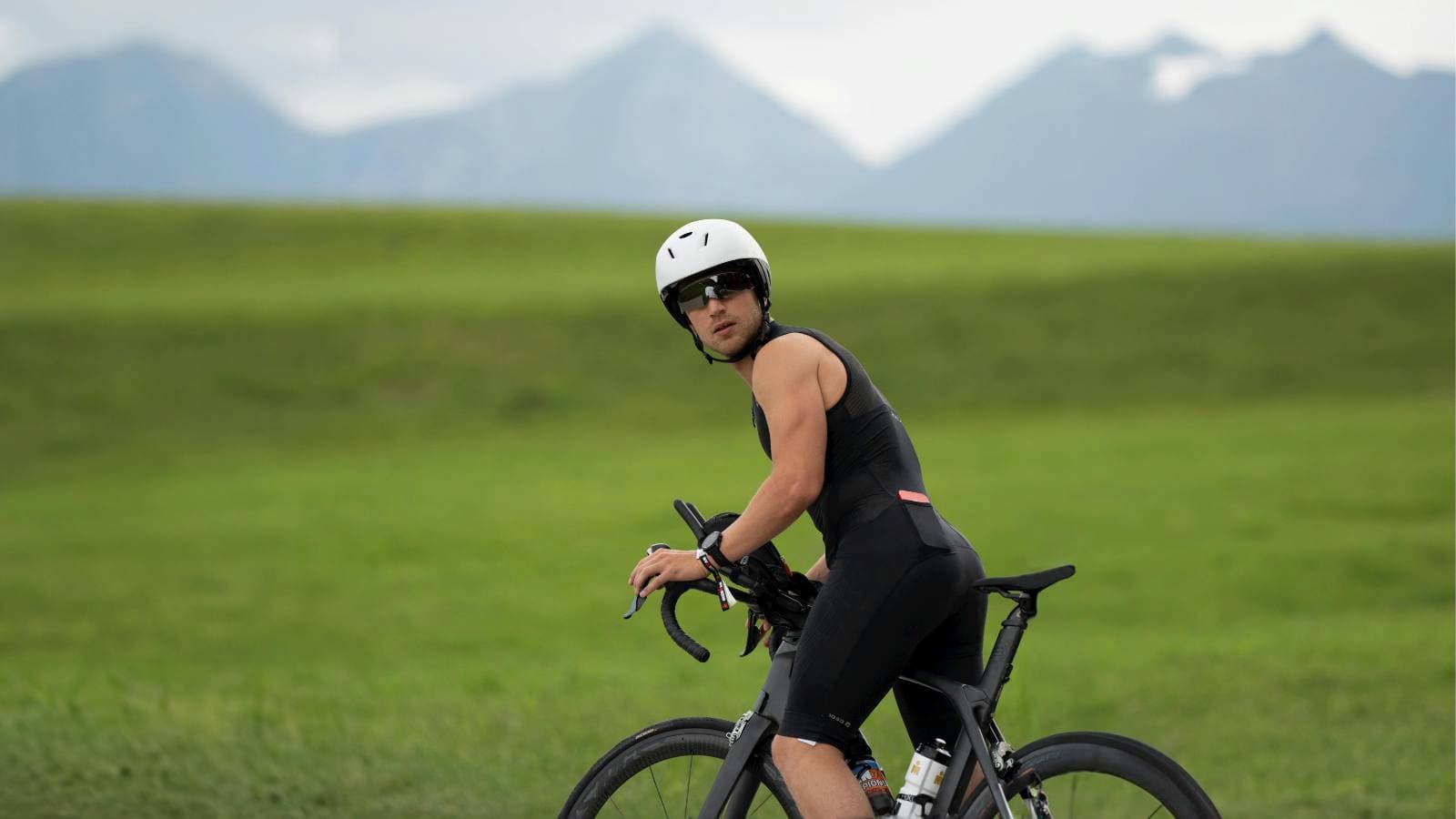
- Maintaining a stable, efficient position reduces drag and improves performance.
- Small changes in body position can lead to meaningful gains over long distances.
- Comfort is also important, as you need to hold position consistently.
Cadence and Efficiency
- Cadence affects how your muscles handle effort.
- A steady cadence helps distribute workload evenly and reduces fatigue.
- Efficient pedalling improves energy use and supports sustained power output.
Applying principles from what is a triathlon transitional area, helps maintain efficiency throughout the bike leg.
Fueling During the Bike Leg
- The bike is the primary opportunity to fuel effectively.
- Carbohydrate intake should begin early and remain consistent.
- Hydration and electrolytes must also be maintained to support performance.
- A structured approach to fueling is essential, especially when applying how to fuel for a triathlon to ensure energy availability for the run.
Managing Effort Across Terrain
- Terrain affects how you should distribute effort.
- Climbs often tempt athletes to push too hard, leading to early fatigue.
- Maintaining consistent effort rather than speed is more effective.
- On descents and flat sections, controlled pacing helps maintain rhythm.
Avoiding Early Race Mistakes
- The start of the bike leg is where most pacing errors happen.
- Adrenaline and competition can lead to excessive effort.
- Holding back early allows you to maintain performance later in the race.
- Discipline at the start leads to stronger overall results.
Transitioning to the Run
- The goal of the bike split is to set up the run.
- Finishing the bike leg with controlled fatigue allows you to maintain pace during the run.
- Overexertion leads to heavy legs and reduced running efficiency.
- A well-executed bike split feels controlled rather than exhausting.
Training for an Optimised Bike Split
Training should include race-specific sessions that simulate pacing and fueling. Long rides with controlled effort help develop consistency. Brick sessions improve the transition from bike to run.
This structured approach aligns with how to train for ironman triathlon, where pacing and endurance are built together.
Common Mistakes
- Starting too hard and fading later in the race reduces overall performance.
- Ignoring fueling leads to energy deficits during the run.
- Inconsistent pacing creates unnecessary fatigue.
- Poor aerodynamics limits efficiency.
- Not practicing race strategy in training leads to poor execution.
Practical Checklist
- Maintain controlled pacing from the start
- Stay within sustainable effort levels
- Hold an efficient aerodynamic position
- Fuel consistently during the bike leg
- Adjust effort based on terrain
- Practice race strategy in training
What You Should Do
- Start by understanding your sustainable effort level and build your race strategy around it.
- Practice pacing, fueling, and positioning during training so race day feels familiar.
- Focus on consistency rather than speed early in the race.
- Keep your approach simple and controlled.
- The best bike splits come from disciplined execution, not aggressive effort.