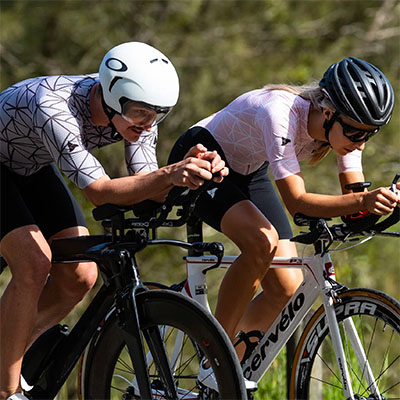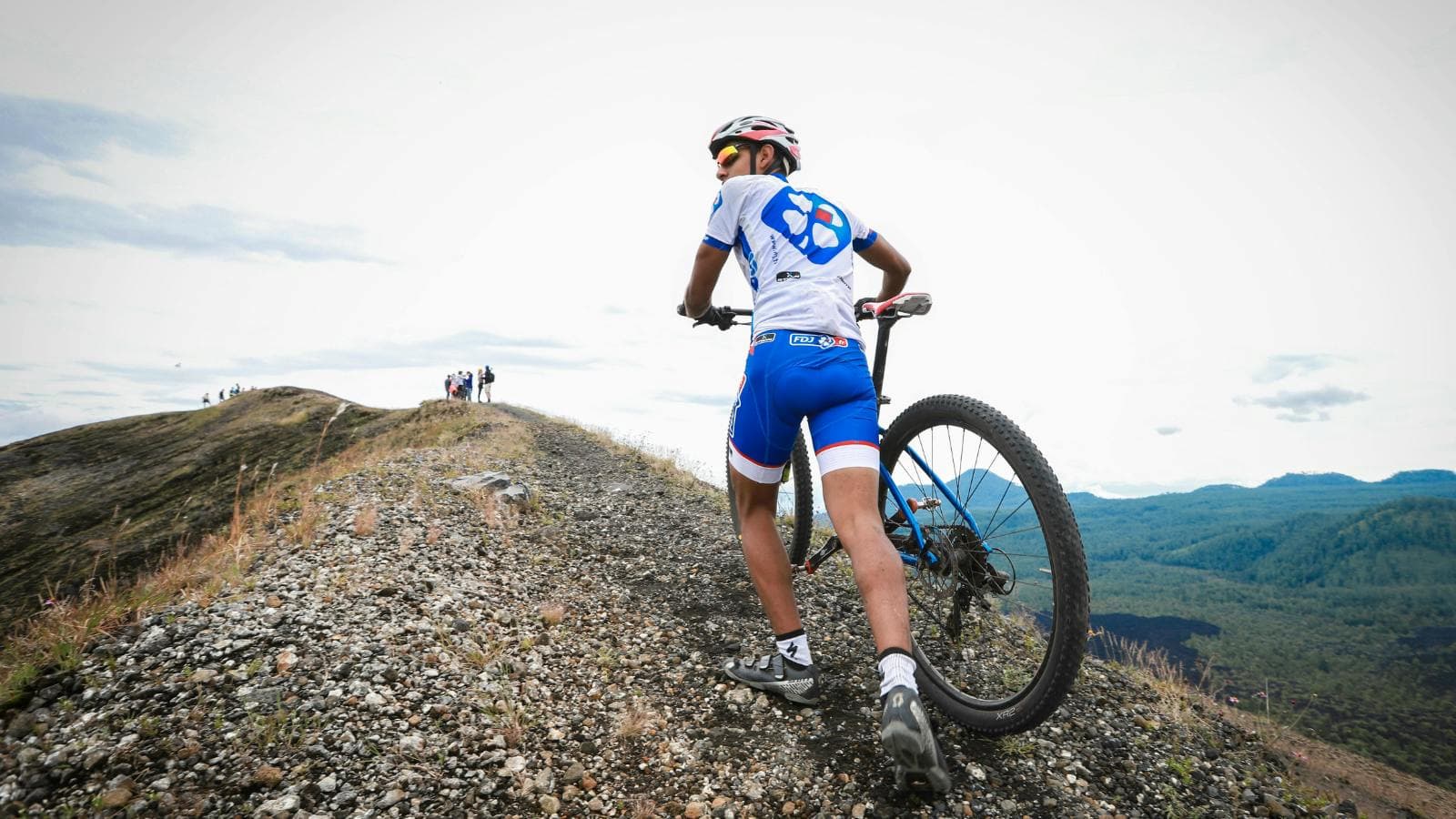


Climbing is one of the most demanding parts of triathlon cycling. Unlike flat riding, climbs require sustained power, controlled effort, and efficient technique. Many triathletes struggle on hills not because they lack fitness, but because they don’t manage effort, cadence, or positioning correctly. Improving your climbing ability is not just about getting stronger, it’s about becoming more efficient and controlled under resistance.
What Makes Climbing Different in Triathlon?
Climbing in triathlon is not the same as pure cycling. You are not just trying to get up the hill quickly, you are trying to conserve energy for the run. This changes how you approach effort, pacing, and technique. Going too hard on climbs can significantly impact your performance later in the race. This is why energy management is critical, just like low-cadence intervals for cycling performance, where controlled effort determines overall success.
Why Climbing Feels So Hard?
- Climbing increases resistance, forcing your muscles to produce more power.
- Your heart rate rises, cadence often drops, and fatigue builds quickly.
- Many athletes respond by pushing harder gears or increasing effort too much, which leads to early fatigue.
- Understanding that climbing is about control rather than force is the first step to improving.
Develop Strength Through Targeted Training
One of the most effective ways to improve climbing is building cycling-specific strength. Low-cadence intervals, hill repeats, and resistance-based sessions train your muscles to handle sustained force. These sessions improve your ability to generate power without excessive fatigue. Strength development is a key part of structured training, similar to sessions used in the most important bike workouts for a 70.3 triathlon, where targeted workouts build performance.
Maintain an Efficient Cadence
- Cadence plays a major role in climbing efficiency.
- Many riders drop to very low cadence on hills, which increases muscular strain.
- Instead, aim to maintain a steady cadence that feels controlled and sustainable.
- Using easier gears helps you stay consistent and reduces fatigue.
This balance is important for long races, similar to how effort is managed in training for a 70.3 and half ironman triathlon, where efficiency is key. This also helps in understanding how to stop neck and back pain in aero position with proper aerodynamics and strategies.
Use Proper Body Positioning
- Your position on the bike affects both power and efficiency.
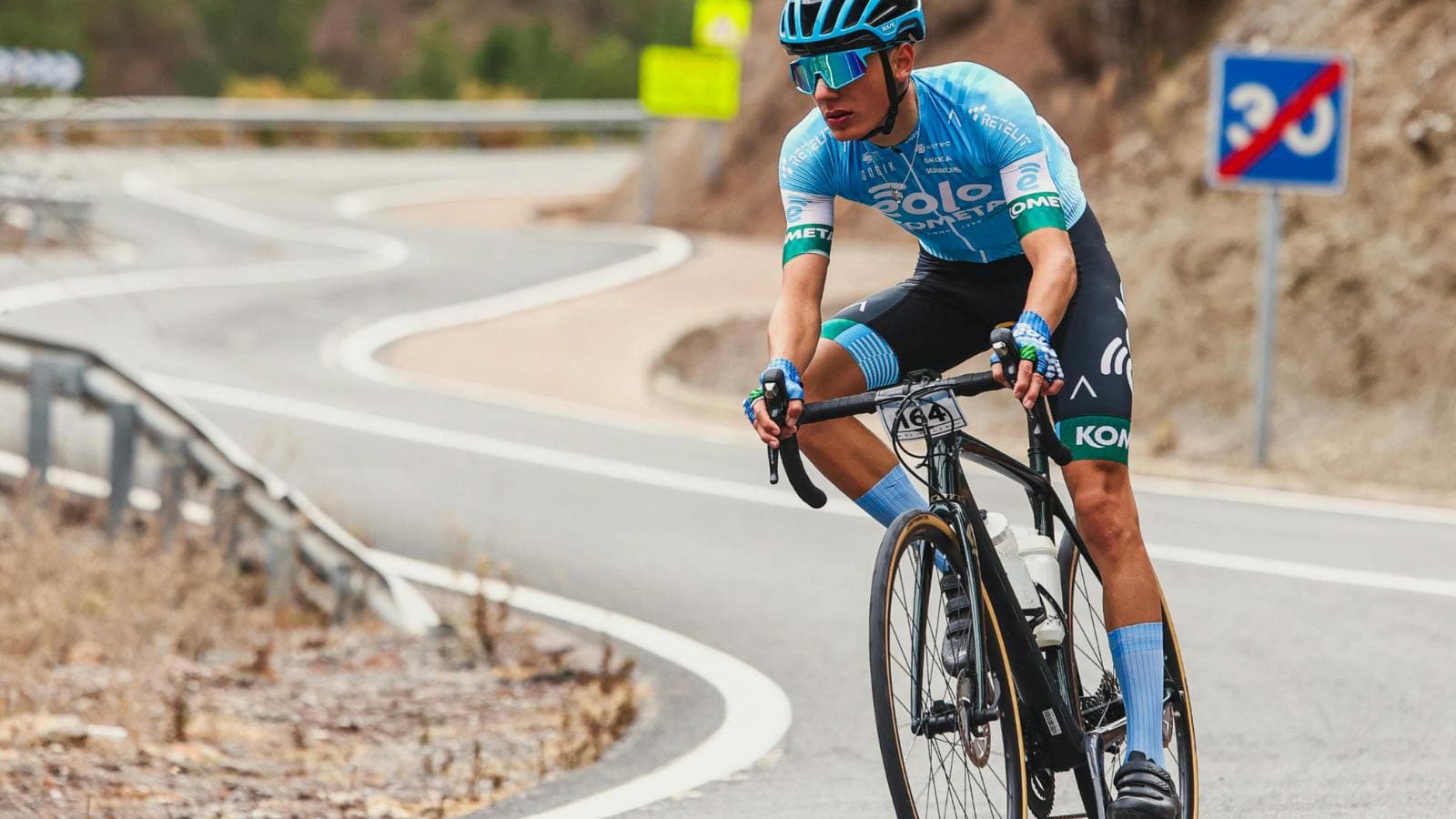
- Staying seated helps conserve energy and maintain control, especially during longer climbs.
- Standing can be useful for short bursts, but overusing it increases energy expenditure.
- Keep your upper body relaxed, core engaged, and weight balanced to avoid unnecessary strain.
Pace Yourself on Every Climb
One of the biggest mistakes is attacking climbs too aggressively. It may feel good in the moment, but it leads to fatigue later. Instead, aim for a steady, controlled effort that you can maintain. This is especially important in triathlon, where overexertion on the bike affects your run. Proper pacing strategies are essential, as seen in beginners training for a sprint triathlon, where managing effort builds consistency.
Focus on Smooth Power Delivery
Efficient climbing is not just about pushing hard, it’s about how you apply force. Smooth, consistent pedalling reduces wasted energy and improves performance. Avoid jerky movements or sudden bursts of effort. Over time, this improves both efficiency and endurance.
Improve Your Power-to-Weight Ratio
- Climbing performance is strongly influenced by power relative to body weight.
- Increasing your power output through training and maintaining a healthy body composition both contribute to better climbing.
- Even small improvements in this ratio can make a noticeable difference on hills.
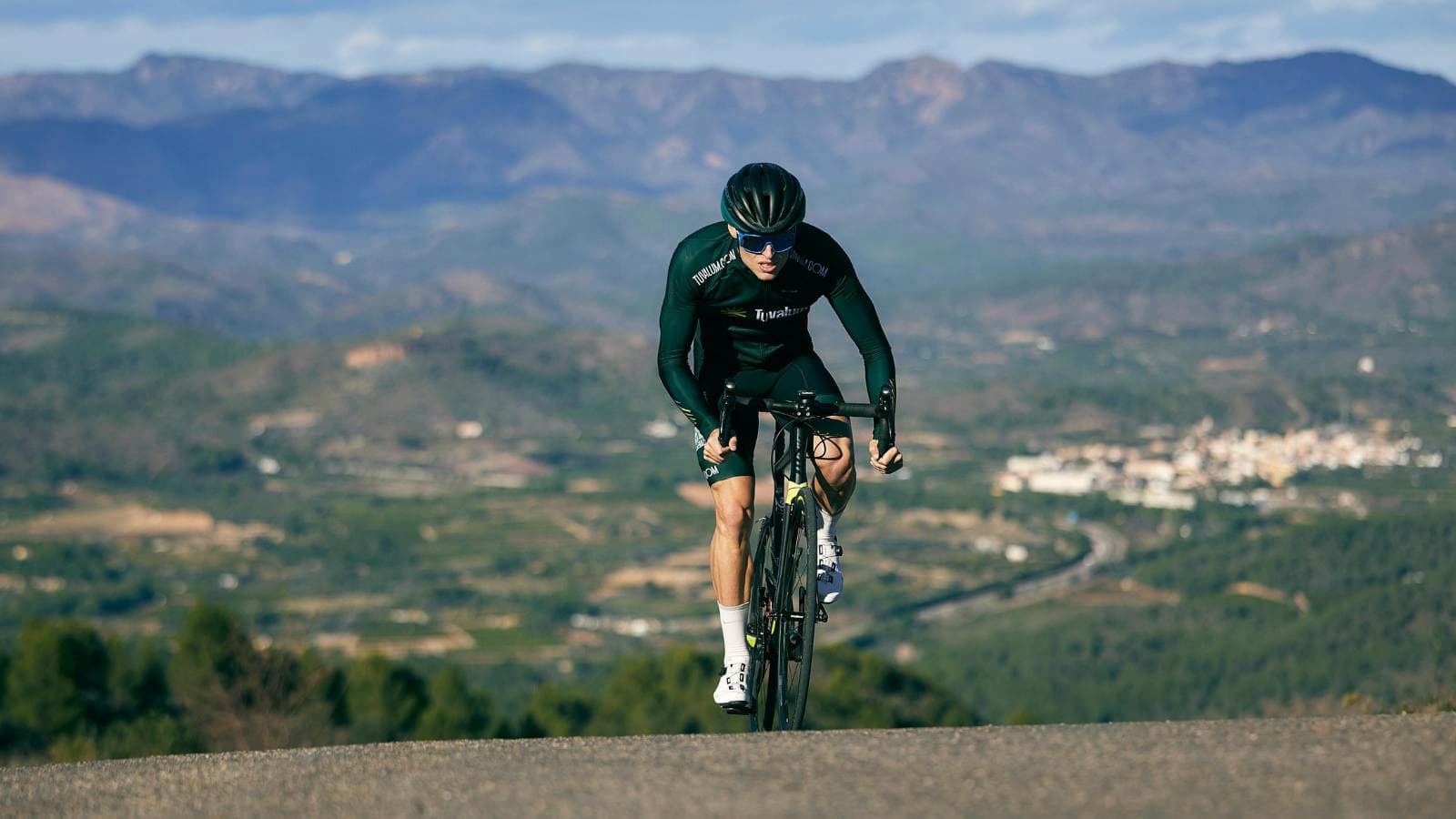
Train on Hills Regularly
The best way to get better at climbing is to practice climbing. Include hills in your training regularly so your body adapts to the demands. This builds both physical strength and confidence. Consistency in training is essential, similar to principles in off-season training for triathletes, where gradual development supports long-term improvement.
Manage Effort Across the Entire Course
Climbing is just one part of the bike leg. Your goal is not to win the climb but to complete the entire ride efficiently. Avoid going into the red zone on hills. Keeping your effort controlled ensures you have energy for the rest of the race. This is particularly important when preparing for longer distances, as highlighted in fueling for an ironman triathlon, where energy conservation is critical.
Use Gearing Effectively
- Gearing plays a crucial role in climbing.
- Using the right gear allows you to maintain cadence and reduce strain.
- Shifting early, before the climb becomes too steep, helps you stay in control.
- Waiting too long to shift often forces you into inefficient pedalling.
Build Mental Strength for Climbing
Climbing is as much mental as it is physical. Long or steep climbs can feel overwhelming, especially when fatigue sets in. Breaking the climb into smaller sections and focusing on steady effort helps maintain control. Staying patient and disciplined is key to improving performance. This compiles with techniques used to improve your bike split in a triathlon.
Common Climbing Mistakes
- Starting climbs too aggressively
- Using gears that are too heavy
- Dropping cadence too low
- Standing too often and wasting energy
- Ignoring pacing and overall race strategy
- Avoiding these mistakes significantly improves climbing efficiency.
Practical Tips to Improve Climbing
- Ride hills regularly in training
- Maintain a steady cadence
- Use easier gears to stay controlled
- Keep your upper body relaxed
- Focus on smooth pedalling
- Pace climbs conservatively
What You Should Do?
Start by adding structured hill sessions to your training. Focus on building strength and maintaining cadence rather than pushing maximum effort. Practice pacing so you can climb efficiently without exhausting yourself. Over time, combine strength, technique, and pacing to improve your climbing ability. Applying these strategies consistently will help you handle hills more efficiently and perform better across the entire triathlon.