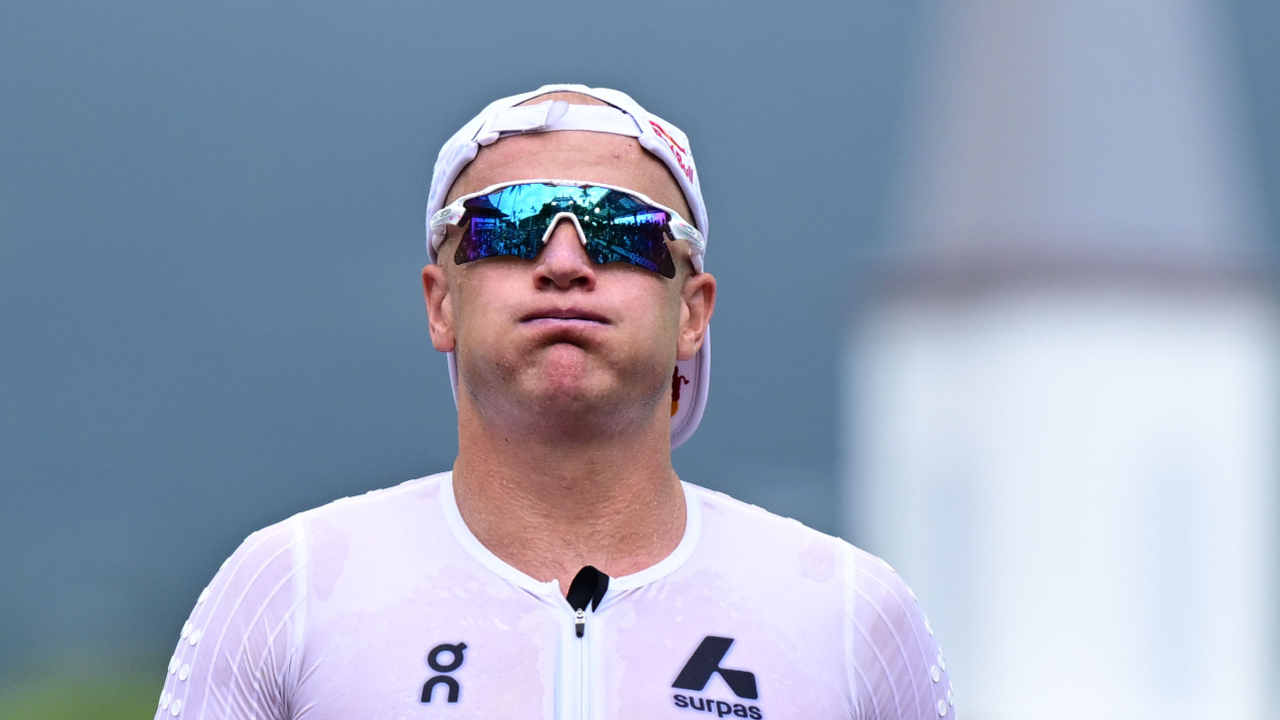


Off-season training for triathletes is the period between race seasons where the focus shifts from peak performance to recovery, rebuilding, and long-term development. It is not about stopping training, it is about training with purpose to prepare the body and mind for the next race cycle. Done correctly, the off-season sets the foundation for stronger performance when racing returns.

What Off Season Training Actually Means?
The off-season is a structured break from race-specific intensity. It allows the body to recover from accumulated fatigue while maintaining a base level of fitness. Training becomes less about performance metrics and more about rebuilding strength, addressing weaknesses, and improving overall balance.
This phase is essential for long-term progression.
Why Off Season Training Matters?
- Continuous high-intensity training without a break leads to burnout, injury, and stagnation.
- The off-season provides time to reset physically and mentally.
- It allows the body to repair and adapt after a demanding race season.
- This period also helps restore motivation, which is critical for consistent training.
Recovery as the First Priority
- The initial phase of the off-season should prioritize recovery.
- This includes reduced training volume and intensity, along with proper sleep and nutrition.
- Active recovery such as light swimming, cycling, or running helps maintain movement without stress.
- Recovery ensures that the body is ready to build again.
Rebuilding Aerobic Base
- After recovery, the focus shifts to rebuilding aerobic fitness.
- Low-intensity sessions dominate this phase, improving endurance and efficiency.
- This type of training develops the foundation needed for higher-intensity work later.
Understanding how this works is essential when applying what is zone 2 training in triathlon, where controlled effort builds long-term endurance.
Strength and Conditioning Focus
- The off-season is the best time to improve strength.
- Strength training supports power production, stability, and injury prevention.
- It addresses imbalances that may have developed during the race season.
- Improved strength translates into better efficiency across all three disciplines.
Technique and Skill Development
- With less focus on racing, the off-season allows time to refine technique.
- Swim mechanics, cycling efficiency, and running form can all be improved.
- Small technical improvements lead to significant performance gains over time.
- This is also the time to address weaknesses that were exposed during the season.
Reduced Intensity and Structured Variety
- Training intensity is generally lower during the off-season.
- This reduces stress on the body while still maintaining fitness.
- Introducing variety keeps training engaging and supports overall development.
- Different types of sessions help build a more balanced athlete.
Mental Reset and Motivation
- The off-season provides a mental break from structured racing.
- This helps prevent burnout and restores motivation.
- Training becomes more flexible and less pressure-driven.
- A refreshed mindset improves consistency when structured training resumes.
Gradual Return to Structured Training
- As the off-season progresses, training becomes more structured again.
- Volume and intensity increase gradually to prepare for the next phase.
- This progression ensures the body adapts without excessive fatigue.
- The transition should feel controlled rather than forced.
Preparing for the Next Season
- The final phase of the off-season focuses on readiness.
- Training begins to align more closely with race-specific demands.
- This includes reintroducing structured sessions and refining pacing strategies.
- This transition sets up the next training cycle effectively.
Linking this progression with how to train of ironman triathlon helps ensure a smooth transition into race preparation.
Common Mistakes
- Stopping training completely leads to loss of fitness.
- Maintaining race-level intensity prevents recovery.
- Ignoring strength work limits long-term improvement.
- Returning to structured training too quickly increases injury risk.
- Lack of planning reduces the effectiveness of the off-season.
Practical Checklist
- Reduce intensity and volume initially
- Focus on recovery and restoration
- Build aerobic base gradually
- Include strength training consistently
- Work on technique and weaknesses
- Reintroduce structure progressively
What You Should Do?
- Start your off-season with a clear plan rather than stopping training completely.
- Prioritize recovery before building fitness again.
- Use this phase to address weaknesses and improve overall balance.
- Keep training consistent but flexible, allowing your body to adapt naturally.
- The off-season is not a break from progress, it is where long-term improvement begins.