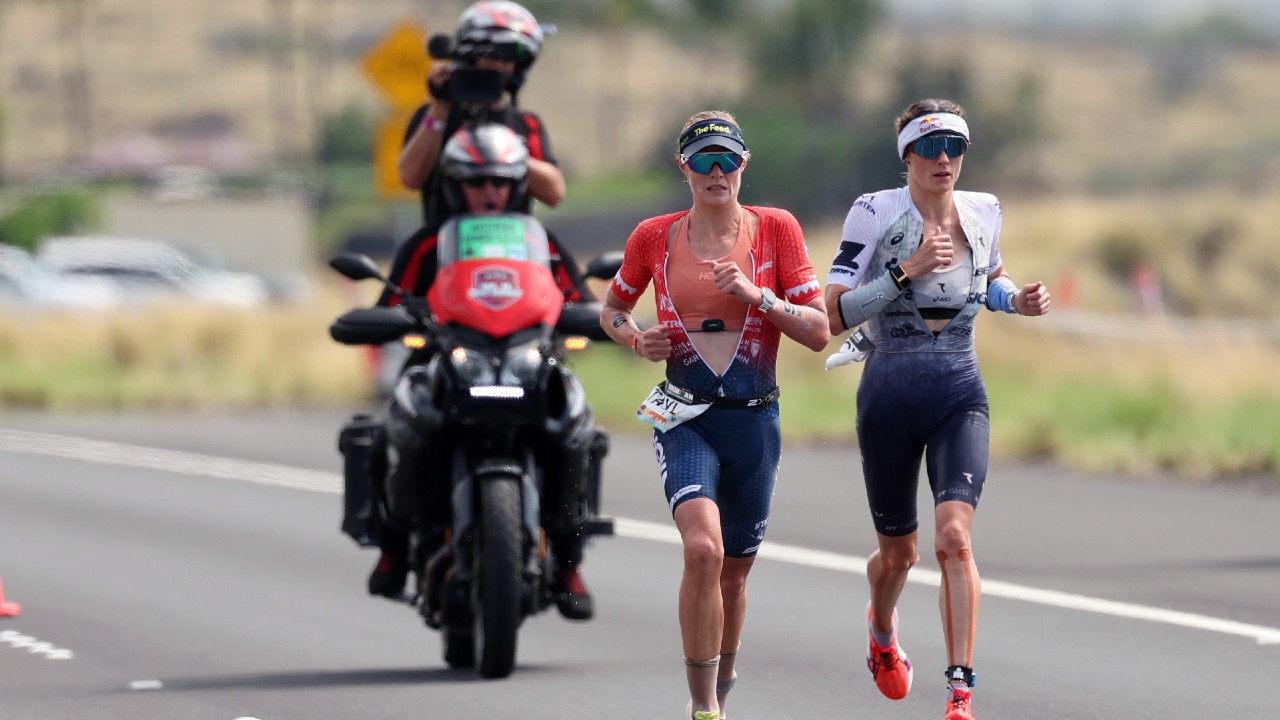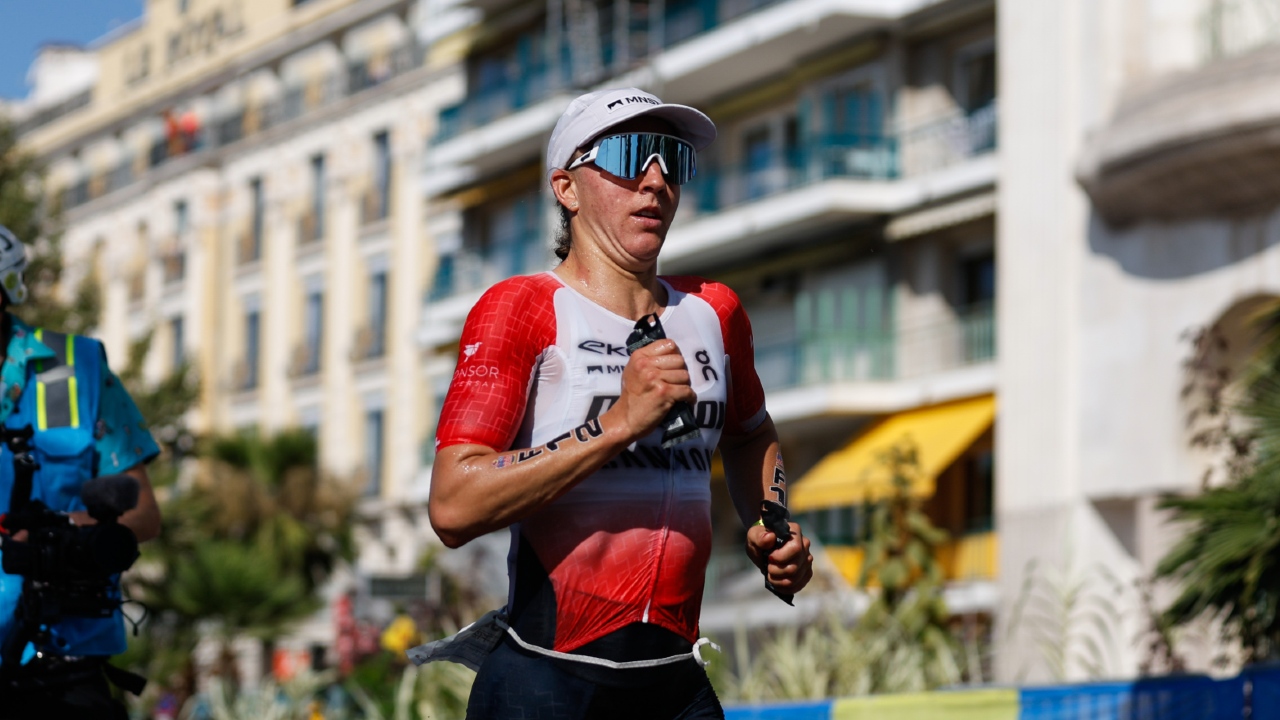


The bike leg in a 70.3 triathlon is the longest portion of the race and has the biggest impact on overall performance. Strong, well-structured bike training not only improves cycling efficiency but also determines how well you run afterward. The most important workouts are those that build endurance, improve sustained power, and prepare you for race-day pacing and fueling.

What 70.3 Bike Training Actually Requires?
Training for a 70.3 bike leg is about sustained effort over time. It is not just about speed, it is about maintaining consistent power for 90km. Workouts should reflect the demands of the race, focusing on endurance, pacing, and efficiency.
A balanced approach ensures you can perform strongly without excessive fatigue.
Long Endurance Rides
- Long rides are the foundation of 70.3 bike training.
- They build the ability to sustain effort over extended periods.
- These sessions should be done at a controlled, steady intensity.
- The goal is to develop endurance, not push maximum effort.
- Consistency in long rides improves both physical and mental stamina.
This aligns closely with how to train for a 70.3 and half ironman triathlon, where endurance is the key focus.
Tempo and Steady State Rides
- Tempo rides train your ability to sustain a moderate, race-like effort.
- They improve efficiency and help you maintain a steady pace over long distances.
- These workouts sit between easy rides and high-intensity sessions.
- They are essential for building race-specific fitness.
- Maintaining control during tempo rides improves pacing discipline.
Sweet Spot Training
- Sweet spot workouts target a high but sustainable intensity.
- They provide a balance between endurance and power development.
- These sessions are efficient and deliver strong performance gains.
- They help improve your ability to hold effort over time without excessive fatigue.
Incorporating this approach becomes more effective when aligned with how does sweet spot training improve cycling, where sustained intensity builds performance.
Brick Workouts
- Brick sessions combine cycling and running.
- They prepare your body for the transition between disciplines.
- Bike-to-run workouts help simulate race conditions.
- They improve your ability to maintain performance after cycling fatigue.
- Including bricks regularly is essential for 70.3 preparation.
Interval Sessions for Power
- Interval workouts improve your ability to handle changes in effort.
- Short bursts of higher intensity build power and efficiency.
- These sessions should be used in moderation within your training plan.
- They support overall performance without replacing endurance work.
- Structured intensity helps improve your ability to respond to race demands.
Pacing Focused Rides
- Pacing is one of the most critical aspects of the 70.3 bike leg.
- Workouts that focus on maintaining consistent effort help build discipline.
- These rides simulate race conditions and improve energy management.
- Learning to control effort prevents early fatigue.
This becomes even more important when aligned with how to improve your bike split in triathlon, where consistency is key.
Cadence-Based Workouts
- Cadence training improves pedalling efficiency and reduces fatigue.
- Maintaining a steady cadence helps distribute effort evenly.
- These sessions focus on rhythm rather than power output.
- Efficient cadence supports endurance over long distances.
Applying principles from what is bonking in cycling improves overall efficiency.
Climbing Workouts
Climbing sessions build strength and power. They prepare you for varied terrain during the race. Controlled climbing improves endurance and muscle resilience. Managing effort on climbs is essential for maintaining overall performance.
These workouts help you adapt to changes in gradient effectively.
Fueling Practice Rides
- Fueling should be practiced during training, not just on race day.
- Long rides are ideal for testing nutrition strategies.
- Consistent carbohydrate intake supports energy levels.
- Hydration and electrolytes prevent fatigue and maintain performance.
- Practicing fueling ensures it becomes automatic during the race.
Recovery and Easy Rides
- Recovery rides are essential for maintaining consistency.
- They allow the body to recover while still promoting movement.
- Easy rides support adaptation without adding stress.
- Balancing hard and easy sessions prevents overtraining.
- Recovery is a key part of performance improvement.
Weekly Structure for Bike Training
- A balanced training week includes a mix of workouts.
- Long rides build endurance, while tempo and sweet spot sessions improve sustained effort.
- Intervals add intensity, and recovery rides support adaptation.
- This structure ensures all aspects of performance are developed.
- Consistency across the week leads to steady progress.
Common Mistakes
- Focusing only on high intensity limits endurance development.
- Skipping long rides reduces race readiness.
- Ignoring pacing leads to fatigue during the run.
- Not practicing fueling affects energy levels.
- Inconsistent training limits overall progress.
Practical Checklist
- Include weekly long endurance rides
- Add tempo and sweet spot sessions
- Use brick workouts for race preparation
- Practice pacing and cadence control
- Test fueling strategies during training
What You Should Do?
- Build your bike training around consistency and progression.
- Focus on endurance first, then add structured intensity.
- Practice race-specific conditions, including pacing and fueling.
- Balance your workouts with recovery to maintain performance.
- The goal is to develop the ability to ride strong and steady for the full 90km.
- Well-structured bike workouts create the foundation for a successful 70.3 race.