

What improving your bike split means and why it matters?
Improving your bike split means riding faster over the same distance while managing effort so you can still run well afterward. It matters because the bike leg is the longest part of most triathlons. Gains here have the biggest impact on overall race time but poor execution can ruin your run.
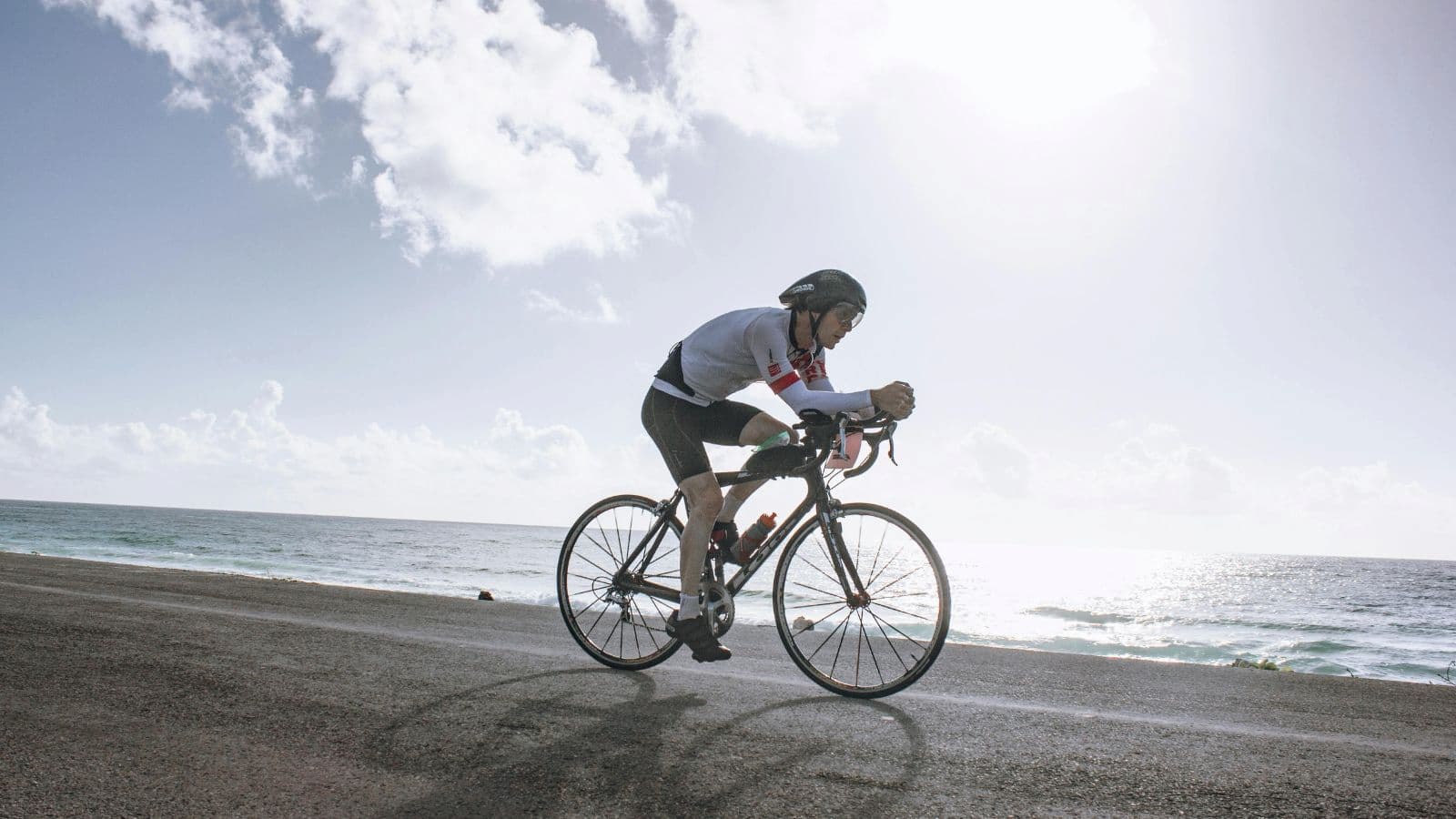
Focus on pacing, not just power
Most athletes lose time on the bike by pacing incorrectly.
What to do:
- Ride at a steady, controlled effort
- Avoid spikes in power
- Stay within your target zone
Over pacing early leads to fatigue later.
Build your aerobic engine
Endurance is the foundation of a strong bike split.
Focus on:
- Long, steady rides
- Consistent weekly volume
- Controlled intensity
This allows you to sustain power for longer durations.
Improve your power output
Higher power at the same effort = faster bike split.
Key sessions:
- Tempo rides
- Threshold intervals
- Structured efforts
These improve your ability to produce and sustain power.
Optimise your aerodynamics
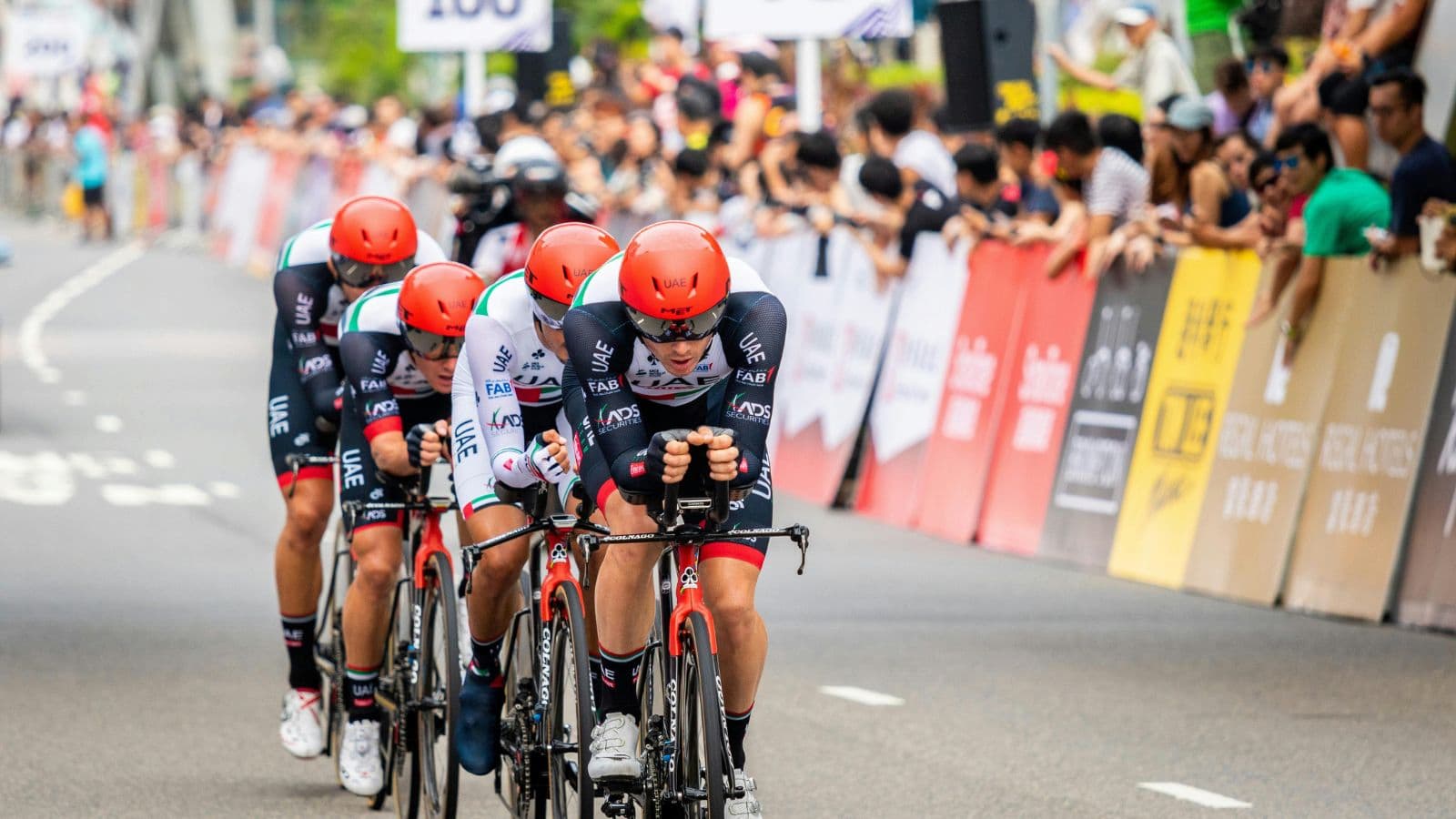
Aerodynamics is one of the biggest opportunities to improve your bike split without increasing effort. Small changes to your bike position, helmet choice, and kit can significantly reduce drag. Staying in an efficient aero position consistently allows you to maintain higher speeds with the same power output.
Fuel and hydrate properly
Nutrition directly impacts your performance on the bike. Consistent carbohydrate intake, regular hydration, and maintaining electrolyte balance are essential to sustain power and avoid fatigue. Poor fuelling leads to a drop in energy levels, reduced output, and a weaker overall race performance.
Practice race-specific riding
Training should reflect the demands of race day. Include race-pace efforts, long rides with steady output, and brick sessions (bike followed by run) to simulate real conditions. This helps your body adapt to sustained effort and prepares you for the transition into the run.
Stay controlled for the run
The bike split is not just about speed, it’s about setting up your run. Avoid riding too hard early or ignoring your pacing strategy, as this leads to fatigue later. A strong bike leg still requires you to finish with enough energy to run effectively.
Position and comfort matter
You need to stay efficient for long periods.
Focus on:
- Comfortable aero position
- Stable cadence
- Minimal unnecessary movement
Efficiency reduces wasted energy.
Train transitions (brick sessions)
Bike-to-run transition is critical.
Example:
- Bike ride followed by short run
This helps your body adapt and improves race execution.
Learn from race execution
Performance comes from execution, not just fitness. Understanding pacing, effort, and expectations is key, especially when comparing results against average and good triathlon times. Execution determines your outcome. Reviewing your race data and identifying where you lost or gained time helps refine your strategy for future events. Small improvements in pacing, fueling, and positioning can lead to significant gains overall.
Common mistakes
Over pacing the bike
Leads to poor run performance
Ignoring aerodynamics
Wastes free speed
Poor fueling
Causes energy crashes
Lack of structure in training
Limits progress and consistency
Practical bike split strategy
Race approach:
- Start controlled
- Settle into steady effort
- Maintain consistent power
- Fuel regularly
- Stay aero as much as possible
Quick checklist
To improve your bike split:
- Ride consistently each week
- Train at race pace
- Optimise your position
- Fuel and hydrate properly
- Control pacing
Bottom line
Improving your bike split is about riding efficiently, pacing correctly, and managing energy for the run.
Focus on control, not just speed.