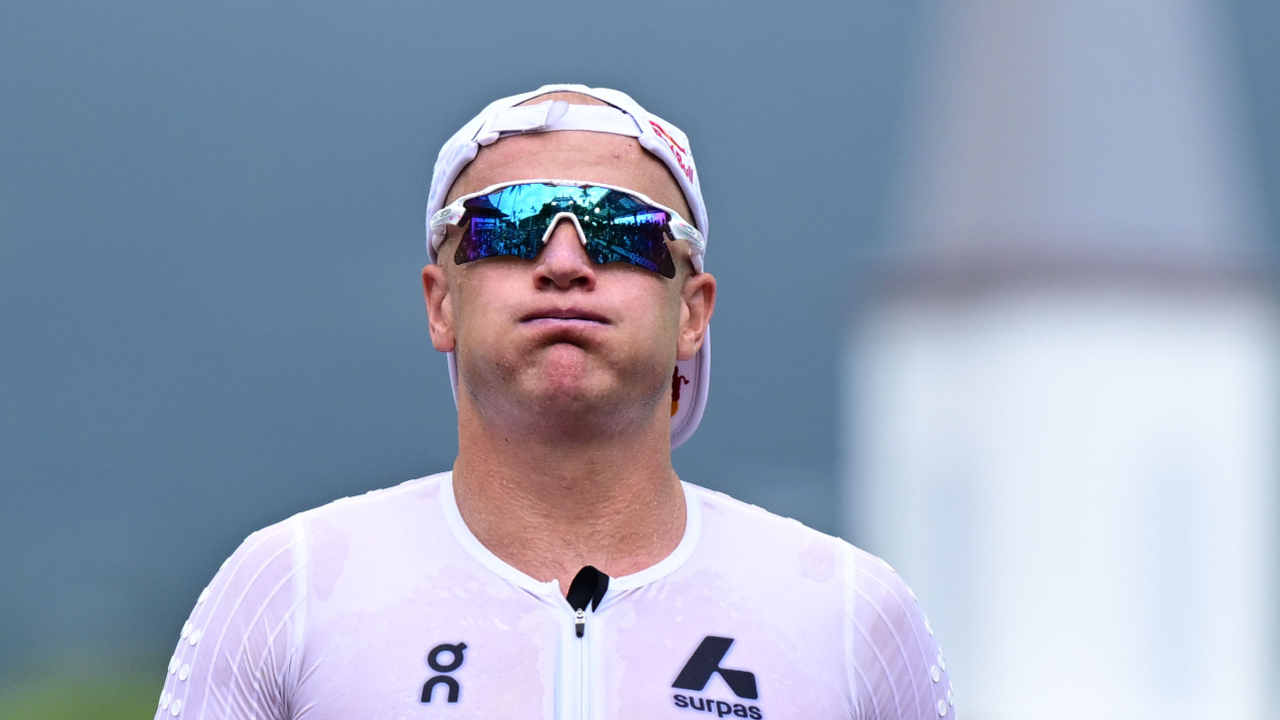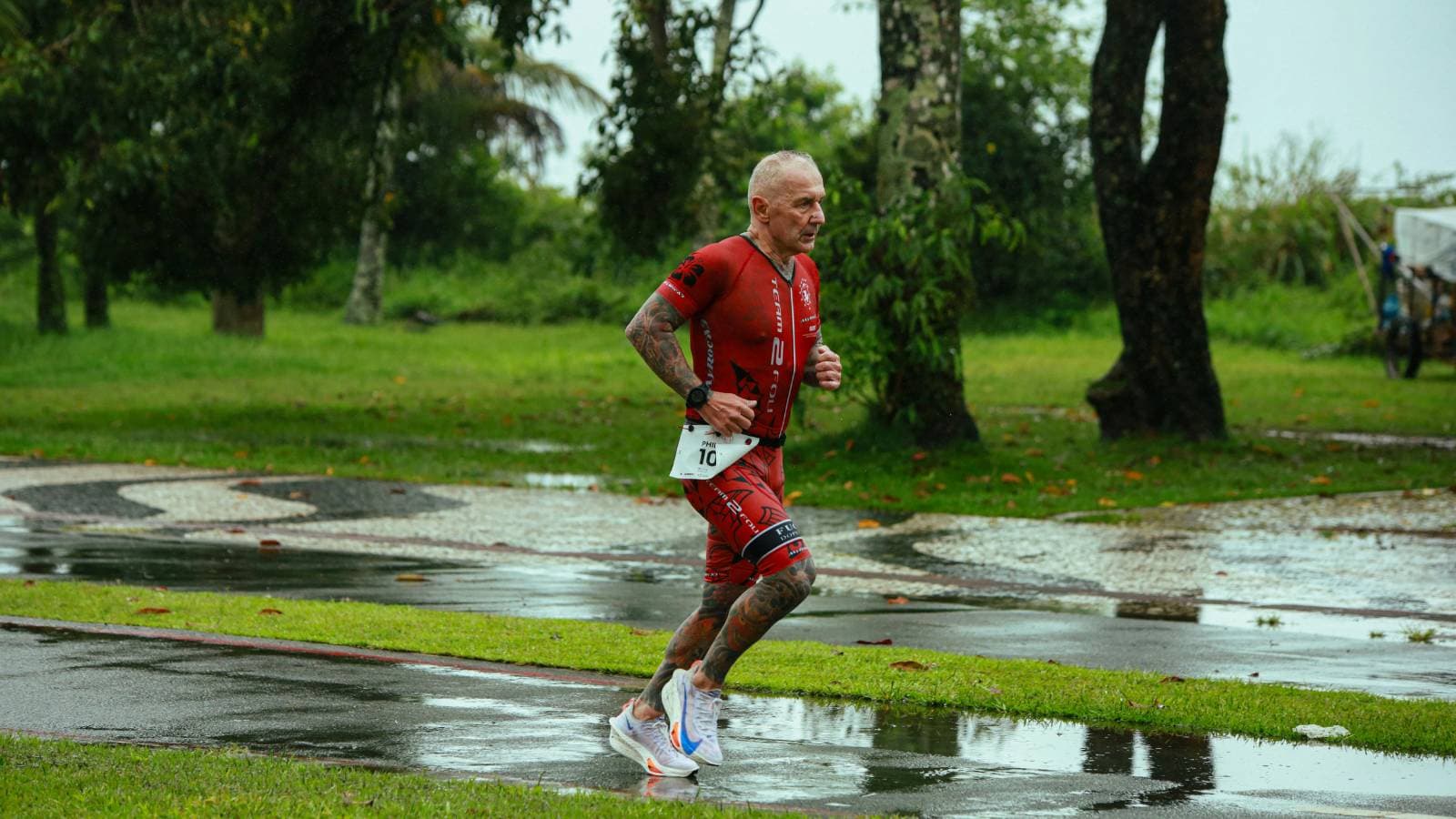


Training for a 70.3, or Half Ironman triathlon, requires building endurance, pacing control, and efficient energy management across swim, bike, and run. Covering 1.9km swim, 90km bike, and a half marathon, it demands sustained effort over several hours. Success is not about intensity, it is about consistency, structure, and execution.

What Training for a 70.3 Actually Involves?
- Half Ironman training focuses on developing aerobic endurance and the ability to sustain effort over time.
- Unlike shorter races, pacing and energy management become critical.
- Training must prepare the body to handle continuous effort while maintaining efficiency.
- This includes not only physical conditioning but also nutrition and recovery strategies.
Building an Aerobic Base
The foundation of 70.3 training is aerobic fitness. Most sessions should be performed at a controlled, low intensity to build endurance without excessive fatigue. This improves energy efficiency and allows longer training sessions.
Understanding this approach becomes essential when aligned with what is zone 2 training, where low-intensity work builds long-term capacity.
Structuring Your Weekly Training
- A balanced week includes swim, bike, and run sessions alongside recovery.
- Consistency across all three disciplines is more important than focusing on one.
- Longer sessions should be included to simulate race demands.
- Recovery days are necessary to support adaptation and prevent fatigue buildup.
- Training should feel sustainable across the week.
Prioritising the Bike Leg
- The bike is the longest part of a 70.3 and has the biggest influence on overall performance.
- Strong cycling sets up the run. Poor execution leads to fatigue later.
- Long rides should be a core part of training, gradually increasing in duration.
- These sessions also allow practice of pacing and fueling strategies.
Developing Run Endurance
- Running after cycling requires specific preparation.
- Long runs should be built gradually to improve endurance and reduce injury risk.
- The focus is on maintaining steady effort rather than speed.
- Brick sessions, where a run follows a bike ride, help prepare the body for race conditions.
Swim Training for Efficiency
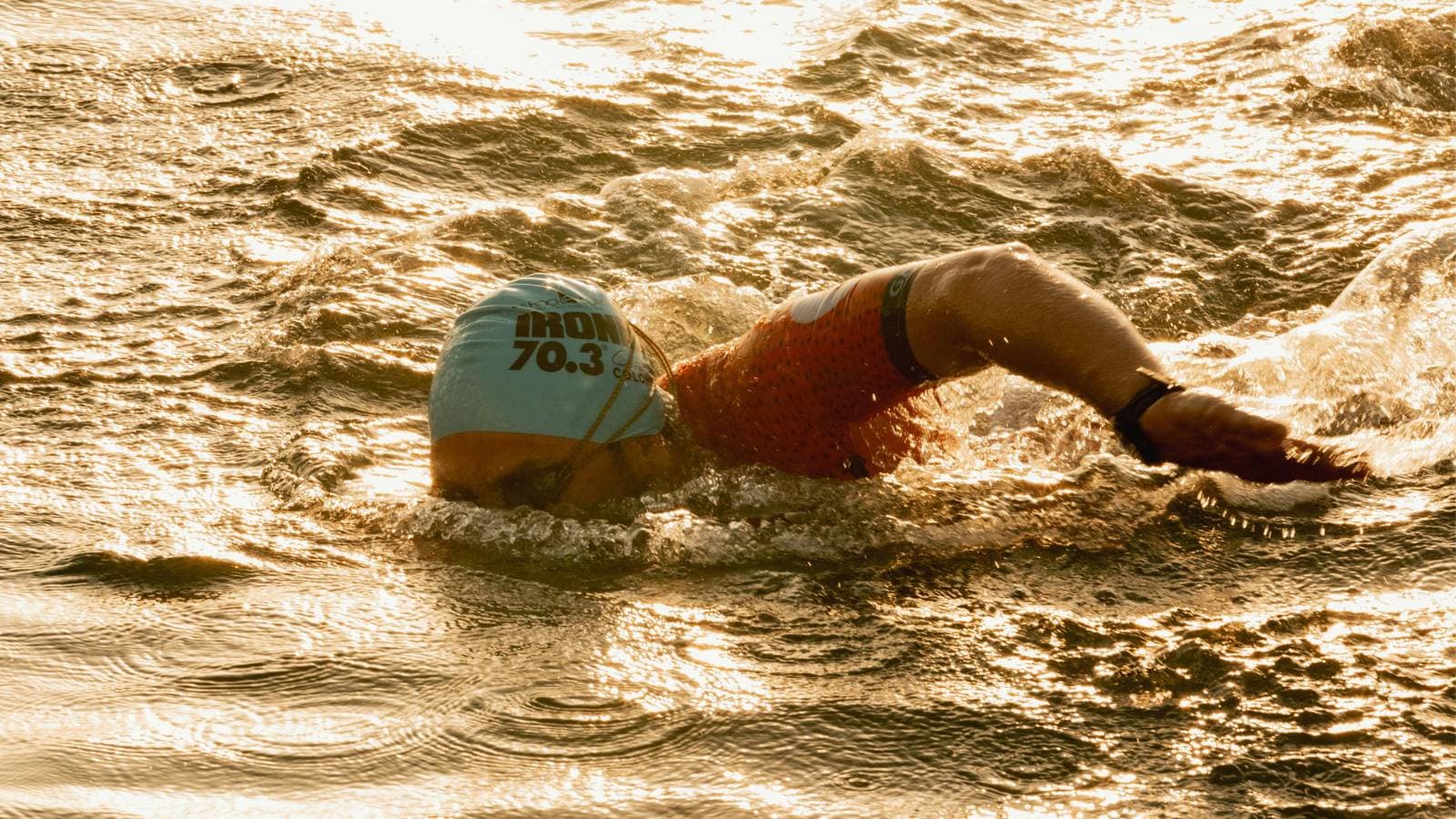
- The swim in a 70.3 is about efficiency and control.
- The goal is to complete the distance without excessive fatigue.
- Technique plays a major role in conserving energy.
- Consistent swim sessions improve comfort and reduce stress on race day.
This becomes easier to manage when aligned with open water swimming tips for beginners, where navigation improves efficiency.
Fueling and Hydration Strategy
- Fueling is critical in a 70.3.
- Carbohydrate intake must be consistent to maintain energy levels.
- Hydration and electrolytes support performance and prevent fatigue.
- Training should include practicing these strategies to ensure they work under race conditions.
Applying principles from how to fuel for a triathlon helps ensure energy availability across all disciplines.
Pacing for Race Day
- Pacing determines how well you perform across the entire race.
- Starting too hard leads to fatigue that affects the run.
- Maintaining a controlled effort allows consistent performance.
- Training should include pacing practice to build awareness and discipline.
Managing Fatigue and Recovery
- Recovery is essential to maintain consistency.
- High training volume increases the need for rest, sleep, and proper nutrition.
- Without recovery, fatigue accumulates and performance declines.
- Balancing training and recovery ensures long-term progress.
Progression Over Time
- Training should progress gradually.
- Volume and intensity should increase in a controlled manner.
- Sudden increases lead to fatigue and injury risk.
- Consistency in progression builds confidence and performance.
Tapering Before the Race
- The final phase of training reduces volume while maintaining intensity.
- This allows fatigue to drop while preserving fitness.
- Arriving at the start line fresh is essential for performance.
- Tapering should feel controlled, not drastic.
Common Mistakes
- Training too hard without enough recovery leads to burnout.
- Ignoring nutrition results in energy deficits during the race.
- Focusing too much on one discipline creates imbalance.
- Increasing volume too quickly raises injury risk.
- Not practicing race strategy leads to poor execution.
Practical Checklist
- Build a strong aerobic base
- Train consistently across swim, bike, and run
- Include long sessions in each discipline
- Practice fueling and hydration
- Use brick workouts to simulate race conditions
- Manage recovery effectively
What You Should Do?
- Start with your current fitness level and build gradually.
- Focus on consistency rather than intensity.
- Test pacing, fueling, and transitions during training.
- Keep your approach simple and repeatable.
- Training for a 70.3 is about preparing your body to sustain effort efficiently over time.