


Low-cadence intervals are one of the most effective ways to build cycling strength, yet they are often underused in triathlon training. Instead of spinning quickly, these intervals focus on pushing harder gears at a lower cadence, forcing your muscles to produce more force with each pedal stroke. When used correctly, they improve power, efficiency, and fatigue resistance, key factors for strong cycling performance.
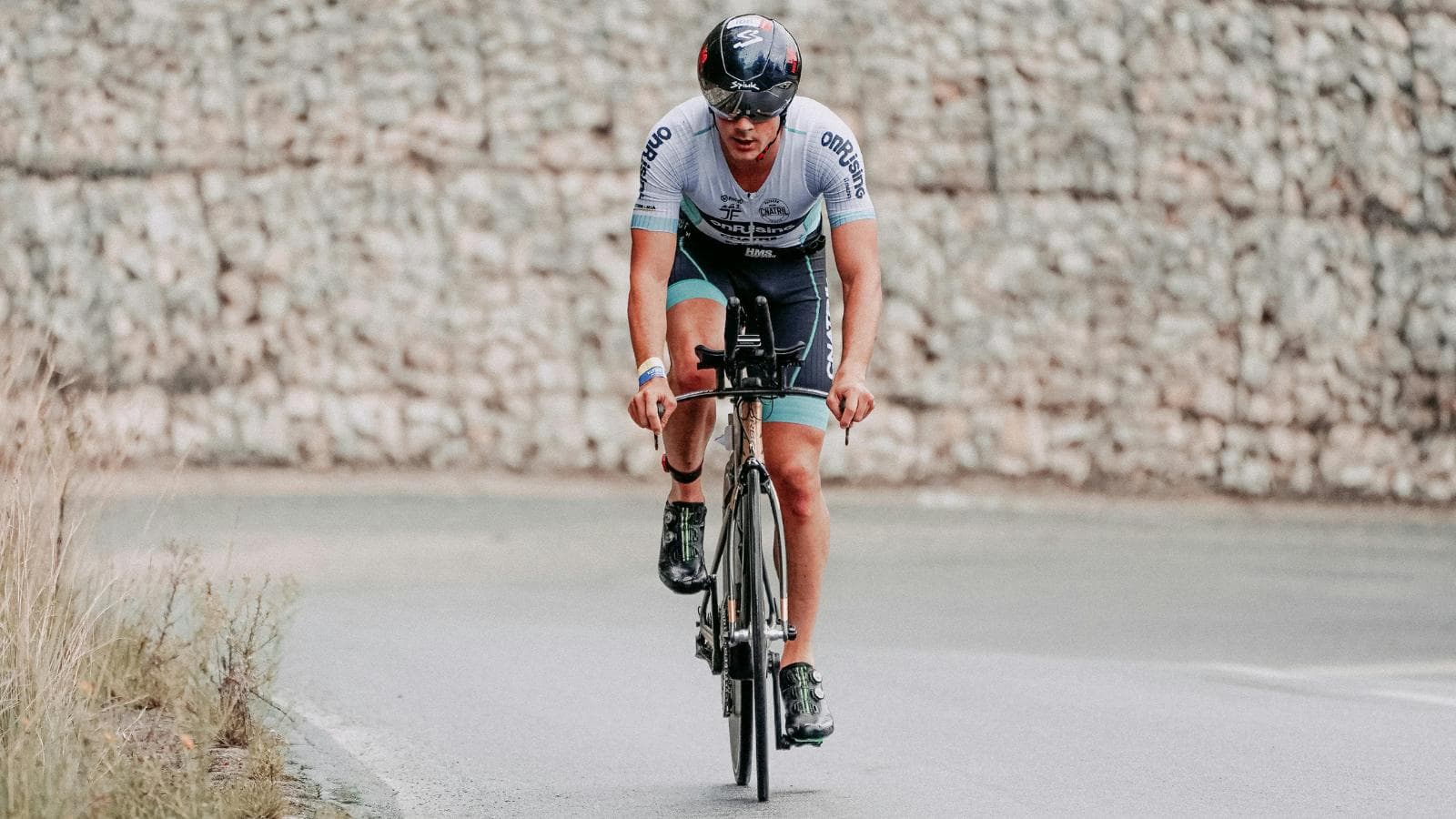
What Are Low-Cadence Intervals?
Low-cadence intervals involve riding at a slower pedalling rate, typically between 50 and 70 RPM, while maintaining moderate to high resistance. This creates a strength-focused effort that mimics climbing or riding into resistance. Unlike high-cadence work, which targets cardiovascular efficiency, low cadence places greater demand on muscular strength and control.
How Low-Cadence Intervals Work?
When you reduce cadence and increase resistance, your muscles must generate more force per pedal stroke. This recruits more muscle fibres, particularly in the glutes and quadriceps, and improves neuromuscular coordination. Over time, this leads to stronger and more efficient pedalling mechanics. This type of training complements endurance development, similar to structured approaches in training for a 70.3 and half ironman triathlon, where building both strength and endurance is essential.
Why Low-Cadence Training Matters?
- Triathlon cycling is not just about spinning fast, it is about sustaining power over long periods.
- Low-cadence intervals help you develop the strength needed to maintain speed without excessive fatigue.
- They are particularly useful for improving performance in conditions that require force, such as hills or headwinds.
This becomes especially important when applying pacing strategies like those in pacing and fueling the bike leg in a triathlon, where maintaining consistent power is key.
Improved Muscular Strength
- One of the primary benefits of low-cadence intervals is increased muscular strength.
- By pushing harder gears, you train your muscles to handle greater loads.
- This translates directly into improved power output during normal riding.
- Stronger muscles also delay fatigue, allowing you to maintain effort for longer periods.
Better Pedalling Efficiency
Low-cadence work improves how force is applied throughout the pedal stroke. It encourages smoother, more controlled movement, reducing wasted energy. Over time, this leads to better efficiency, which is crucial for long-distance triathlon performance.
Enhanced Climbing Ability
Climbing requires sustained force rather than high cadence.
Low-cadence intervals simulate this demand, making them highly effective for improving climbing performance.
Learning to maintain control under resistance helps you stay efficient on hills, much like techniques discussed in bike handling & cornering indoors, where rhythm and strength are combined.
Increased Fatigue Resistance
- Cycling performance is often limited by how long you can sustain effort.
- Low-cadence intervals improve muscular endurance, allowing you to resist fatigue during long rides.
- This is especially valuable in triathlon, where energy must be conserved for the run.

How Low Cadence Helps Running Transition?
In triathlon, the bike leg directly affects the run. Low-cadence training strengthens muscles, but it must be balanced carefully. Overusing it can lead to heavy legs, making running more difficult. When integrated properly, it builds resilience without compromising efficiency. This balance is similar to principles in the most important bike workouts for a 70.3 triathlon, where different training types support overall performance.
When to Use Low-Cadence Intervals?
Low-cadence intervals are best used during base and build phases of training. They should not dominate your sessions but be included strategically. Typically, one or two sessions per week is enough to see benefits without excessive fatigue.
How to Structure Low-Cadence Workouts?
- A simple session might include:
5 to 10 minutes warm-up
3 to 5 intervals of 5 to 8 minutes at low cadence
Easy spinning recovery between efforts
Cool down - The focus should be on controlled effort rather than maximal intensity.
Common Mistakes to Avoid
- Riding too hard and losing form
Using cadence that is too low and causing joint strain
Overusing low-cadence work in every session
Ignoring recovery after strength-based efforts - Avoiding these mistakes ensures you gain benefits without increasing injury risk.
Balancing Low and High Cadence Training
Cycling performance requires both strength and efficiency. Low-cadence intervals build strength, while higher cadence improves aerobic efficiency. Combining both creates a balanced and effective training approach. This type of structured variation is similar to off-season training for triathletes, where different training elements are used to build a complete athlete.
Integrating Low-Cadence Work Into Your Plan
Low-cadence intervals should complement your overall training, not replace it. They work best alongside endurance rides, technique work, and recovery sessions. Proper integration ensures you gain strength without compromising other aspects of performance.
Practical Tips for Success
- Focus on smooth, controlled pedalling
- Maintain good posture and core stability
- Use appropriate gearing to avoid excessive strain
- Keep effort consistent rather than maximal
- Allow adequate recovery between sessions
What You Should Do?
Start by adding one low-cadence session per week to your training plan. Focus on technique and control rather than pushing maximum effort. Gradually build duration and resistance as your strength improves. Supporting your training with proper nutrition, like strategies in fueling for an ironman triathlon, ensures your body can handle the added load. Over time, low-cadence intervals will help you become a stronger, more efficient cyclist.