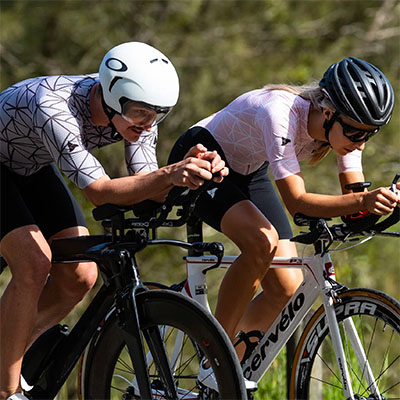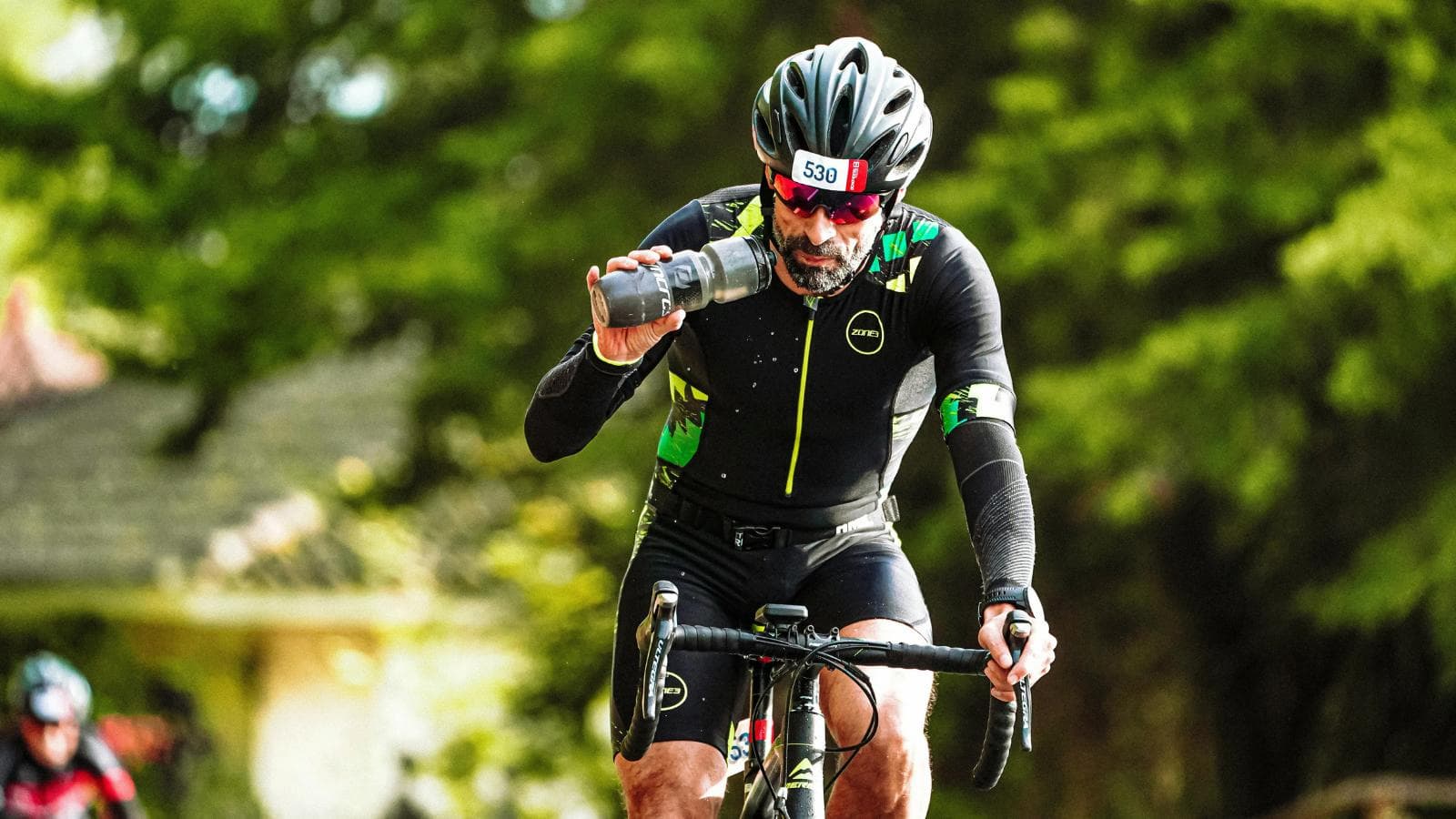


The bike leg in a triathlon is where races are often won or lost. It sits between the swim and the run, making it the most strategic discipline for managing energy, pacing, and fueling. Executing this section correctly ensures you not only ride efficiently but also set yourself up for a strong run. The key is not riding as hard as possible, it is riding as smart as possible.
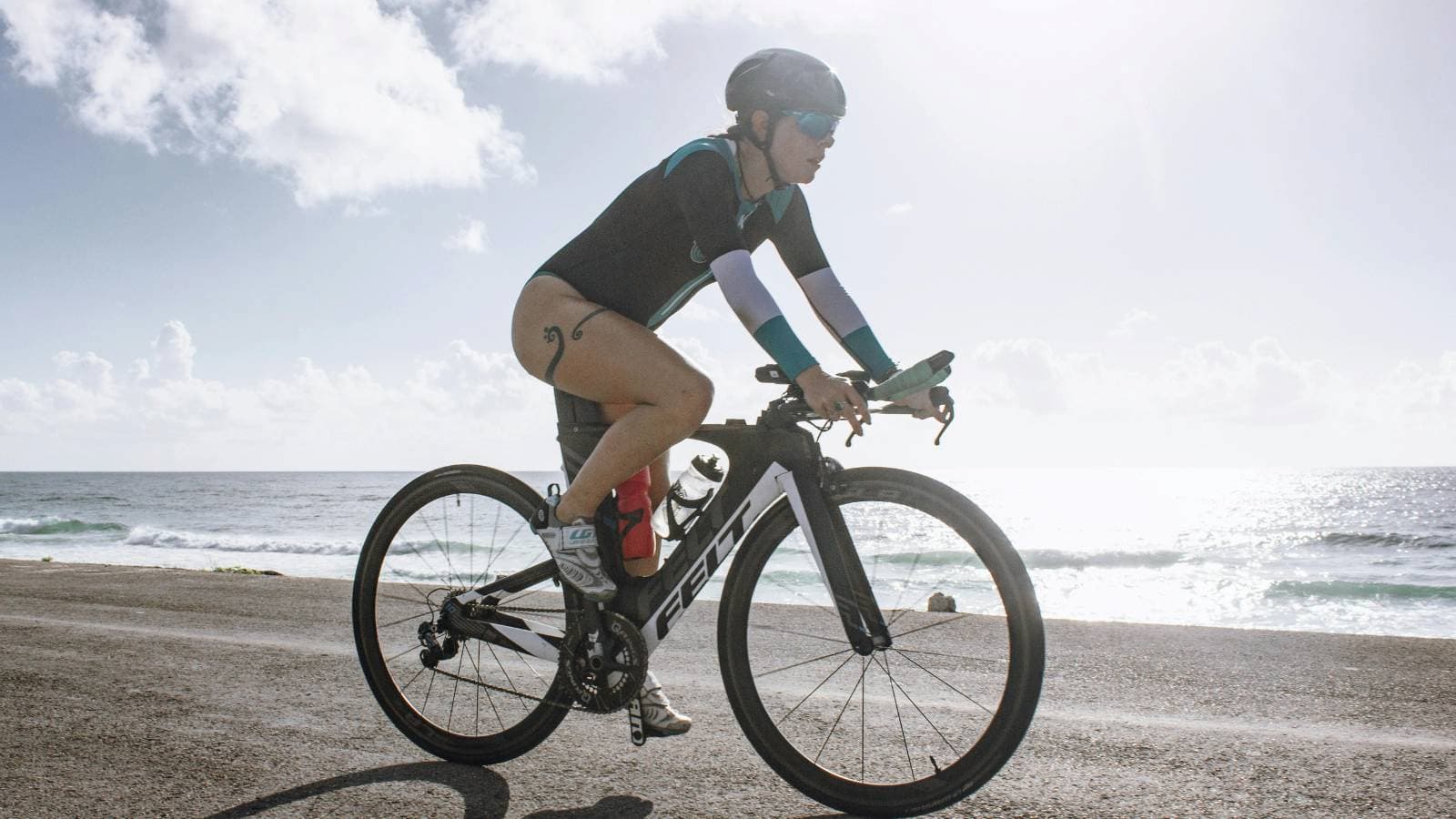
What Pacing and Fueling Actually Mean on the Bike?
Pacing refers to how you distribute your effort across the bike leg. Fueling is how you maintain energy through carbohydrates, fluids, and electrolytes. Both are closely connected, poor pacing affects your ability to fuel, and poor fueling affects pacing. The goal is to maintain a steady effort while consistently supporting your body’s energy needs.
This balance determines how well you perform overall.
Why the Bike Leg Is So Important?
The bike is the longest portion of most triathlons. It is also the only segment where you can properly fuel. Mistakes here carry directly into the run. Riding too hard early or failing to fuel leads to fatigue later. A controlled and consistent approach ensures better performance across the entire race.
Understanding this becomes easier when aligned with how can beginners train for a gravel triathlon, where bike execution directly impacts overall race outcomes.
Start Conservatively and Build Rhythm
- One of the biggest mistakes athletes make is starting too hard.
- After the swim, adrenaline is high and effort feels easy.
- However, pushing too early leads to fatigue later.
- The first part of the bike should focus on settling into a rhythm.
- Gradually building effort allows your body to stabilise.
- A controlled start sets the tone for the entire ride.
Maintain a Steady Effort, Not Speed
- Speed fluctuates based on terrain, wind, and conditions.
- Effort should remain consistent regardless of these changes.
- Trying to maintain speed in difficult conditions leads to excessive energy use.
- Instead, focus on maintaining a sustainable effort level.
- This keeps energy expenditure stable and manageable.
This approach aligns closely with how to optimize your bike split for race day, where effort-based pacing improves endurance and consistency.
Managing Effort on Climbs and Descents
Climbs are where pacing often breaks down. Riders tend to push harder uphill, increasing fatigue. Instead, reduce intensity slightly and maintain control. Use lower gears to keep cadence steady. On descents, avoid complete rest, maintain light effort to keep momentum.
Adapting effort to terrain helps preserve energy for later stages.
The Role of Cadence in Pacing
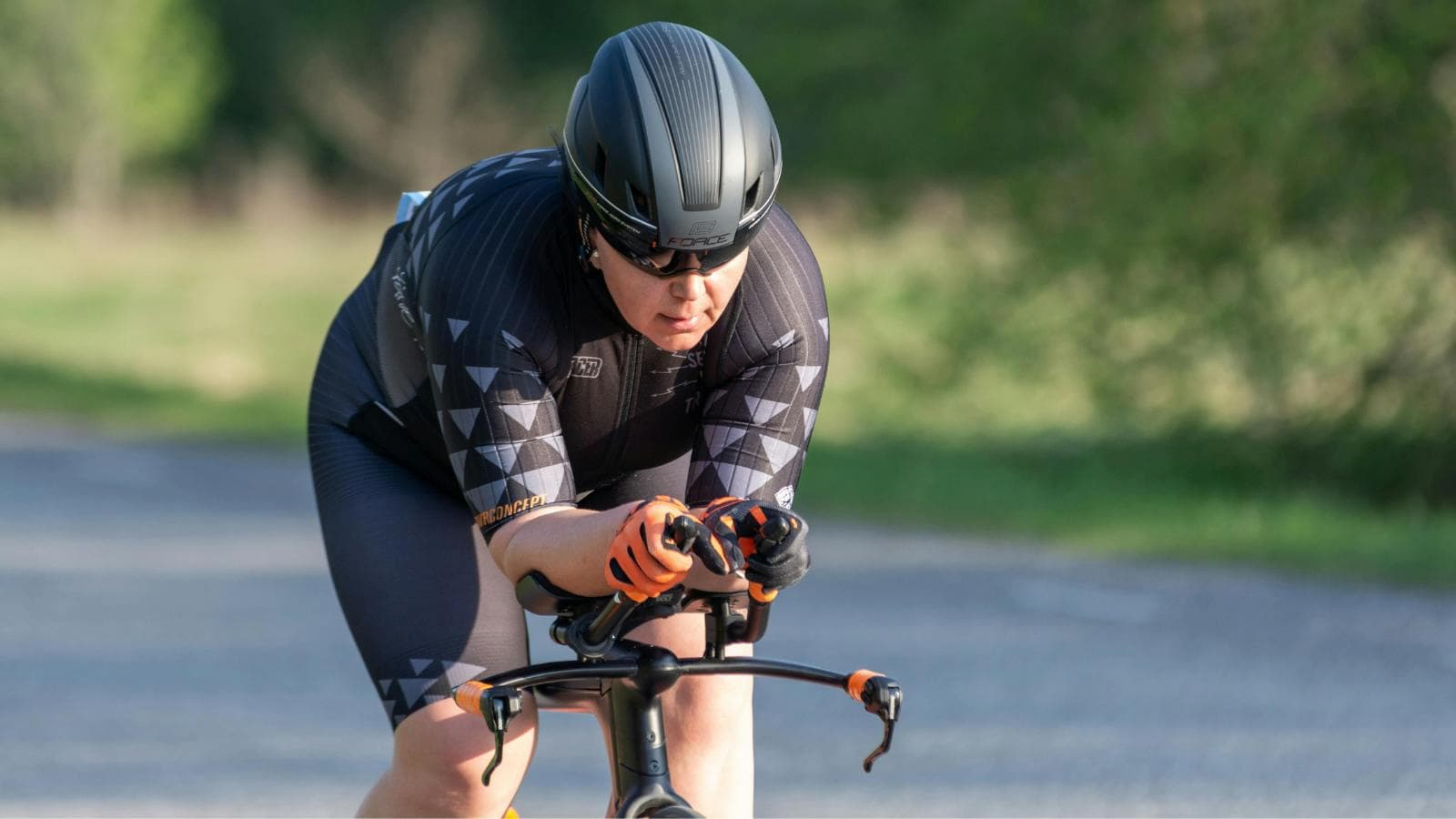
- Cadence helps regulate effort throughout the ride.
- A steady pedalling rhythm reduces muscular fatigue.
- Grinding heavy gears increases strain and energy use.
- Maintaining a smooth cadence improves efficiency.
Applying principles from how to improve your bike split in triathlon ensures better control and energy distribution during the bike leg.
Fuel Early and Fuel Consistently
- Fueling should begin early in the bike leg.
- Waiting until you feel tired is too late.
- Your body needs a steady supply of carbohydrates to maintain energy.
- Small, frequent intake is more effective than large, irregular amounts.
- Consistency helps avoid energy dips and fatigue.
- Practicing this approach in training is essential for success.
Carbohydrates as the Primary Fuel Source
- Carbohydrates are the main energy source during the bike leg.
- They support sustained effort over time.
- Regular intake maintains blood glucose levels and prevents fatigue.
- The goal is not to overload, but to maintain steady availability.
Understanding fueling strategies becomes clearer when aligned with how to fuel for a triathlon, where consistent intake supports performance across all disciplines.
Hydration and Electrolyte Balance
- Hydration plays a major role in performance.
- Fluids support circulation, temperature control, and energy delivery.
- Electrolytes help maintain fluid balance and prevent issues.
- Both should be consumed consistently throughout the ride.
- Ignoring hydration leads to reduced performance and increased fatigue.
- Balancing intake ensures better endurance and control.
Practicing Race-Day Nutrition
Your fueling strategy should be tested in training. Long rides are the best opportunity to practice intake timing and types. This helps identify what works for your body. It also reduces the risk of issues on race day. Preparation ensures confidence and consistency.
This becomes especially important when aligned with the most important bike workouts for 70.3 triathlon, where long rides are used to refine both pacing and nutrition strategies.
Avoiding Overpacing Before the Run
- The bike leg directly affects your run performance.
- Riding too hard leads to heavy legs and reduced pace during the run.
- A controlled bike effort allows for a stronger finish.
- Saving energy is just as important as using it.
- The goal is to arrive at the run feeling prepared, not exhausted.
Adjusting for Conditions
- Environmental conditions affect pacing and fueling.
- Heat increases hydration needs.
- Wind increases energy expenditure.
- Terrain changes require pacing adjustments.
- Adapting your strategy ensures consistent performance.
- Being flexible while maintaining structure is key.
- Long-term performance also improves when aligned with off season training for triathletes, where building a strong foundation supports better race execution.
Common Mistakes
- Starting too hard leads to early fatigue.
- Ignoring fueling causes energy drops.
- Trying to maintain speed instead of effort wastes energy.
- Skipping hydration affects performance.
- Failing to practice nutrition increases risk of issues.
Practical Checklist
- Start the bike leg at a controlled effort
- Maintain steady, effort-based pacing
- Fuel early and consistently
- Stay hydrated and manage electrolytes
- Adjust effort based on terrain and conditions
- Practice your strategy in training
What You Should Do?
- Develop a pacing plan based on your training and fitness level.
- Focus on maintaining a consistent effort throughout the ride.
- Implement a simple and repeatable fueling strategy.
- Test everything in training to ensure reliability.
- Stay disciplined during the race, especially early on.
- Applying a structured approach similar to improve your run off the bike reinforces the importance of preparation and consistency across disciplines.