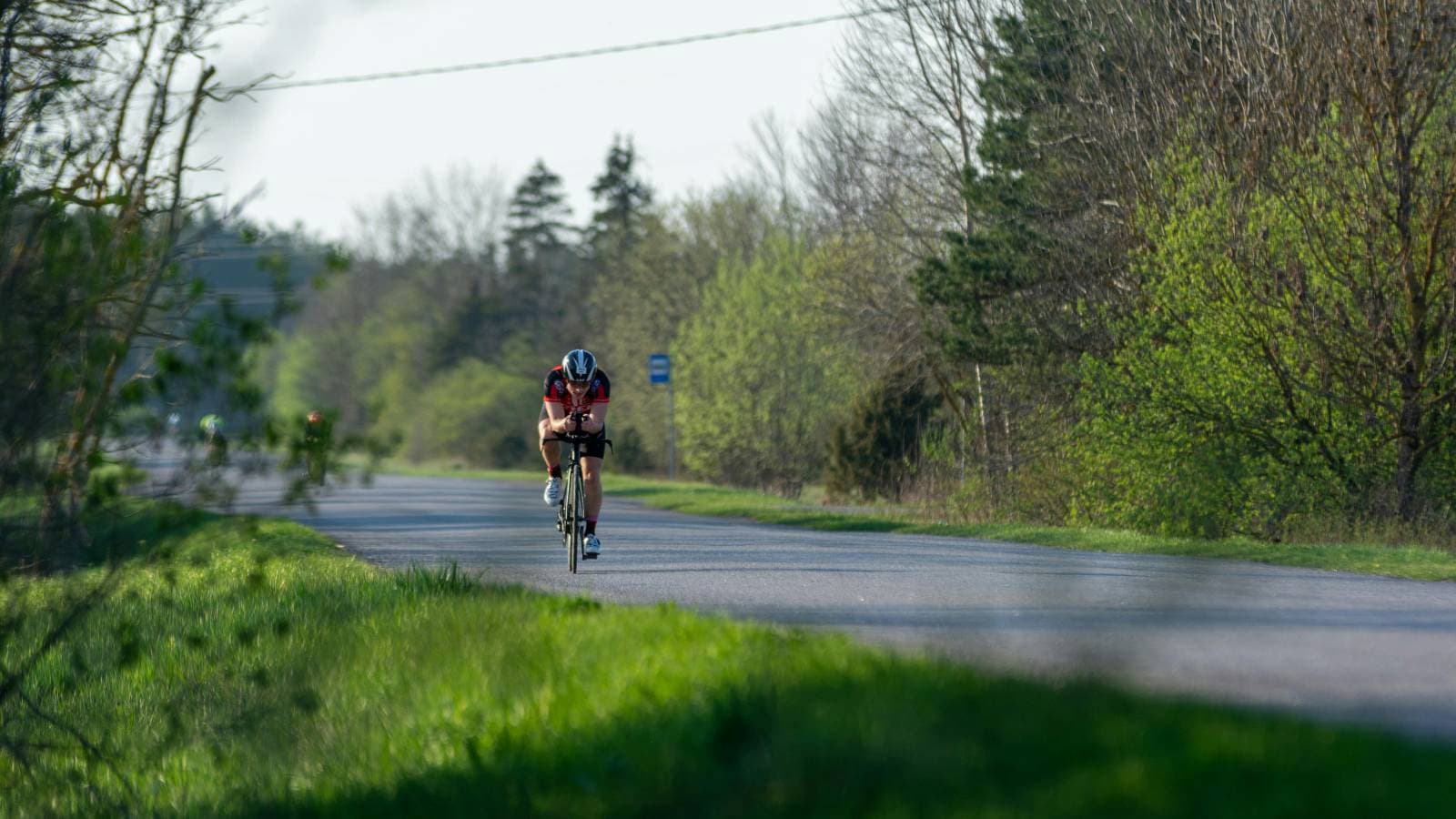


Gravel triathlon combines the core elements of swim, bike, and run with the added challenge of off-road terrain. For beginners, it is not just about completing the distance, it is about adapting to changing surfaces, managing effort, and building confidence across unpredictable conditions. Training for a gravel triathlon requires a slightly different approach compared to traditional road-based racing.
What Makes Gravel Triathlon Different?
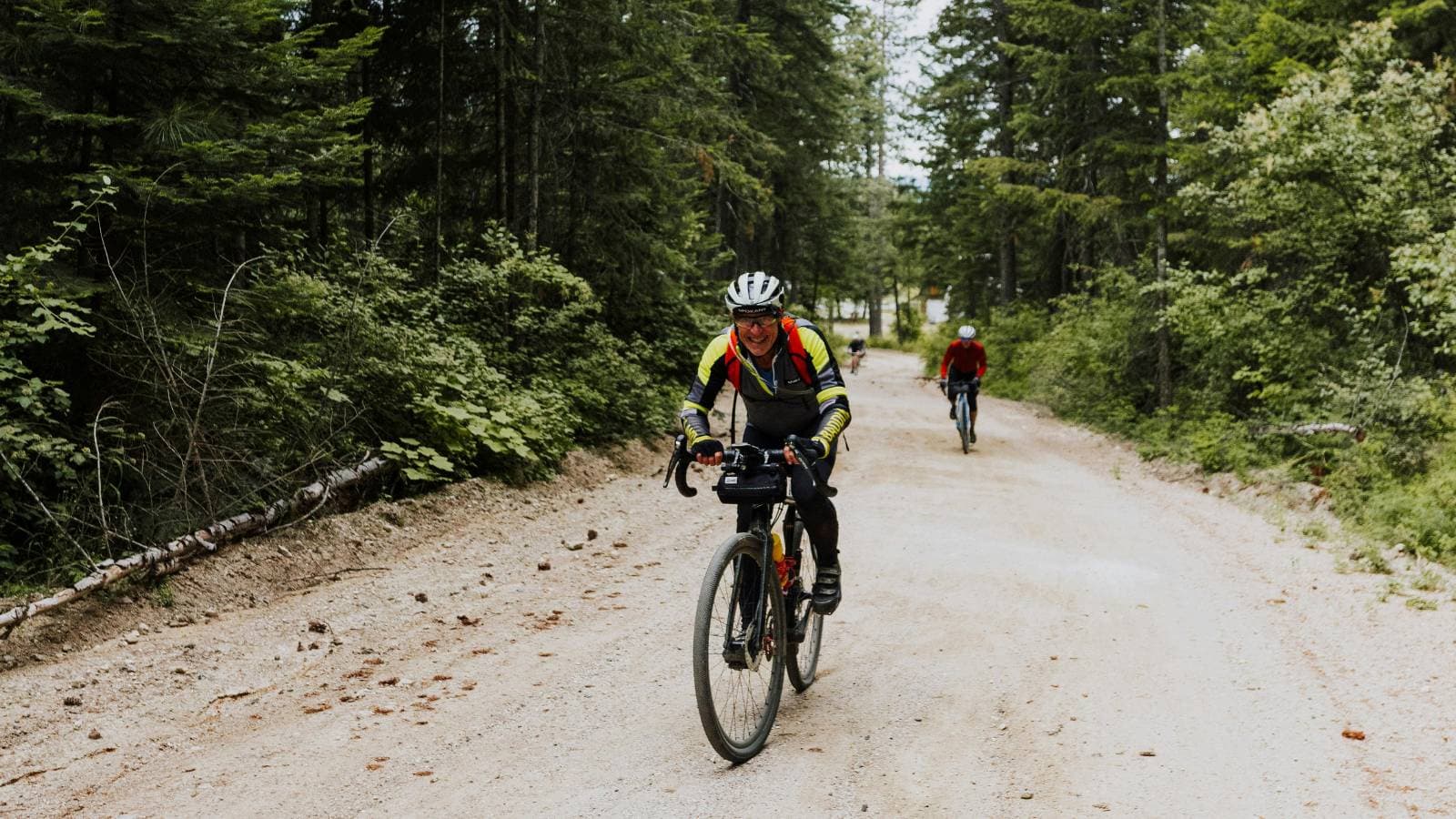
Gravel triathlon introduces variability. Unlike smooth roads, gravel terrain includes loose surfaces, uneven ground, and changing conditions. This affects pacing, bike handling, and energy use. The focus shifts from pure speed to control, efficiency, and adaptability. Understanding these differences helps shape your training approach.
Build a Strong Aerobic Base
- Endurance remains the foundation of any triathlon.
- Most training should focus on low-intensity sessions to build aerobic capacity.
- This allows you to sustain effort over longer durations without excessive fatigue.
- A strong aerobic base improves efficiency across all three disciplines.
This approach becomes clearer when aligned with what is zone 2 training in a triathlon, where controlled effort builds long-term endurance.
Adapt Your Cycling Training for Gravel
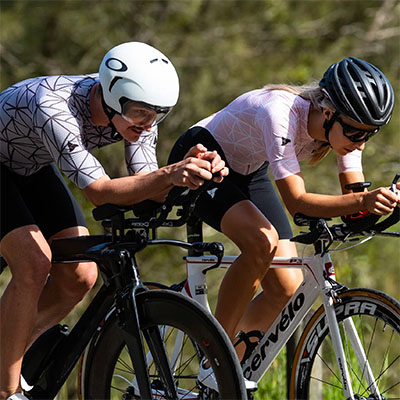
- Cycling is the biggest adjustment in a gravel triathlon.
- Gravel riding requires more bike handling skill and stability than road cycling.
- Training should include time on mixed terrain to build confidence.
- Focus on maintaining control over uneven surfaces rather than speed.
- Handling skills are just as important as fitness.
Improve Bike Handling Skills
- Riding on gravel demands balance and control.
- Loose surfaces reduce traction, making sudden movements risky.
- Practice cornering, braking, and maintaining a steady line.
- Staying relaxed on the bike improves stability.
- Skill development reduces energy loss and improves efficiency.
Adjust Your Running Training
- Running on trails or uneven terrain requires more stability and awareness.
- Foot placement becomes more important to avoid injury.
- Training should include off-road running to adapt to these conditions.
- Effort may feel higher even at slower speeds.
- Focus on maintaining rhythm rather than pace.
Develop Open Water Confidence
- Gravel triathlons often include open water swims.
- Comfort in open water is essential for performance.
- Practicing sighting, breathing, and navigation improves efficiency.
- Confidence in the water reduces stress and energy loss.
This becomes easier when aligned with how to improve your triathlon swim, where direction and control improve overall swim performance.
Strength and Stability Training
- Gravel racing places additional demands on muscles and joints.
- Strength training improves stability and control on uneven terrain.
- Core strength supports balance on the bike and during the run.
- Stronger muscles reduce fatigue and injury risk.
- Including strength work enhances overall performance.
Manage Effort and Pacing
- Pacing in a gravel triathlon is less predictable.
- Terrain changes make it harder to maintain a steady speed.
- Focus on effort rather than pace to manage energy effectively.
- Controlled effort helps maintain consistency across the race.
- Learning to adapt pacing improves endurance and performance.
Practice Transitions in Real Conditions
- Transitions are an important part of triathlon performance.
- Practicing transitions on gravel surfaces prepares you for race day.
- This includes handling equipment and maintaining control during movement.
- Familiarity reduces stress and improves efficiency.
- Preparation leads to smoother execution.
Fueling and Hydration Strategy
- Gravel triathlons often take longer due to terrain.
- Fueling becomes essential for maintaining energy levels.
- Carbohydrates, fluids, and electrolytes should be managed consistently.
- Testing your strategy during training ensures it works under real conditions.
Applying principles from how to fuel for a triathlon helps maintain energy across all disciplines.
Choose the Right Equipment
- Equipment plays a bigger role in gravel triathlon.
- Gravel bikes or modified road bikes with wider tyres improve stability.
- Tyre choice affects grip and control on loose surfaces.
- Comfort and reliability should be prioritised over speed.
- Proper setup improves confidence and performance.
Progress Gradually
- Training should build gradually over time.
- Start with shorter sessions and increase duration as fitness improves.
- Introduce gravel terrain progressively to avoid overload.
- Consistency is more important than intensity.
- Gradual progression reduces injury risk and builds confidence.
Common Mistakes
- Focusing only on fitness while ignoring technical skills limits performance.
- Training only on roads reduces preparedness for gravel conditions.
- Starting too fast leads to early fatigue.
- Ignoring strength work reduces stability.
- Not practicing fueling increases risk of energy loss.
Practical Checklist
- Build aerobic endurance with low-intensity training
- Practice cycling on gravel terrain
- Improve bike handling skills
- Include off-road running sessions
- Develop open water swimming confidence
- Test fueling and hydration strategies
What You Should Do?
- Start by building a strong foundation in all three disciplines.
- Gradually introduce gravel-specific training to develop skills and confidence.
- Focus on control, efficiency, and consistency rather than speed.
- Practice in conditions similar to your race whenever possible.
- Gravel triathlon is about adapting to the environment while maintaining steady performance.
- The more comfortable you become with variability, the stronger your race execution will be.