

What “running off the bike” means and why it matters?
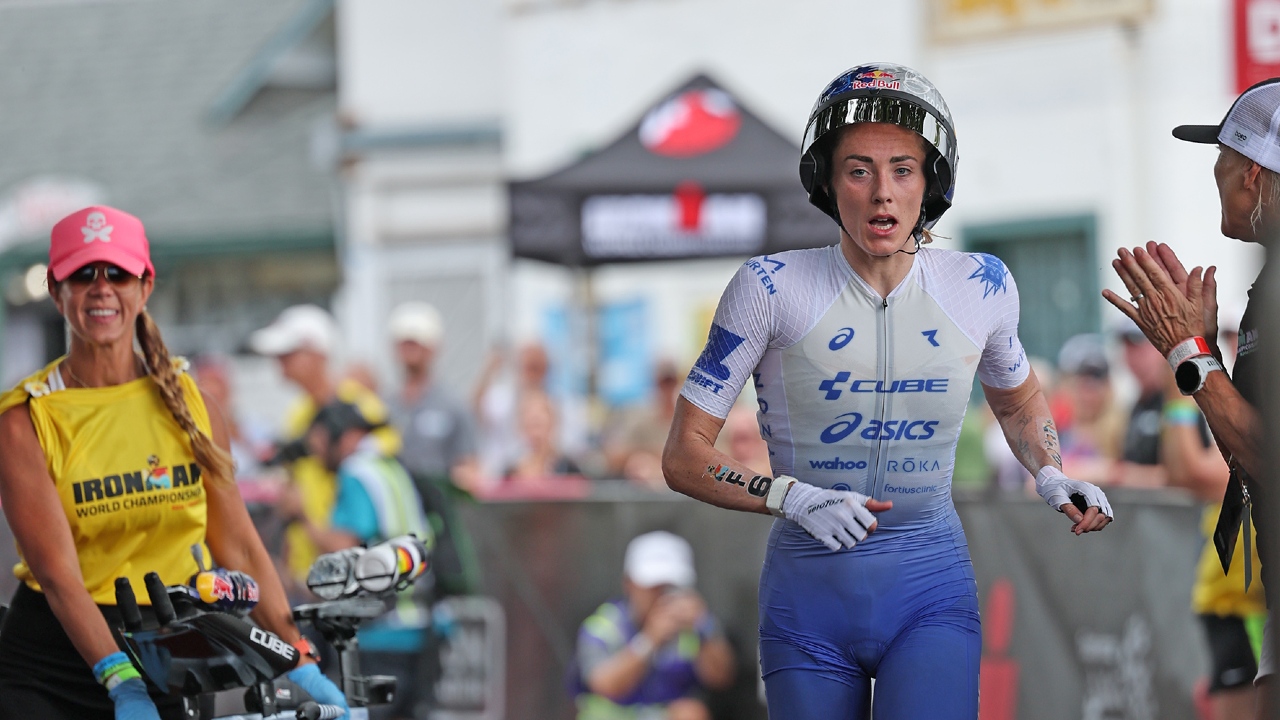
Running off the bike (T2 run) is the final phase of a triathlon where performance often breaks down. It’s not just running, it’s running under fatigue, with altered biomechanics, elevated heart rate, and depleted glycogen. Most athletes can run well fresh. The difference in triathlon is your ability to maintain form and pace immediately after cycling. This is where races are decided. A strong T2 run can gain minutes. A poor one can cost your entire result.
Why running off the bike feels so hard?
The transition from cycling to running creates specific physiological and mechanical challenges:
Neuromuscular disruption
Cycling recruits muscles differently than running. After riding:
- Hip flexors are tight
- Glutes are under-engaged
- Stride length shortens
This leads to the common “brick legs” feeling.
Elevated heart rate
Even at controlled bike intensity, your heart rate is already elevated. Starting the run too fast compounds this quickly.
Glycogen depletion
If fueling on the bike is off, the run exposes it immediately. The first 2 to 3km is where energy deficits show.
Pacing errors on the bike
Over-biking is the biggest cause of poor runs. Even small pacing mistakes early on can ruin your run later.
The key skills you need to improve
Improving your run off the bike is not about running more. It’s about training specific adaptations.
Efficient transition mechanics
The first 1 to 2 minutes of the run matter most. Focus on:
- Quick cadence (not speed)
- Upright posture immediately
- Relaxed shoulders
Think: “short steps, fast turnover” Avoid trying to hit race pace instantly.
Controlled pacing off the bike
Your first kilometre should feel too easy.
A common benchmark:
- Olympic distance: first 1km = ~10 to 15 sec/km slower than target pace
- 70.3: first 2 to 3km conservative, then build
Athletes who surge early almost always fade.
Fueling execution on the bike
Your run performance is largely determined before T2.
Key targets:
- 60 to 90g carbs per hour (depending on tolerance)
- Hydration matched to conditions
- Sodium intake for longer races
If you under-fuel, no amount of run training will fix it.
Cadence and stride reset
Cycling typically reduces cadence variability. Running requires:
- Higher cadence (170 to 185 steps/min)
- Elastic rebound through ankles
Actively reset your stride in the first minutes:
- Increase cadence slightly
- Keep ground contact light
Brick workouts: the foundation of adaptation
Brick sessions train your body to handle the bike-to-run transition.
What is a brick workout?
A session where you cycle immediately followed by a run, with no significant rest. For a structured approach, see our guide on what is brick workout in triathlon?
Types of brick workouts
Short transition bricks (technique focus)
- Bike: 45 to 60 min moderate
- Run: 10 tp 15 min easy
Purpose: teach your body to transition smoothly.
Race-pace bricks
- Bike: 60 to 120 min with race intensity blocks
- Run: 20 to 40 min at race pace
Purpose: simulate real race stress.
Long bricks (endurance focus)
- Bike: 2 to 4 hours
- Run: 30 to 60 min steady
Purpose: fatigue resistance and fueling practice.
Interval bricks
- Bike intervals → short run repeats
Example:
- 4 x (10 min hard bike + 5 min steady run)
Purpose: sharpen pacing and adaptability.
How often should you do brick sessions?
- Beginners: 1x per week (short bricks)
- Intermediate: 1 to 2x per week (mixed types)
- Advanced: 2x per week, including race-specific sessions
Quality matters more than volume. Overusing bricks leads to fatigue without added benefit.
Bike execution: the biggest limiter of your run
Your run starts on the bike.
Common mistakes
Riding too hard early
Going above target power in the first half of the bike leads to:
- Elevated lactate
- Early glycogen depletion
Ignoring terrain
Spiking power on climbs damages your run more than steady pacing.
Poor aero position management
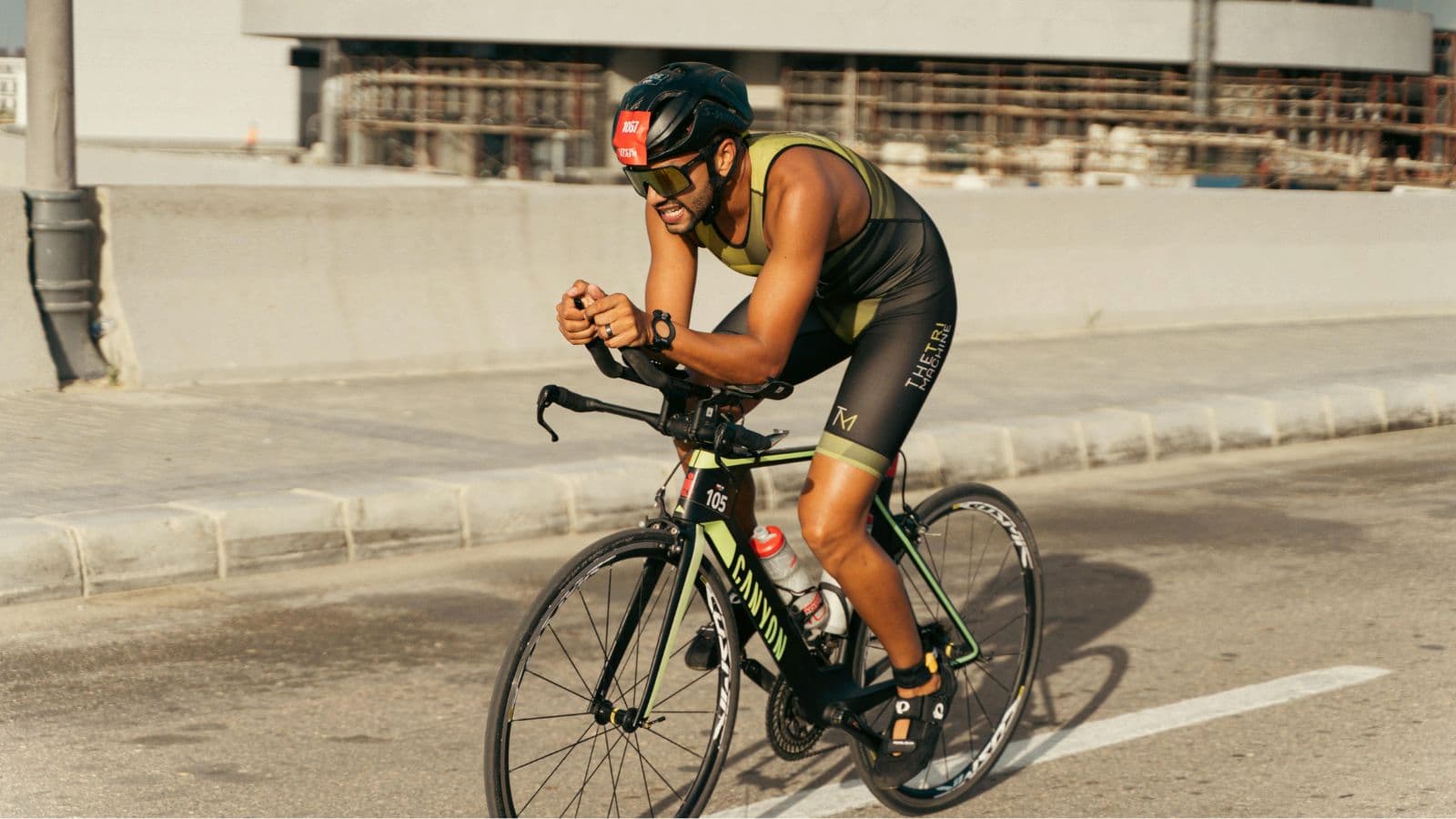
Staying too aggressive in aero without conditioning:
- Tightens hip flexors
- Compromises run stride
What to do instead:
- Keep power steady (low variability index)
- Ride slightly under target early
- Stay relaxed in position
Transition (T2): small gains, big impact
T2 is not just about speed, it sets up your run.
Key actions
- Dismount controlled, not rushed
- Stand tall immediately after the bike
- Start running gradually out of transition
Common mistake
Sprinting out of T2 → immediate spike in heart rate → early fatigue.
Strength and mobility for better run transitions
Off-the-bike running improves when your body can switch movement patterns efficiently.
Focus areas
- Hip flexor mobility
- Glute activation
- Core stability
Useful exercises
- Lunges with rotation
- Single-leg deadlifts
- Glute bridges
- Plank variations
These reduce the “locked” feeling when starting the run.
Mental approach: pacing discipline wins
Pacing on the run is primarily a mental skill, not just a physical one. Most athletes don’t slow down because of fitness limitations, but because they make poor decisions early. The key mindset is simple: the race really begins in the second half of the run, so your goal is to hold back early and build into your effort. If you stay controlled and patient, you give yourself the chance to finish strong rather than fade. A reliable rule to follow is this, if the first part of the run feels easy, you’re pacing it correctly.
Practical checklist: improve your run off the bike
- Include 1 to 2 brick sessions per week
- Practice race pacing on the bike
- Fuel consistently (60 to 90g carbs/hour)
- Start the run conservatively
- Focus on cadence in the first 5 minutes
- Strengthen hips and glutes
- Avoid surges on the bike