

Training for a sprint triathlon is one of the most accessible ways to enter the sport. With shorter distances, typically a 750m swim, 20km bike, and 5km run, it provides the perfect balance between challenge and manageability. For beginners, the goal is not perfection but building confidence, consistency, and basic endurance across all three disciplines. A structured approach ensures steady progress without overwhelm.
What Sprint Triathlon Training Actually Involves?
Sprint triathlon training focuses on balancing swim, bike, and run sessions throughout the week. Each discipline requires different skills, but they must work together as one system. The emphasis is on building aerobic fitness, learning transitions, and developing control over effort. Unlike longer races, sprint triathlons allow beginners to train effectively with moderate time commitment.
The key is consistency rather than intensity.
Start With Your Current Fitness Level
- Before beginning, it is important to assess your current fitness.
- Some beginners may be stronger in cycling, while others may struggle with swimming.
- Training should reflect your starting point rather than a fixed plan.
- Focusing on weaker areas early helps build balance across disciplines.
- This personalised approach makes progress more sustainable and effective.
Building a Weekly Training Structure
- A simple weekly structure is the best starting point.
- Aim for two to three sessions per discipline spread across the week.
- Include at least one rest day to allow recovery.
- Sessions do not need to be long, especially at the beginning.
- Consistency across the week is more important than volume in individual workouts.
Swim Training for Beginners
Swimming is often the most challenging part for beginners. The focus should be on technique and breathing rather than speed. Short, controlled sessions help build confidence in the water. Developing efficient movement early reduces fatigue later in the race.
Improving comfort in the water, much like when learning how to start swimming for triathlon as a beginner, makes the entire race feel more manageable and controlled.
Cycling for Endurance and Control
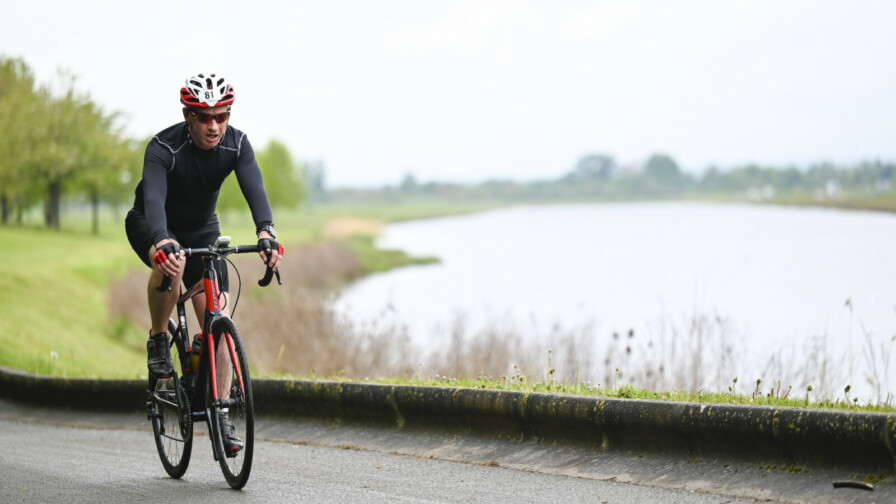
Cycling is usually the longest part of a sprint triathlon. Training should focus on building steady endurance and maintaining a consistent effort.
- Begin with shorter rides and gradually increase duration.
- Smooth pedalling and controlled pacing are more important than speed.
- Learning to manage effort here helps conserve energy for the run.
Running With Efficiency
Running training should focus on building endurance gradually. Avoid pushing too hard early, as this increases fatigue and injury risk. Steady, comfortable runs help develop consistency.
Improving efficiency and pacing becomes easier when you approach training similarly to improving running power and efficiency, where controlled effort leads to better long-term performance.
Combining Disciplines With Brick Workouts
- Brick workouts involve training two disciplines back-to-back, usually cycling followed by running.
- These sessions help your body adapt to the transition between activities.
- They also prepare you for the unique fatigue experienced during races.
- Short brick sessions are enough for beginners to build familiarity.
- Practicing transitions improves both confidence and efficiency

Managing Effort Across All Three Disciplines
- One of the biggest challenges for beginners is pacing.
- Each discipline should feel controlled rather than exhausting.
- Starting too hard leads to fatigue later in the race.
- Maintaining steady effort ensures consistent performance.
Learning pacing early, similar to approaches used in how to train for 70.3 and half ironman triathlon, builds discipline and better race execution even at shorter distances.
Fueling and Hydration Basics
Sprint triathlons are shorter, but fueling still matters. Pre-race nutrition provides the energy needed to perform. Hydration should be maintained before and during the race if needed. Unlike longer events, in-race fueling is minimal.
Understanding basic fueling principles, like those used in how to fuel for a triathlon, helps ensure you start the race with enough energy.
Recovery and Rest
Recovery is essential for progress. Training creates stress, and recovery allows adaptation. Rest days and easy sessions help reduce fatigue. Ignoring recovery leads to burnout and potential injury.
Balancing training with rest ensures long-term consistency.
Building Confidence Before Race Day
- Confidence comes from preparation and repetition.
- Practicing each discipline regularly builds familiarity.
- Training in conditions similar to race day reduces uncertainty.
- Simulating race scenarios helps improve control and comfort.
- Confidence allows you to focus on execution rather than stress.
Common Mistakes
- Training too hard too early leads to fatigue.
- Ignoring weaker disciplines creates imbalance.
- Skipping recovery reduces progress.
- Lack of structure limits improvement.
- Not practicing transitions increases race-day stress.
Practical Checklist
- Train each discipline two to three times per week
- Focus on technique and controlled effort
- Include short brick workouts
- Build endurance gradually
- Prioritise recovery and consistency
What You Should Do?
- Start with a simple, consistent training routine.
- Focus on building confidence in all three disciplines.
- Gradually increase training volume as your fitness improves.
- Practice pacing and transitions to prepare for race conditions.
- Following a structured approach, similar to how athletes prepare through off-season training, helps build a strong foundation without excessive fatigue.
- Developing endurance step by step, much like in training for open water swimming in 8 weeks, reinforces the importance of gradual progression and consistency.
- Sprint triathlon training is about building confidence, maintaining balance, and preparing your body to perform across multiple disciplines efficiently.