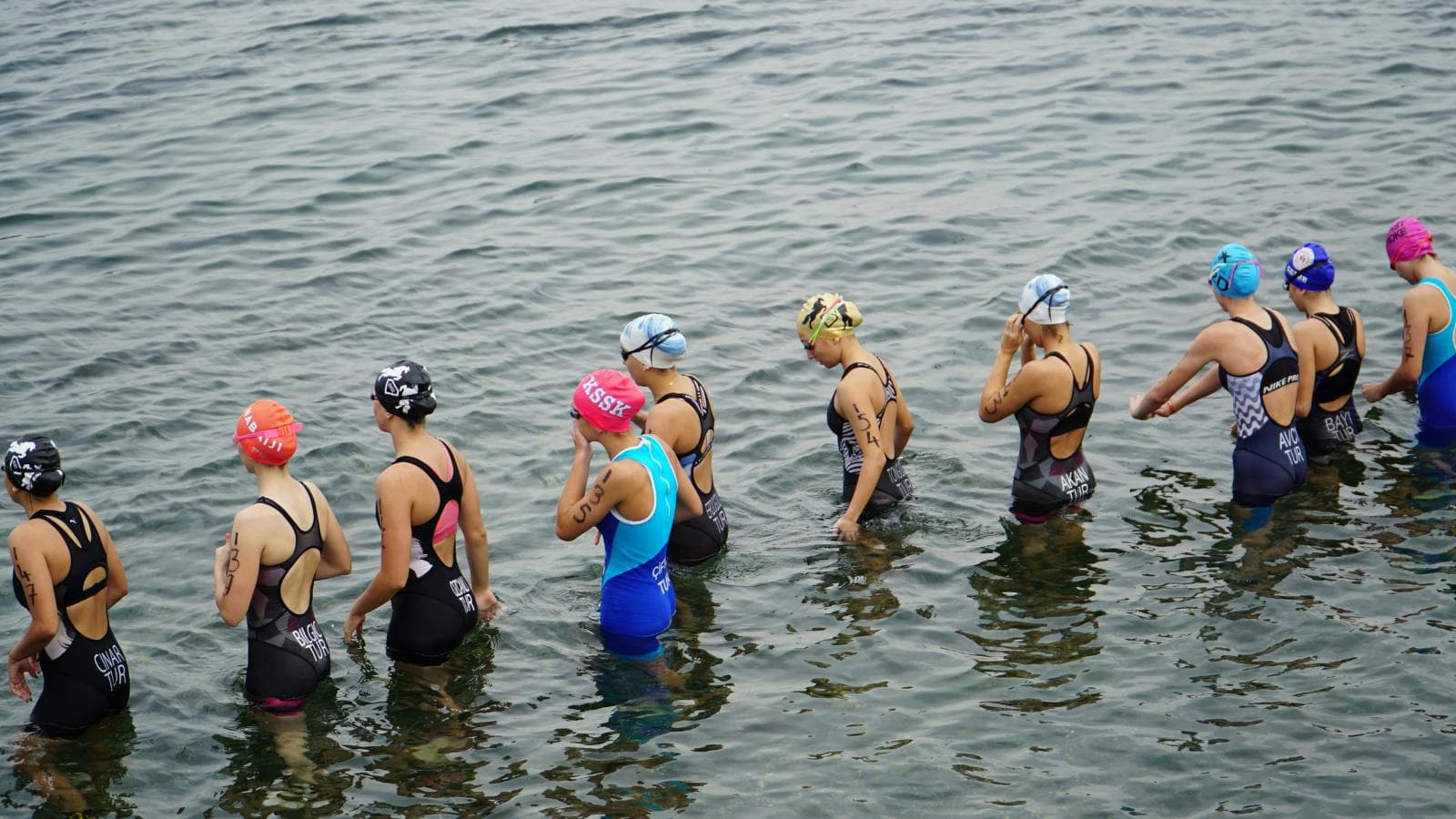


Training for open water swimming in eight weeks requires a structured approach that builds confidence, technique, and endurance progressively. Unlike pool swimming, open water introduces variables such as navigation, conditions, and group dynamics. A focused plan over eight weeks allows beginners and intermediate triathletes to adapt effectively without overwhelming the body.
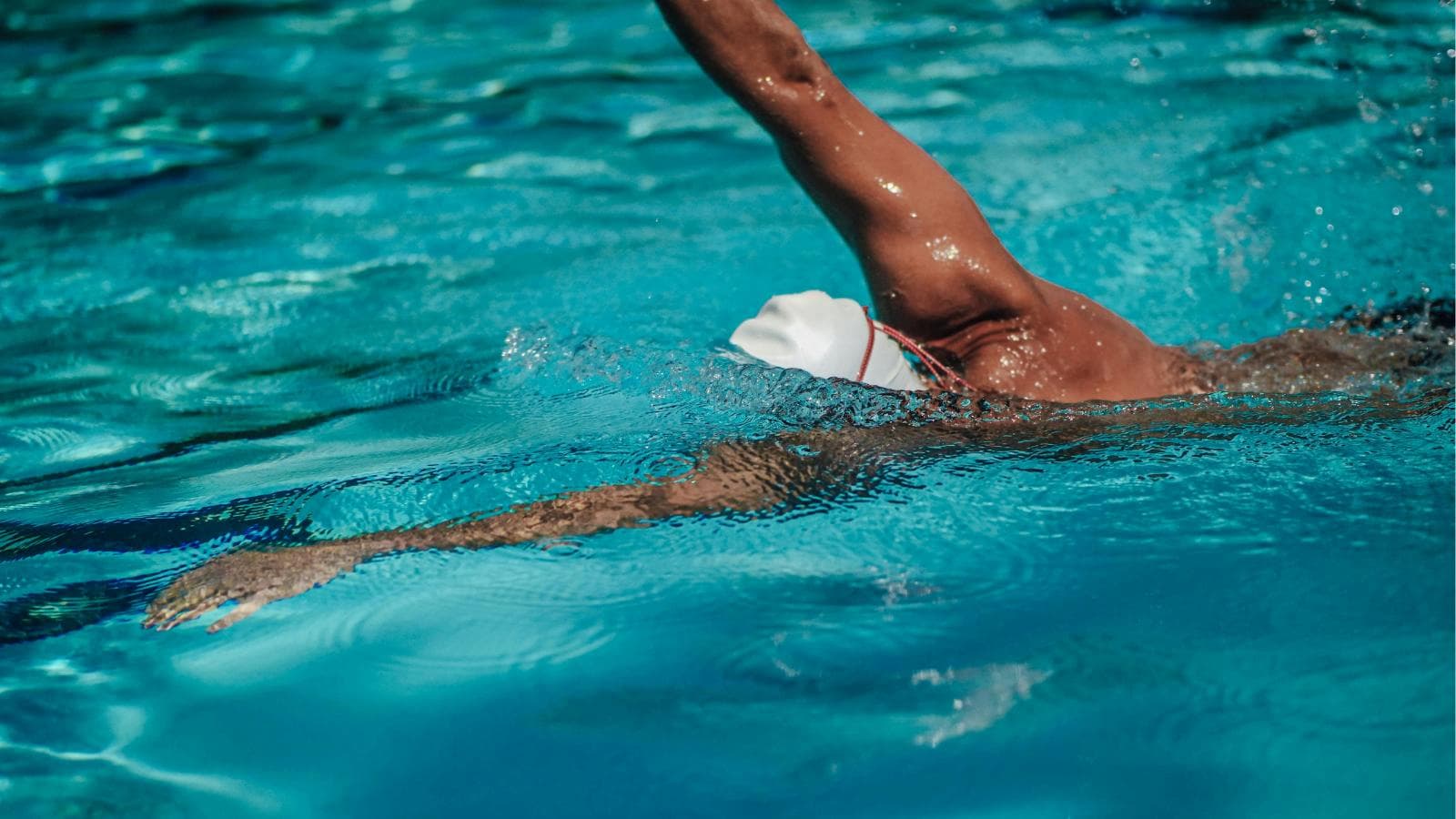
What an 8 Week Open Water Plan Actually Involves?
An eight-week plan focuses on gradual progression rather than intensity. The goal is to build comfort in the water while improving efficiency and control. Training should combine pool sessions for technique and open water sessions for adaptation.
Consistency across the weeks is more important than pushing hard in individual sessions.
Weeks 1 to 2 Building Water Confidence
- The first phase focuses on comfort and basic technique.
- Short, controlled swims help reduce anxiety and improve breathing.
- Sessions should include drills that reinforce body position and stroke rhythm.
- Time in the water is more important than distance at this stage.
- Building confidence early makes later progression smoother.
Weeks 3 to 4 Developing Technique and Rhythm
- Once basic comfort is established, technique becomes the focus.
- Swimming should feel more controlled and less effort-driven.
- Breathing patterns should become consistent and relaxed.
- Introducing light open water sessions helps begin adaptation to real conditions.
This stage connects well with how to start swimming for a triathlon as a beginner, where maintaining direction improves overall efficiency.
Weeks 5 to 6 Increasing Endurance
- Endurance becomes the priority in the middle phase.
- Swim distances should gradually increase while maintaining good technique.
- Longer continuous swims build confidence and stamina.
- Open water sessions should become more frequent to improve familiarity with conditions.
- Consistency is key to developing sustainable performance.
Weeks 7 to 8 Race Preparation and Simulation
- The final phase prepares you for race conditions.
- Sessions should include continuous swims at a steady effort.
- Practicing starts, sighting, and pacing improves readiness.
- Simulating race conditions helps reduce uncertainty and improve confidence.
- This stage ensures your training translates effectively into performance.
Balancing Pool and Open Water Training
- Pool training provides controlled conditions for technique improvement.
- Open water training develops adaptability and confidence.
- Both are essential for effective preparation.
- Combining the two ensures balanced development.
- Pool sessions refine skills, while open water sessions apply them.
Breathing and Relaxation
- Breathing control is critical in open water.
- Cold water, waves, and group swimming can disrupt rhythm.
- Practicing controlled breathing helps maintain calm and efficiency.
- Relaxation reduces energy waste and improves performance.
This becomes especially important when aligned with how to transition from pool swimming to open water swimming, where breathing control is essential for managing shock response.
Building Open Water Confidence
- Confidence is developed through repeated exposure.
- Short, frequent open water sessions are more effective than occasional long swims.
- Familiarity with conditions reduces anxiety and improves control.
- Confidence allows you to focus on technique rather than fear.
Pacing in Open Water
- Pacing in open water should be controlled and steady.
- Starting too hard leads to fatigue and loss of rhythm.
- Maintaining a consistent effort helps sustain performance.
- Understanding pacing improves efficiency and reduces energy loss.
This becomes easier when aligned with how to train for a 70.3 and half ironman triathlon, where sustained effort is essential for endurance events.
Safety and Awareness
- Safety is a key part of open water training.
- Always swim in safe, designated areas when possible.
- Training with others increases safety and confidence.
- Awareness of conditions helps prevent unnecessary risks.
- Preparation ensures a safer training experience.
Common Mistakes
- Trying to swim too far too early leads to fatigue.
- Ignoring technique reduces efficiency.
- Skipping open water sessions limits adaptation.
- Starting too fast disrupts pacing.
- Inconsistent training reduces progress.
Practical Checklist
- Build confidence before increasing distance
- Combine pool and open water sessions
- Practice breathing and relaxation
- Increase distance gradually
- Simulate race conditions in later weeks
What You Should Do?
- Start with short, technique-focused sessions in the pool.
- Gradually introduce open water training to build confidence.
- Increase distance steadily while maintaining control and efficiency.
- Focus on breathing, pacing, and navigation as key skills.
- Consistency across eight weeks leads to effective preparation.
- Open water swimming becomes manageable when training is structured and progressive.