

Cycling efficiency is one of the biggest factors that separates average triathletes from strong performers. It’s not just about how hard you can push, it’s about how effectively you use your energy over time. An efficient cyclist can maintain speed with less effort, conserve energy for the run, and perform consistently across long distances. Improving efficiency means refining technique, pacing, strength, and overall riding habits so that every pedal stroke contributes to forward motion.
What Cycling Efficiency Means?
Cycling efficiency refers to how effectively your body converts energy into movement. Two riders can produce the same power, but the more efficient one will use less energy to sustain it. This includes smooth pedalling, controlled effort, proper positioning, and smart energy management. Efficiency becomes especially important in triathlon, where cycling is only one part of the race and energy must be preserved for the run.
Why Efficiency Matters in Triathlon?
In triathlon, cycling is not about going all-out, it’s about setting yourself up for the run. Poor efficiency leads to wasted energy, increased fatigue, and slower overall performance. Efficient riding allows you to maintain speed while conserving energy, which directly improves your ability to run well afterward. This is why efficiency is closely linked to pacing, as explained in bike handling and cornering skills indoor, where managing effort determines race outcomes.
Develop a Smooth Pedal Stroke
A smooth pedal stroke is one of the foundations of efficiency. Instead of pushing down hard on the pedals, focus on applying force evenly throughout the entire rotation. This reduces wasted energy and improves power transfer. Over time, smoother pedalling becomes more natural and helps maintain consistent effort.
Maintain an Optimal Cadence
Cadence plays a key role in efficiency. Riding at a cadence that is too low increases muscular strain, while too high a cadence increases cardiovascular demand. Finding a comfortable, sustainable cadence allows you to balance effort and maintain performance. This becomes particularly important in longer races, similar to strategies used in low-cadence intervals for cycling, where efficiency is critical for endurance.
Improve Your Bike Position
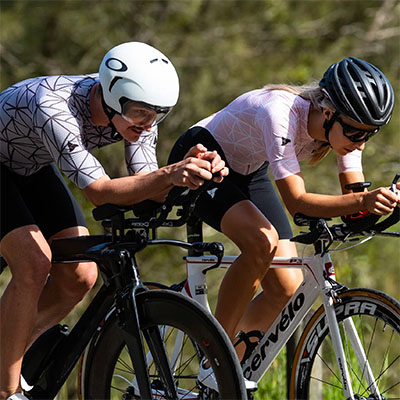
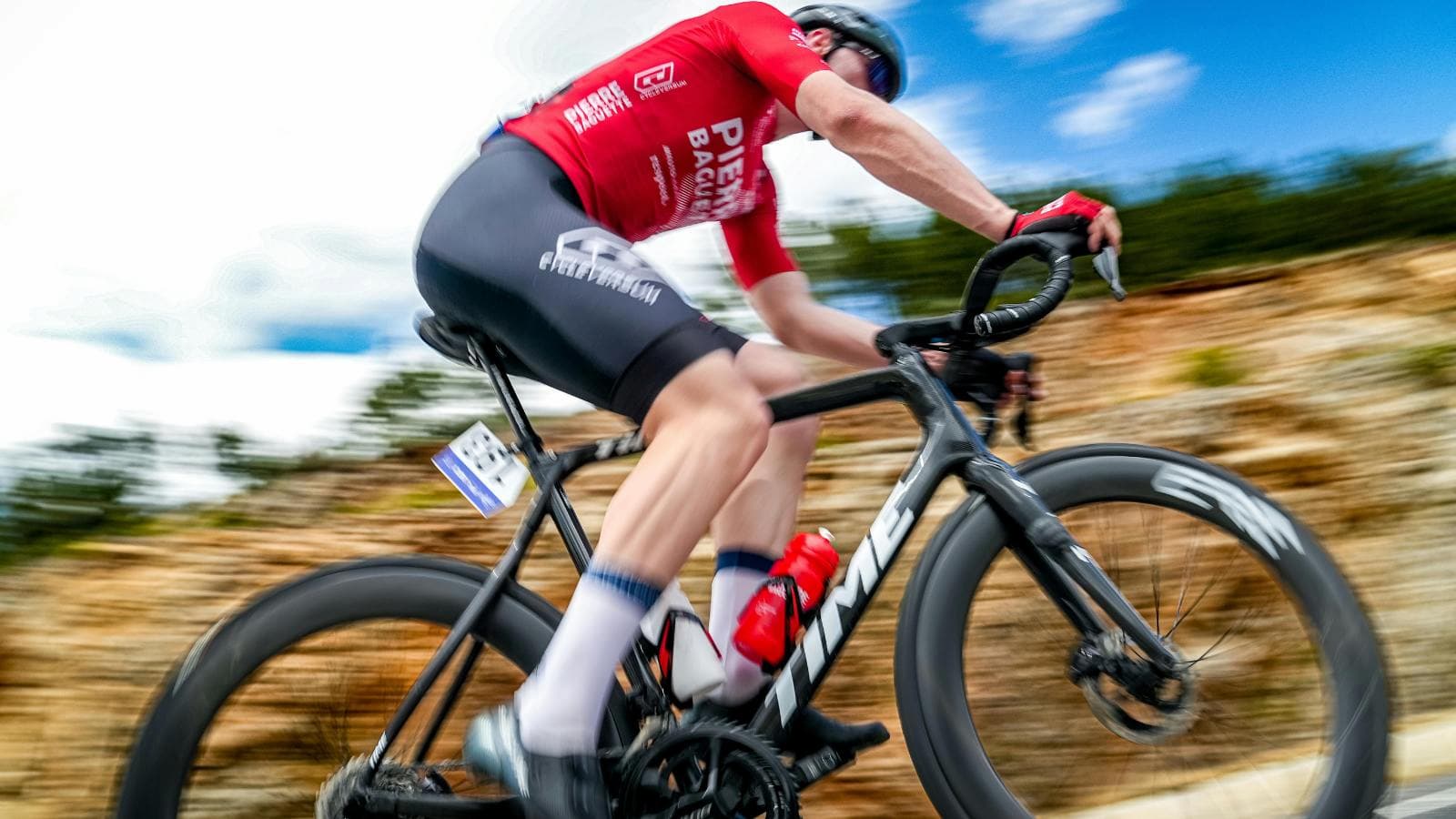
Your position on the bike directly affects how efficiently you ride. A well-adjusted position allows you to produce power comfortably while reducing drag and strain, helping in avoiding neck and back pain in aero position. Poor positioning leads to wasted energy and discomfort. Small adjustments to saddle height, reach, and handlebar position can significantly improve efficiency over time.
Build Strength for Better Power Output
Strength is an important component of efficiency. Stronger muscles allow you to produce the same power with less effort. This reduces fatigue and improves endurance. Incorporating strength training and low-cadence cycling sessions helps build the resilience needed for sustained performance. Structured sessions like those in most important bike workouts for a 70.3 triathlon are designed to improve both strength and efficiency.
Control Your Effort and Pacing
Efficiency is closely tied to how you pace your effort. Riding too hard early in a session leads to fatigue and reduces overall performance. Maintaining a steady effort allows you to sustain speed and conserve energy. This approach is especially important in triathlon, where pacing strategies, like those in avoiding bonking, help build consistency and control.
Reduce Upper Body Tension
- Many cyclists waste energy by holding tension in their upper body.
- Tight shoulders, arms, and grip increase fatigue and reduce efficiency.
- Keeping your upper body relaxed allows energy to be directed toward pedalling instead of unnecessary muscle strain.
Improve Aerodynamics Without Losing Comfort
- Aerodynamics plays a major role in cycling efficiency.
- Reducing drag allows you to maintain speed with less effort.
- However, your aerodynamic position must be sustainable.
- An uncomfortable position leads to fatigue and reduces efficiency.
- Finding a balance between aerodynamics and comfort is key to long-term performance.
Train Consistently for Long-Term Gains
Efficiency is built over time through consistent training. Regular riding improves coordination, strength, and endurance. Gradual progression allows your body to adapt and become more efficient. This long-term approach is similar to principles in off-season training for triathletes, where consistent development leads to better performance.
Fuel and Hydrate Properly
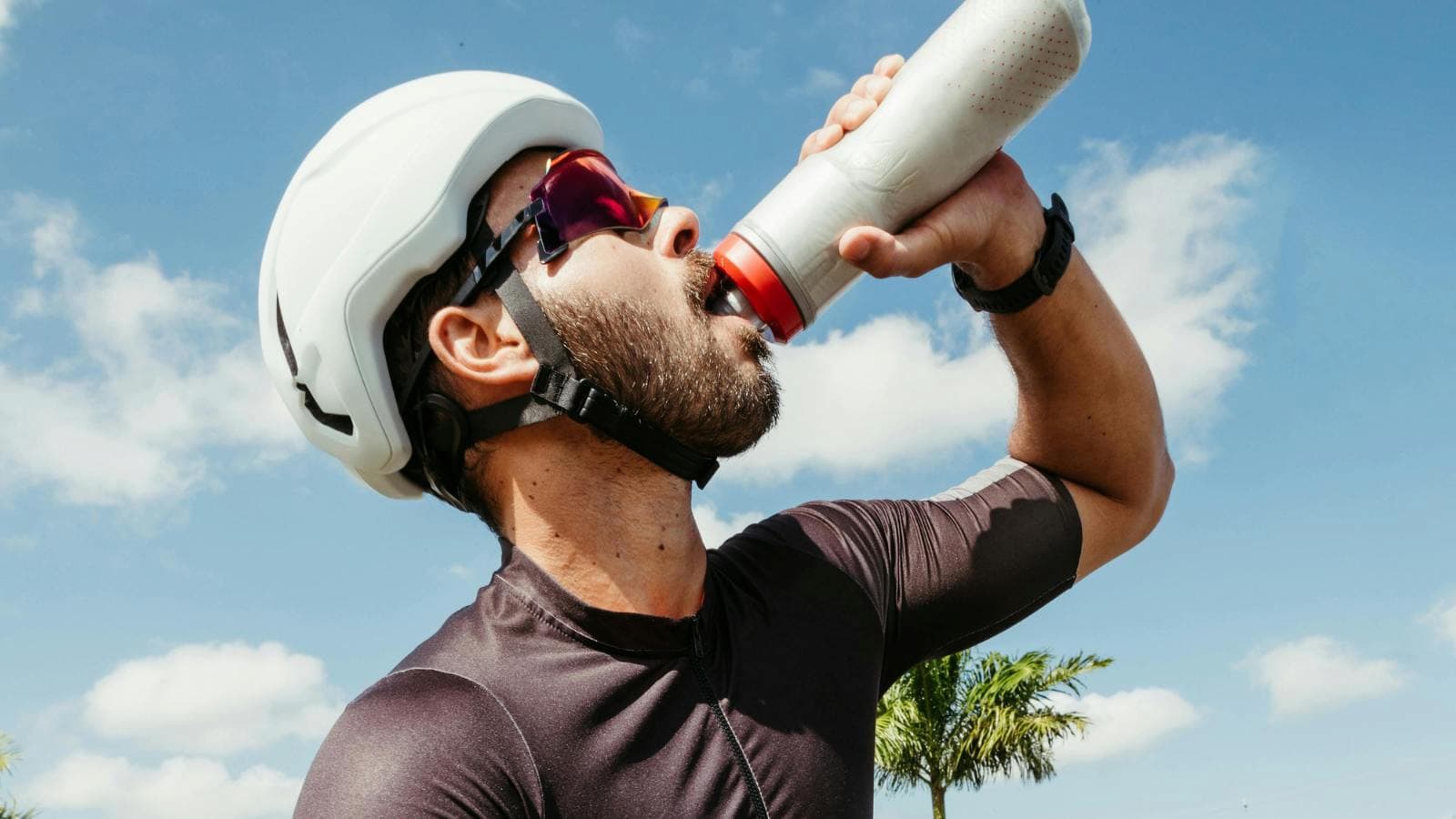
Efficiency is not just mechanical, it is also physiological. Without proper fueling, your body cannot sustain performance. Maintaining energy levels allows you to ride efficiently and avoid fatigue. Proper nutrition strategies, like those in fuel for an ironman triathlon, support long-distance performance and recovery.
Practice Riding at Different Intensities
Training at different intensities improves your ability to adapt and maintain efficiency under varying conditions. Easy rides build endurance, while harder sessions improve power and control. This variation helps you become a more complete and efficient cyclist. This is important to implement with proper pacing strategies for triathlon.
Common Efficiency Mistakes
- Riding with poor posture
- Using an inefficient cadence
- Overexerting early in rides
- Holding unnecessary tension
- Ignoring strength and recovery
Avoiding these mistakes improves both performance and comfort.
Practical Tips to Improve Efficiency
- Focus on smooth and controlled pedalling
- Maintain a steady cadence
- Keep your upper body relaxed
- Adjust your bike position for comfort and power
- Train consistently and progressively
- Fuel properly during longer rides
What You Should Do?
Start by identifying areas where you may be losing efficiency, such as cadence, posture, or pacing. Make small adjustments and focus on consistency rather than quick changes. Over time, these improvements will add up and significantly enhance your performance.
Becoming a more efficient cyclist is not about working harder, it is about working smarter. By refining technique, managing effort, and training consistently, you can ride faster with less effort and perform better in triathlon.