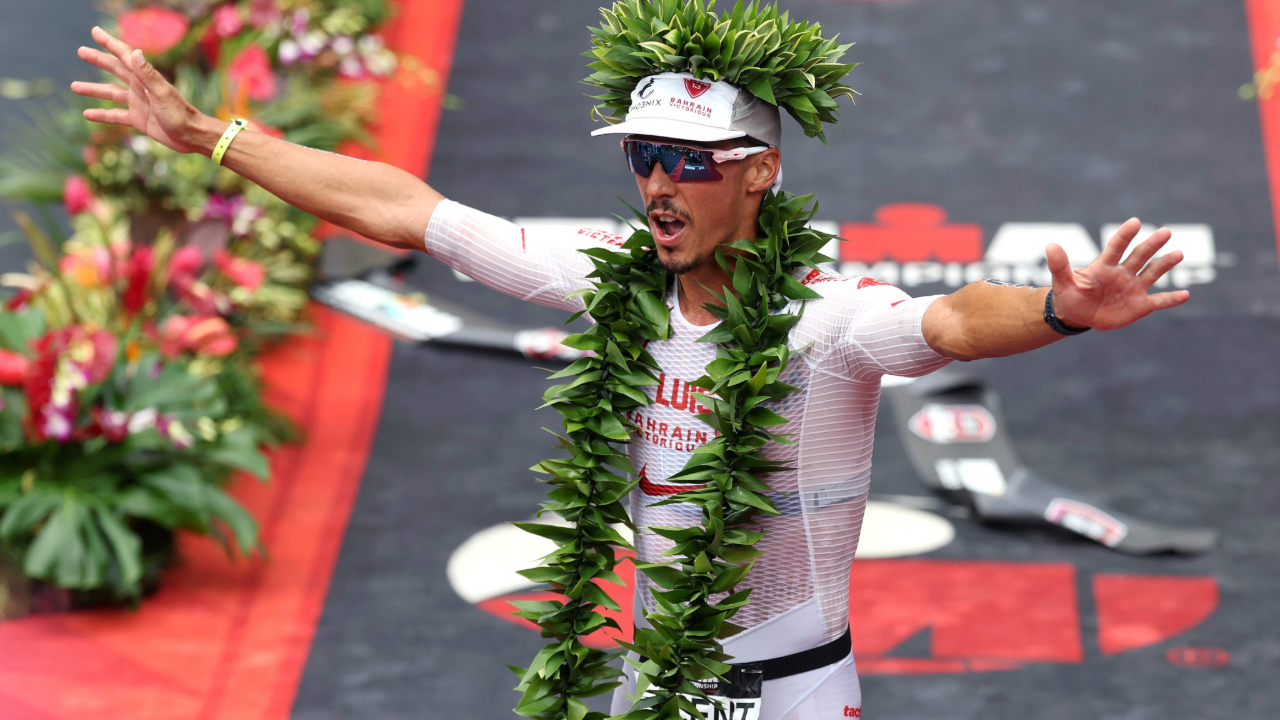

What pacing in triathlon means and why it matters?
Pacing in triathlon is the ability to distribute effort across swim, bike, and run so you can maintain performance to the finish. It’s not about going as hard as possible in each discipline. It’s about controlling intensity so that you can run well at the end. Most athletes don’t lose time because they’re unfit. They lose time because they pace poorly especially on the bike.

The core principle: your race is decided on the bike
The bike leg is where pacing errors accumulate. Ride too hard, and your run collapses. Ride too easy, and you leave time on the course. The goal is simple: arrive at T2 ready to run at your target pace.
Swim pacing: controlled, not aggressive
The swim sets up your entire race, but it should never feel like a maximal effort. A good swim pace feels firm but repeatable like something you could hold longer if needed. The right wetsuit also matters when it comes to pace development and finding the right wetsuit can be a bit challenging without a proper guide.
You are not trying to “win” the swim unless you’re at the very front of the field.
Key approach:
- Start controlled, not all-out
- Settle into a sustainable rhythm quickly
- Avoid spikes in effort around buoys or contact
- Exit the water feeling composed, not exhausted
Common mistake:
- Going out too hard in the first minutes, leading to elevated heart rate before the bike even begins
T1: reset, don’t rush
Transition is part of your pacing strategy.
Rushing blindly increases heart rate and creates chaos going into the bike.
Focus on:
- Controlled breathing as you exit the swim
- Smooth, efficient movements
- Settling your effort before mounting the bike

Bike pacing: steady effort wins races
The bike is where discipline matters most. Your effort should feel controlled throughout, even when terrain changes.
What good bike pacing looks like?
- Effort stays consistent, regardless of terrain
- You resist the urge to push harder early
- You stay relaxed in your position
- You fuel consistently throughout
What poor pacing looks like?
- Surging on climbs or into the wind
- Riding harder than planned early in the race
- Letting competitors dictate your effort
- Ignoring nutrition until it’s too late
The best athletes ride with minimal variation in effort, not speed.
Effort control: how it should feel
Instead of focusing on numbers, focus on sensations:
- Breathing: controlled, not strained
- Legs: working, but not burning
- Upper body: relaxed, no tension
If your breathing becomes forced or your legs feel heavy early on, you’re already over pacing.
Fueling and pacing are the same thing
You cannot separate pacing from fueling. If you ride at the correct effort but fail to fuel, your run will still suffer.
Key habits:
- Eat early and consistently on the bike
- Drink regularly, not reactively
- Stick to what you’ve practiced in training
Poor fueling feels like pacing failure, but it’s often nutritional.

T2: controlled transition into the run
The second transition sets the tone for your run.
Avoid:
- Sprinting out of transition
- Trying to “make up time” immediately
Instead:
- Let your body adjust
- Bring your heart rate under control
- Start the run with intention
Run pacing: patience first, speed later
The run is where pacing discipline pays off. Most athletes start too fast and slow dramatically later.
The correct approach:
- Start slightly below your target effort
- Focus on rhythm and cadence early
- Build gradually once your legs settle
The first part of the run should feel almost too easy.
What to focus on early in the run?
- Short, quick steps
- Upright posture
- Relaxed breathing
Avoid chasing pace immediately. Let it come naturally.
Mid-run strategy: hold, don’t force
Once you settle into your rhythm:
- Maintain steady effort
- Avoid surges
- Stay mentally engaged
This is where races stabilize. Athletes who paced correctly will feel in control here. Those who didn’t will already be struggling.

Final phase: build if you can
If pacing has been executed properly:
- You should be able to increase effort slightly toward the end
- Your form should still be intact
- Your breathing should be controlled
If you can push in the final section, your pacing was correct. If you’re fading, the mistake happened earlier usually on the bike.
Common pacing mistakes in triathlon
- Starting the swim too aggressively
- Treating the bike as a time trial instead of setup for the run
- Surging effort on hills or into wind
- Ignoring fueling until late in the bike
- Running too fast out of T2
- Chasing other athletes instead of your own plan
Practical pacing checklist
- Swim controlled, not maximal
- Keep transitions efficient and calm
- Ride steady, not aggressively
- Avoid effort spikes on the bike
- Fuel early and consistently
- Start the run conservatively
- Build effort gradually through the run
- Stay disciplined regardless of competitors