



Kristian Blummenfelt has described how his IRONMAN World Championship challenge slipped away in a matter of minutes in Kona – and why he believes getting more fluid on board could have made the difference.
The Norwegian finished eighth after arriving at the Energy Lab still believing he could fight for victory, only to find himself battling to limit his losses.
The consequences extended beyond missing out on a much-wanted first world title since 2022. Third place in the final IRONMAN Pro Series standings brought an $85,000 bonus, compared with the $200,000 available to the winner.
But reflecting in his new post-race YouTube vlog, embedded below, Blummenfelt explained that another painful experience on the Big Island has only strengthened his determination to conquer it.
From confidence to crisis
For much of the day, Blummenfelt felt his race was developing positively.
He was encouraged by his swim, felt strong late on the bike and began the marathon with a deliberate plan to hold something back over the opening kilometres on Aliʻi Drive.
“I just have to stay to my strategy on the run, and I will be in a good position to fight for the win,” he recalled thinking.
After that controlled opening, he began moving through the field and found himself alongside Vincent Luis, with Magnus Ditlev still ahead.
There was an initial warning when Luis closed a gap Blummenfelt had opened, but the Norwegian remained optimistic until the approach to the Energy Lab.
“I think that was the moment where I first thought that the legs were starting to feel quite fatigued,” he explained.
“It just changed around quite quickly, and I think that was after like 90 minutes of running.”
What followed was a rapid reassessment of what remained possible.
“That was the moment where Vince was running away,” he said. “I also realised that the fight for the podium would really be hard. I’m probably going to go backwards on the course from here on, and the switch just turned off.”
“That’s on me”
Looking back, Blummenfelt believes he needed to take in a greater volume of fluid during the marathon.
“Looking back now, I think I should have been focusing even more on getting a higher volume of liquid in on the run,” he said.
His assessment was that he reacted too late as fatigue and the conditions began to take their toll.
“Probably catching up with liquid a bit too late, not getting the cooling benefits from the high humid air just cooked me.”
“I wasn’t really able to get it in at the neutral aid stations, and that’s on me,” he said.
“I should have both slowed down a little bit more there, and I should have had bigger bottles on my professional aid stations.”
One potential adjustment is to carry a more diluted carbohydrate drink in larger bottles, allowing him to consume the same amount of fuel alongside more liquid.
He tried to recover during the closing stages by carrying a larger water bottle and refilling it along the way, but the improvement he wanted never came.
“It didn’t really work. I didn’t feel too much better in the end, but at least I managed to still fight all the way until the finish line and get into an eighth place.”
Why he doesn’t blame the training
Blummenfelt also addressed the questions he expected about his demanding preparation, including a 40km training run close to race day.
“I guess a lot of people will comment, overcooking it,” he said, anticipating suggestions that the big sessions had compromised his performance.
“I don’t really think so.”
His own explanation remained focused on race-day hydration.
“I think, if anything, it was more the fact that I should have been better at getting a higher volume of liquid in.”
That distinction matters to his assessment of the performance: he described feeling strong through the latter stages of the bike and comfortable for a substantial part of the marathon before his race changed abruptly.
“Luckily, it came way later into the race than what it did two years ago, because now I had a pretty good positive experience until just the switch turned off.”
A different approach to humidity?
Another area Blummenfelt is considering is where he prepares for Kona’s conditions.
He questioned whether training in the drier environment around Waikoloa, farther north on the island, had provided enough exposure to the humidity he encountered during the race.
“Maybe the fact that we’re doing so much of the training out in drier conditions at Waikoloa instead of training more in humidity could also be a learning factor for next year,” he said.
“I do feel that humid air is way harder than five degrees warmer and dry air.”
A training block in Thailand is one possibility he has already begun considering, although he stressed that his plans remain undecided.
First comes a break back home in Norway, followed by the process of working out how to turn another disappointment into a better performance in 2027.
“It just makes me want to win this race even more”
The immediate aftermath left Blummenfelt feeling “empty and disappointed and tired”.
Yet even then, his thoughts were already turning towards another attempt.
“One of the beautiful things and the brutal things with having a major race like this that means so much is that, in one way, it doesn’t really matter what you’ve done earlier in the year if you’re not performing on the Big Island,” he said.
“And it just makes me want to win this race even more.”
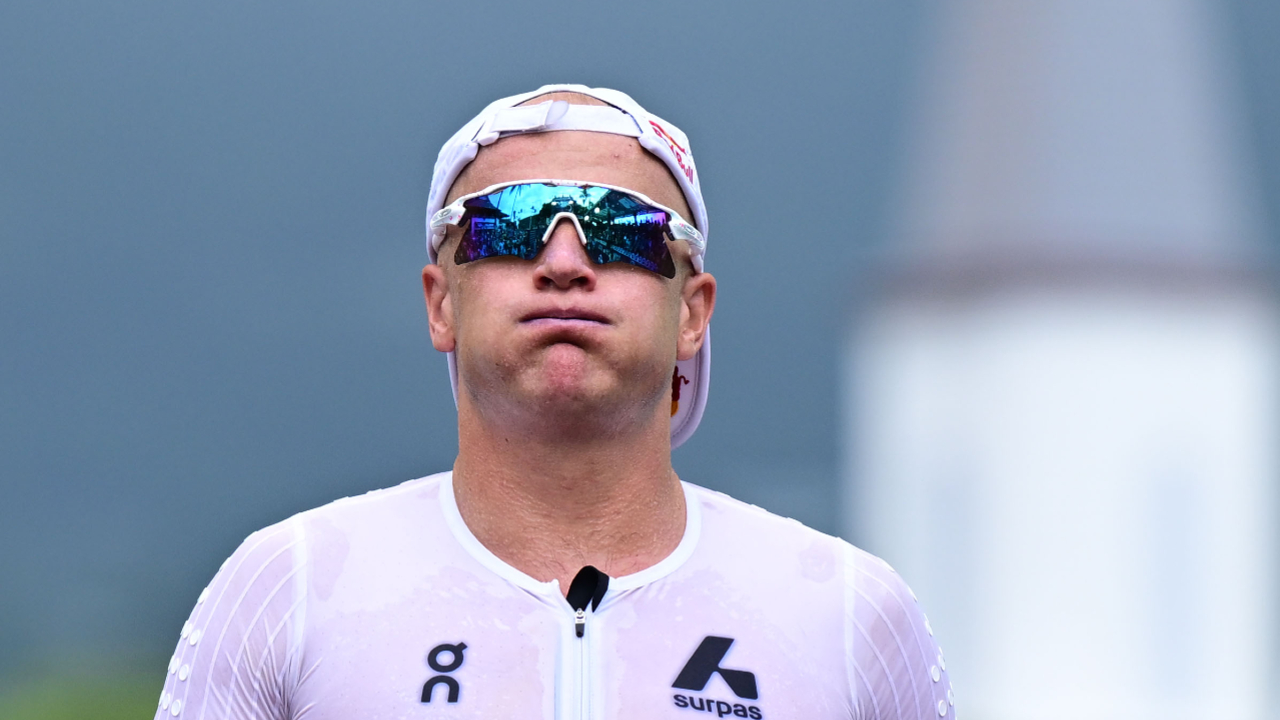
For all the analysis of bottles, aid stations and training locations, the hardest part was recognising that the opportunity had gone.
“Hard to realise over those five to 10 minutes in Energy Lab that this race is slipping out of my hands.”
His closing verdict captured both the disappointment and his intention to return.
“The island gives, the island takes, and this year it took more than it gave.
“We live, we laugh, and we learn. We move on to next year.”