



British triathlete Ruth Astle has raised hopes of a competitive sporting comeback after announcing a crucial medical breakthrough in her search for answers following years of injury and illness woes.
The 37-year-old has been sidelined for eleven months after recording a DNF at IRONMAN Wales last September and announced earlier this year that she would be taking some time away from the sport in the hope of resolving her ongoing issues.
Astle enjoyed her best-ever season in 2021 when winning three of her six races – Outlaw Holkham, IRONMAN Mallorca and IRONMAN South Africa; however, her victory at IRONMAN Israel the following year remains her most recent success.
Years of uncertainty at an end
Having initially been struck by persistent calf injuries, she subsequently developed a painful hip problem before recurrent illness, increasing fatigue and brain fog left her struggling to train and compete.
Her decision to step back from triathlon has now, seemingly, paid off as she revealed on Instagram that after years of uncertainty she has now been given a diagnosis for her condition.
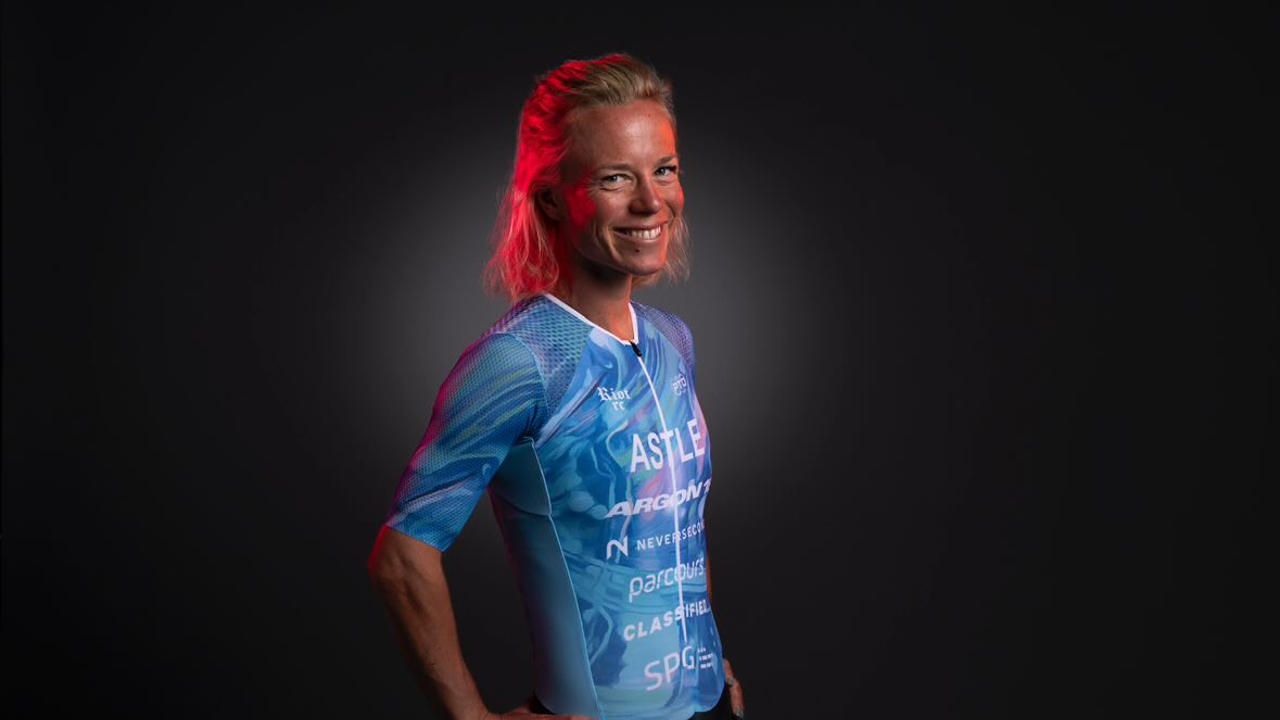
“For the last couple of years, I’ve known something wasn’t quite right,” she wrote. “On paper, I looked healthy. I trained well, ate well, slept well, and blood tests were often reported as normal.
“But I kept getting ill every month or two. Felt increasingly fatigued, struggled with brain fog and picked up muscle injuries that didn’t seem to make sense.
‘Wondering if I was imagining it’
“I’ve probably had more blood tests than I can count, along with scans, appointments, and plenty of moments wondering if maybe I was imagining it. It’s easy to start questioning yourself when every individual result looks almost normal, but the overall picture doesn’t fit how you feel.
“Eventually, after looking at years of results, rather than just one snapshot, the answer became clear. I have Hashimoto’s disease. An autoimmune condition where the immune system attacks the thyroid.”
Her time away from competing has seen her take on the key role of events director at TBF Events, the mass-participation arm of the Brownlee Foundation, set up by the legendary brothers Alistair and Jonny to deliver free events and opportunities for children to take part in the triathlon disciplines of swimming, cycling and running.
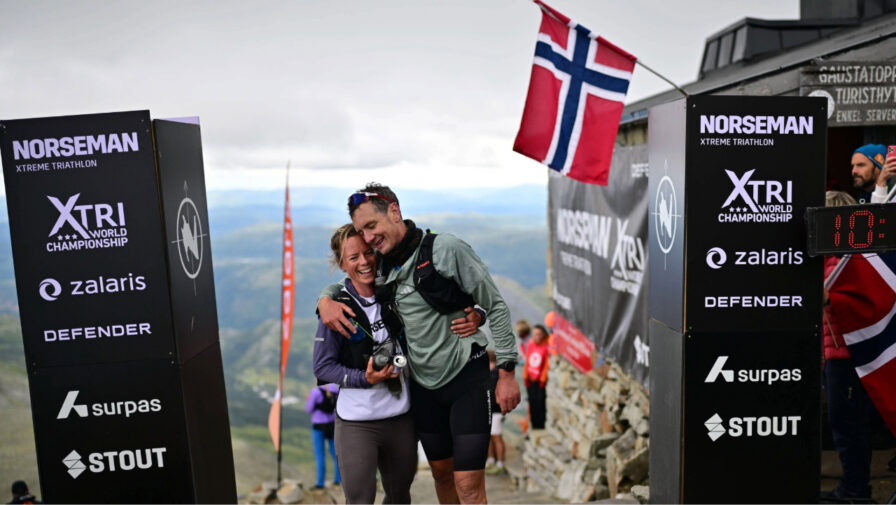
She has also supported Alistair – her partner – during some of his recent endurance challenges, including as part of his team at the Norseman Xtreme triathlon, where the double Olympic gold medallist finished second.
Dreams of being on a start line
Stepping out onto another start line, however, is now the dream… be that in triathlon or one of her other great sporting loves, gravel cycling. With a diagnosis now confirmed, she can start the recovery process and get herself into a position of strength once more.
Over the last three years she has had 22 private blood tests; seen multiple private and NHS GPs; and spoken with two endocrinologists and one rheumatologist, each with varying and often frustrating results.
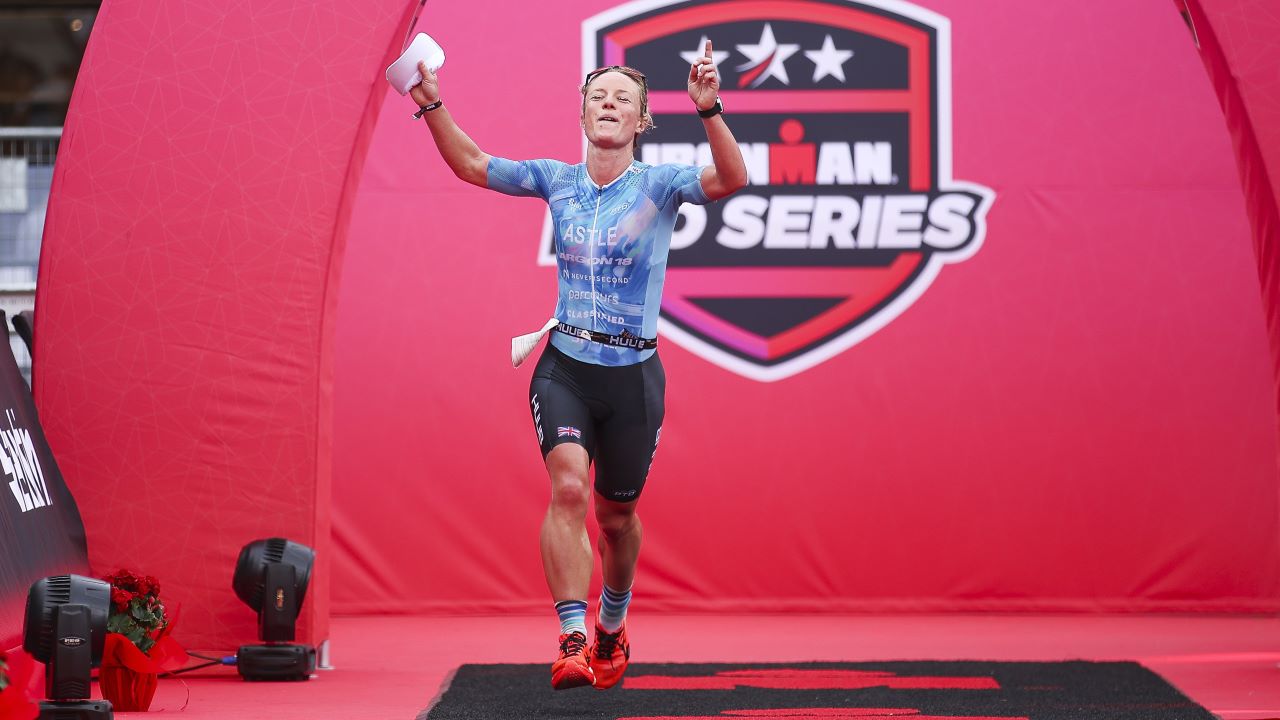
It is, she says, a lesson for all athletes to stick by your guns if you believe that something is wrong.
“One of the biggest lessons from this has been to trust your own body,” she added. “Nobody knows your normal better than you. If something consistently feels off, keep asking questions. A diagnosis isn’t about proving you were right. It gives you a starting point for getting better.”
And getting better is only the start.
Still a long way to go on journey
“The journey isn’t over yet,” she says. “We’re still working to find the right dose of levothyroxine, and anyone who’s been through thyroid treatment knows it takes time, patience, and regular blood tests to get things settled.
“For the first time in a while, though, I have felt like we’re moving forwards rather than searching in the dark. I’m hopeful this is the start of getting back to being myself again.
“The aim isn’t just to feel better day to day. It’s to get back on the start line for some adventures next year. I’ve got a bit of work to do first, but for the first time in a long time, I know what I’m working against, and that makes all the difference.”
Her post was liked and commented on by numerous fellow triathletes, who welcomed the news that their friend and colleague finally had some answers after years of uncertainty.
Words of support from athletes
Fenella Langridge wrote: “Sooo happy to hear you have answers. Nothing worse than feeling like you’re going a bit crazy knowing something is wrong!! This is the start of something GOOD.”
While Anne Reischmann added: “So happy you finally know where the symptoms are coming from. Hopefully you’ll find a good solution, and you’re feeling better and better. 🫶🏼”
Such sentiments will undoubtedly be echoed throughout the sport as Astle finally leaves behind the question of ‘What is wrong?’ and begins answering a far more hopeful one: ‘What comes next?’