

Bonking in cycling refers to a sudden and dramatic drop in energy levels, often caused by depleted glycogen stores. It’s sometimes called “hitting the wall”, and it can turn a strong ride into a struggle within minutes.
Whether you’re training for a triathlon or heading out on a long ride, understanding bonking — and how to avoid it — is essential for performance and enjoyment.
What is bonking in cycling?
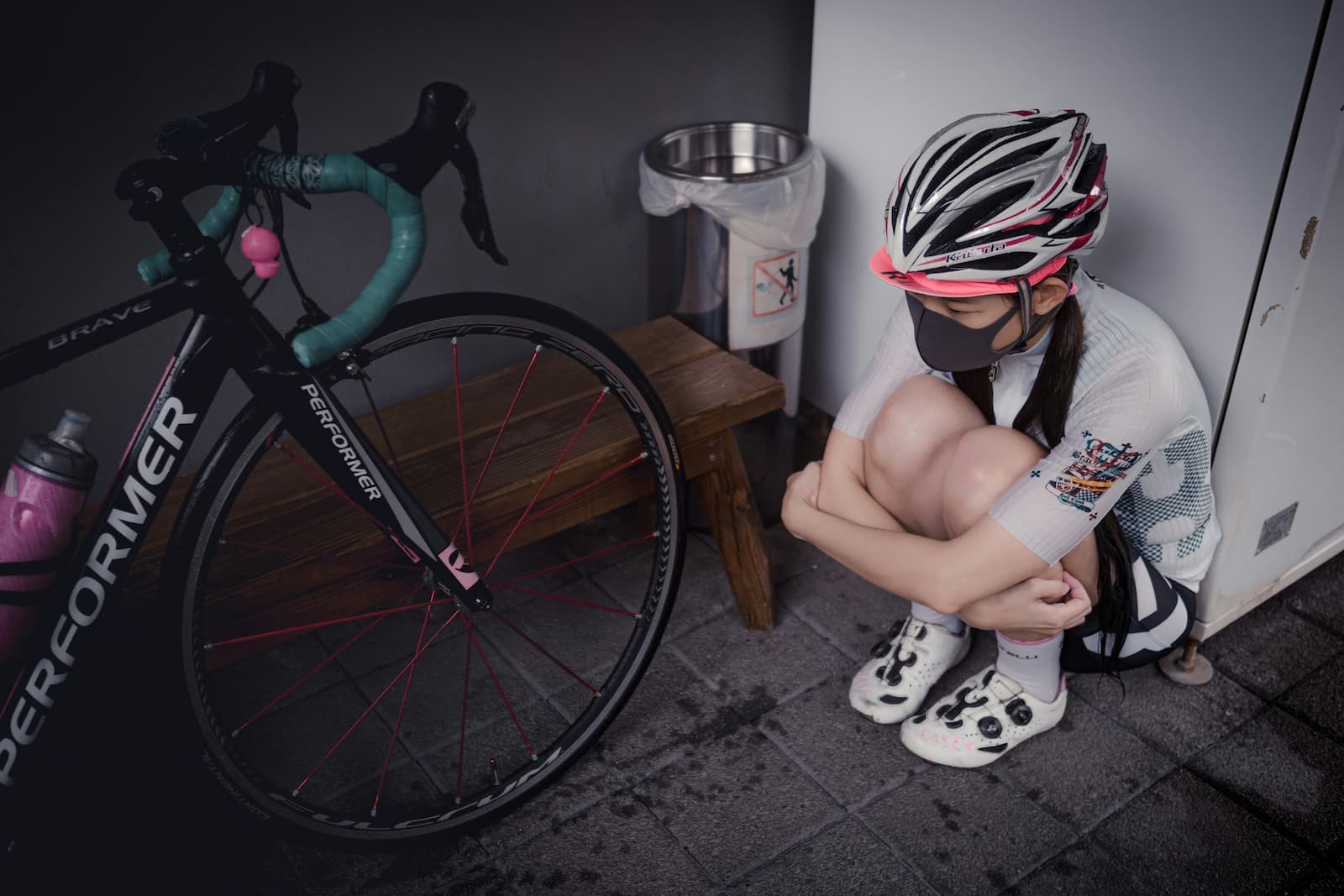
Bonking happens when your body runs out of readily available carbohydrates (glycogen), which are your primary fuel source during moderate to high-intensity exercise.
When glycogen stores are depleted, your body is forced to rely more heavily on fat for energy. While fat is a useful fuel source, it cannot be converted into energy quickly enough to sustain performance — leading to a sudden drop in power, pace, and mental clarity.
What causes bonking?
Bonking is typically caused by a combination of:
- Not eating enough before or during a ride
- Riding at too high an intensity for too long
- Poor pacing strategy (especially when starting too hard — see our first triathlon guide)
- Inadequate hydration
- Long durations without carbohydrate intake
Even experienced athletes can bonk if they misjudge nutrition or pacing.
Signs of bonking
The signs of bonking can come on quickly and feel overwhelming:
- Sudden fatigue and heavy legs
- Dizziness or light-headedness
- Loss of concentration
- Irritability or mood swings
- Inability to maintain pace or power
- Feeling cold or shaky
In severe cases, you may need to stop completely.
How to avoid bonking
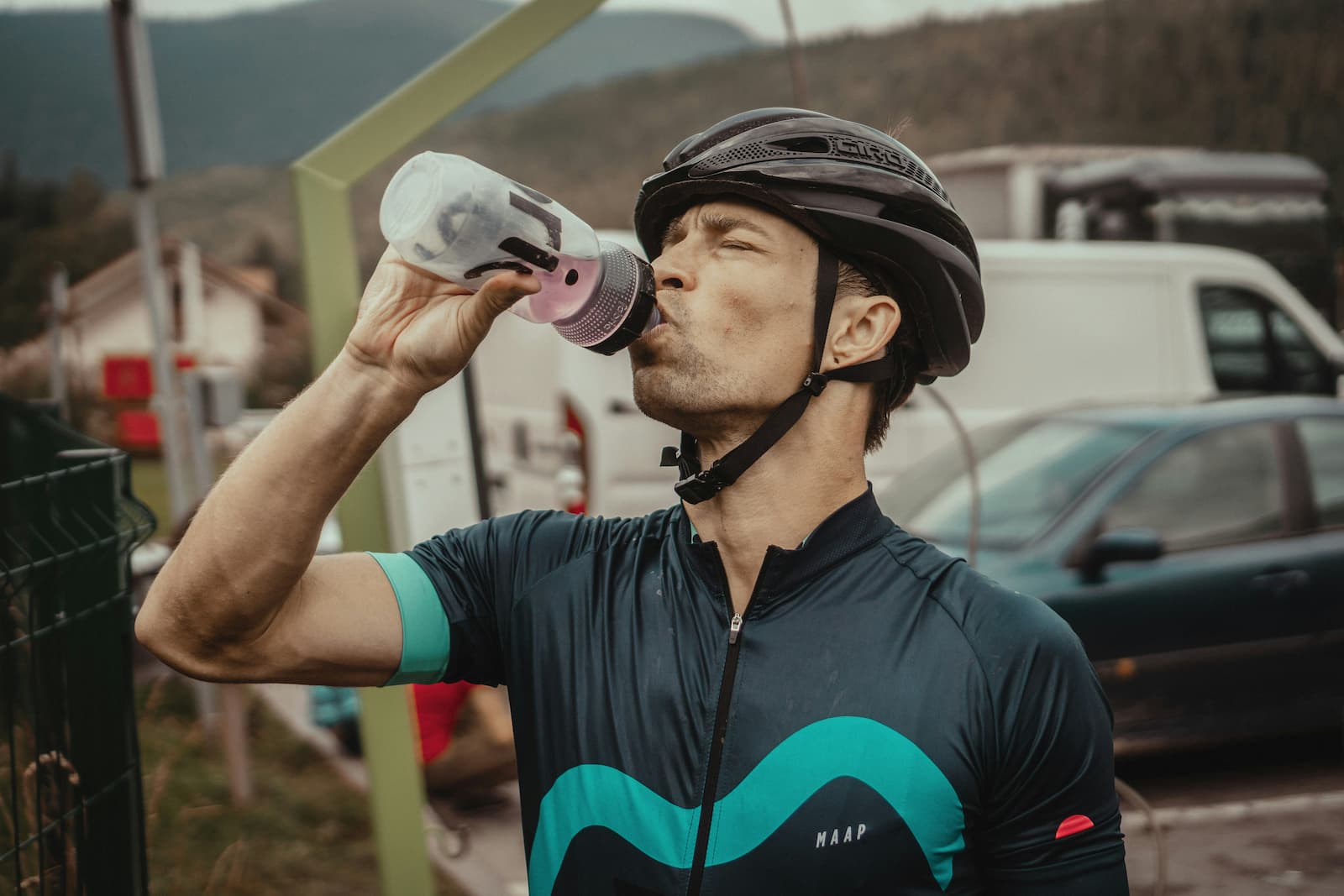
Preventing bonking is mostly about fueling and pacing correctly:
1. Eat before you ride
Start with sufficient glycogen stores by eating a carbohydrate-rich meal 2–3 hours before training.
2. Fuel during your ride
For rides longer than 60–90 minutes, aim for:
- 30–60g carbs per hour (beginners)
- 60–90g carbs per hour (more advanced)
3. Stay hydrated
Dehydration can accelerate fatigue and make bonking worse.
4. Pace properly
Avoid going too hard early in your ride — steady effort is key.
How long does it take to recover from a bonk?
Recovery depends on how severe the bonk is, but once it happens, performance will usually be compromised for the remainder of the session.
Consuming fast-absorbing carbohydrates (like energy gels or sugary drinks) can help restore some energy within 10–20 minutes, but full recovery may take longer.
Bonking in cycling vs running
Recovery depends on how severe the bonk is, but once it happens, performance will usually be compromised for the remainder of the session.
Consuming fast-absorbing carbohydrates (like energy gels or sugary drinks) can help restore some energy within 10–20 minutes, but full recovery may take longer.
Bonking in cycling vs running
Bonking can happen in any endurance sport, including triathlon and running. However, it often feels more severe in cycling because:
- Rides are typically longer
- Fueling is easier to neglect
- Intensity can fluctuate more
Quick checklist to avoid bonking
- Eat a carb-rich meal before your ride
- Start fueling early (don’t wait until you’re tired)
- Aim for 30–60g carbs per hour
- Drink regularly, not just when thirsty
- Keep your effort steady, especially early on