

What these triathlon distances are and why they matter?
Triathlon distances define how far you race across swim, bike, and run. The three most common formats are Olympic, IRONMAN 70.3 (half distance), and IRONMAN (full distance). They matter because distance determines training load, pacing strategy, nutrition needs, and race day execution. Choosing the right format directly impacts performance and long-term progression.
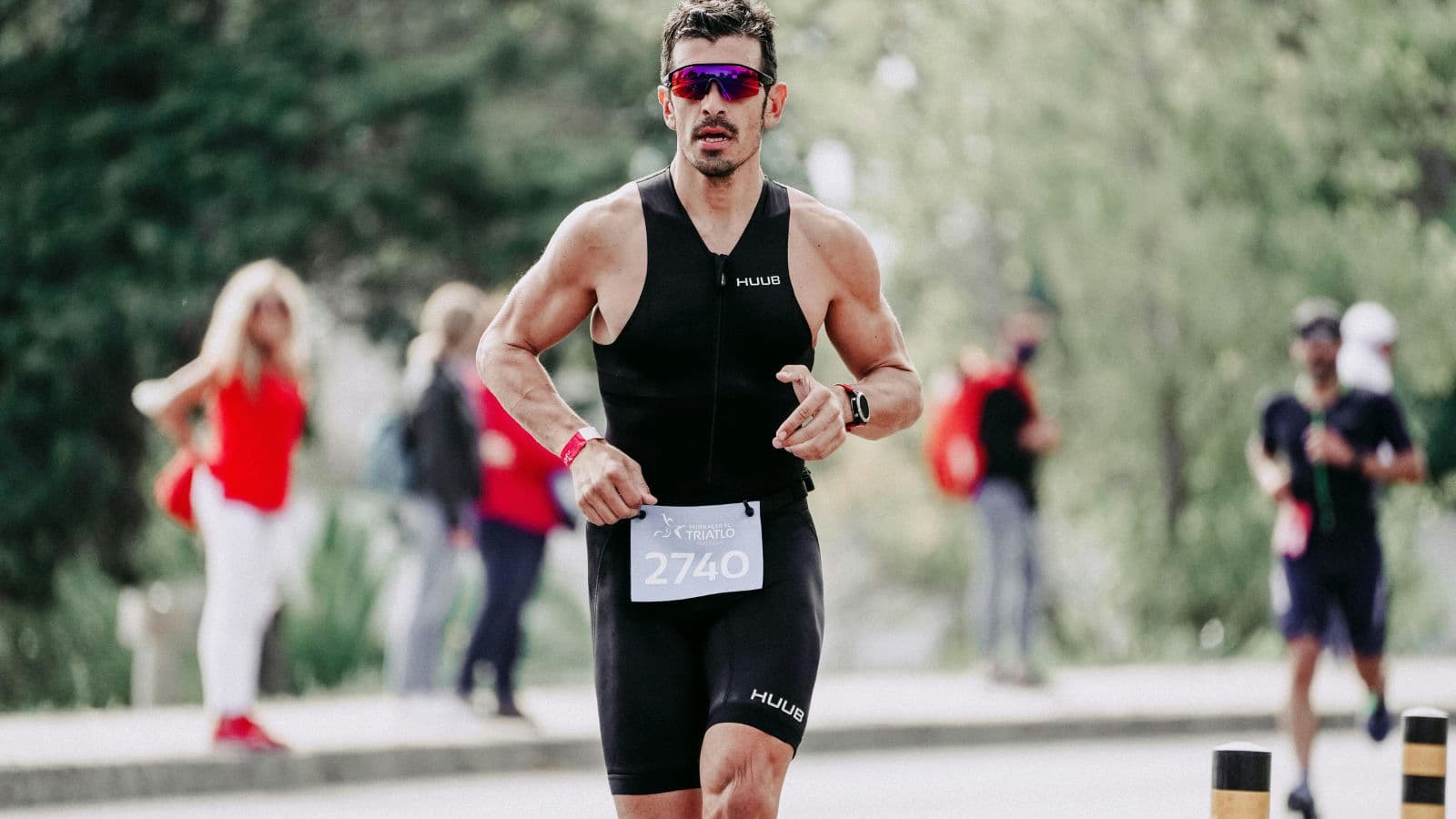
Understanding the differences between formats is essential, especially when comparing demands across races, something clearly outlined in this breakdown of triathlon distances explained, including sprint, Olympic, 70.3 and Ironman formats.
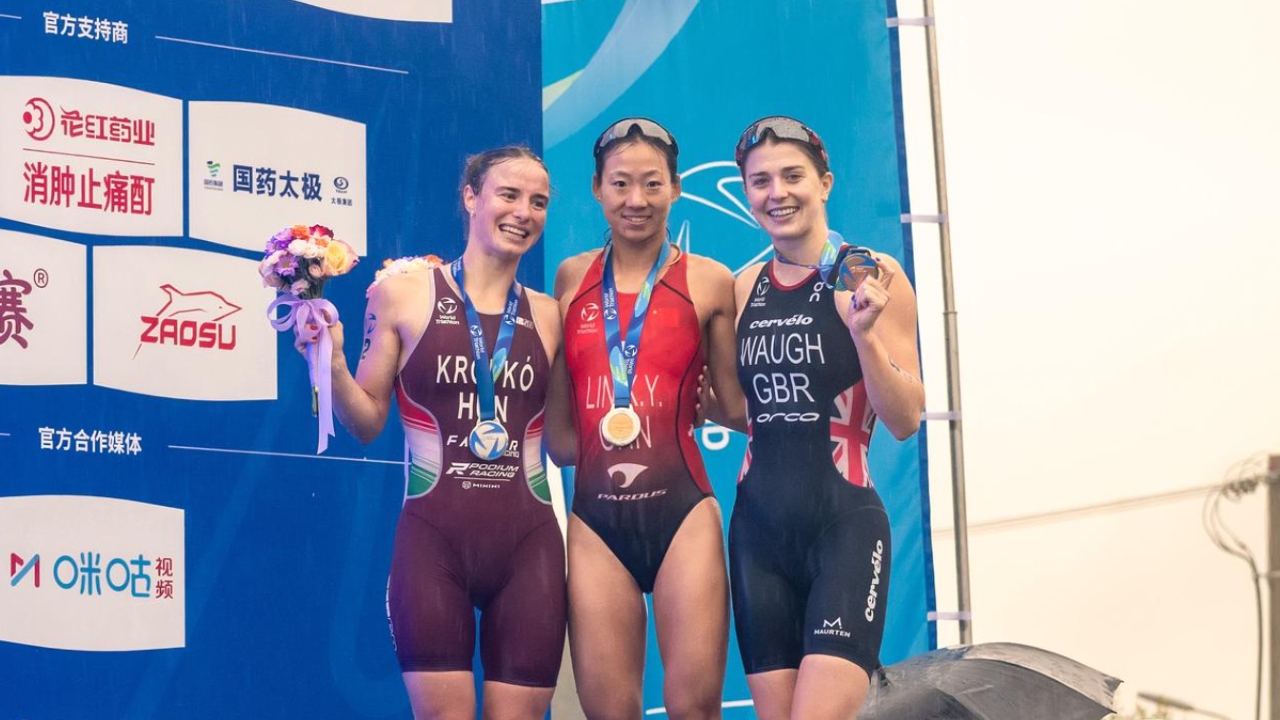
Olympic triathlon
Distance
- Swim: 1.5km
- Bike: 40km
- Run: 10km
What it demands
Olympic distance is raced at relatively high intensity. Most athletes operate close to threshold across all three disciplines.
- Swim: controlled but fast
- Bike: sustained effort near threshold
- Run: strong 10km off the bike
Typical duration:
- Beginners: 2.5 to 4 hours
- Competitive age groupers: 2 to 2.5 hours
Key characteristics
- Fast-paced racing
- Limited margin for pacing mistakes
- Minimal fueling required

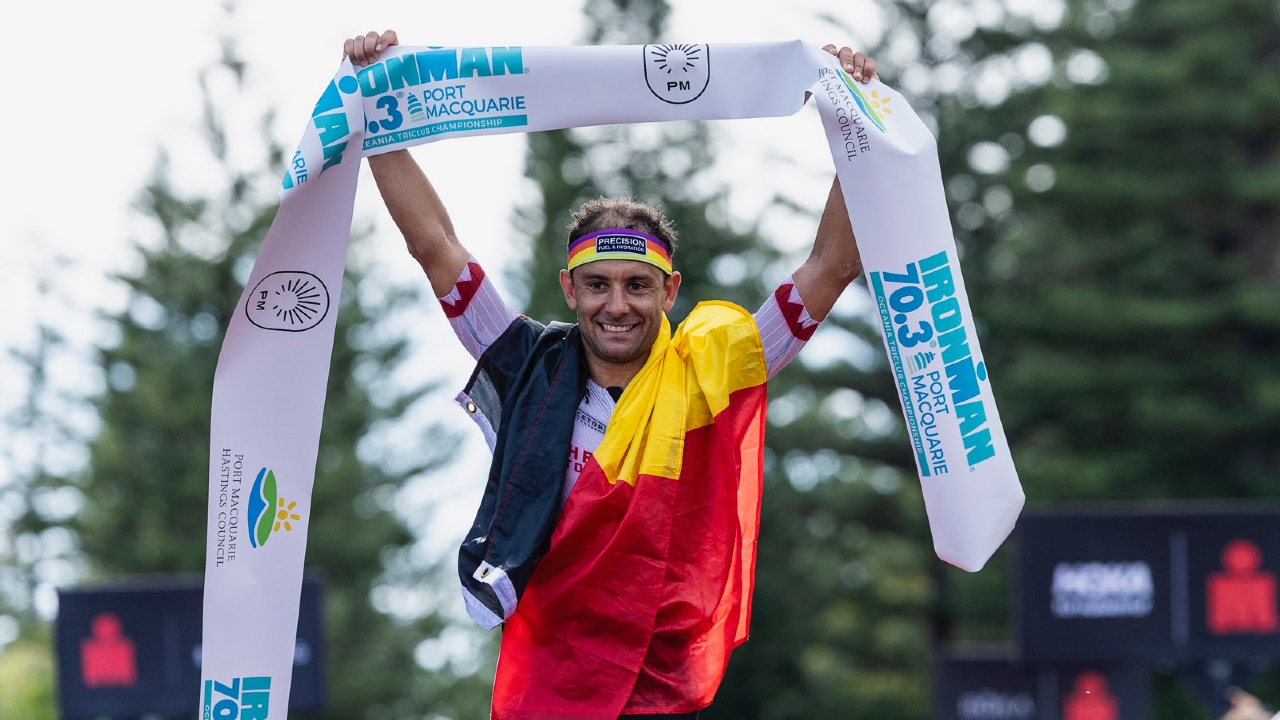
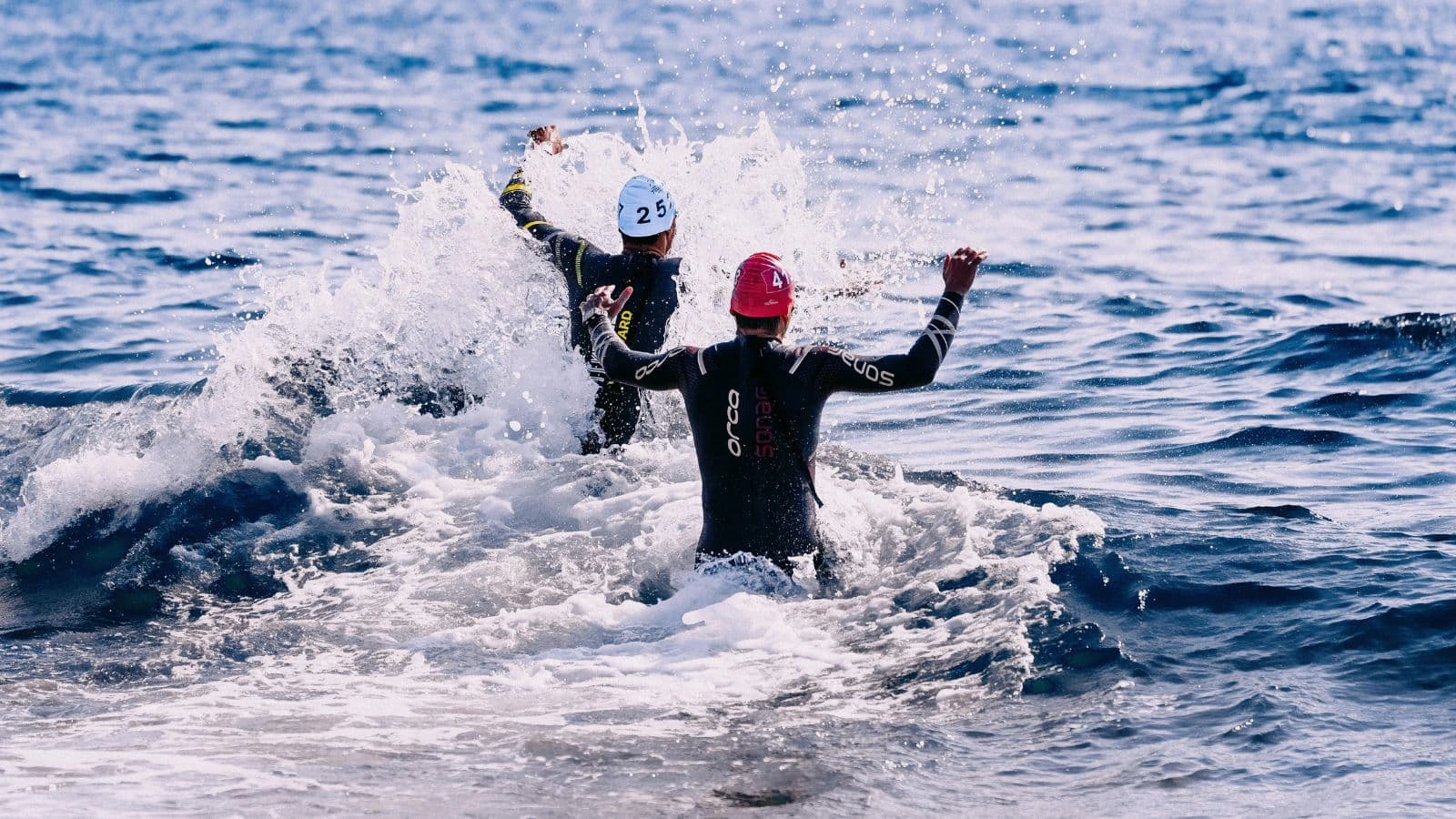
IRONMAN 70.3 (half distance)
Distance
- Swim: 1.9km
- Bike: 90km
- Run: 21.1km
What it demands
70.3 requires a balance of endurance and pacing control. You cannot race at Olympic intensity, you must manage effort over several hours.
- Swim: efficient and controlled
- Bike: steady output (around 70 to 80% of FTP)
- Run: sustainable half marathon pace
Typical duration:
- Beginners: 6 to 8 hours
- Competitive age groupers: 4 to 6 hours
Key characteristics
- Nutrition becomes essential
- Pacing errors have bigger consequences
- Aerobic endurance is the priority
IRONMAN (full distance)
Distance
- Swim: 3.8km
- Bike: 180km
- Run: 42.2km
What it demands
IRONMAN is an ultra-endurance event. Success depends on energy management, durability, and execution over 8 to 17 hours.
- Swim: relaxed and efficient
- Bike: conservative pacing (65 to 75% of FTP)
- Run: controlled effort focused on finishing strong
Typical duration:
- Beginners: 12 to 17 hours
- Competitive age groupers: 9 to 12 hours
Key characteristics
- Nutrition and hydration are critical
- Fatigue management defines performance
- Execution matters more than raw fitness
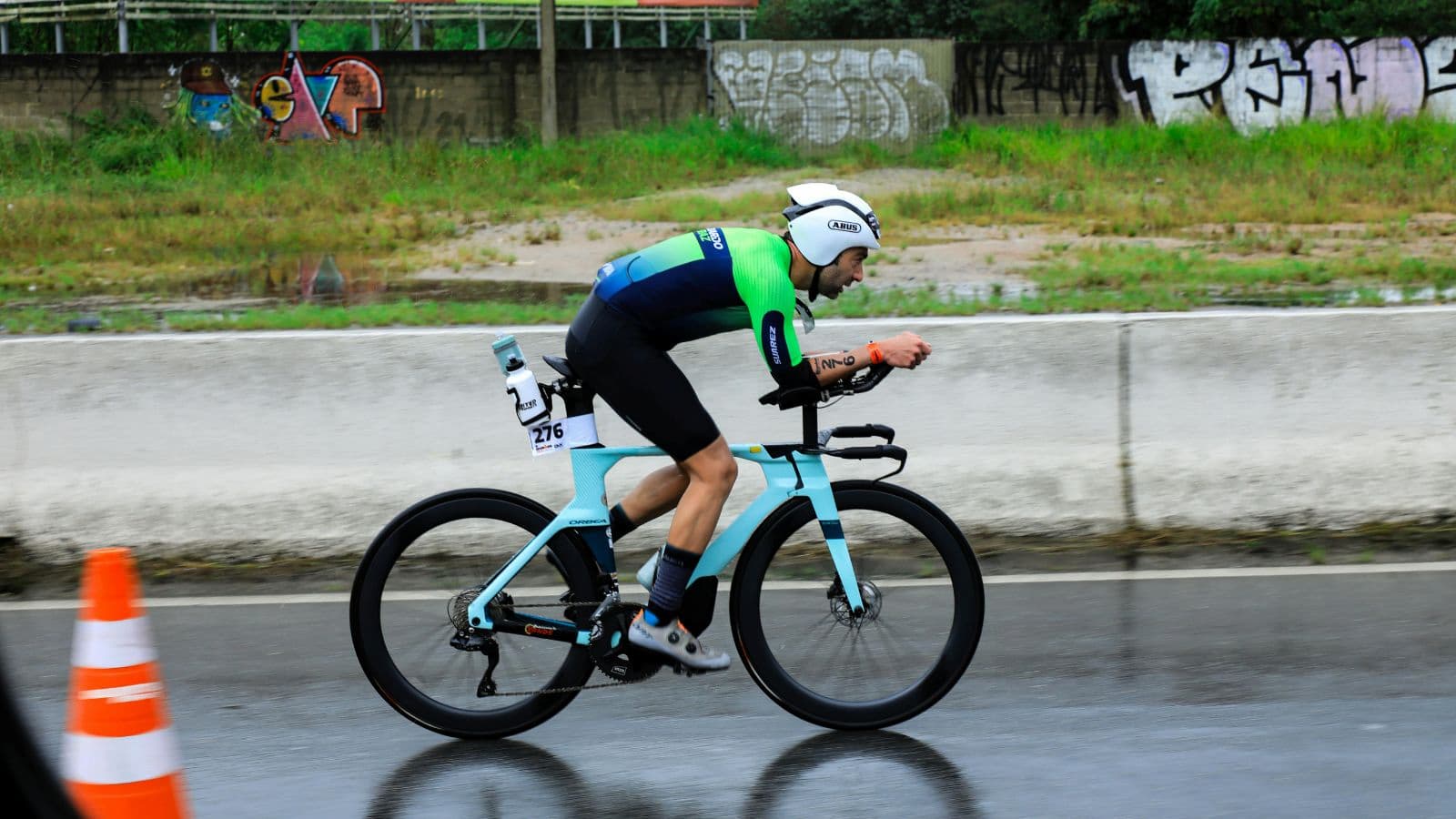
Key Differences at a glance
| Distance | Swim | Bike | Run | Duration | Main Demand |
| Olympic | 1.5km | 40km | 10km | 2 to 4 hours | Speed + threshold |
| 70.3 | 1.9km | 90km | 21.1km | 4 to 8 hours | Endurance + pacing |
| IRONMAN | 3.8km | 180km | 42.2km | 8 to 17 hours | Durability + execution |
Pacing differences
Olympic
- High intensity throughout
- Small pacing errors have immediate impact
- Minimal fuelling needed
70.3
- Controlled effort, especially on the bike
- Regular fueling required (60 to 90g carbs/hour)
- Even pacing is critical
IRONMAN
- Conservative pacing is essential
- Aggressive fueling strategy required (80 to 100g+ carbs/hour)
- Run depends on energy management
Training differences
Weekly volume
- Olympic: 6 to 10 hours
- 70.3: 8 to 14 hours
- IRONMAN: 10 to 18+ hours
Long sessions
- Olympic:
- Long ride: 60 to 90 minutes
- Long run: 45 to 75 minutes
- 70.3:
- Long ride: 2.5 to 4 hours
- Long run: 1.5 to 2 hours
- IRONMAN:
- Long ride: 4 to 6+ hours
- Long run: 2 to 3 hours
Nutrition differences
Olympic
Nutrition demands are minimal in Olympic triathlon due to the shorter duration. Most athletes rely on pre-race fuelling, with only small amounts of carbohydrates taken during the race if needed. The focus is on maintaining intensity rather than continuous fuelling.
70.3
In 70.3 racing, consistent fueling becomes essential to sustain energy over several hours. Athletes typically consume 60 to 90g of carbohydrates per hour alongside regular hydration. Poor nutrition here quickly leads to fatigue and performance drop.
IRONMAN
In IRONMAN, nutrition is a primary performance limiter due to the extreme duration. Athletes often require 80 to 100g+ carbohydrates per hour, supported by a structured hydration and electrolyte strategy. Execution of nutrition is as important as fitness.
How to choose the right distance?
Choose Olympic if:
- You’re new to triathlon
- You prefer shorter, faster racing
- You have limited training time
Choose 70.3 if:
- You have some race experience
- You want to build endurance
- You can train consistently 8 to 12+ hours per week
Choose IRONMAN if:
- You have multiple races completed
- You can commit to long-term training
- You prioritise endurance and execution
Common Mistakes
Starting too long
Jumping straight into 70.3 or IRONMAN increases risk of poor pacing and fatigue.
Ignoring nutrition
Long-course racing fails without proper fuelling.
Treating all distances the same
Each format requires different pacing, training, and execution strategies.
What actually determines performance?
Across all distances, success depends on:
- Pacing discipline
- Nutrition strategy
- Aerobic fitness
- Consistency in training
Distance changes how these are applied, not whether they matter.
Final Takeaway
- Olympic triathlon focuses on speed and efficiency
- IRONMAN 70.3 balances endurance and pacing
- IRONMAN demands long-duration execution and durability
Choose the distance that matches your current fitness and experience, not just your long-term goals.