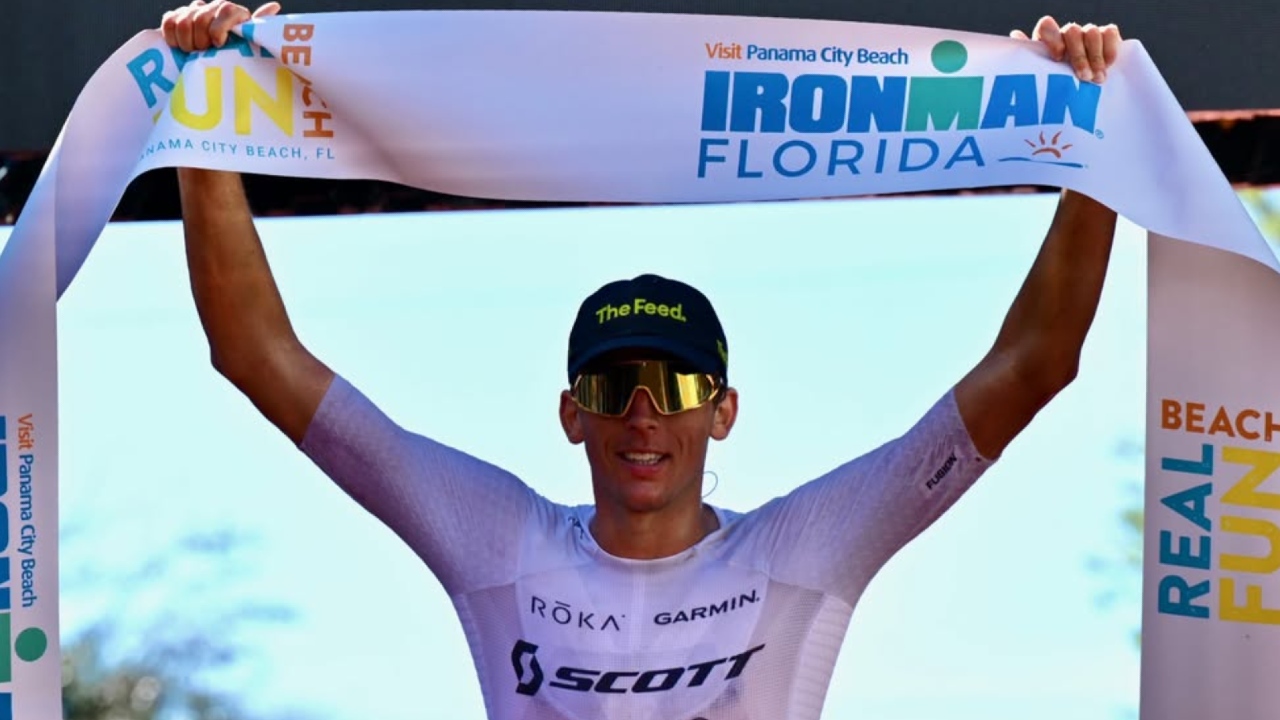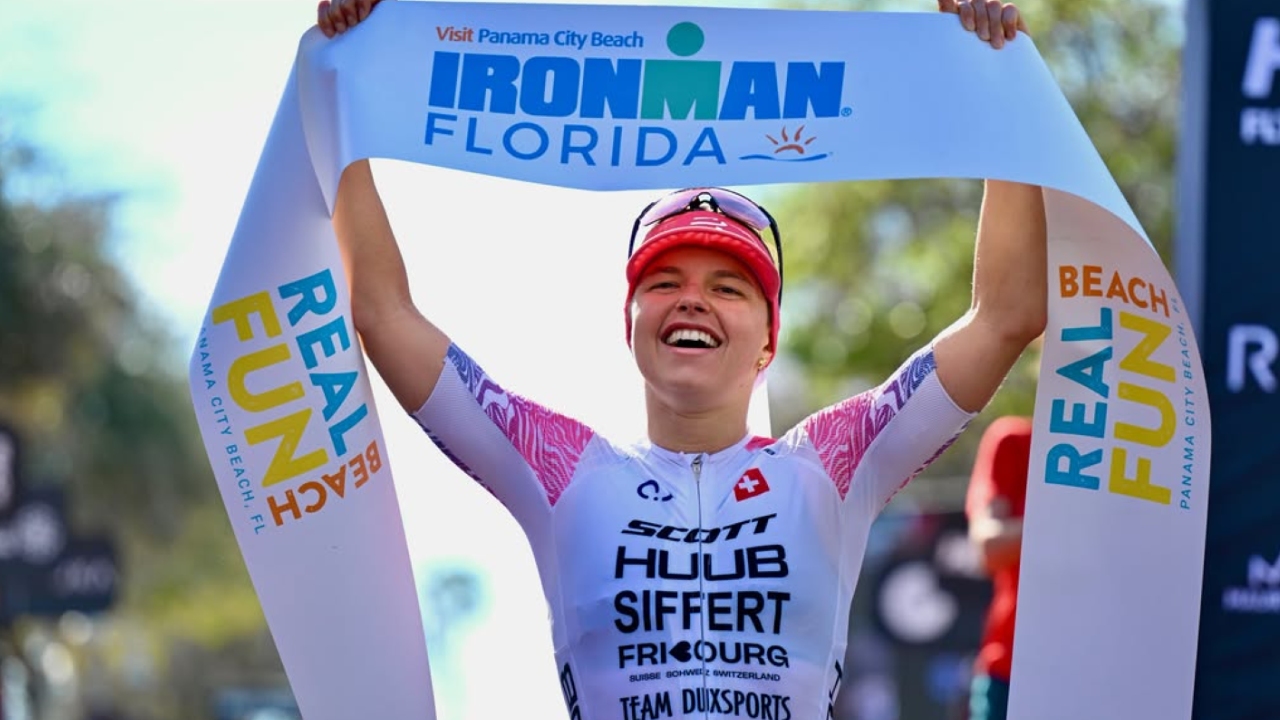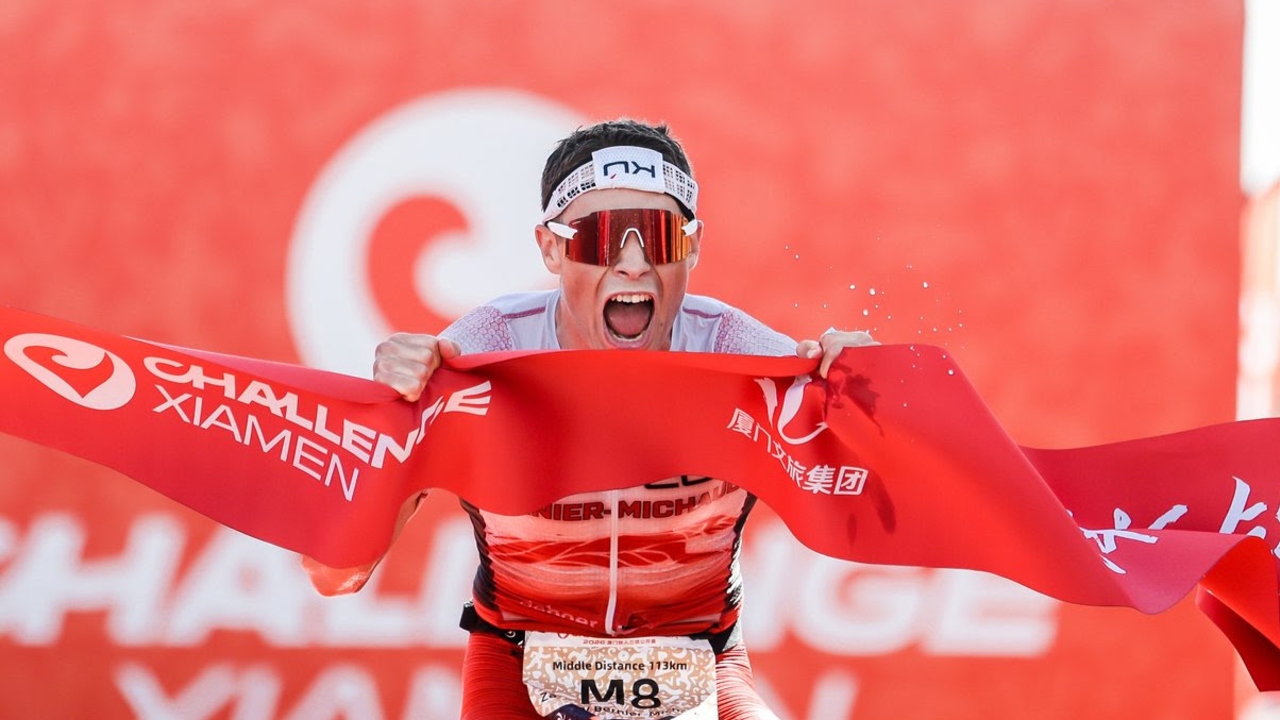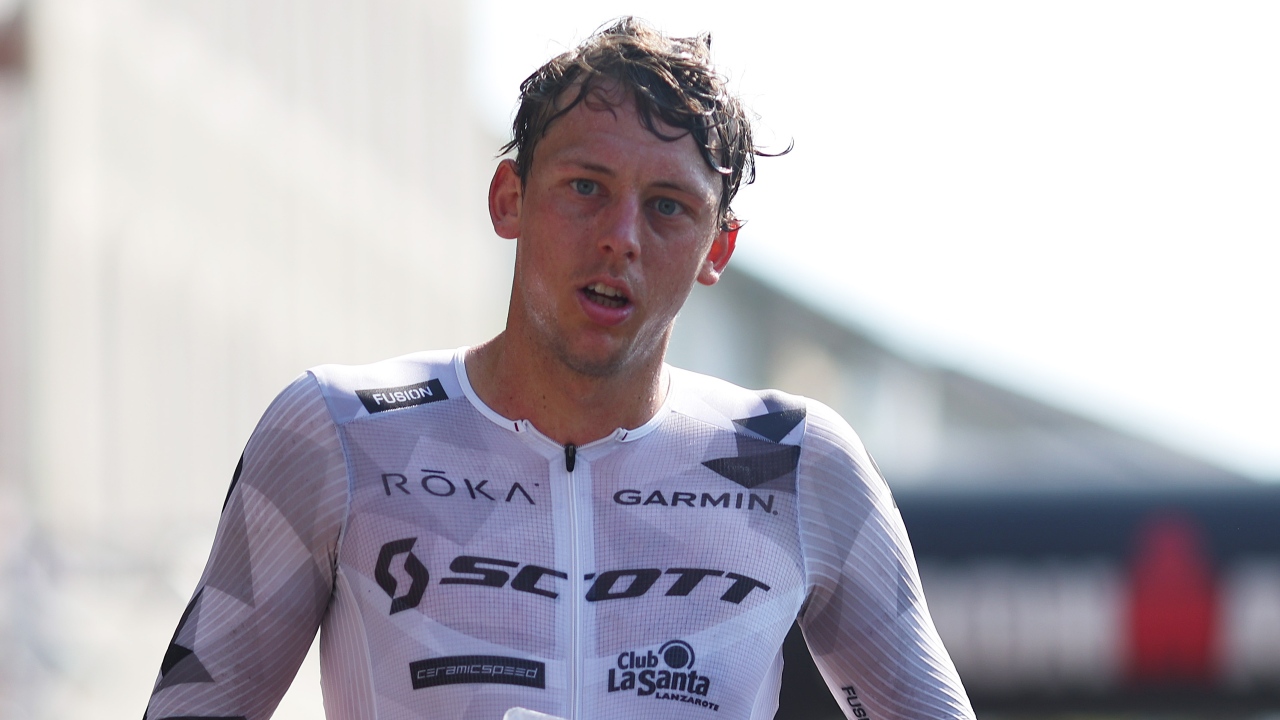


Running by feel can help improve triathlon running fitness by teaching athletes to regulate effort, recognize fatigue, and maintain appropriate training intensity. Rather than depending entirely on pace or heart rate numbers, runners use breathing, muscular effort, and perceived exertion to guide their sessions. Triathlon running presents a particular challenge because athletes must complete the run after swimming and cycling. A pace that feels comfortable during a standalone run may feel considerably harder after a demanding bike leg. Many triathletes rely heavily on GPS watches, heart rate monitors, and structured training zones. Although these tools provide useful information, constantly checking numbers can sometimes distract athletes from recognizing how their bodies are responding. Learning to run by feel does not mean abandoning training data or structured workouts. It means developing an additional skill that helps athletes make better decisions when fatigue, terrain, weather, or race conditions change.
In Short
- Running by feel uses perceived effort to guide intensity.
- It helps athletes recognize appropriate training effort.
- Breathing and muscular fatigue provide useful feedback.
- Effort based pacing can improve race decision-making.
- Easy runs should generally feel comfortable and controlled.
- Hard sessions still require appropriate recovery.
- Running by feel complements GPS and heart rate training.
- Regular practice improves awareness of effort.
Understanding Running by Feel
Running by feel means adjusting speed and intensity according to how demanding the exercise feels. Instead of targeting a fixed pace, athletes consider their breathing, muscular effort, and overall fatigue. A commonly used method is the rating of perceived exertion, or RPE, scale.
| RPE (1–10) | Effort level | Running sensation |
|---|---|---|
| 1–2 | Very easy | Comfortable movement and relaxed breathing |
| 3–4 | Easy | Conversational effort |
| 5–6 | Moderate | Noticeably harder breathing |
| 7–8 | Hard | Sustained concentration and limited conversation |
| 9–10 | Very hard | Near maximal or maximal effort |
These descriptions are approximate because perceived effort varies between individuals. A triathlete might maintain the same RPE while running at different speeds depending on fatigue, temperature, or terrain. This flexibility is one of the main advantages of effort based training.
How Running by Feel Improves Endurance?
Endurance development depends on completing appropriate training consistently. One common mistake is running too quickly during sessions intended to develop aerobic fitness. When athletes focus exclusively on pace, they may push harder than planned to achieve a particular number. Running by feel encourages athletes to adjust speed so the session remains at the intended intensity.
Potential benefits include:
- Better control during easy runs.
- Reduced unnecessary training fatigue.
- More consistent aerobic training.
- Improved awareness of sustainable effort.
- Greater flexibility across different conditions.
The principles behind how to build an aerobic base for running a triathlon are particularly relevant because aerobic development depends heavily on consistent, manageable training. Running by feel helps athletes recognize when an easy session is becoming unnecessarily demanding.
Effort Matters More Than Pace on Some Days
Running pace is influenced by several factors beyond fitness.
These include:
- Temperature and humidity.
- Hills and uneven surfaces.
- Sleep quality.
- Previous training fatigue.
- Hydration and fueling.
- Wind and environmental conditions.
For example, maintaining a particular pace on a hot day may require substantially more effort than running at the same speed in cooler weather. A runner following a fixed pace target might unintentionally turn an easy workout into a moderate or hard session. Running by feel allows the athlete to slow down while preserving the intended training stimulus. This approach can be especially useful during heavy triathlon training weeks.
Running by Feel Versus Running by Pace
Both methods can improve fitness, but they provide different types of feedback.
| Running by feel | Running by pace |
|---|---|
| Uses perceived exertion | Uses speed or minutes per mile |
| Adjusts naturally to fatigue | Provides measurable targets |
| Useful on hills and in heat | Useful on predictable terrain |
| Develops body awareness | Helps monitor performance |
| Requires practice to interpret | Depends on accurate pace data |
Neither approach is automatically better. For example, pace targets are useful for structured intervals, while perceived effort may be more practical during easy runs or on hilly routes. Understanding what are the benefits of running without gps data can help athletes recognize why occasional technology free sessions encourage greater awareness of movement and effort.
Running by Feel Supports Triathlon Race Pacing
Triathlon running is different from running on fresh legs. After cycling, athletes may experience muscular fatigue, elevated heart rate, and changes in running mechanics. Trying to match a predetermined running pace immediately after transition can lead to excessive early effort.
Running by feel encourages a more controlled approach:
- Begin the run at a manageable effort.
- Allow breathing to settle after transition.
- Avoid chasing an unrealistic pace.
- Monitor muscular fatigue.
- Increase effort gradually when appropriate.
Understanding how should you pace the bike to run better in a triathlon can help athletes manage fatigue before the run even begins. A well paced bike leg often makes it easier to maintain controlled effort during the final discipline.
Using the Talk Test During Easy Runs
The talk test is a simple way to estimate running intensity without checking a watch. During comfortable aerobic running, most athletes should be able to speak in complete sentences. As intensity increases, conversation becomes more difficult.
A practical guide includes:
- Easy effort: Comfortable conversation is possible.
- Moderate effort: Speaking requires more frequent pauses.
- Hard effort: Only short phrases are manageable.
- Very hard effort: Speaking becomes difficult.
The talk test is not a precise replacement for physiological testing, but it provides useful feedback. Understanding what is zone 2 running in a triathlon can help athletes recognize the difference between comfortable aerobic work and harder training intensities. Breathing should be considered alongside overall effort, especially when running in heat or after cycling.
Running by Feel During Tempo and Interval Sessions
Running by feel is not limited to easy workouts. It can also help athletes regulate harder efforts without constantly checking pace.
Tempo Running
Tempo sessions involve sustained, controlled intensity. Athletes should feel that they are working hard but can maintain the effort for the planned duration. The goal is to avoid beginning too aggressively and slowing dramatically later.
Interval Training
During intervals, perceived effort helps athletes recognize whether they are working at the intended intensity. However, short intervals require care because breathing and perceived exertion may take time to reflect the actual workload.
Useful habits include:
- Starting repetitions under control.
- Maintaining consistent effort.
- Avoiding unnecessary sprinting.
- Using recovery periods appropriately.
- Comparing perceived effort with workout data afterward.
Understanding why is a 7 out of 10 effort ideal for running workouts can help athletes recognize how controlled hard efforts contribute to effective training.
Running by Feel Helps Manage Fatigue
Triathletes often combine several training sessions across the week. Fatigue from swimming, cycling, strength training, and running can influence how demanding a workout feels. A runner who feels unusually tired during a planned easy session may benefit from reducing intensity.
Potential signs of accumulated fatigue include:
- Heavy legs.
- Unusually difficult breathing.
- Poor coordination.
- Persistent muscle soreness.
- Reduced motivation.
- Higher perceived effort at normal training speeds.
Understanding how should triathletes balance easy and hard training can help athletes avoid turning every workout into a demanding session. Perceived effort is useful feedback, but it should not be the only measure of recovery. Persistent unusual fatigue or declining performance deserves closer attention.
Improving Running Efficiency Through Body Awareness
Running by feel can also help athletes become more aware of unnecessary tension and inefficient movement.
Instead of concentrating entirely on pace, runners can pay attention to:
- Shoulder relaxation.
- Arm movement.
- Breathing rhythm.
- Foot placement.
- Running posture.
- Smooth, controlled strides.
These observations may help runners identify when their technique becomes less comfortable as fatigue increases. Understanding how to become an efficient triathlon runner can help athletes develop better movement habits alongside aerobic fitness. However, runners should avoid constantly changing their technique based on every sensation. Small adjustments and consistent practice are generally more useful than forcing an unfamiliar running style.
A Simple Weekly Running by Feel Routine
Triathletes can introduce effort based running without changing their entire training plan.
| Session | Effort target | Main purpose |
|---|---|---|
| Easy run | RPE 3–4 | Aerobic development |
| Tempo run | RPE 6–7 | Controlled sustained effort |
| Brick run | RPE 3–5 | Bike-to-run effort awareness |
| Long run | RPE 3–4 | Endurance and pacing |
These are example effort ranges rather than fixed requirements. A beginner might complete two or three runs weekly, while experienced triathletes may include additional sessions. Understanding how many run workouts do triathletes need each week can help athletes choose a suitable frequency based on experience and overall training load. Running by feel should support the purpose of each workout rather than replace thoughtful training structure.
How to Practice Running by Feel?
Developing accurate effort awareness takes time.
A useful progression includes:
Start With Easy Runs
Complete a comfortable run without continuously checking pace. Focus on breathing, muscular effort, and conversational ability.
Estimate Your Effort
Assign an RPE score during the session. Try to identify whether the effort is easy, moderate, or hard.
Compare With Training Data
After finishing, review pace and heart rate. Notice how environmental conditions and fatigue influenced the relationship between effort and speed.
Practice After Cycling
Include short brick runs to learn how perceived effort changes following the bike leg.
Review Your Progress
Over several weeks, compare how quickly you run at similar perceived effort under reasonably comparable conditions. Improved fitness may allow you to run faster while maintaining the same comfortable effort.
Running by Feel May Be Less Reliable
Perceived effort is valuable, but it has limitations. Athletes may misjudge intensity when they are inexperienced, highly motivated, or distracted by race conditions.
Other factors can influence effort perception:
- Caffeine consumption.
- Emotional stress.
- Poor sleep.
- Extreme temperatures.
- Dehydration.
- Inadequate fueling.
- Competitive excitement.
During races, adrenaline may make a fast starting pace feel easier than it really is. For this reason, combining perceived effort with occasional pace or heart rate checks can provide a more complete picture.
Common Mistakes
- Running every session too hard.
- Confusing comfortable effort with a fixed pace.
- Ignoring unusual fatigue.
- Starting intervals too aggressively.
- Abandoning structured training completely.
- Comparing effort directly with other athletes.
- Expecting accurate RPE immediately.
- Ignoring weather and terrain.
Practical Tips
- Use the talk test during easy runs.
- Practice estimating effort regularly.
- Check pace after selected workouts.
- Slow down when fatigue increases.
- Keep hard sessions controlled.
- Include effort based brick runs.
- Compare similar routes and conditions.
- Prioritize consistency over speed.
Actionable Takeaways
- Use perceived effort to guide running intensity.
- Keep easy sessions genuinely easy.
- Adjust pace when conditions change.
- Practice effort awareness after cycling.
- Combine body awareness with training data.