

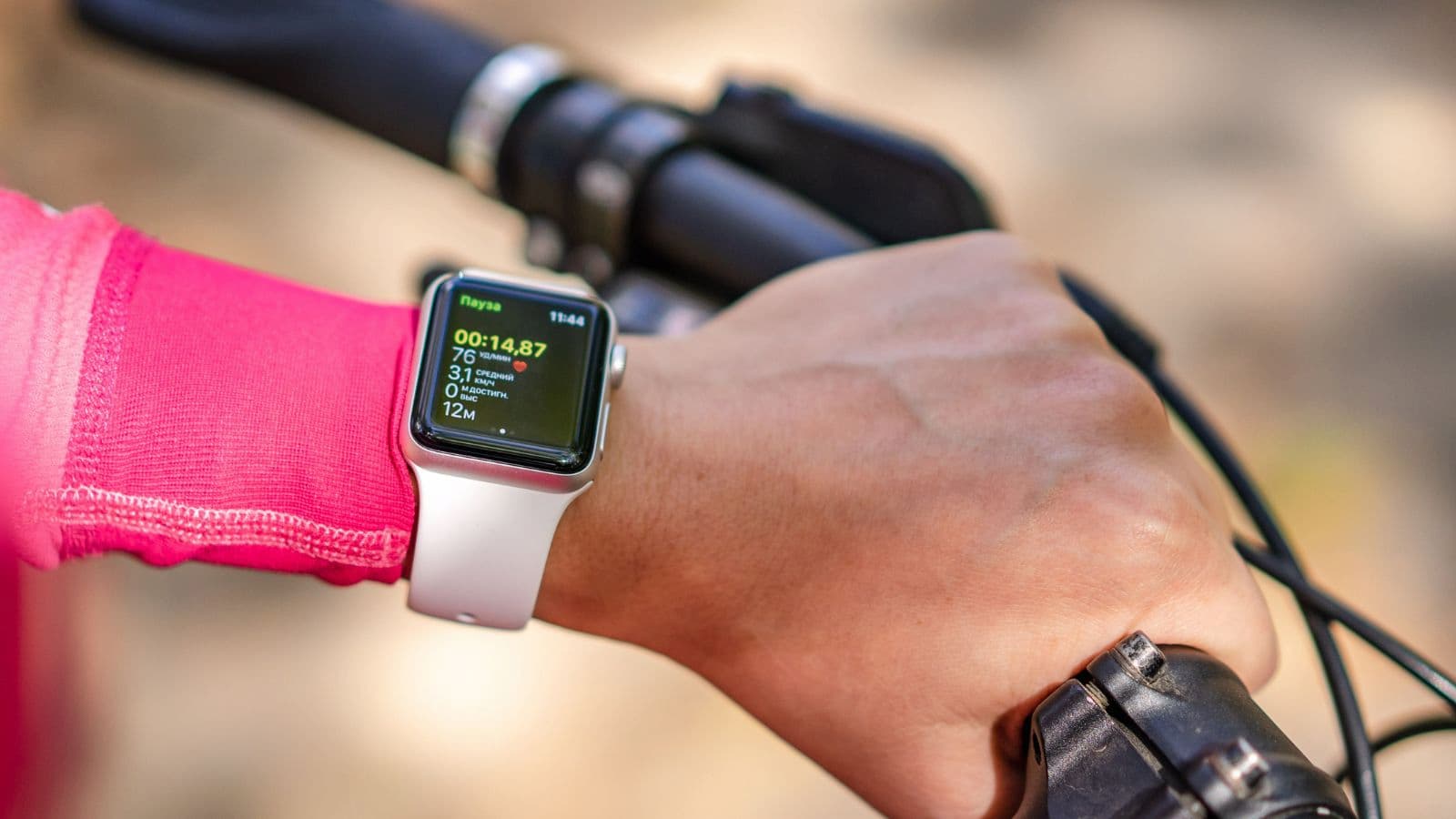
GPS watches have become an essential part of triathlon training. They allow athletes to monitor pace, distance, heart rate, elevation, and countless other metrics. While this information can be incredibly useful, there are times when constantly watching numbers can become a distraction rather than an advantage. Running without GPS data doesn’t mean abandoning technology altogether. Instead, it means occasionally stepping away from the screen and reconnecting with how your body feels. Elite triathletes often include sessions based on perceived effort rather than pace because racing rarely unfolds exactly according to the numbers on a watch. Learning to run without GPS can improve pacing, confidence, awareness, and overall race-day performance.
You Learn to Trust Your Body
One of the biggest benefits of leaving the watch behind is learning how different efforts actually feel.
Instead of chasing a pace target, you begin to recognize:
- Easy effort
- Tempo effort
- Threshold effort
- Race effort
Athletes who understand are triathletes relying too much on training data know that data should support good decisions rather than replace personal judgment.
Perceived Effort Improves
Race-day conditions constantly change.
Factors such as:
- Heat
- Hills
- Wind
- Fatigue
can make pace less meaningful. Learning to judge effort without looking at your watch helps athletes adjust naturally to changing conditions.
Less Pressure During Easy Runs
Many triathletes accidentally run their recovery sessions too fast because they continually monitor pace.
Without GPS data, it’s often easier to:
- Relax
- Enjoy the run
- Keep effort genuinely easy
Athletes who understand how many run workouts do triathletes need each week know that easy sessions play an important role in long-term development.
Better Focus on Running Form
Looking at your watch every few seconds shifts attention away from technique.
Running without constant data allows athletes to focus on:
- Cadence
- Posture
- Relaxation
- Breathing
Athletes who understand how does hip extension affect speed and efficiency in triathlon running know that efficient mechanics often contribute more to long-term performance than obsessing over pace.
Race-Day Confidence Improves
Technology occasionally fails.
GPS signals may be inaccurate because of:
- Trees
- Tall buildings
- Weather
- Course layout
Athletes who can judge effort without relying entirely on a watch are often better prepared when conditions aren’t perfect.
Mental Fatigue Decreases
Constantly monitoring:
- Pace
- Heart rate
- Distance
- Splits
can become mentally exhausting. Occasionally running without data allows athletes to simply enjoy movement. This mental break can improve motivation over time.
You Become More Adaptable
Triathlon races rarely unfold exactly as planned.
Unexpected situations may require athletes to:
- Slow temporarily
- Push harder on climbs
- Respond to weather
Athletes who understand how can triathletes overcome the “dark place” during a race know that adaptability often matters more than sticking rigidly to pre-planned numbers.
Better Connection With the Environment
Running without staring at a watch allows athletes to notice:
- Terrain
- Surroundings
- Breathing rhythm
- Foot placement
This is particularly valuable on trails or unfamiliar routes.
The run becomes more immersive and enjoyable.
Reduced Anxiety About Pace
Many athletes become discouraged if they see slower-than-expected numbers.
However, pace is affected by:
- Heat
- Fatigue
- Hills
- Previous training
Removing GPS data during some sessions can reduce unnecessary stress.
Running Becomes More Enjoyable
Many athletes began running because they enjoyed:
- Freedom
- Exploration
- Movement
Over time, constant data monitoring can overshadow those experiences.
Running occasionally without metrics helps reconnect with those original motivations.
Better Awareness of Fatigue
Without relying on numbers, athletes become more aware of:
- Muscle fatigue
- Breathing
- Energy levels
- Recovery status
Athletes who understand what does modern recovery look like for triathletes know that recognizing fatigue early can improve recovery decisions.
Improved Pacing Skills
Athletes who regularly train by feel often become surprisingly accurate at estimating effort.
This improves pacing during:
- Brick runs
- Long runs
- Triathlon races
The body becomes the primary guide rather than the watch.
Technology Becomes a Tool Again
GPS watches are valuable. The goal isn’t abandoning them permanently.
Instead, athletes learn when to:
- Use data
- Ignore data
- Trust experience
This creates a healthier relationship with technology.
Every Run Doesn’t Need Analysis
Not every session requires:
- Split analysis
- Performance graphs
- Training scores
Sometimes, simply completing an enjoyable run is enough. Athletes who understand how can triathletes cope with a loss of identity after race season know that sport is healthiest when enjoyment exists alongside performance goals.
GPS-Free Runs Build Confidence
When athletes consistently run without checking pace, they often realize they are capable of pacing themselves remarkably well. Confidence grows because performance becomes less dependent on external feedback.
It Can Improve Brick Sessions
After cycling, GPS pace is often slower than athletes expect because the body is adapting to running.
Instead of chasing unrealistic numbers, athletes can focus on:
- Rhythm
- Relaxation
- Sustainable effort
Athletes who understand how can triathletes reduce triathlon fatigue and run stronger know that running efficiently after cycling often depends more on effort than pace.
Mix Data-Driven and Data-Free Training
The best approach is usually balance.
Some sessions benefit from:
- GPS
- Heart rate
- Pace targets
Others benefit from:
- Perceived effort
- Relaxation
- Enjoyment
Using both approaches develops a more complete athlete.
Common Mistakes
Many triathletes:
- Check their watch every minute
- Let pace determine confidence
- Ignore physical sensations
- Run easy sessions too hard
- Overanalyze every workout
- Panic when GPS accuracy changes
- Chase numbers instead of good training
- Forget to simply enjoy running
Avoiding these habits can improve both performance and motivation.
How to Incorporate GPS-Free Running?
Triathletes can gain the most from GPS-free sessions by:
- Running easy sessions by feel
- Focusing on breathing and rhythm
- Paying attention to running form
- Developing pacing awareness
- Reducing watch checking
- Listening to fatigue signals
- Enjoying the environment
- Using technology strategically rather than constantly
Running without GPS data isn’t about rejecting technology—it’s about becoming less dependent on it. By occasionally leaving the numbers behind, triathletes can improve body awareness, pacing, confidence, and enjoyment while developing skills that remain valuable even when the watch isn’t providing perfect information.