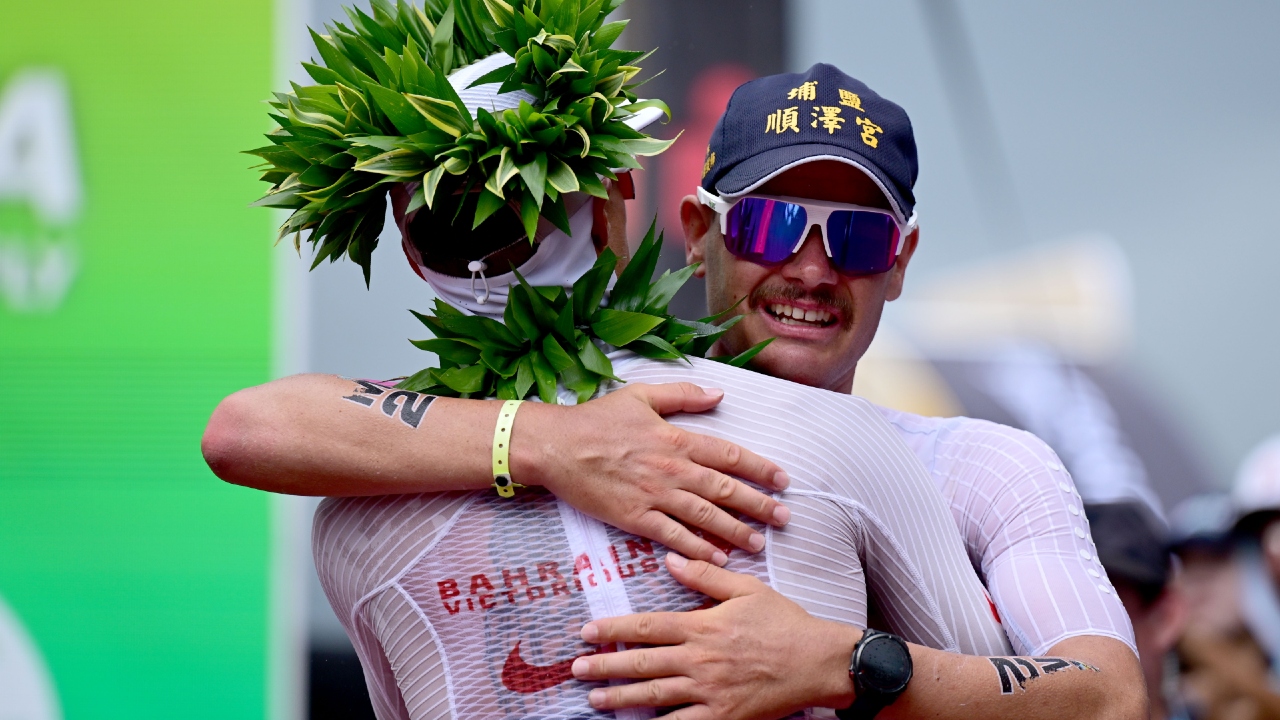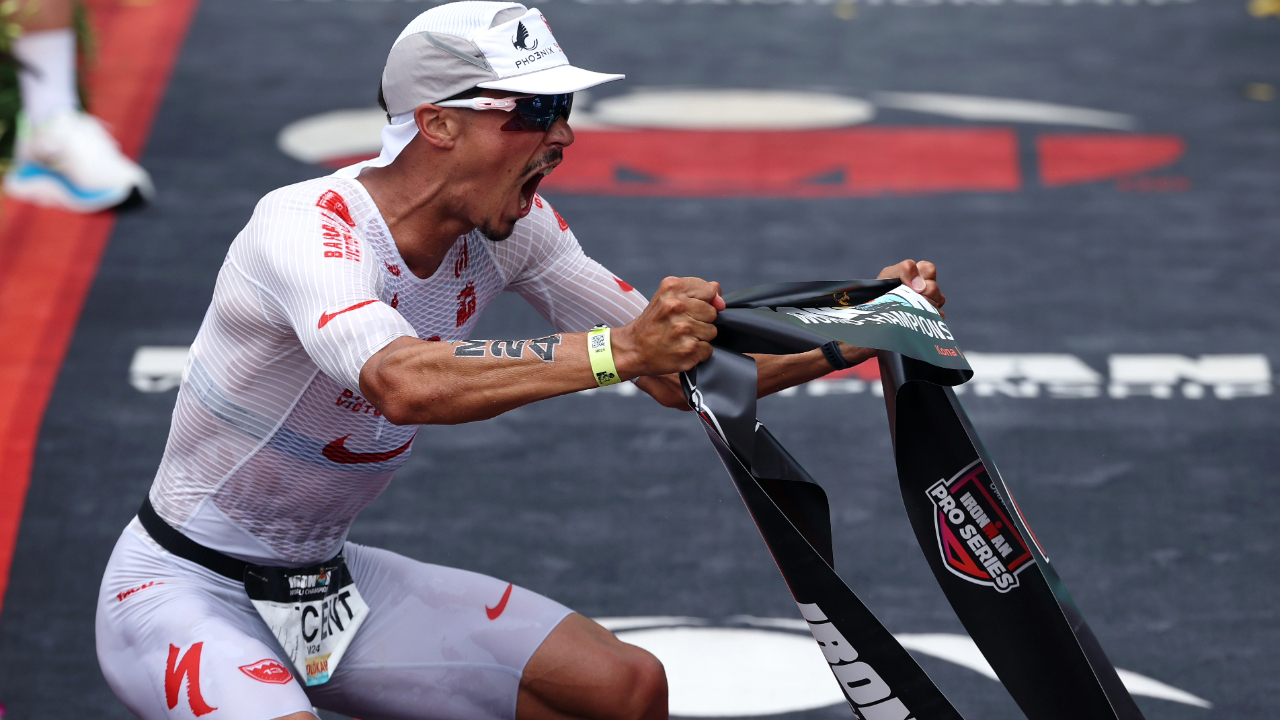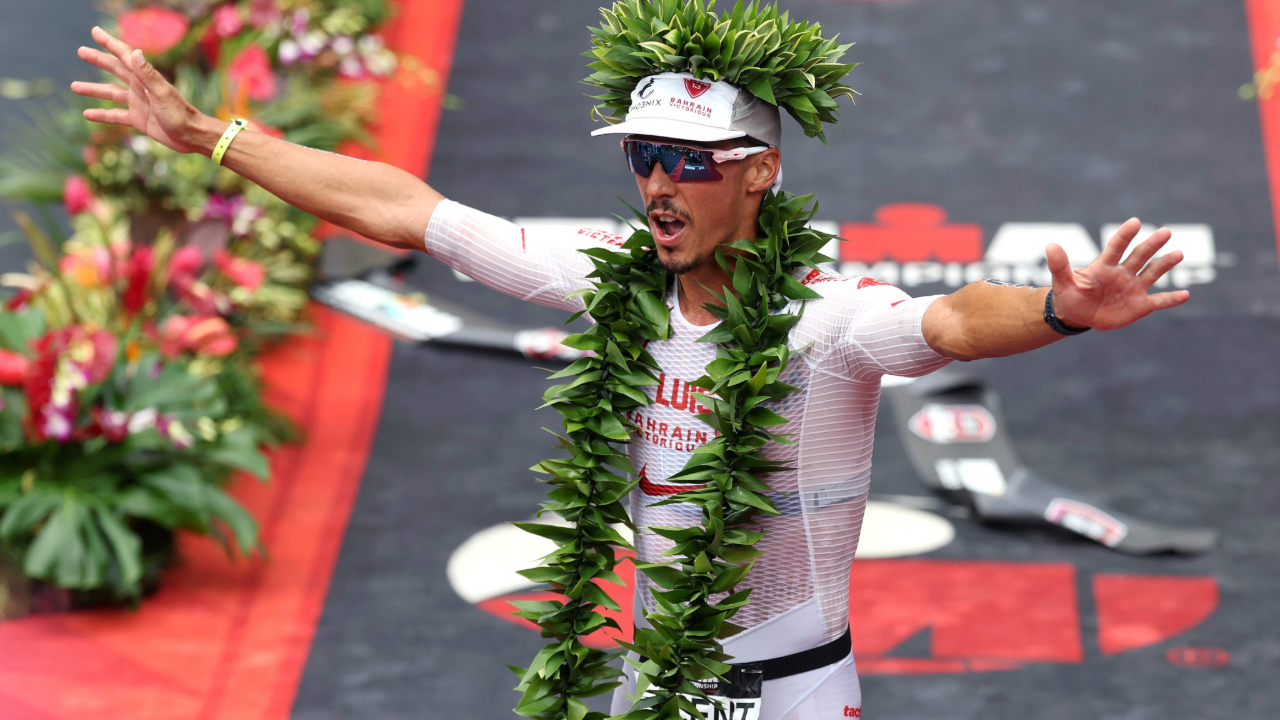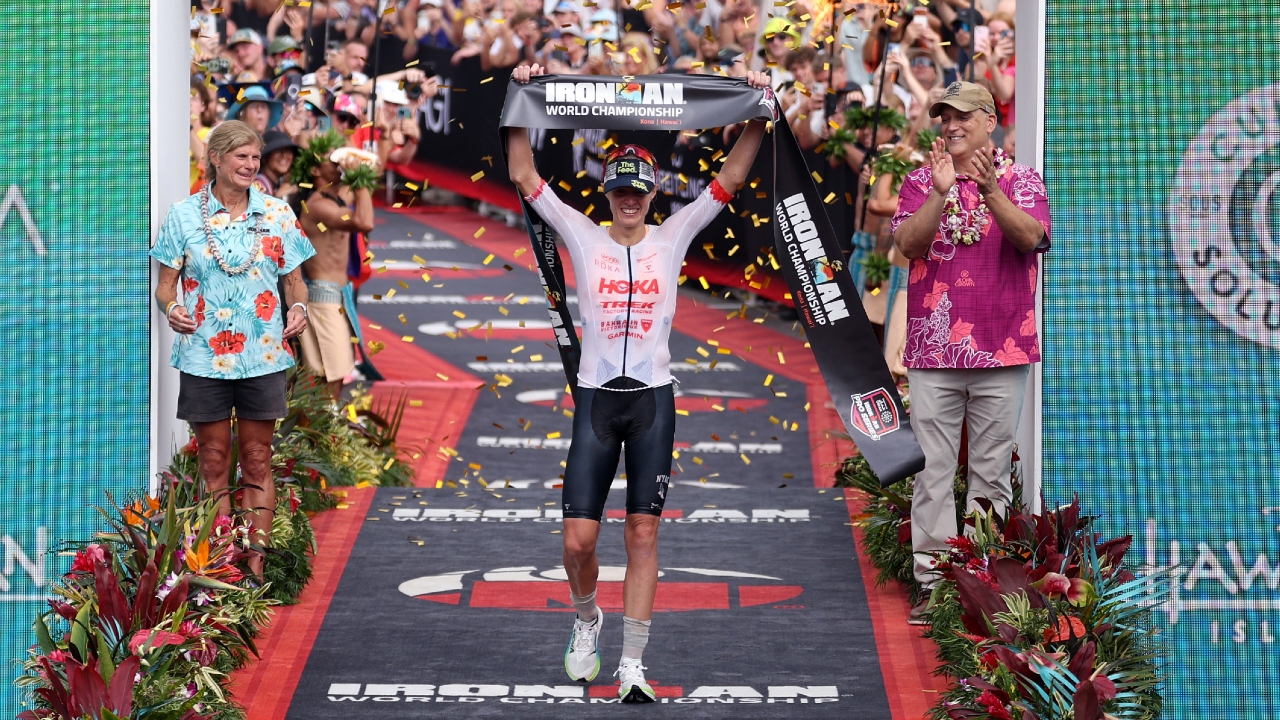


One of the biggest challenges in triathlon is not simply completing the swim, bike, and run, it is arriving at the run with enough energy left to perform well. Many triathletes experience the same frustrating scenario. They feel strong during training, comfortable in the swim, and confident on the bike, only to discover that their legs feel heavy and unresponsive when the run begins. The truth is that running stronger in a triathlon often has less to do with running fitness alone and more to do with managing fatigue throughout the entire race. By improving pacing, nutrition, recovery, and training habits, triathletes can reduce overall fatigue and give themselves the best chance of running well when it matters most.
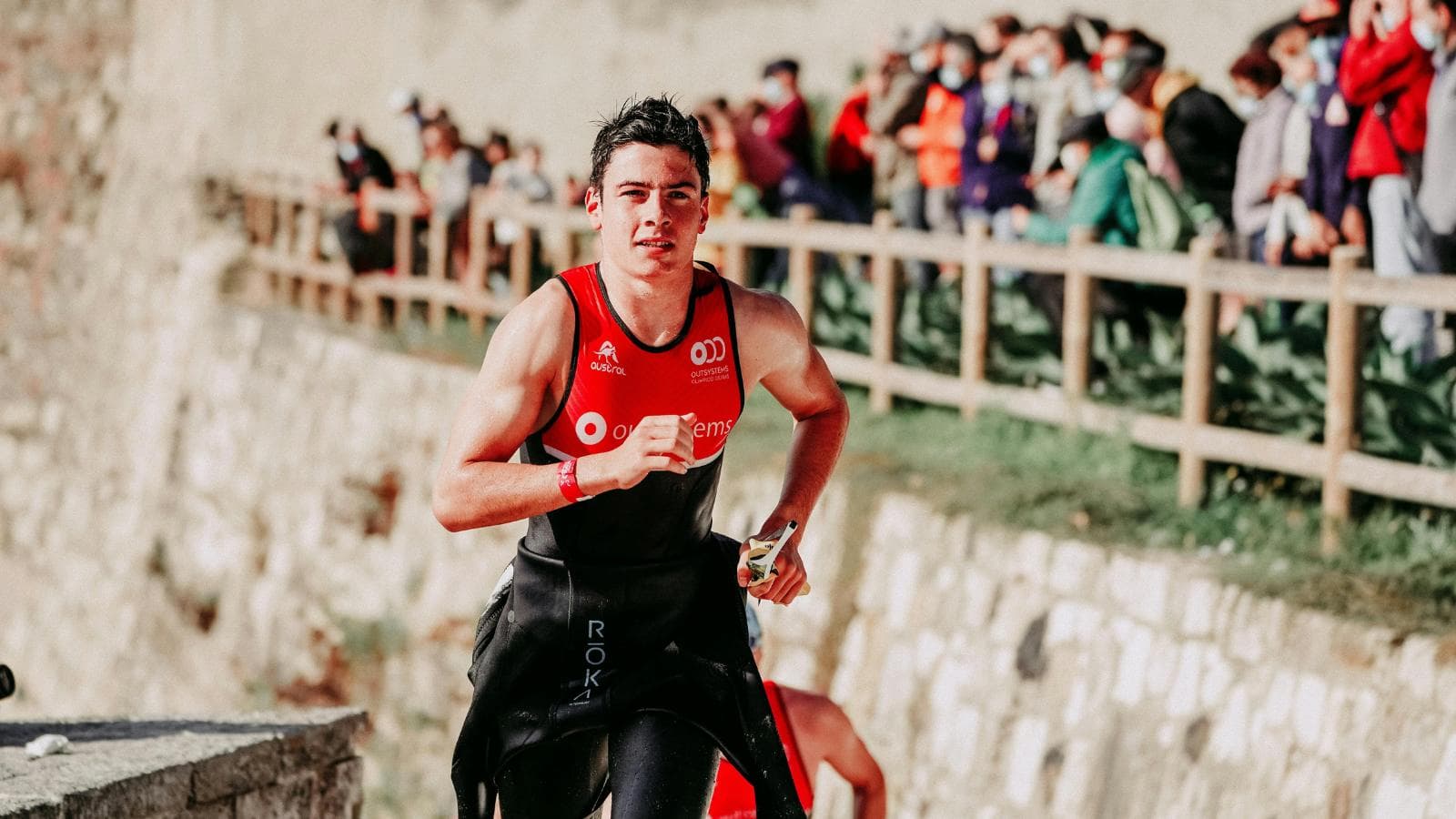
Understand Where Fatigue Comes From
Triathlon fatigue is rarely caused by one factor. It is usually the result of several elements working together, including:
- Poor pacing
- Inadequate fueling
- Dehydration
- Insufficient recovery
- Excessive training load
- Weak bike fitness
Athletes who understand causes of post race depression in triathletes often recognise that fatigue cannot always be explained by a single metric or workout.
Managing fatigue requires a holistic approach.
Pace the Swim Conservatively
Many athletes begin races too aggressively.
An overly hard swim can elevate:
- Heart rate
- Energy expenditure
- Stress levels
before the bike even begins. Athletes who understand do you loose brain fitness during breaks from triathlon often appreciate that efficient swimming conserves valuable energy for later stages of the race.
The goal is exiting the water prepared to ride, not exhausted.
Improve Your Cycling Efficiency
The bike leg often determines how well you run. Cyclists who push beyond their sustainable limits frequently pay for it later. Athletes who understand benefits of training with other triathletes know that strong aerobic fitness and sustainable pacing usually produce better overall race performances than aggressive riding.
A controlled bike often leads to a stronger run.
Fuel Early and Consistently
Many cases of late-race fatigue can be traced back to nutrition mistakes.
Common problems include:
- Underfueling
- Delayed fueling
- Inadequate carbohydrate intake
- Poor hydration
Athletes who understand how to avoid rehydration mistakes after a triathlon often recognise that fatigue management starts long before energy levels begin to drop.
Fuel proactively rather than reactively.
Practice Brick Workouts
Brick sessions help prepare the body for the transition from cycling to running.
These workouts teach athletes how to:
- Manage pacing
- Adapt to heavy legs
- Improve race-specific fitness
Athletes who understand how to train for your first 70.3 triathlon in 20 weeks often include regular brick sessions because they closely replicate race demands.
Specific preparation improves confidence.
Build Aerobic Fitness
Aerobic fitness forms the foundation of endurance performance.
A stronger aerobic system helps athletes:
- Sustain effort longer
- Recover more effectively
- Delay fatigue
Athletes who understand what are adaptations in a triathlon training plan know that endurance improvements occur gradually through consistent training.
There are no shortcuts.
Prioritise Recovery
Fatigue often begins accumulating long before race day. Poor recovery can leave athletes carrying residual fatigue into key workouts and competitions.
Important recovery habits include:
- Quality sleep
- Proper nutrition
- Hydration
- Recovery days
Athletes who understand what strategies should triathletes follow for a better recovery often make more consistent progress because they allow their bodies time to adapt.
Strengthen Your Run Durability
Running well after cycling requires more than cardiovascular fitness.
Athletes also need:
- Muscular endurance
- Stability
- Resilience
Strength training can help improve:
- Running economy
- Posture
- Fatigue resistance
A durable runner is often a stronger runner.
Avoid Starting the Run Too Fast
One of the most common race-day mistakes is running at goal pace immediately after transition. The body often needs time to adjust after the bike. Athletes who understand what mindset helps triathletes perform at their best frequently focus on patience early in the run.
A controlled start often leads to a stronger finish.
Monitor Hydration Carefully
Even modest dehydration can influence:
- Performance
- Perceived effort
- Decision-making
Athletes who understand how does glucose monitoring affect training and recovery in a triathlon often appreciate that hydration and fueling work together to support performance.
Fluid intake should be practised during training, not improvised on race day.
Improve Bike Position Comfort
Discomfort on the bike can contribute to unnecessary fatigue.
Poor positioning may increase stress on:
- Lower back
- Hips
- Neck
- Shoulders
Athletes who understand what is carpal tunnel syndrome and how does it affect triathletes during cycling often recognise that comfort and efficiency are closely linked.
A comfortable rider typically conserves more energy.
Manage Training Stress
More training does not automatically mean better performance.
Excessive workload can increase:
- Fatigue
- Injury risk
- Recovery demands
Athletes who understand how can working professionals train for a 70.3 triathlon often appreciate the importance of balancing training with recovery and life responsibilities.
Sustainable training usually wins.
Use Nutrition to Support Recovery
Recovery nutrition plays a major role in reducing cumulative fatigue.
After training, focus on:
- Carbohydrates
- Protein
- Fluids
- Electrolytes
Athletes who understand how to recover faster after a triathlon know that post-workout nutrition influences future training quality.
Recovery starts immediately after the session ends.
Don’t Ignore Early Warning Signs
Persistent fatigue may indicate:
- Overtraining
- Inadequate recovery
- Illness
- Excessive life stress
Athletes who understand how can triathletes stay on track after missing a workout know that occasionally reducing training load is often smarter than pushing through excessive fatigue.
Rest can be productive.
Train Your Gut
Race-day nutrition should be practised regularly.
Athletes who fail to train their fueling strategy often experience:
- Energy crashes
- Stomach discomfort
- Reduced performance
The gut adapts just like muscles and the cardiovascular system.
Practise eating and drinking during long training sessions.
Common Causes of Triathlon Fatigue
Many athletes struggle because they:
- Ride too hard
- Underfuel
- Neglect recovery
- Skip brick workouts
- Start the run too fast
- Ignore hydration
- Train inconsistently
- Carry excessive fatigue into races
Most of these factors are controllable.
How to Run Stronger in a Triathlon?
Triathletes can improve run performance by:
- Swimming efficiently
- Pacing the bike wisely
- Fueling consistently
- Hydrating properly
- Building aerobic fitness
- Completing brick sessions
- Prioritising recovery
- Managing training stress
The athletes who run strongest in triathlon are not always the fastest runners. More often, they are the athletes who arrive at the run with the least accumulated fatigue. Managing energy effectively throughout the entire race is often the difference between surviving the run and finishing it strongly.