
Triathlon is often viewed as an individual sport. On race day, athletes ultimately rely on their own fitness, preparation, and decision-making to reach the finish line. However, that does not mean training must be a solo pursuit. Many of the world’s best triathletes regularly train with teammates, clubs, training groups, and training partners. Even recreational athletes often discover that training alongside others can significantly improve both performance and enjoyment. While solo training certainly has its place, training with other triathletes offers unique benefits that can help athletes:
- Stay motivated
- Improve accountability
- Learn new skills
- Push performance limits
- Build confidence
- Enjoy the sport more
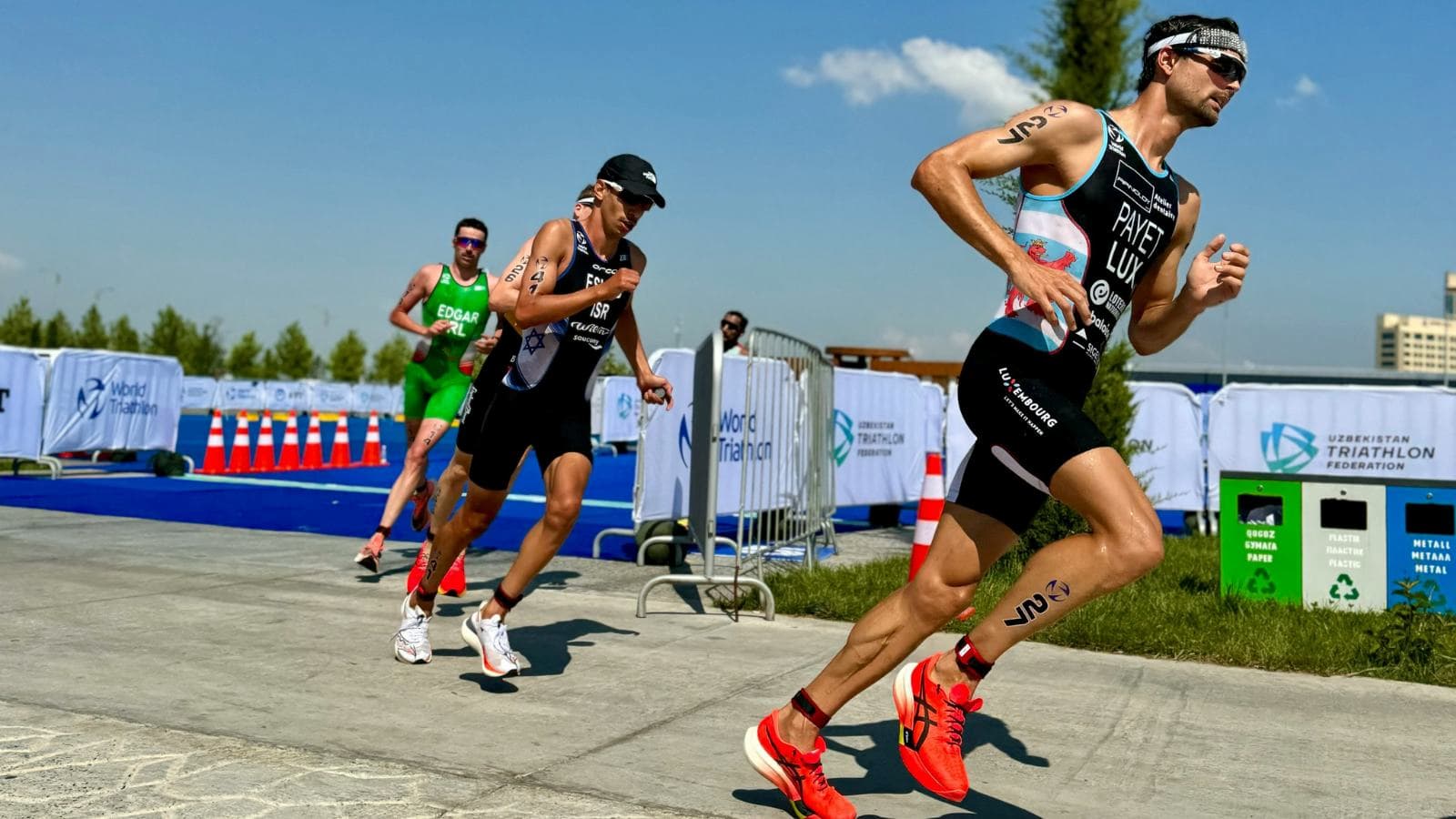
The goal is not replacing individual training completely. The goal is using group training strategically to become a stronger and more well-rounded triathlete.
Accountability Improves Consistency
One of the biggest advantages of training with others is accountability. It is much easier to skip a workout when nobody is expecting you.
However, when training partners are waiting:
- Motivation often increases
- Attendance improves
- Consistency becomes easier
Many athletes find they are more likely to complete:
- Early morning swims
- Long weekend rides
- Difficult interval sessions
when training with a group. Athletes following how can triathletes structure triathlon race strategy often discover that accountability can help prevent small disruptions from becoming long-term setbacks.
You Learn From More Experienced Athletes
Every triathlete has strengths and weaknesses. Training with others creates opportunities to learn about:
- Pacing
- Technique
- Equipment
- Nutrition
- Recovery
Newer athletes can often accelerate their development simply by observing experienced triathletes. Small insights gathered during training sessions frequently provide valuable lessons that might otherwise take years to learn independently.
Swimming Improves Faster in Groups
Swimming is often the most technical discipline in triathlon.
Training with other swimmers helps athletes:
- Maintain pace
- Improve drafting skills
- Learn positioning
- Receive feedback
Many triathletes struggle to push themselves in solo swim sessions. Group swims often create a more structured environment that encourages better consistency and technique. Athletes improving through how do triathletes adapt to training plans in a triathlon often benefit from practising with others because open-water skills are easier to develop in realistic group settings.
Group Rides Build Bike Handling Skills
Cycling skills are difficult to develop in isolation.
Riding with other triathletes helps improve:
- Confidence
- Bike control
- Awareness
- Positioning
Group rides teach athletes how to:
- Hold lines
- React to changing situations
- Ride predictably
These skills can translate directly to safer and more efficient racing. Athletes who regularly participate in group rides often become more comfortable handling their bikes under a variety of conditions.
Hard Workouts Feel Easier Mentally
Many athletes find difficult sessions easier when completed with training partners.
This applies to:
- Intervals
- Hill repeats
- Long endurance sessions
Training partners can help:
- Maintain effort
- Encourage consistency
- Provide motivation
Athletes improving through aerobic endurance workouts that every triathlete should know often discover that challenging endurance sessions become more manageable when shared with others. The physical workload may remain identical, but the mental burden often feels lower.
Training Becomes More Enjoyable
Triathlon requires significant time and commitment. Training with others can make the process more enjoyable.
Shared experiences often create:
- Camaraderie
- Friendships
- Support systems
- Greater motivation
Athletes who genuinely enjoy training are often more likely to remain consistent over the long term. Enjoyment is not a luxury in endurance sports. It is an important factor in sustainability.
You Gain Race-Day Confidence
Training alongside capable athletes often builds confidence.
For example:
- Completing a hard ride with strong cyclists
- Holding pace during a group run
- Keeping up during swim sessions
can provide reassurance that fitness is improving. Athletes preparing through how to become an efficient triathlete often gain confidence not only from fitness improvements but also from seeing those improvements reflected within training groups. Confidence grows through evidence.
Exposure to Different Training Approaches
Every athlete approaches training differently. Group environments expose triathletes to:
- New workouts
- Different perspectives
- Alternative recovery strategies
- Equipment choices
While not every suggestion should be followed, exposure to different ideas can broaden understanding and improve decision-making.
Learning never stops in triathlon.
Better Open-Water Preparation
Open-water swimming often feels intimidating when performed alone.
Group sessions provide:
- Increased safety
- Race-specific practice
- Drafting opportunities
- Greater confidence
Athletes improving through how to transition faster after an open water swim frequently benefit from training with others because race situations become more familiar and less stressful. Practising alongside other swimmers helps simulate race-day conditions.
Healthy Competition Drives Improvement
Competition can be a powerful training tool.
Friendly rivalry often encourages athletes to:
- Push harder
- Stay focused
- Maintain consistency
The key is ensuring competition remains healthy. The goal should be personal improvement rather than constantly trying to outperform training partners. Used correctly, competition can accelerate progress significantly.
Support During Difficult Periods
Every triathlete experiences:
- Injuries
- Illness
- Bad races
- Motivation dips
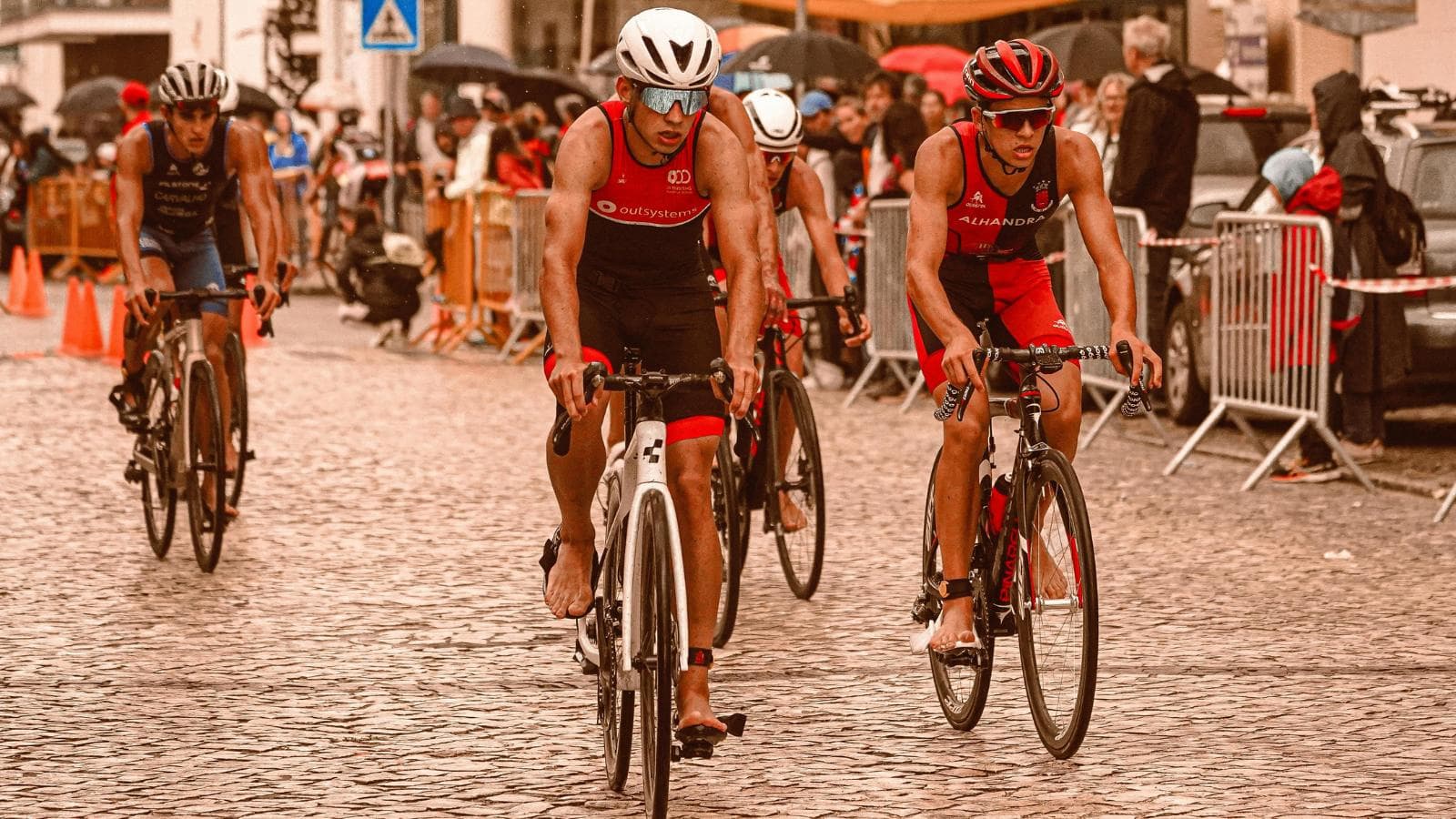
Training groups often provide valuable support during these periods. Athletes improving through how to overcome an early-season setback in triathlon training frequently discover that encouragement from training partners helps maintain perspective when progress temporarily slows. A strong community can be incredibly valuable during challenging times.
Shared Knowledge About Racing
Experienced triathletes often share practical knowledge about:
- Courses
- Equipment
- Pacing
- Nutrition
- Race preparation
These conversations can help athletes avoid common mistakes. Learning from others’ experiences may improve race execution significantly. Athletes improving through how to train for a winter triathlon often benefit from hearing how experienced competitors have managed difficult conditions in previous events.
Motivation During Winter Training
Maintaining motivation can become difficult during:
- Cold weather
- Dark mornings
- Off-season training
Training groups often help athletes maintain momentum when enthusiasm naturally declines. Athletes preparing through how to train indoors for a bike handling and cornering frequently find that group accountability improves consistency during challenging training periods.
Support systems matter when motivation fluctuates.
Recovery Conversations Can Be Valuable
Many triathletes focus exclusively on training.
However, discussions around:
- Sleep
- Nutrition
- Recovery
- Stress management
can be equally valuable. Athletes who understand how to prevent burnout during recovery often recognise the importance of learning recovery strategies from more experienced training partners.
Recovery knowledge is often shared informally within training communities.
Training Helps Build Long-Term Motivation
One of the biggest reasons athletes leave endurance sports is loss of motivation.
Training alongside others can help maintain:
- Enthusiasm
- Accountability
- Enjoyment
- Commitment
The social element often becomes a powerful reason to continue showing up consistently. Long-term consistency is one of the biggest predictors of success in triathlon.
Common Mistakes When Training With Others
Group training is beneficial, but problems can arise when athletes:
- Compare themselves excessively
- Train too hard too often
- Ignore personal recovery needs
- Follow others’ plans blindly
- Lose focus on individual goals
The best athletes use group training to enhance their own programme rather than replace it.
Practical Ways to Benefit From Training Partners
Triathletes can gain more from group training by:
- Choosing compatible training partners
- Using group sessions strategically
- Maintaining personal pacing plans
- Learning from experienced athletes
- Staying open to feedback
- Prioritising safety
- Building relationships
- Keeping competition healthy
The strongest triathletes are rarely those who train entirely alone. They are often the athletes who combine individual discipline with the support, knowledge, and motivation that comes from being part of a strong training community.