

Aerobic endurance is the foundation of triathlon performance. It determines how efficiently a triathlete can sustain effort across swimming, cycling, and running without accumulating excessive fatigue too early.
Strong aerobic conditioning improves:
- Energy efficiency
- Fat metabolism
- Recovery capacity
- Cardiovascular function
- Long-distance pacing

Without aerobic endurance, even talented athletes struggle to maintain pace during longer races. The best aerobic workouts are not always the hardest sessions. In fact, most endurance development comes from controlled, repeatable training that builds durability over time. This becomes especially important during longer races discussed in race strategy for beginners, where aerobic fitness determines how well athletes manage fatigue across multiple hours of racing.
Zone 2 Endurance Sessions
Zone 2 training is one of the most important aerobic systems every triathlete should develop.
These sessions usually feel:
- Controlled
- Sustainable
- Conversational
- Steady
Zone 2 work improves:
- Oxygen delivery
- Fat utilisation
- Aerobic efficiency
- Muscular endurance
Many athletes make the mistake of riding or running too hard during aerobic days, which reduces recovery quality and limits long-term consistency.
Athletes following what is zone 2 training principles usually improve endurance much more effectively over time.
Long Aerobic Bike Rides
Long steady rides are essential for triathlon endurance.
These rides help improve:
- Cardiovascular durability
- Pedalling economy
- Fueling efficiency
- Mental endurance
- Fatigue resistance
Most long rides should remain controlled rather than aggressive.
The goal is accumulating sustainable aerobic work without creating excessive fatigue that compromises recovery later in the week.
Long rides also provide an opportunity to practise:
- Hydration
- Nutrition
- Position comfort
- Race pacing
Steady Endurance Runs
Aerobic endurance runs improve:
- Running economy
- Muscular resilience
- Cardiovascular efficiency
- Pacing awareness
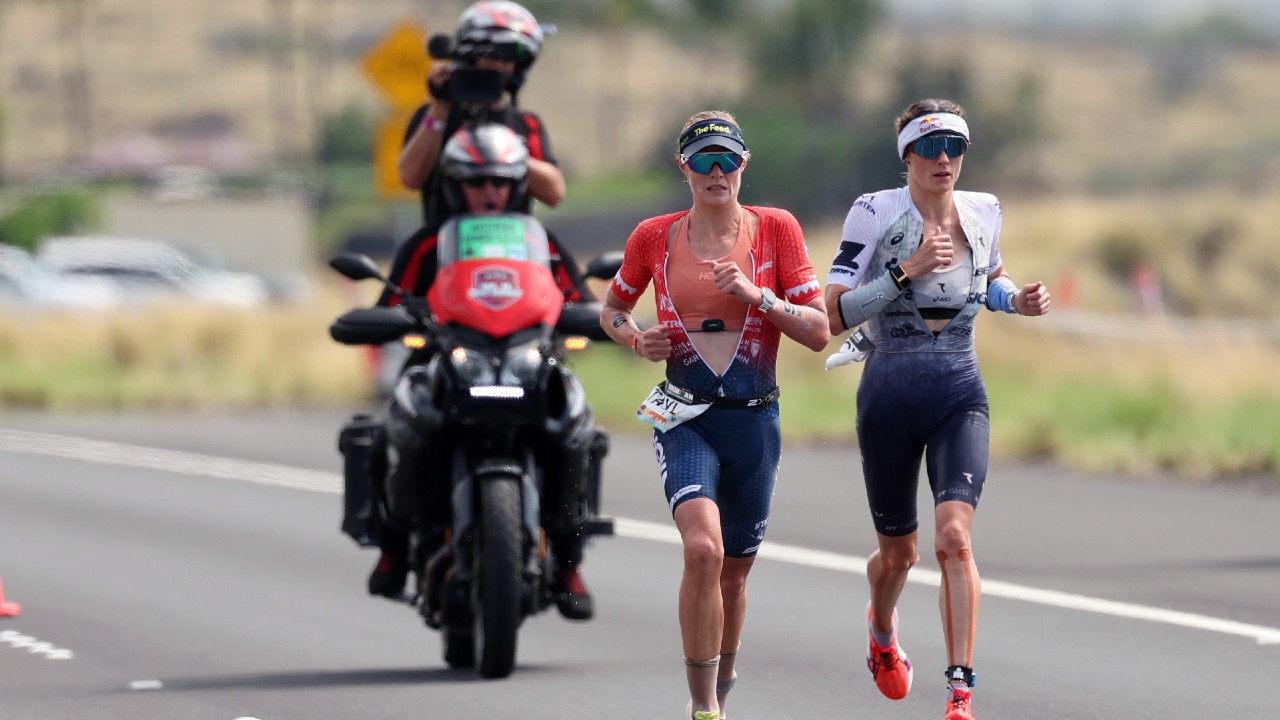
Easy endurance runs should not feel like race efforts. Triathletes often run too hard because moderate pace feels productive, but excessive intensity frequently increases injury risk and reduces recovery quality. Athletes building smarter endurance through what makes a triathlete faster in running often improve efficiency while reducing unnecessary fatigue.
Aerobic Swim Sets
Swimming endurance matters because energy wasted in the water affects the bike and run later.
Aerobic swim workouts help triathletes:
- Maintain controlled breathing
- Improve stroke rhythm
- Build swim durability
- Reduce unnecessary effort
Useful aerobic swim sessions often include:
- Continuous swimming
- Moderate intervals
- Pull buoy endurance work
- Controlled pacing sets
Technique should remain relaxed and sustainable rather than rushed.
Brick Workouts for Aerobic Adaptation
Brick sessions train the body to transition efficiently from cycling to running.
Aerobic brick workouts improve:
- Fatigue management
- Transition pacing
- Neuromuscular adaptation
- Running rhythm under fatigue
Examples include: - Easy bike followed by controlled run
- Long aerobic ride into short steady run
- Tempo bike followed by easy transition run
Athletes using running techniques for triathlon often improve race-specific endurance and pacing significantly.
Progressive Aerobic Runs
Progression runs start easier and gradually increase effort throughout the session.
These workouts improve:
- Pace control
- Fatigue resistance
- Aerobic management
- Running discipline
A typical progression run may include:
- Easy opening pace
- Controlled middle effort
- Slightly faster finish
This teaches athletes how to finish stronger without pacing aggressively too early.
Aerobic Interval Sessions
Not all aerobic training must be continuous.
Controlled aerobic intervals help athletes maintain:
- Better technique
- Controlled pacing
- Sustainable effort
Examples include: - 5-minute steady intervals
- Controlled bike efforts
- Swim repeats with short recovery
The intensity should remain below threshold so the athlete can sustain quality throughout the session.

Recovery Sessions Still Build Endurance
Easy recovery workouts support aerobic development while improving:
- Blood circulation
- Recovery quality
- Movement efficiency
- Consistency
Recovery sessions may include:
- Easy swims
- Short recovery rides
- Very light runs
- Mobility-focused movement
Athletes who ignore recovery often lose consistency because fatigue accumulates too aggressively. This becomes especially important during heavier training blocks discussed in how to recover faster after a triathlon.
Long Swim Sessions Build Confidence
Longer swim sessions improve:
- Open-water confidence
- Breathing control
- Stroke durability
- Pacing awareness
Many triathletes underestimate how mentally demanding sustained swimming can feel. Long aerobic swims help athletes become more relaxed and controlled during races. This becomes increasingly useful for athletes improving through how to swim in open water for triathlon.
Tempo Aerobic Work Improves Sustainable Speed
Tempo sessions sit slightly above easy aerobic pace while remaining controlled.
These workouts improve:
- Lactate clearance
- Sustainable race pace
- Aerobic strength
- Mental pacing control
Tempo efforts should feel:
- Challenging but controlled
- Sustainable
- Rhythmic
Athletes who constantly train above sustainable effort often accumulate fatigue too quickly instead of building durable endurance.
Consistency Is More Important Than Extreme Workouts
The best aerobic development usually comes from:
- Weekly consistency
- Gradual progression
- Sustainable volume
- Proper recovery
Many athletes plateau because they:
- Train too hard too often
- Skip recovery
- Increase volume aggressively
- Ignore fatigue signals
Endurance improves most effectively when training remains repeatable over months rather than relying on occasional massive sessions.
Fueling Supports Aerobic Development
Long aerobic sessions increase:
- Glycogen demand
- Fluid loss
- Recovery requirements
Triathletes should practise:
- Carbohydrate intake
- Electrolyte replacement
- Hydration timing
during endurance sessions regularly.
Athletes improving through fueling for a triathlon often maintain better training quality and race execution later.
Strength Training Helps Aerobic Efficiency
Strength work supports endurance by improving:
- Posture
- Stability
- Movement economy
- Fatigue resistance
Important areas include:
- Core
- Glutes
- Hamstrings
- Hip stabilisers
Triathletes who skip strength training often lose efficiency under fatigue, especially during longer races. This becomes increasingly important during progression discussed in how to decrease injury risk while training for a triathlon.
Aerobic Training Should Feel Sustainable
One of the biggest mistakes triathletes make is treating every workout like a race.
Strong aerobic training should feel:
- Controlled
- Repeatable
- Sustainable
- Consistent
Athletes who constantly chase intensity usually struggle with: - Recovery
- Injury
- Burnout
- Plateaued performance
The most successful triathletes are usually the athletes who can train consistently for long periods without breakdown.
Common Aerobic Training Mistakes
Many triathletes reduce endurance progress through avoidable habits.
Common mistakes include:
- Running easy days too hard
- Ignoring recovery
- Skipping long sessions
- Poor fueling
- Overtraining
- Lack of pacing discipline
- Excessive intensity
Aerobic development requires patience more than constant hard effort.
Practical Aerobic Workouts Triathletes Should Include
Triathletes can improve aerobic endurance by including:
- Zone 2 rides
- Long aerobic runs
- Controlled swim sessions
- Recovery workouts
- Progressive runs
- Brick sessions
- Tempo endurance work
- Consistent weekly structure
The best aerobic plans are sustainable enough to repeat consistently while allowing proper recovery.