

For beginner triathletes, race day can feel overwhelming. Managing the swim, bike, run, transitions, pacing, fueling, and nerves all in a single event is very different from training sessions completed individually. Many first-time triathletes focus so much on fitness that they overlook race execution, even though smart strategy often matters just as much as physical preparation.
A good beginner triathlon strategy is not about racing aggressively from the start. It is about staying controlled, calm, and consistent across the entire event. The athletes who usually enjoy their first triathlon most are often the ones who manage energy wisely rather than trying to compete with everyone around them.
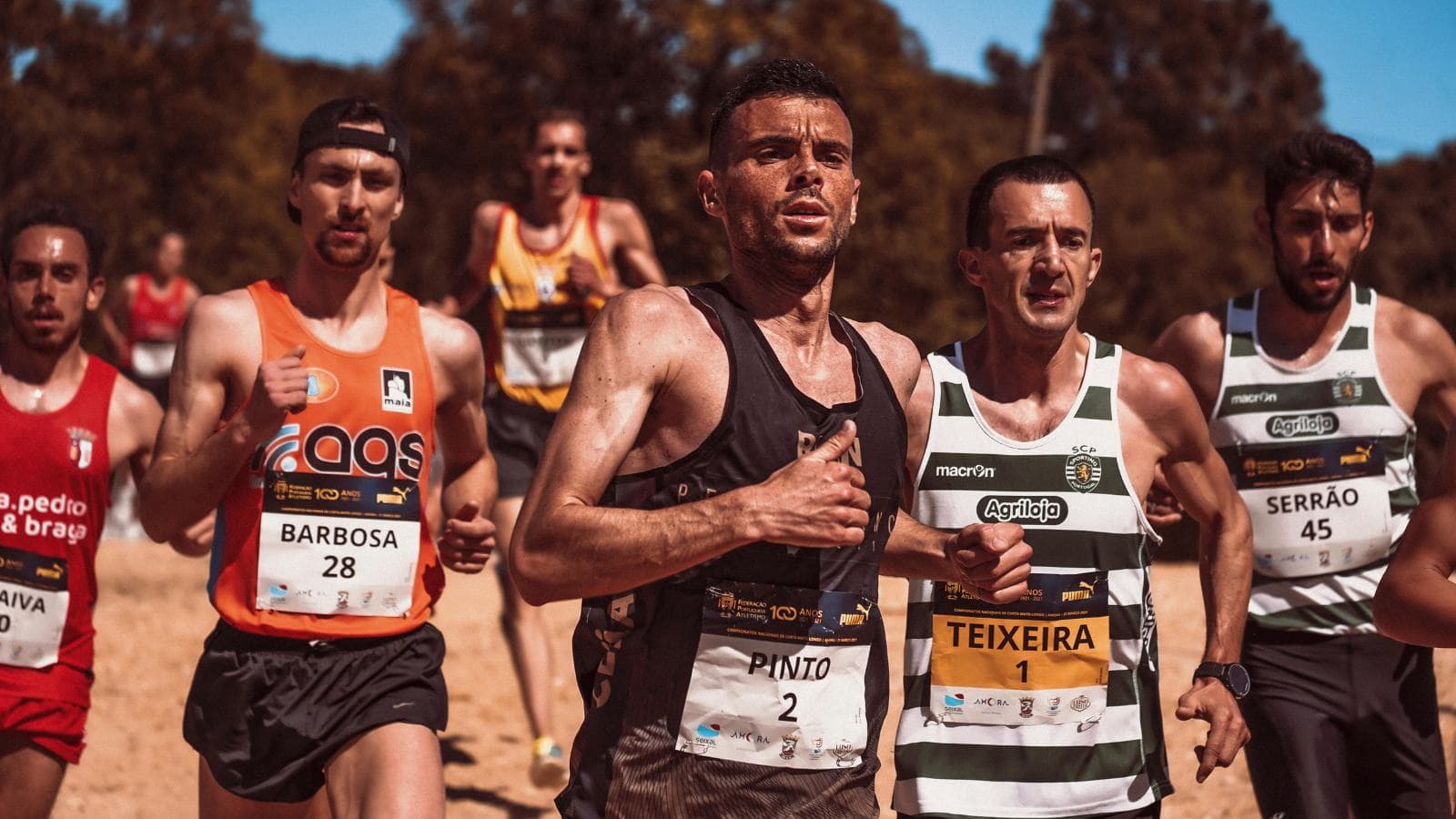
Focus on Finishing Strong, Not Starting Fast
One of the most common beginner mistakes is treating the early stages of the race like a sprint. Adrenaline, excitement, and crowd energy often cause athletes to start far too hard during the swim or bike leg.
This usually leads to:
- Breathing problems
- Heavy legs
- Poor pacing
- Run fatigue later in the race
A better strategy is staying slightly more controlled than feels necessary early on. This becomes especially important in longer races, similar to concepts discussed in preventing burnout while training for a triathlon, where excessive early effort often ruins overall performance.
Keep the Swim Relaxed and Controlled
The swim is where many beginner triathletes feel most anxious. Open water, race crowds, and contact with other swimmers can raise heart rate quickly.
The goal during the swim should be:
- Stay calm
- Settle breathing early
- Find sustainable rhythm
- Avoid unnecessary panic
Swimming slightly easier at the beginning often leads to a smoother and faster overall race experience. Controlled breathing and pacing are especially important, similar to strategies discussed in training for open water swimming in 8 weeks, where relaxation improves efficiency significantly.
Do Not Chase Faster Swimmers
Many beginners waste energy trying to hold onto swimmers who are simply faster than them. This often causes panic and elevated effort very early in the race.
Instead:
- Swim your own rhythm
- Focus on smooth movement
- Prioritise comfort over aggression
The triathlon is still very long after the swim ends.
Transitions Should Stay Calm and Simple
Transitions are often chaotic for beginners because athletes rush unnecessarily and forget basic steps.
A better beginner strategy is:
- Slow down slightly
- Stay organised
- Follow a simple routine
This usually prevents mistakes such as:
- Forgetting nutrition
- Helmet issues
- Missing equipment
- Wasting mental energy
Efficient transitions come from calm execution rather than frantic speed. Practicing transitions during training also helps reduce race-day stress, similar to concepts discussed in reducing injury risk with increasing triathlon volume, where athletes learn to handle discipline changes more smoothly.
Ride the Bike Conservatively
Many beginner triathletes overbike because cycling feels easier immediately after the swim. However, pushing too hard on the bike often destroys run performance later.
A smarter bike strategy is:
- Ride at controlled effort
- Avoid large surges
- Stay smooth on climbs
- Keep cadence comfortable
The bike leg should feel sustainable rather than desperate. Saving energy for the run is usually far more important than gaining small amounts of time early.
Fuel and Hydrate Early
One of the biggest beginner mistakes is waiting too long to eat or drink during the race.
Begin fueling and hydrating early on the bike before fatigue and dehydration build significantly. Consistent fueling helps:
- Maintain energy
- Reduce fatigue
- Support run performance
- Improve concentration
This becomes especially important in longer races, similar to approaches discussed in fueling for an Ironman without GI issues, where pacing and nutrition work together closely.
Stay Patient During the Run Start
The first kilometres of the run often feel deceptively easy because adrenaline is still high. Many beginners start running much faster than sustainable pace without realising it.
This usually causes:
- Rapid fatigue buildup
- Cramping
- Walking later in the run
Starting slightly slower and building rhythm gradually often produces stronger overall results. Controlled pacing becomes especially important in endurance racing, similar to strategies discussed in training for a triathlon step by step guide, where energy distribution matters more than early speed.
Walk Aid Stations if Needed
Beginner triathletes sometimes believe walking briefly means failure. In reality, short controlled walks through aid stations may actually help maintain energy and hydration more effectively.
Walking briefly can help:
- Drink properly
- Lower heart rate slightly
- Regain control
- Reduce overheating
Smart pacing is usually more effective than forcing constant unsustainable running.
Avoid Comparing Yourself to Other Athletes
Triathlon races include athletes with very different experience levels and strengths. Some people may swim faster, while others are stronger cyclists or runners.
Trying to constantly match other athletes often causes pacing mistakes and unnecessary anxiety.
Focus on:
- Your own pacing
- Your own nutrition
- Your own race execution
The goal for beginners is usually completing the race well rather than racing emotionally against everyone nearby.
Expect Some Discomfort
Many first-time triathletes become anxious when the race starts feeling difficult. However, endurance racing naturally includes discomfort and fatigue.
The key is learning the difference between:
- Normal race discomfort
- Unsustainable pacing
Staying calm under manageable discomfort usually leads to stronger overall performance.
Use Simple Nutrition Strategies
Beginner athletes often overcomplicate race nutrition. A simple strategy usually works best initially.
Focus on:
- Regular hydration
- Consistent carbohydrates
- Familiar products only
Avoid experimenting with unfamiliar gels or drinks during the race itself. Practicing fueling beforehand is extremely important, similar to strategies discussed in fueling for a triathlon complete guide, where familiarity reduces race-day stress and GI issues.
Mental Strategy Matters Too
Triathlon racing is mentally demanding, especially for beginners. Breaking the race into smaller sections often makes it feel more manageable.
For example:
- Focus only on the swim first
- Then focus on the bike
- Then focus on the next run kilometre
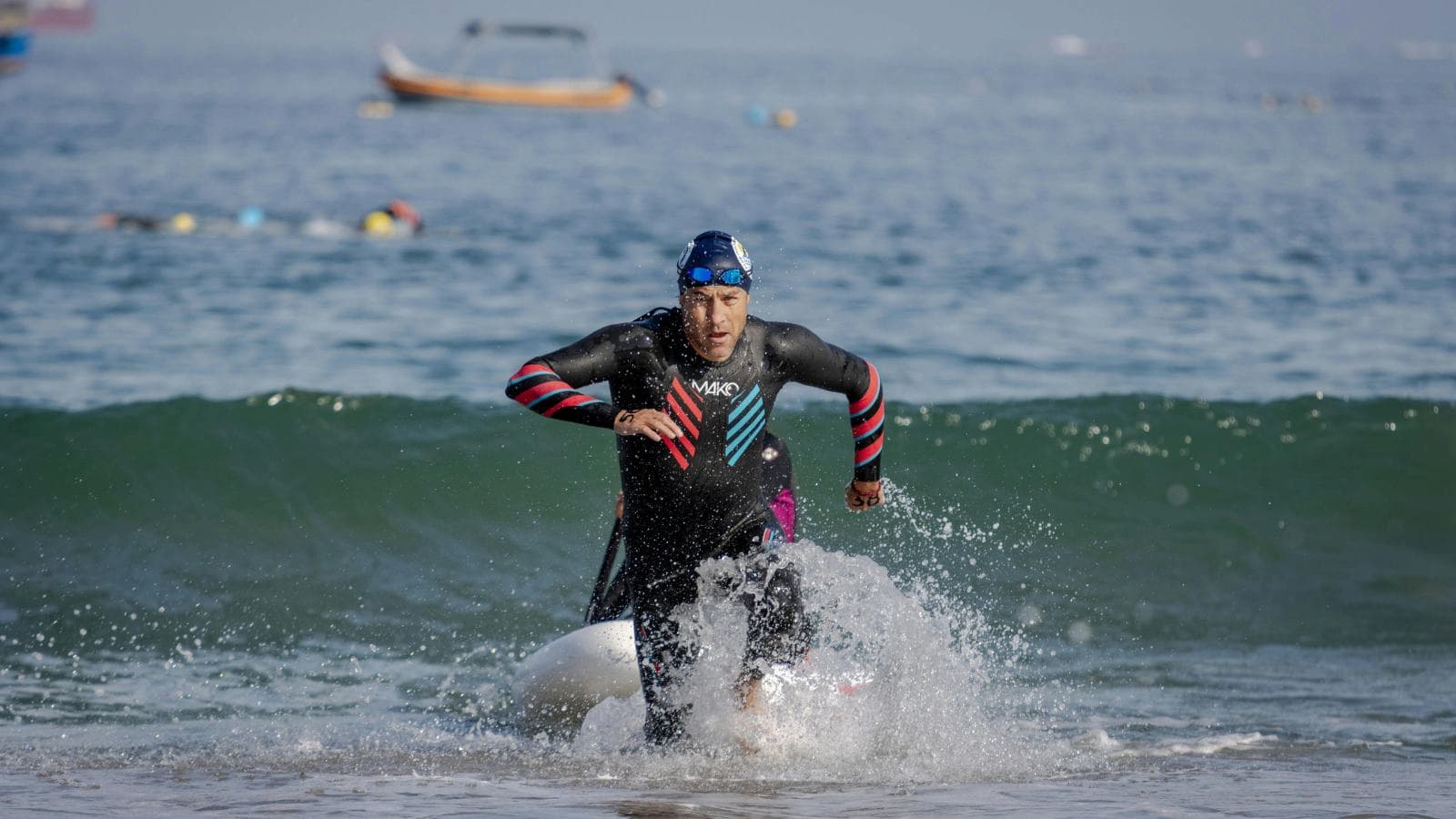
This prevents feeling overwhelmed by the entire event all at once.
Course Familiarity Helps Confidence
Knowing basic details about the course beforehand reduces stress significantly.
Helpful preparation includes:
- Reviewing elevation
- Understanding aid station locations
- Checking transition layout
- Learning swim conditions
Even simple familiarity can improve confidence and pacing decisions.
Do Not Skip Recovery After the Race
Many beginners focus entirely on race day itself and ignore recovery afterward. Proper recovery supports adaptation and helps athletes feel better physically and mentally after the event.
Prioritise:
- Hydration
- Easy movement
- Nutrition
- Sleep
This becomes especially important after demanding efforts, similar to recovery principles discussed in pacing a triathlon properly, where recovery habits strongly affect long-term progress.
Avoid Common Beginner Triathlon Strategy Mistakes
- Starting too hard during the swim
- Overbiking early in the race
- Ignoring fueling until too late
- Comparing yourself constantly to others
- Rushing transitions unnecessarily
- Trying unfamiliar nutrition on race day
Avoiding these mistakes alone often leads to much better race experiences.
Practical Beginner Triathlon Strategy Tips
- Start slightly easier than feels necessary
- Stay calm during transitions
- Fuel early and consistently
- Ride conservatively to protect the run
- Break the race into manageable sections
- Focus on smooth pacing rather than racing emotionally
What You Should Do?
Start your first triathlon with a strategy focused on control, pacing, and consistency rather than aggressive racing. Prioritise calm execution and steady effort across all three disciplines instead of trying to gain time early. Practice transitions, fueling, and pacing during training so race day feels more familiar and manageable. Supporting your race preparation with smarter endurance habits, like approaches discussed in first triathlon: complete beginner guide, helps build both confidence and durability before race day arrives.
The best beginner triathlon strategy is usually not the fastest one early in the race. It is the strategy that allows you to stay controlled enough to finish strong, confident, and wanting to race again.