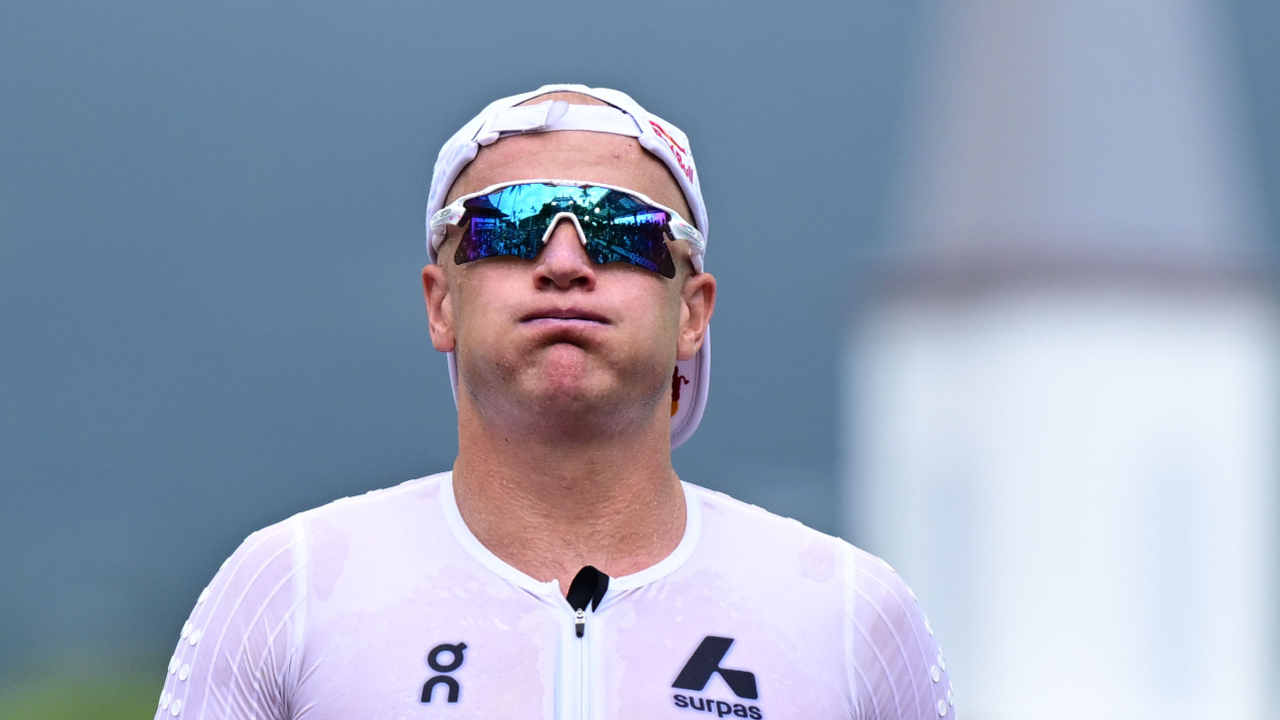


Increasing training volume is essential for improving endurance and preparing for longer triathlon distances, but it is also one of the most common causes of injury. The challenge is not simply doing more, it is doing more in a way that your body can handle. Managing this balance correctly allows you to build fitness while staying consistent and injury-free.
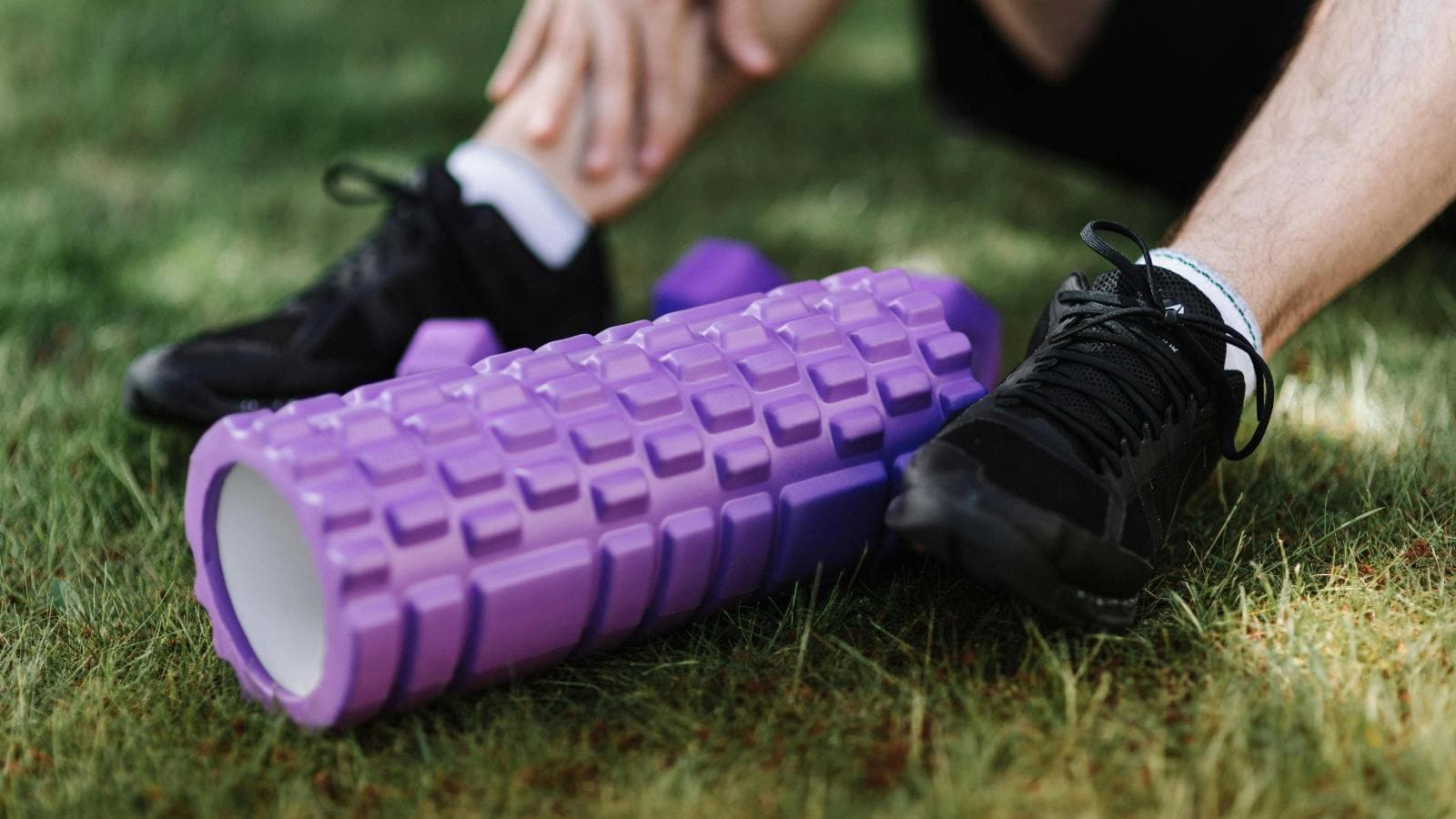
What Increasing Volume Means in Triathlon?
Training volume refers to the total amount of time or distance you spend swimming, cycling, and running. As you prepare for longer races, this volume naturally increases. However, your body adapts to stress gradually, not instantly. Sudden increases overload muscles, tendons, and joints, leading to injury. This is why structured progression, like training for a 70.3 and half ironman triathlon, is critical for long-term success.
Why Injury Risk Increases With Volume?
As training volume increases, so does cumulative stress. Unlike acute injuries, most triathlon injuries are caused by repetitive strain over time. Running is usually the biggest risk due to its impact nature, while swimming and cycling are lower impact but still contribute to overall fatigue. Poor recovery, combined with increased load, creates the perfect conditions for injury.
Progress Gradually Instead of Aggressively
- The most effective way to reduce injury risk is controlled progression.
- A common guideline is increasing training load by no more than 5 to 10 percent per week.
- This gives your body time to adapt without excessive strain.
- It is equally important to include lighter weeks to allow recovery.
This gradual approach is similar to how beginners build safely while training for a sprint triathlon, where consistency is prioritised over rapid progression.
Balance the Three Disciplines
- Triathlon training must be balanced across swimming, cycling, and running.
- However, not all disciplines carry the same injury risk.
- Running places the highest stress on the body, so increases should be more conservative.
- Swimming and cycling can handle higher volume increases due to lower impact.
- Managing this balance reduces overload while still improving endurance.
Prioritise Recovery as Much as Training
Recovery is where adaptation happens. Without it, increased volume leads to breakdown instead of improvement. Sleep, nutrition, and rest days are essential components of any training plan. Ignoring recovery increases fatigue and reduces your ability to handle higher workloads. This balance between effort and recovery is also highlighted in pacing and fueling the bike leg in a triathlon, where managing energy is key to performance.
Control Intensity While Increasing Volume
- One of the biggest mistakes is increasing both volume and intensity at the same time.
- This combination significantly raises injury risk.
- Most training should remain at an easy to moderate effort, with hard sessions used strategically.
- Keeping intensity controlled allows your body to adapt to increased volume without excessive stress.
Strength Training Builds Resilience
- Strength training is one of the most effective ways to reduce injury risk.
- It improves joint stability, corrects imbalances, and increases overall durability.
- Focus on key areas such as the glutes, hips, and core.
- Even two sessions per week can make a significant difference in how well your body handles increased training load.
Improve Technique and Efficiency
Poor technique increases stress on the body. As volume increases, inefficient movement patterns become more problematic. Improving technique reduces unnecessary strain and allows you to train more effectively. This is especially important in swimming, where efficiency plays a major role, like in sighting properly in open water swimming, where small adjustments improve overall performance.
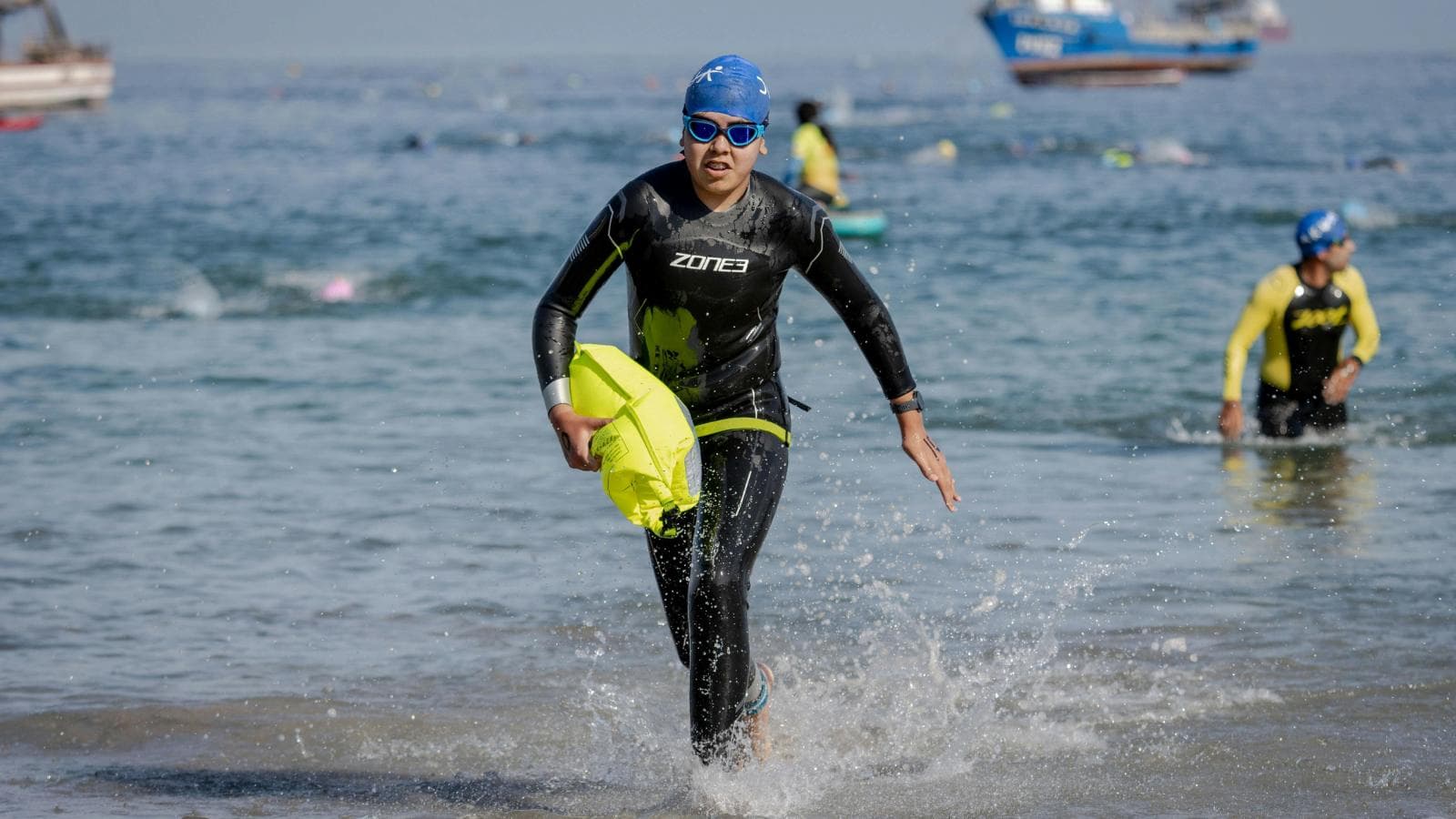
Listen to Early Warning Signs
- Injuries rarely happen suddenly.
- They develop over time through small warning signs.
- Persistent soreness, tightness, or fatigue should not be ignored.
- Addressing these early allows you to adjust training before a minor issue becomes a major problem.
Stay Flexible With Your Training Plan
A rigid plan can increase injury risk if it does not account for fatigue or recovery needs. Being flexible allows you to adjust sessions based on how your body feels. Reducing volume or intensity when needed helps maintain consistency over the long term. This adaptability is a key part of structured training, similar to principles in off-season training for triathletes, where recovery and variation support long-term progress.
Avoid Sudden Spikes in Training Load
- Large increases in training volume are one of the biggest predictors of injury.
- Instead of big jumps, aim for steady, repeatable progression.
- Consistency builds resilience, while spikes create stress your body cannot handle.
Manage Overall Fatigue
Fatigue accumulates across all three disciplines. Even if one session feels easy, combined fatigue from multiple sessions can increase injury risk. Managing total load across the week is essential for staying healthy.
Practical Tips to Reduce Injury Risk
- Increase volume gradually over time
- Keep most sessions at an easy effort
- Prioritise sleep and recovery
- Strength train regularly
- Balance training across all disciplines
- Monitor fatigue and adjust when needed
What You Should Do?
Start by increasing your training volume slowly and consistently. Focus on building a routine that your body can sustain rather than pushing for rapid progress. Support your training with proper recovery, strength work, and attention to technique. Long-term success in triathlon comes from consistency, not intensity. Applying structured approaches, like in fueling for an ironman triathlon, helps ensure your body is supported as training demands increase.