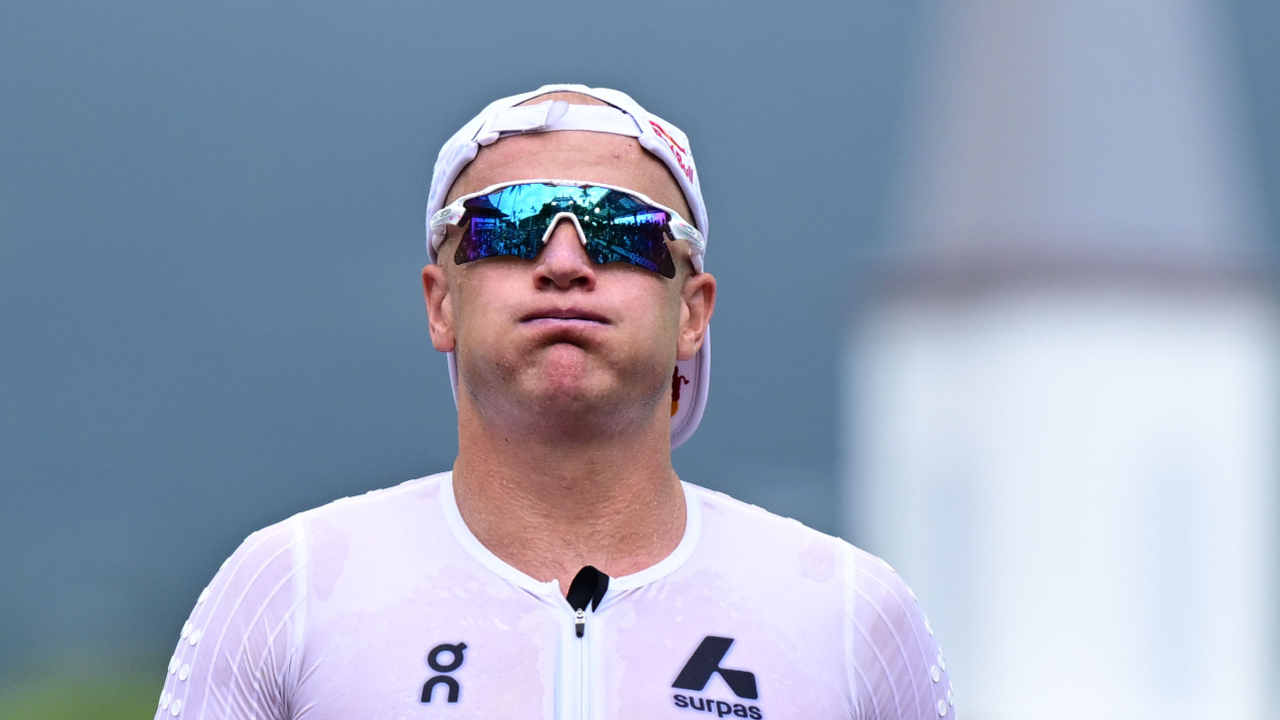

Training for an Ironman is one of the most demanding challenges in endurance sport. The long hours, physical strain, and mental pressure can gradually lead to burnout if not managed properly. Burnout is not just physical fatigue, it is a combination of exhaustion, loss of motivation, and decreased performance. Preventing it is essential if you want to stay consistent, enjoy the process, and perform at your best on race day.

What Burnout in Ironman Training Actually Means?
Burnout happens when training stress consistently exceeds your ability to recover. It builds slowly over time rather than appearing suddenly. You may feel physically tired, mentally drained, and less motivated to train. Performance may plateau or even decline.
Recognising early signs is key to preventing long-term setbacks.
Why Ironman Training Increases Burnout Risk?
Ironman preparation involves high training volume across three disciplines. Balancing swimming, cycling, and running places continuous stress on the body. Long sessions, especially on weekends, can increase fatigue quickly. Mental pressure to perform can add to the strain. Without proper management, this combination leads to overload.
This is why structured planning, like in training for a 70.3 and half ironman triathlon, is essential to manage stress effectively.
Build a Structured and Realistic Training Plan
Avoid Overloading Your Schedule
- A good plan should fit your lifestyle, not overwhelm it.
- Trying to do too much too soon is one of the fastest ways to burn out.
Balance Volume and Intensity
- Not every session should be hard.
- Most training should be controlled and sustainable.
- Following structured progression, similar to choosing a free triathlon training plan for sprint olympic and ironman, helps maintain consistency without excessive strain.
Prioritise Recovery as Much as Training
Rest Is Part of Progress
- Recovery is where adaptation happens.
- Without it, your body cannot absorb training stress.
Include Rest Days and Easy Sessions
- Regular rest prevents fatigue from accumulating.
- Easy sessions support recovery while maintaining movement.
Sleep and Nutrition Matter
- Sleep restores energy and supports performance.
- Nutrition helps repair muscles and replenish energy stores.
- Ignoring these factors increases burnout risk significantly.
Listen to Your Body
Recognise Early Warning Signs
- Common signs of burnout include constant fatigue, irritability, and lack of motivation.
- You may also notice reduced performance or slower recovery.
Adjust Training When Needed
- Pushing through fatigue often makes things worse.
- Reducing volume or intensity when needed helps prevent long-term issues.
Being aware of how your body responds, similar to approaches in pacing and fueling the bike leg in a triathlon, helps maintain balance between effort and recovery.
Manage Mental Stress and Motivation
Break Training Into Manageable Goals
- Focusing on small, achievable milestones keeps motivation high.
- Thinking only about race day can feel overwhelming.
Keep Training Enjoyable
- Variety helps prevent mental fatigue.
- Mixing different sessions keeps things interesting.
Stay Flexible
- Not every session needs to be perfect.
- Adapting your plan reduces pressure and stress.
- Mental balance is just as important as physical preparation, especially in long training cycles.
Avoid Training Monotony
Add Variety to Your Routine
- Repeating the same workouts can lead to boredom.
- Different types of sessions keep both body and mind engaged.
Use Different Training Environments
- Mix indoor and outdoor sessions.
- This keeps training fresh and motivating.
This balanced approach reflects broader strategies like off-season training for triathletes, where variety supports long-term development.
Maintain Proper Pacing in Training
Don’t Train Too Hard Too Often
- High intensity should be used sparingly.
- Too much intensity leads to fatigue and burnout.
Focus on Controlled Effort
- Most sessions should feel manageable.
- Building endurance at steady intensity supports long-term progress.
This becomes especially important when following structured preparation like training for open water swimming in 8 weeks, where gradual progression prevents overload.
Schedule Breaks and Recovery Weeks
Planned Downtime Prevents Burnout
- Including lighter weeks allows your body to reset.
- These recovery periods are essential for long-term progress.
Take Mental Breaks Too
- Short breaks from structured training can refresh motivation.
- Returning with renewed energy improves consistency.
Balance Training With Life Commitments
Avoid Letting Training Take Over Everything
- Work, family, and social life are important for overall well-being.
- Ignoring them can increase stress and reduce motivation.
Create a Sustainable Routine
- Training should support your lifestyle, not disrupt it.
- Balance helps maintain long-term consistency.
Common Mistakes That Lead to Burnout
- Training too hard too often increases fatigue.
- Ignoring recovery limits adaptation.
- Lack of variety leads to mental exhaustion.
- Unrealistic expectations create pressure.
- Skipping rest weeks prevents proper recovery.
Practical Checklist
- Follow a structured and realistic training plan
- Include regular rest and recovery days
- Monitor fatigue and adjust training when needed
- Keep training varied and enjoyable
- Focus on steady, controlled effort
- Balance training with lifestyle commitments
What You Should Do?
- Start by building a training plan that prioritises consistency over intensity.
- Focus on maintaining a balance between effort and recovery.
- Listen to your body and adjust when necessary.
- Keep your training varied to stay mentally engaged.
- Following structured approaches, like those used in fueling strategy for an ironman triathlon, ensures your preparation remains sustainable and effective.
- Long-term success comes from managing both physical and mental stress, allowing you to train consistently without reaching burnout.