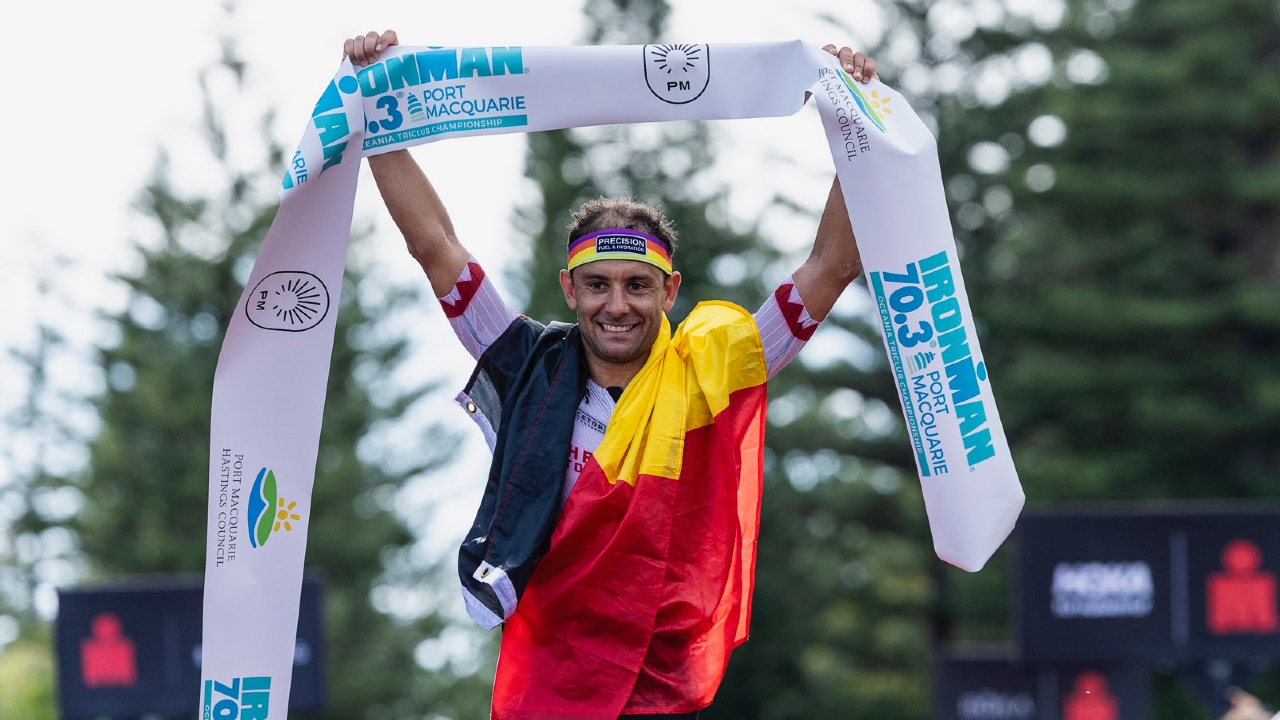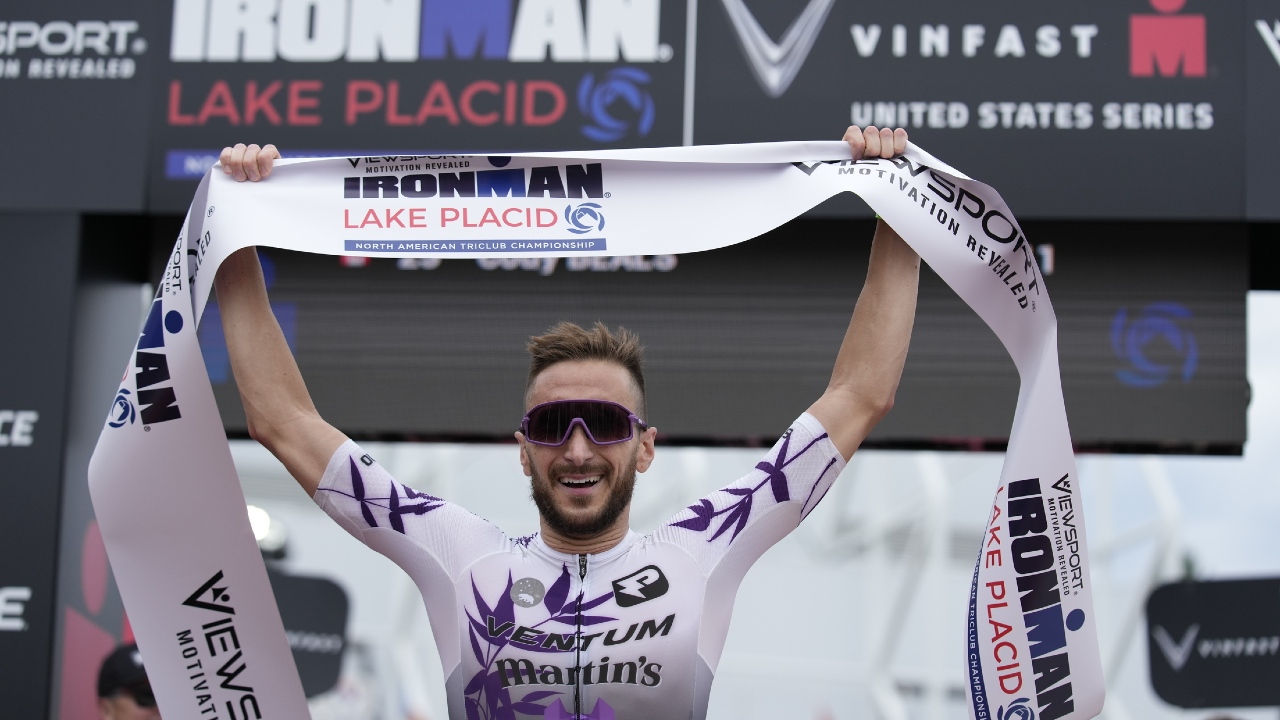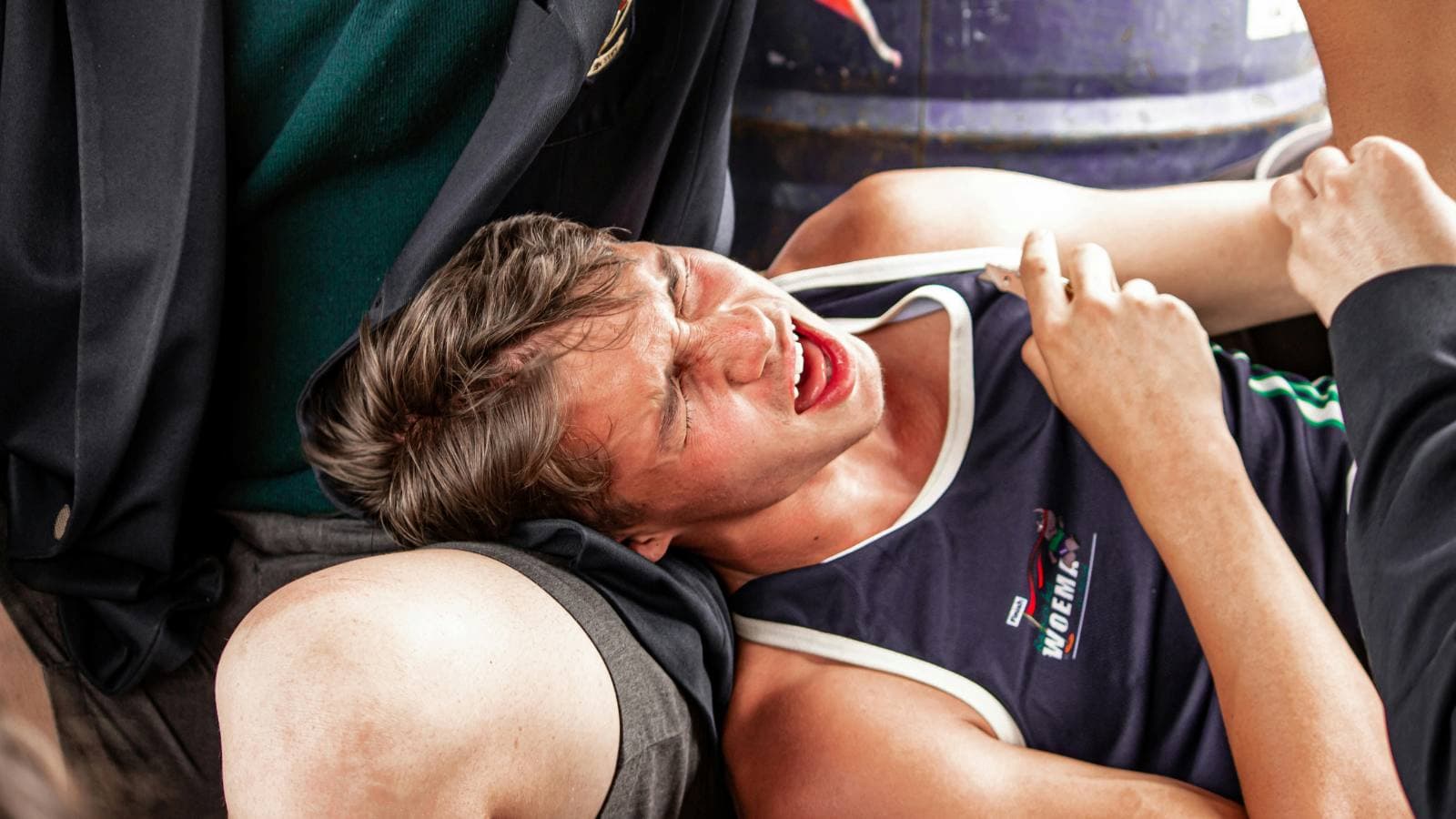


Triathlon training places repetitive stress on the body across swimming, cycling, and running. While combining three disciplines reduces some overuse risk compared to single-sport training, injury remains common when athletes increase volume too quickly, recover poorly, or ignore early warning signs. Most triathlon injuries develop gradually rather than suddenly. Fatigue accumulates, movement quality declines, recovery becomes insufficient, and small problems eventually become significant interruptions to training.
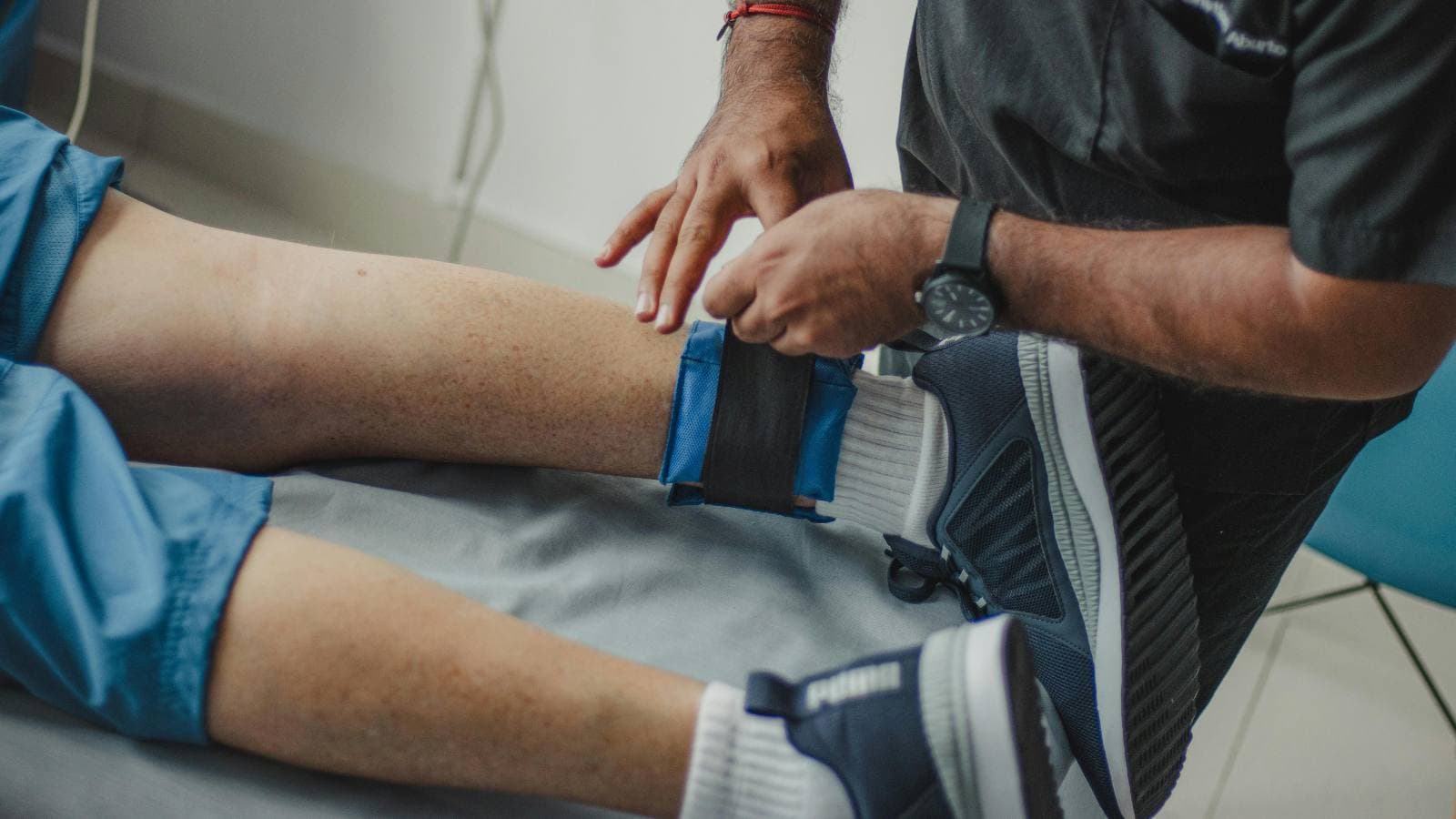
Reducing injury risk is not about avoiding hard training. It is about managing training load intelligently while supporting recovery, mobility, strength, and consistency. Athletes who stay healthy usually improve faster long-term because uninterrupted training matters more than occasional high-volume blocks. This becomes especially important when following structured preparation such as how to choose the right triathlon training plan, where training progression must match fitness and recovery capacity.
Increase Training Load Gradually
One of the biggest causes of triathlon injury is increasing training volume or intensity too aggressively. The body adapts gradually to stress. Muscles often improve faster than tendons, joints, and connective tissue, which creates imbalance when athletes progress too quickly.
Common mistakes include:
- Increasing weekly mileage sharply
- Adding too much intensity
- Training hard every day
- Copying advanced athlete training
- Ignoring recovery weeks
A sustainable progression usually leads to better long-term fitness than inconsistent heavy training followed by injury setbacks.
Beginners are particularly vulnerable because enthusiasm often exceeds recovery capacity. This is why structured preparation like sprint triathlon training plan becomes useful for balancing progression safely.
Recovery Is Part of Injury Prevention
Recovery is where physical adaptation happens. Without adequate recovery, fatigue accumulates and movement quality declines. This increases stress on joints, tendons, and muscles during training sessions.
Important recovery factors include:
- Sleep quality
- Nutrition
- Hydration
- Easy recovery sessions
- Rest days
- Stress management
Many endurance athletes underestimate how strongly poor sleep affects injury risk. Reduced recovery often leads to poor coordination, slower tissue repair, and elevated fatigue. This becomes increasingly important during longer training phases described in preventing ironman training burnout, where recovery management directly affects both performance and injury prevention.
Strength Training Improves Durability
Strength training is one of the most effective ways to reduce injury risk in triathlon. Triathletes often develop muscular imbalances because swimming, cycling, and running repeat similar movement patterns constantly. Strength training improves stability, coordination, posture, and tissue resilience.
Key areas to strengthen include:
- Glutes
- Core
- Hamstrings
- Calves
- Hip stabilisers
- Upper back
Strength work also improves movement efficiency, which reduces unnecessary strain during endurance sessions.
Two structured strength sessions per week can significantly improve durability without negatively affecting endurance performance.
Running Creates the Highest Injury Risk
Among the three disciplines, running causes the majority of triathlon injuries because of repetitive impact forces.
Common running injuries include:
- Shin splints
- Achilles tendinopathy
- IT band pain
- Runner’s knee
- Plantar fasciitis
- Stress reactions
Poor pacing and excessive intensity often increase injury risk further. Many athletes run too hard too frequently instead of developing aerobic consistency gradually. Understanding endurance intensity management through VO2 max in training helps athletes build aerobic fitness while reducing repetitive stress.
Technique Matters More Than Many Athletes Realise
Poor movement mechanics increase stress throughout the body. Swimming with poor shoulder mechanics increases overload risk. Poor bike position can create knee pain or lower back problems. Inefficient running form often increases repetitive impact stress.
Small technique improvements can significantly reduce injury risk over time.
Important technical areas include:
- Relaxed swim mechanics
- Proper bike fit
- Stable running posture
- Cadence awareness
- Controlled movement under fatigue
Triathletes preparing for longer races explained in combining swim, run and bike effectively often benefit greatly from improving efficiency because repetitive stress increases with race duration and training volume.
Bike Fit Plays a Major Role
Cycling injuries are commonly linked to poor bike positioning.
Incorrect saddle height, reach, or cleat setup can create:
- Knee pain
- Hip discomfort
- Lower back tightness
- Neck strain
- Numbness
A professional bike fit often reduces discomfort immediately while improving efficiency. Small positional changes can dramatically alter joint loading patterns during long rides.
Triathletes spending multiple hours on the bike each week should prioritise comfort and stability rather than aggressive aerodynamic positioning initially.
Listen to Early Warning Signs
Most injuries provide warning signs before becoming severe.
Athletes often ignore:
- Persistent soreness
- Localised pain
- Reduced mobility
- Changes in movement
- Fatigue that does not improve
- Declining performance
Training through pain rarely solves the problem. Addressing small issues early usually prevents long interruptions later.
A useful guideline is distinguishing normal fatigue from pain that changes movement patterns or worsens progressively.
Mobility Supports Better Movement
Restricted mobility increases compensation patterns during training.
Common areas affecting triathletes include:
- Hip mobility
- Ankle flexibility
- Thoracic spine rotation
- Shoulder mobility
Limited movement often forces athletes into inefficient positions that increase joint stress. Mobility work does not need to be excessive. Short consistent sessions usually provide better results than occasional long routines.
Improving movement quality also helps athletes maintain technique under fatigue during longer training sessions.
Nutrition Affects Injury Risk
Poor nutrition reduces recovery quality and tissue repair.
Triathletes under-fuelling consistently may experience:
- Low energy availability
- Poor recovery
- Reduced bone health
- Increased fatigue
- Hormonal disruption
- Higher injury risk
Many endurance athletes unintentionally train with inadequate carbohydrate intake, especially during high-volume weeks. Recovery nutrition becomes especially important during demanding preparation phases like those covered in staying motivated during recovery, where tissue repair and glycogen restoration support ongoing training consistency.
Training Variety Reduces Overuse Stress
Repeating identical sessions constantly increases repetitive strain. Variation helps distribute physical stress more effectively.
Useful variation includes:
- Different run surfaces
- Alternate cycling terrain
- Technique-focused swim sessions
- Recovery rides
- Lower-impact aerobic sessions
Triathlon naturally provides some variation because training stress is spread across three disciplines, but overuse still develops if recovery and progression are ignored.
Open Water Anxiety Can Increase Tension
Open-water swimming creates psychological stress that often increases physical tension.
Anxious swimmers commonly:
- Overkick
- Hold their breath
- Tighten shoulders
- Fight the water
- Fatigue quickly
This increases muscular strain and energy expenditure unnecessarily. Developing confidence gradually through practice improves relaxation and reduces stress-related fatigue.
Athletes preparing for race conditions often improve significantly by understanding concepts covered in sighting in open water swimming.
Consistency Is More Important Than Perfection
The healthiest triathletes are usually not the athletes training hardest every single week.
They are the athletes who:
- Recover consistently
- Train progressively
- Adapt when fatigued
- Manage stress well
- Avoid long injury layoffs
Consistency creates long-term performance gains.
Short-term aggressive training often leads to interruptions that reduce overall progress.
Common Injury Prevention Mistakes
Many triathletes increase injury risk through avoidable habits.
Common mistakes include:
- Ignoring recovery days
- Increasing mileage too quickly
- Skipping strength training
- Training through pain
- Using poor-fitting equipment
- Sleeping too little
- Racing too frequently
- Following unrealistic plans
Most injuries develop gradually from accumulated stress rather than isolated incidents.
Practical Ways to Reduce Injury Risk
Triathletes can lower injury risk significantly by:
- Progressing training gradually
- Prioritising sleep
- Strength training regularly
- Improving movement quality
- Managing fatigue honestly
- Fueling training properly
- Monitoring soreness early
- Scheduling recovery weeks
Healthy athletes almost always outperform inconsistent athletes over time because uninterrupted training creates better long-term adaptation.